Steel prices are never just a number on a screen for the people who run a rolling mill. They decide how hard a line is pushed, how often a roll is pulled for reconditioning, and whether this year's capital budget buys a new roll lathe or another twelve months of patching the old one. We have been building heavy-duty machine tools for steel plants since 2002, and we have watched that same conversation repeat itself through every price cycle.
What follows is a plain look at where steel prices stand in late September 2026, and, more usefully, what those figures mean for the machines that keep a roll shop productive.
Content
China's rebar benchmark, the reference point most long-product mills watch, was trading near CNY 3,100 per tonne on 23 September 2026, a shade below the previous session. Over the past month the price has risen by roughly 0.9 per cent, and it is about 0.5 per cent higher than a year ago. The same benchmark reached an all-time high of CNY 6,198 in May 2021, which means today's level is close to half of that peak.
Hot-rolled coil tells a different story. The HRC benchmark stood at around USD 1,304 per tonne on the same date, up roughly 12 per cent over the previous month and close to 60 per cent compared with a year earlier. The record for HRC remains USD 1,945, set in September 2021.
In the United States, published averages put steel at about USD 1,196 per metric ton in August 2026, some 3.1 per cent above July, with spot values near USD 1,207 per metric ton at the end of that month. Weekly US averages have been sitting in the low sixties per hundredweight through September, and the producer price index for cold-rolled steel sheet and strip climbed from 446.6 in July to 469.3 in August.
| Benchmark | Latest reading | Recent direction |
|---|---|---|
| China rebar (CFD reference) | About CNY 3,100 per tonne | Slightly lower day on day; up about 0.9 per cent over the month |
| HRC steel (CFD reference) | About USD 1,304 per tonne | Up roughly 12 per cent over the month and nearly 60 per cent year on year |
| US steel average | USD 1,196 per metric ton (August) | Up 3.1 per cent from July; spot near USD 1,207 on 31 August |
| US cold-rolled sheet PPI | 469.3 (August) | Up from 446.6 in July |
Read together, these figures describe a market that is neither collapsing nor booming. Long products are flat to slightly firmer; flat products have recovered strongly from a soft base. That mix shapes roll shop workload in very specific ways.
Rolls are consumables, and every tonne that passes through a stand removes a little more of the roll surface. The arithmetic is simple. A mill producing three million tonnes a year consumes and reconditions far more roll inventory than a mill producing one million tonnes, and it loses far more money when a stand sits idle waiting for a roll that is not ready.
That is why steel prices and roll shop capacity are joined at the hip. When the margin per tonne is healthy, downtime is expensive and throughput wins. When the margin per tonne is thin, the same roll shop is expected to deliver longer roll life, tighter tolerances and a lower cost per tonne of finished product, usually with the equipment it already owns.
When flat-product prices climb the way HRC has over the past twelve months, mills run faster and postpone nothing. A single roughing stand waiting for a replacement roll can cost more in an afternoon than a year of preventive maintenance. The practical answer is a roll lathe that removes metal quickly without sacrificing the geometry that keeps the roll in service.
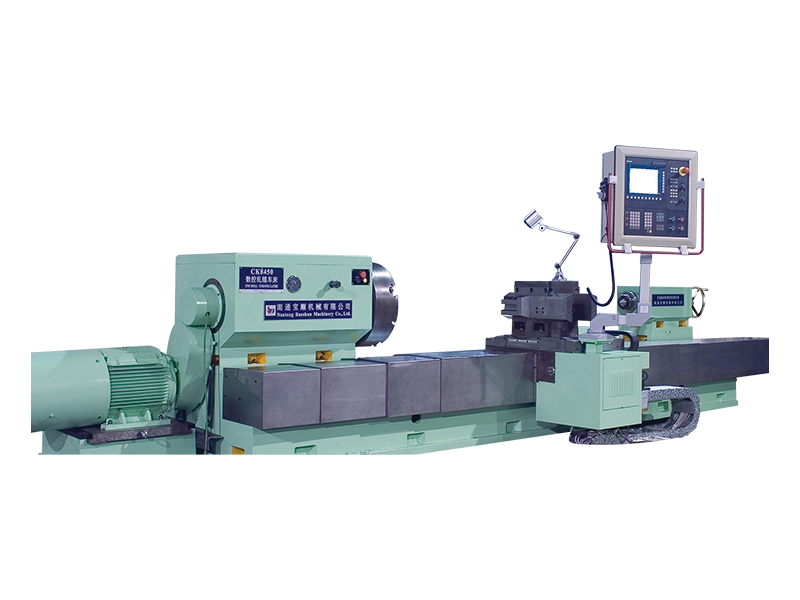
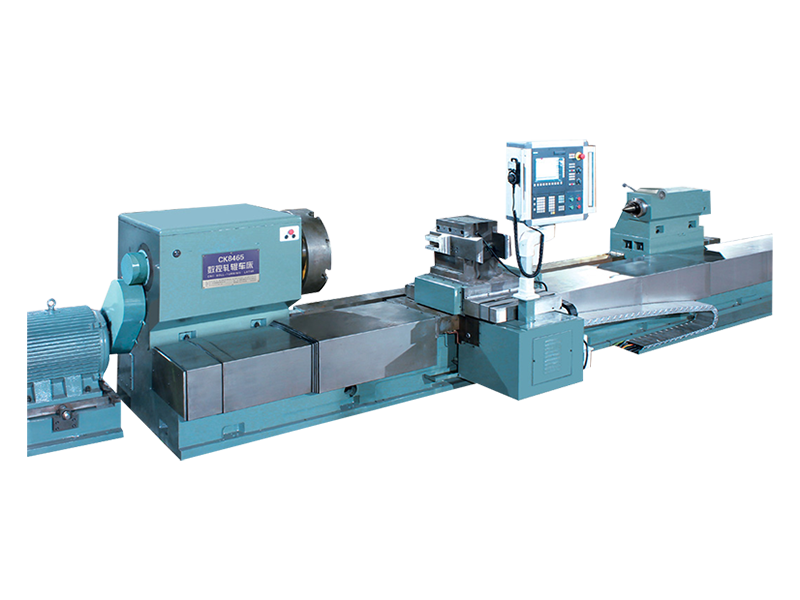
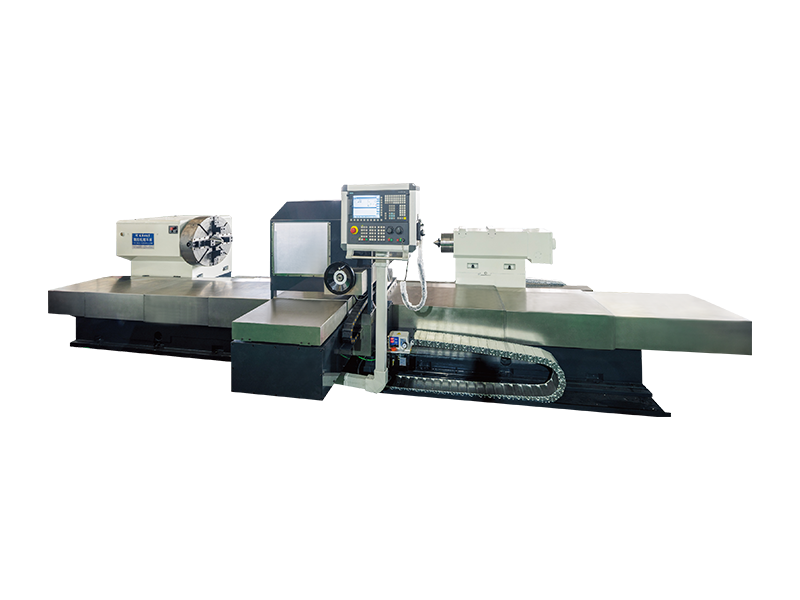
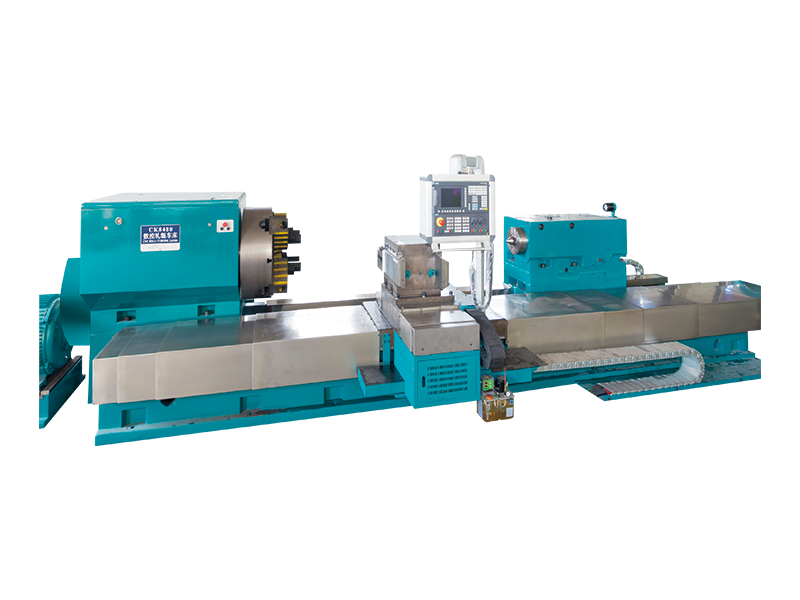
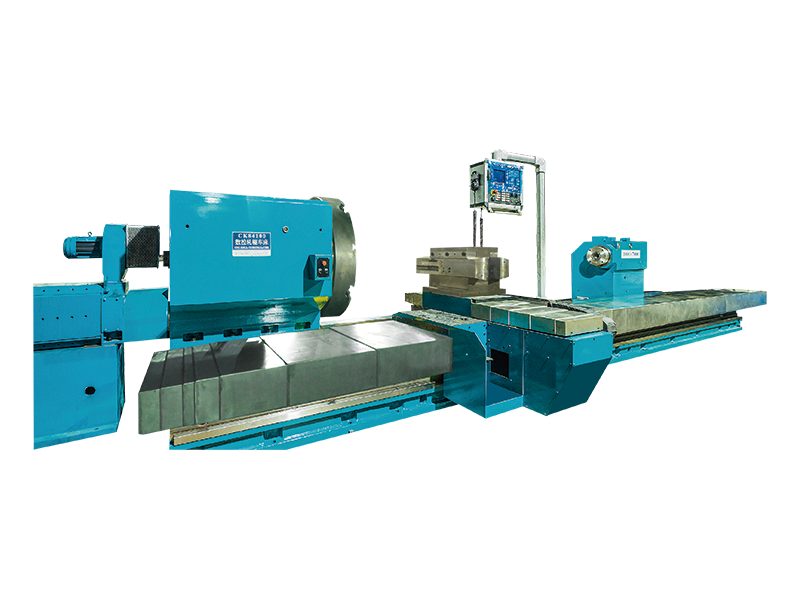
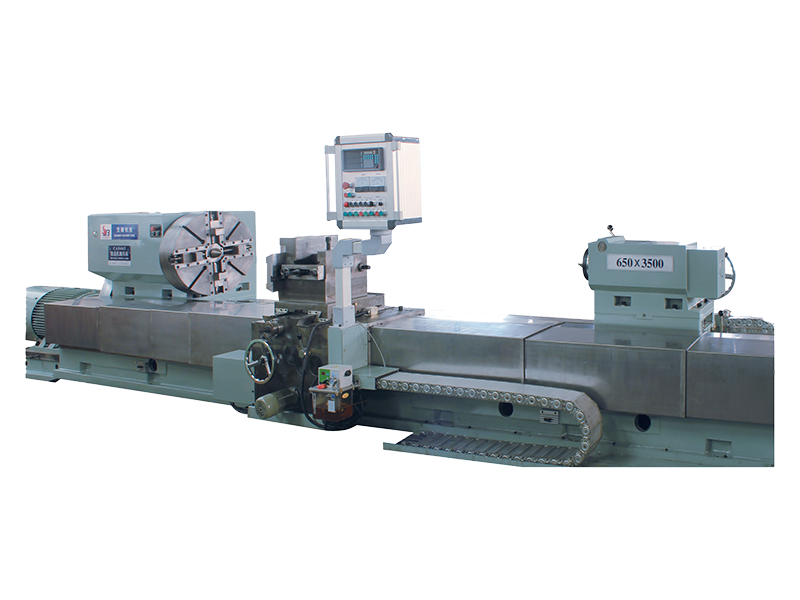
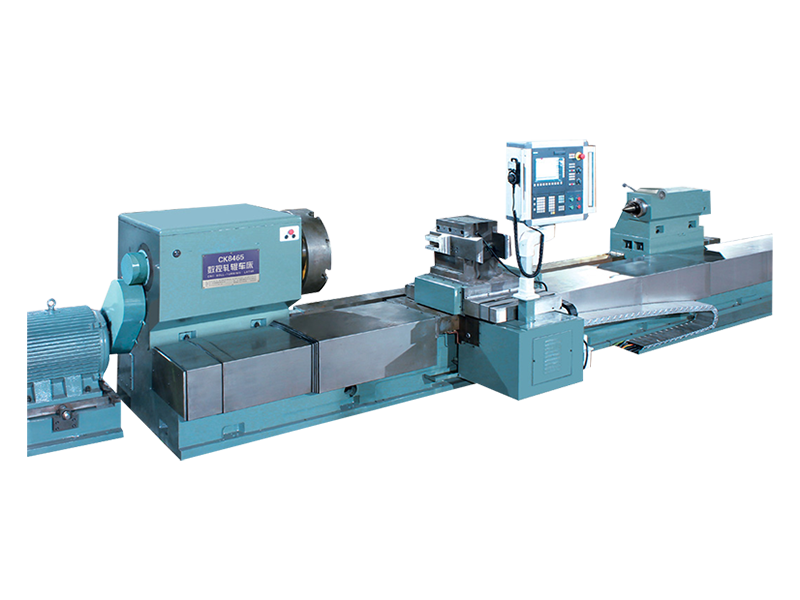 CK8465/3500 High Performance Horizontal Heavy Duty CNC Roll LatheTailstock moving parametersView Product →
A machine such as the CK8465 is built for exactly that trade-off, pairing a rigid bed and high-torque spindle for deep cuts on large rolls with CNC control that repeats a profile cut hour after hour. If you would like to see the engineering detail behind that approach, our team has written about heavy-duty CNC roll lathes for accurate diameter and surface finishing. In our experience, the mills that handle a price spike best are not the ones with the newest equipment; they are the ones whose roll shop never becomes the bottleneck.
Rebar near CNY 3,100 per tonne is a reminder that long-product mills rarely enjoy generous margins for long. In that environment every extra pass, every rejected roll and every wasted kilogram of abrasive matters. Grinding is where cost hides most quietly, because an inaccurate grinder forces deeper cuts, shortens roll and ring life and increases the number of regrinds per year.
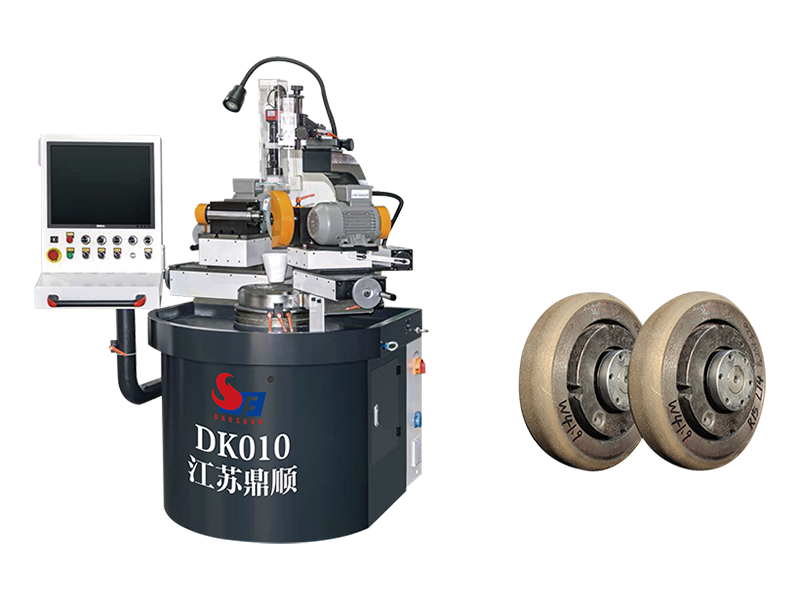
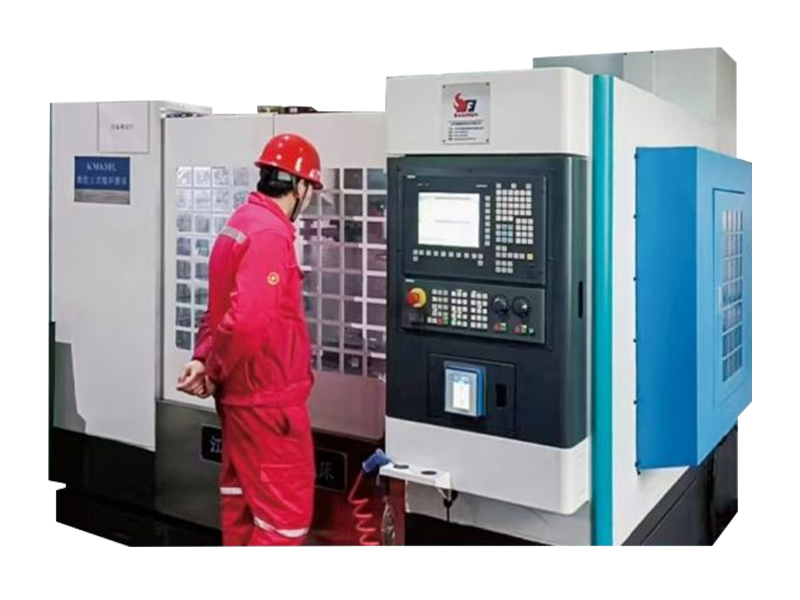 MK630L Vertical CNC Roller Ring Special Grinding MachineRoller ring grinding machine is used for coarse grinding, semi-fine grinding, fine grinding and non-spark grinding of the outer circle and R-pass groove of the tungste...View Product →
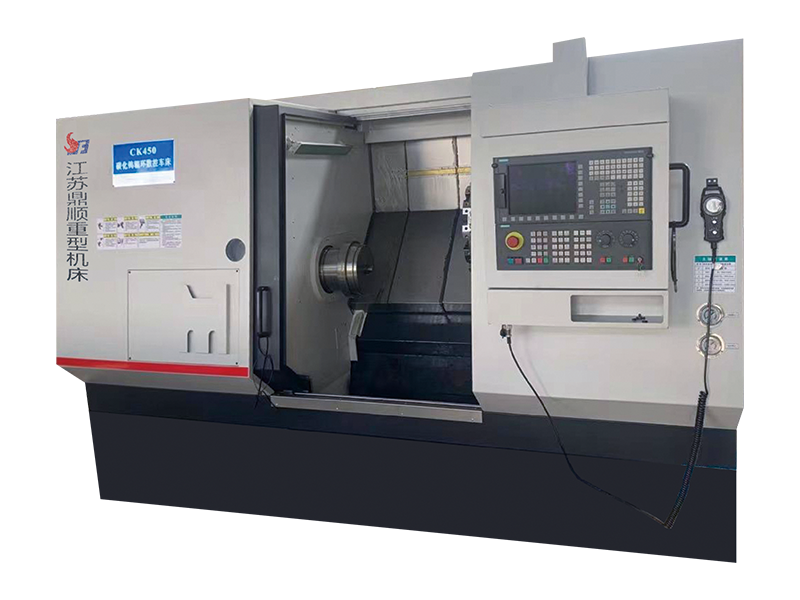
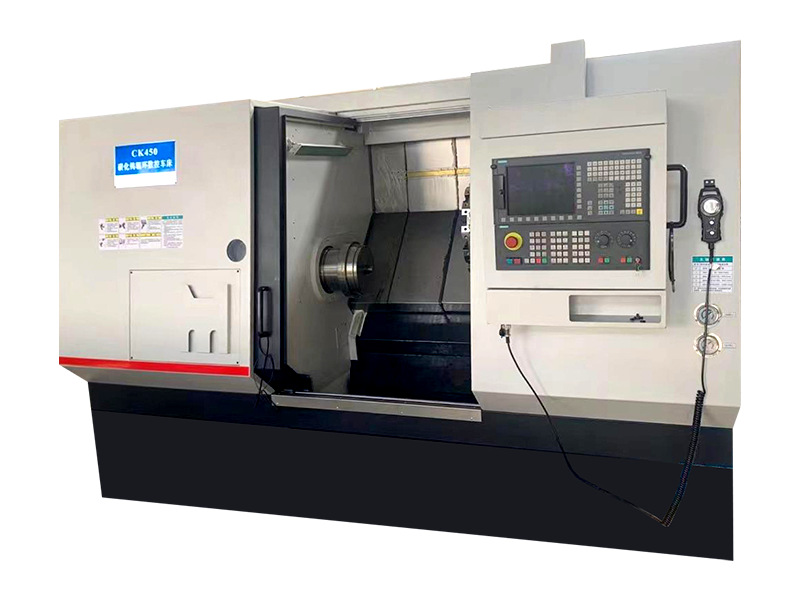
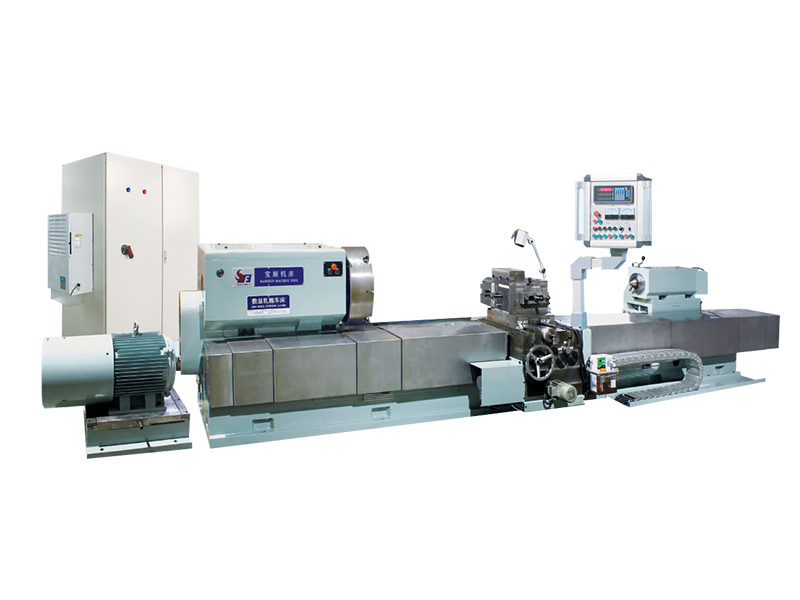
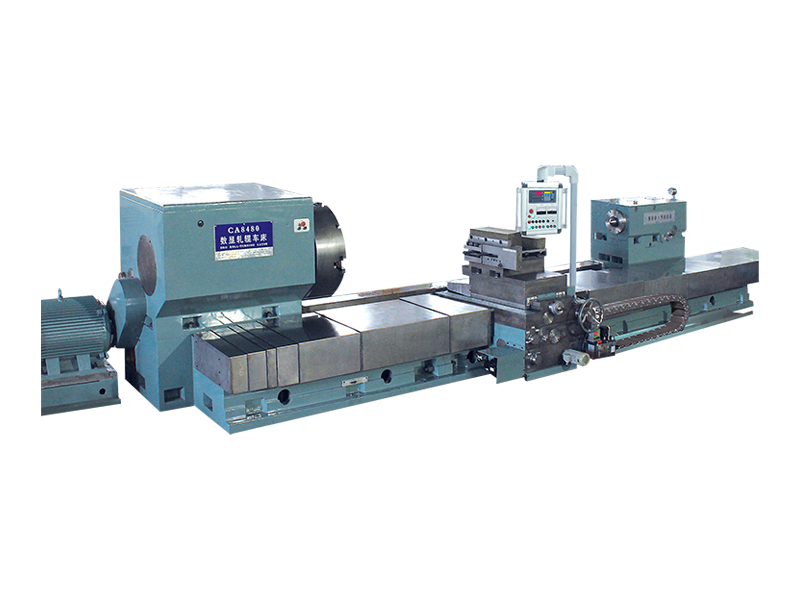
Vertical roller ring grinding machines are designed to hold concentricity and surface finish on large, heavy rings, which usually means fewer scrapped rings and longer intervals between services. For shops running older but serviceable lathes, a digital display machine can also cut idle time by removing manual measurement from the operator's routine, so a price squeeze is met with better process discipline rather than simply more hours.
Price movements do not only change volumes; they change what mills choose to roll. Periods of soft construction demand push producers toward higher-value flat and specialty products, including patterned plate, which increases notching, grooving and pattern milling work inside the roll shop and on the finishing lines.
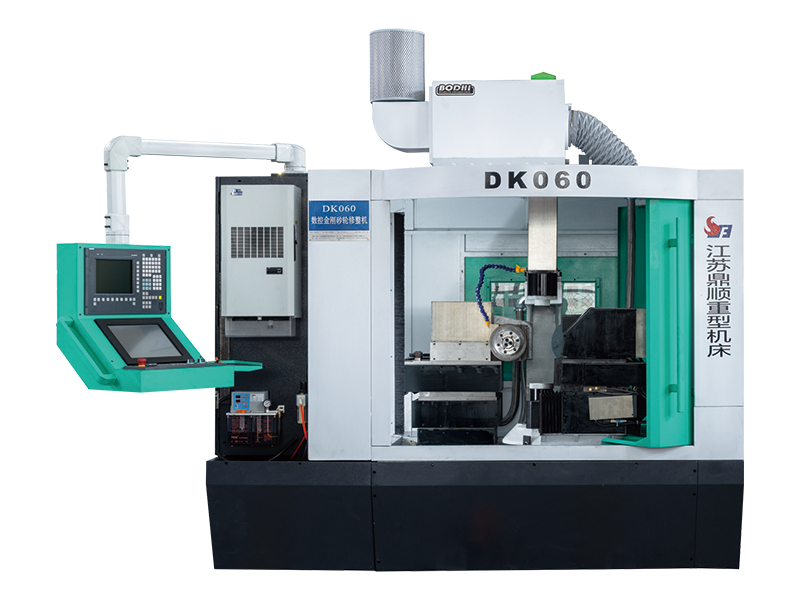
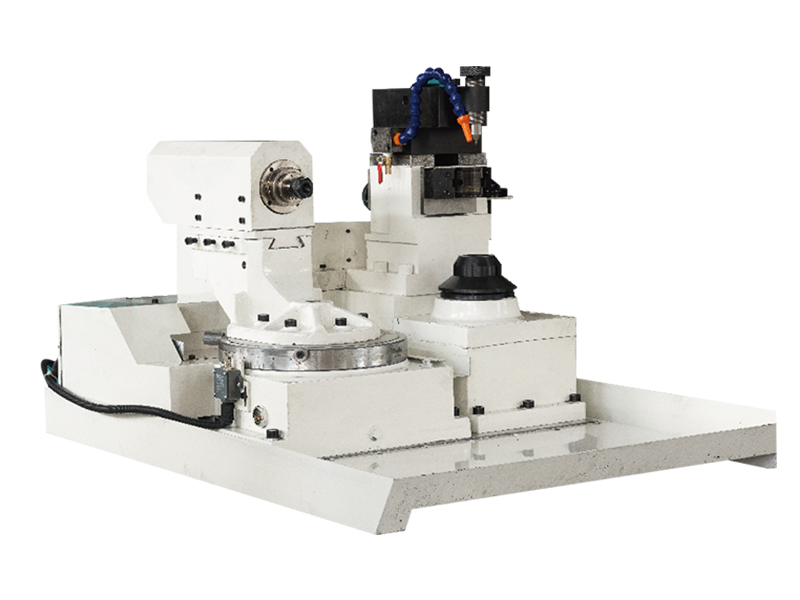 XK500G Multi-function CNC Roll Processing MachineXK500Gmultifunctional combined CNC roll processing machine is developed basing onResearch and development. As a new-generation product, the machine can achieve automat...View Product →
Multifunction roller processing machines handle turning and milling of roll features in one setup, which suits shops facing a mix of grooved rolls, notch profiles and pattern plate work. Instead of moving a heavy roll between two machines, the operator completes the feature sequence in a single clamping. That is a small change on paper and a significant one when you multiply it across every roll in the shop.
Before any mill signs off on roll shop equipment, we ask the engineering team to work through a short list. It takes an afternoon and rarely fails to expose the real constraint.
Our company has supplied machine tools to steel plants since 2002, and our range now covers CNC roll lathes, roller ring lathes, digital display roll lathes, roll grinding machines, roller processing machines, pattern milling machines, diamond wheel dressing machines and precision tool grinders. We are also a qualified supplier to a research institute under China State Shipbuilding Corporation, which has kept our engineering team honest about tolerances.
What that experience shows is that steel prices change what a mill buys, but rarely whether it buys. The spending simply moves: from capacity to reliability, from expansion to reconditioning, from new stands to the roll shop behind them. A supplier who understands that rhythm is worth more than a catalogue with the lowest headline price.
They change priorities more than specifications. A mill facing strong flat-product demand will favour heavy cutting capability and short cycle times, while a mill under margin pressure will favour accuracy, automation and low running cost. The underlying requirement, a roll that meets tolerance and lasts, stays the same.
If your roll shop is already limiting output, the answer is usually yes, regardless of where prices sit this month. If capacity is comfortable, use the current period to measure downtime costs and tolerance capability honestly, so the next purchase is based on evidence rather than a price chart alone.
Steel prices will keep moving, and the headlines will keep chasing them. What does not move is the arithmetic inside your roll shop: tonnes per hour, rolls per month, microns of tolerance and hours of unplanned downtime. Track those four numbers, and the price cycle stops being a source of anxiety and becomes what it should be, a background condition you plan around.

 Download Material

 E-mail: [email protected]
  Mob: +86-13806297906
  Tel: +86-513-85562198
  Add:No. 99 Tiantong Road, Nantong City, Jiangsu Province.
Factory scene



Copyright@ Jiangsu Dingshun Heavy duty Machine Tool Co., Ltd. All Rights Reserved.




 English
  русский
  Español
  عربى
عربى