Toll processing is a simple idea dressed up in jargon. Someone owns steel — a coil, a plate, a stack of bar — and pays a third party to turn, cut, level, slit, coat or finish it without ownership ever changing hands. The material arrives as a commodity and leaves as something a stamping line, a construction site or a pipe mill can actually run.
What separates a dependable processor from an average one rarely shows up in a brochure. It shows up on the four-hundredth ton, when thickness, surface and crown still match the first. That consistency rests on rolls, rings and tooling that hold their geometry under load, and on the machine tools that keep those parts in condition. We have been building heavy-duty machine tools for the steel industry since 2002, so the view from here tends to be the practical one rather than the theoretical.
Content
Ask five processors to describe their business and you will get five different lists, but most of the work falls into a handful of families:
That last item is the one buyers underestimate. A line can have perfect tension control and a modern control system and still produce off-gauge strip, simply because a leveler roll has worn out of crown or a slitter knife has lost its edge. Processing quality is, in practice, a maintenance story told at the level of hard tooling.
Every service in that list has a physical part that decides whether the result is acceptable: a roll, a knife, a ring, a die or a grinding wheel. Understanding which part governs which promise makes it much easier to judge a quotation, because the value of a coil is often decided by the condition of tooling that nobody mentions during the negotiation.
| Service | Tooling that governs quality | Condition to verify |
|---|---|---|
| Slitting and edge trimming | Arbors, knives, rubber rings | Knife clearance and burr height |
| Cut-to-length and leveling | Leveler rolls and backup rolls | Crown and diameter across the face |
| Temper rolling and finishing | Work rolls and backup rolls | Roughness and roundness after each regrind |
| Hot mill roll maintenance | Roll lathes and roll grinders | Concentricity, taper and surface finish |
| Rebar and thread steel roll sets | Roll notching machines | Groove depth and spacing repeatability |
| Checker plate and pattern plate | Pattern milling machines | Pattern height and uniformity across the plate |
Read the third column again and a pattern appears: almost every failure mode traces back to geometry that drifted a few hundredths of a millimetre past its limit. Holding that geometry inside the limit is a machining task, and it is the reason roll shops exist inside steel plants and service centres alike.
If you run a roll shop, a toolroom or an in-house maintenance department, the equipment list is fairly predictable. What matters is whether a machine can handle the size and weight of the parts in front of it, and whether it can repeat a setup without an operator standing over every pass.
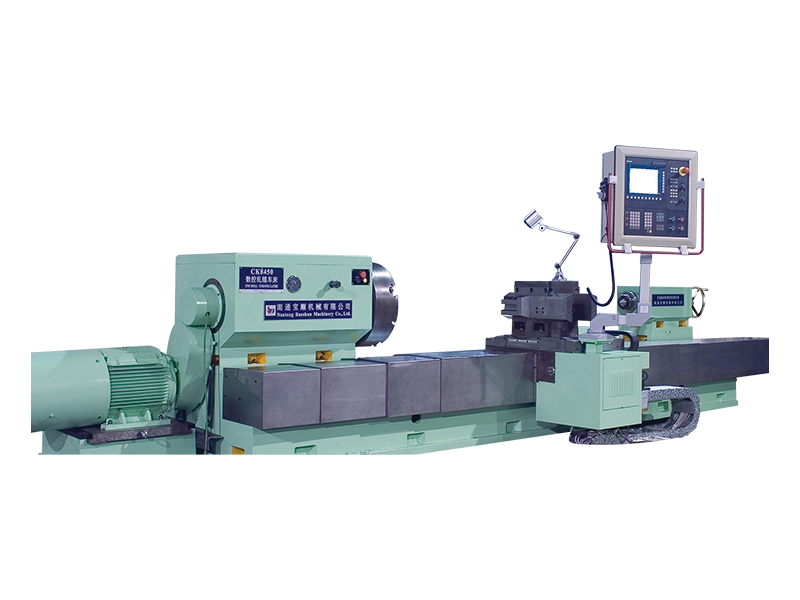
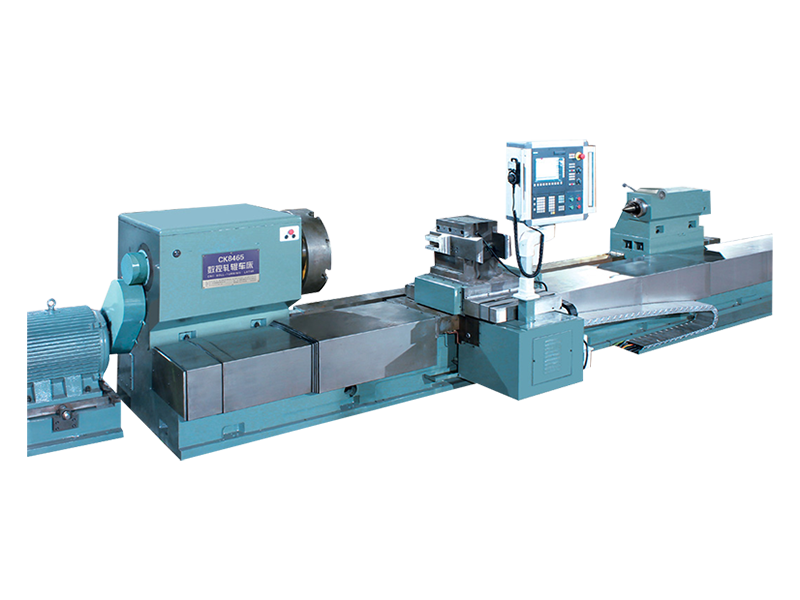
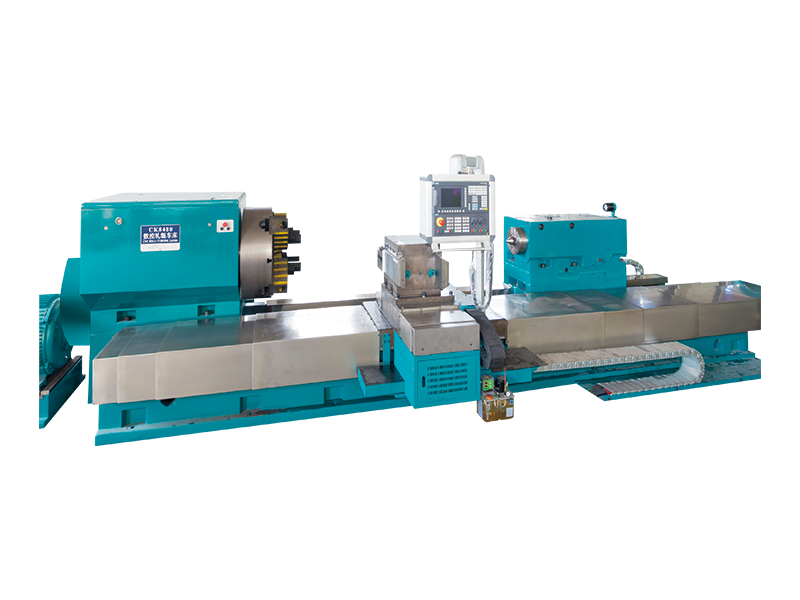
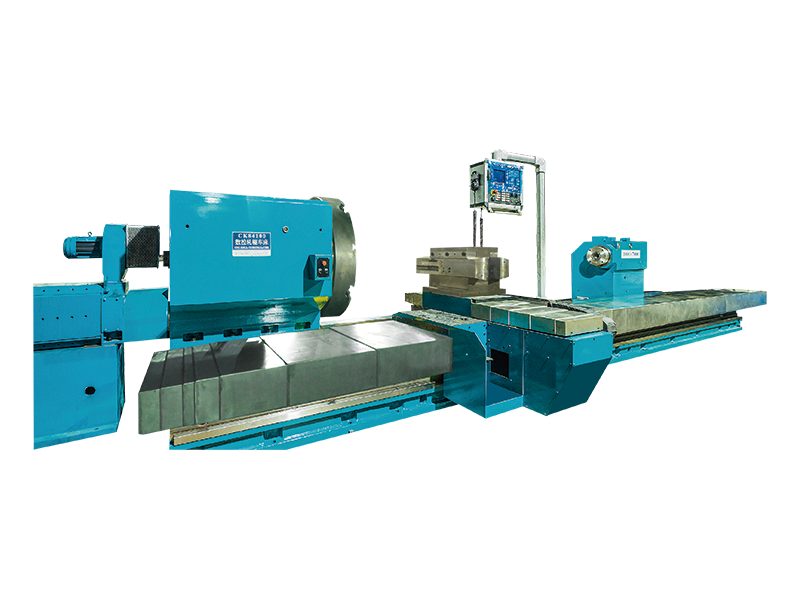
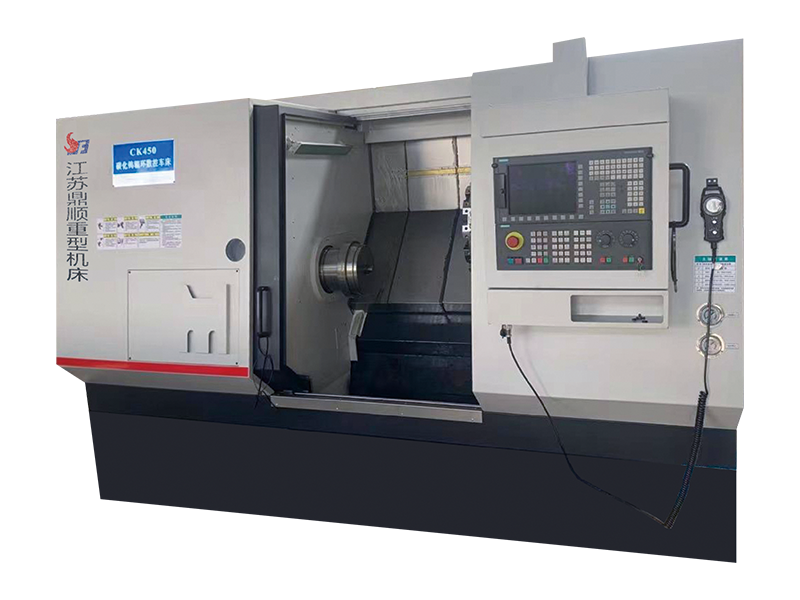
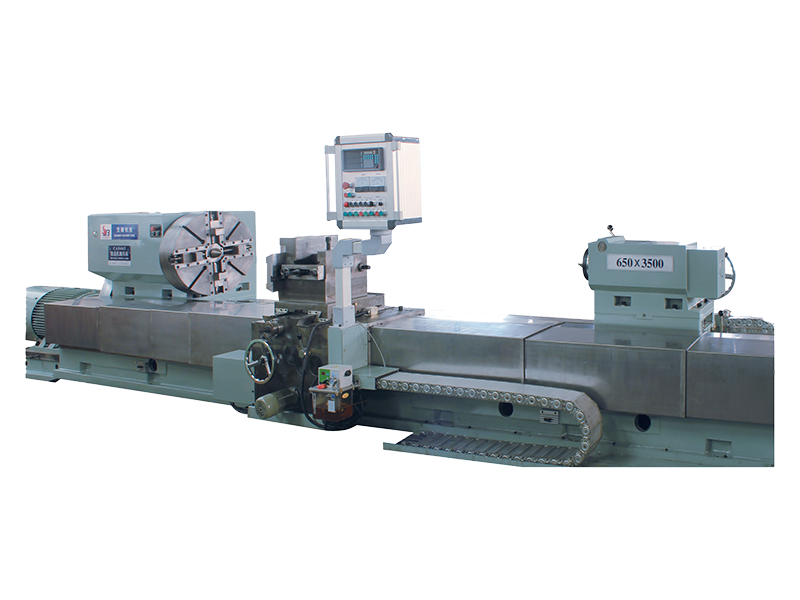
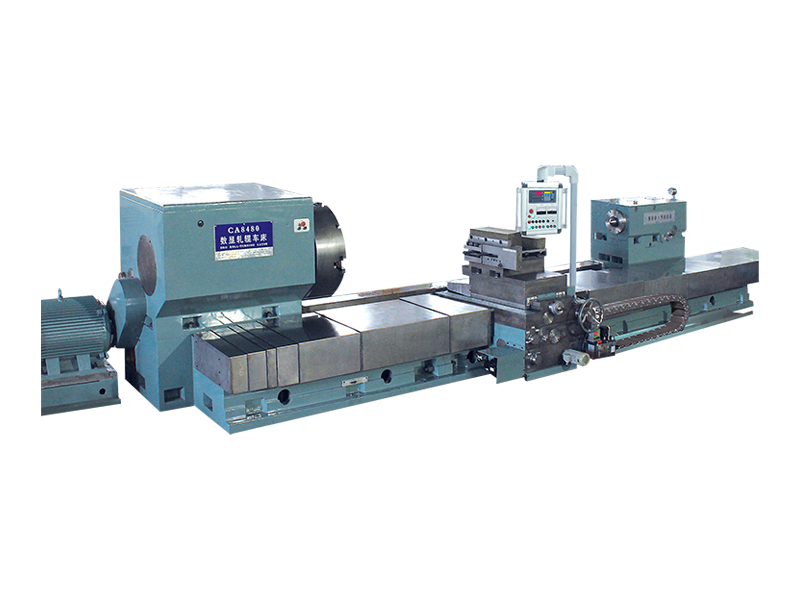
Work rolls lose their crown, develop fire cracks around the barrel and slowly go out of round. A CNC roll lathe has to swing large, heavy parts safely, cut a hardened surface without chattering, and leave a finish the grinder can pick up with minimal stock removal. Machines in the CK84 family, such as the CK8450, are built around that combination of a stiff bed, high torque at low spindle speeds and enough automation to keep the profile consistent from one roll to the next.
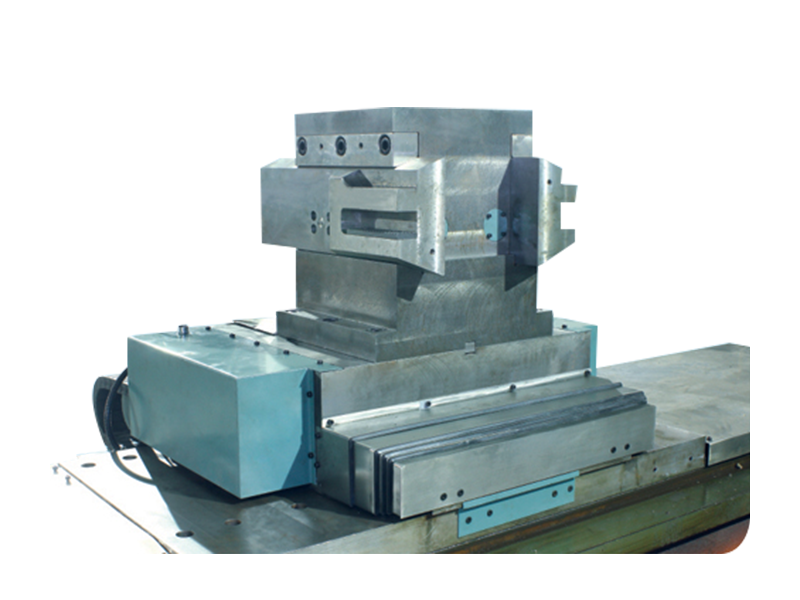 CK8450 CNC Roll Lathe for Work Roll ReconditioningFor work roll reconditioning, the CK8450 supports Ø500 mm by 2500 mm workpieces and 3500 kg between centers with low-speed torque.View Product →
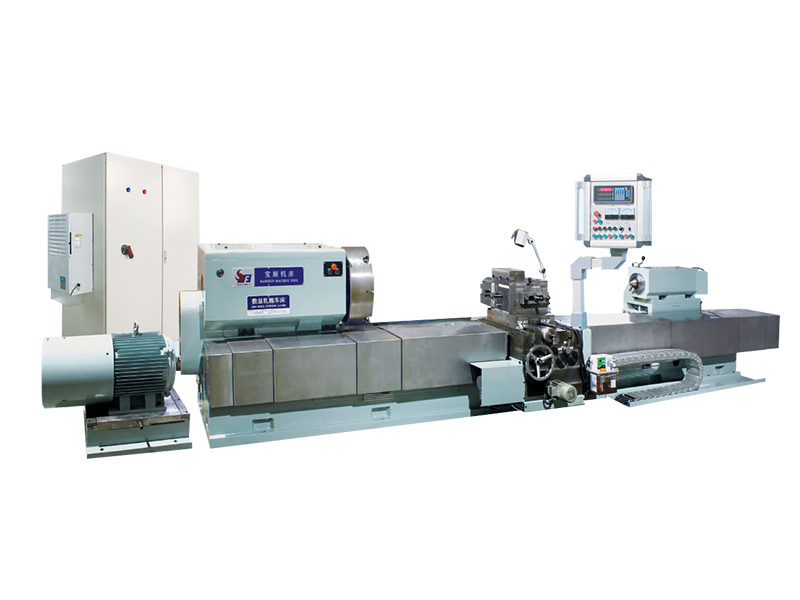
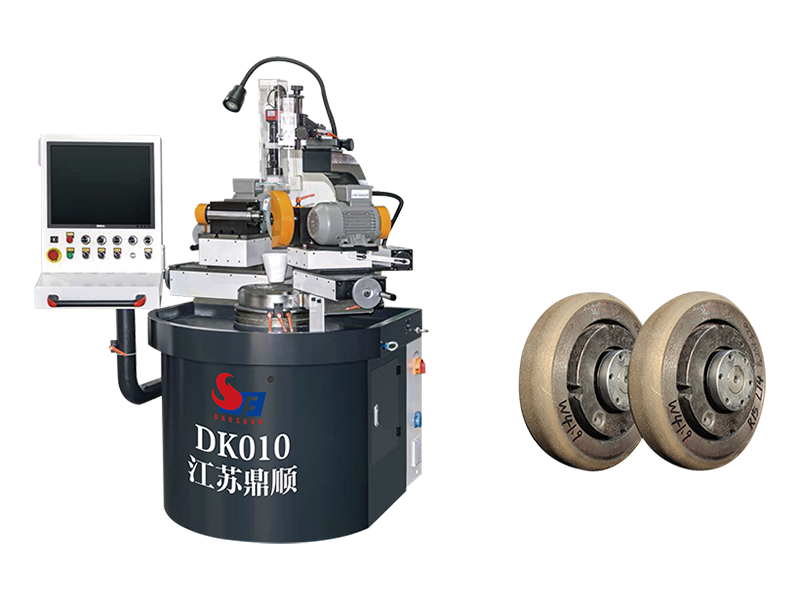
Roll rings are a different problem. They are smaller in diameter but run at high speed, so roundness and surface finish matter more than raw metal removal. A ring grinder needs high rigidity, thermal stability and a control system that compensates as the wheel wears. The SK0015 high-rigidity intelligent ring grinder was designed for exactly this kind of duty, holding tight tolerances on hard-metal rings used in high-speed rolling stands.
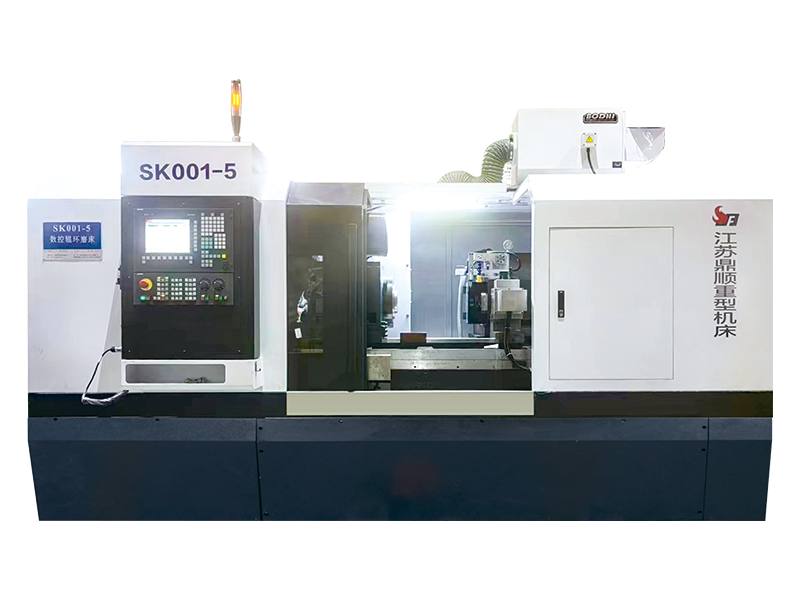 SK001-5 High Rigidity CNC Roller Ring GrinderFor high-speed roll rings, this grinder covers Ф100–Ф400 mm diameters and holds outer-circle cylindricity to 0.005 mm.View Product →
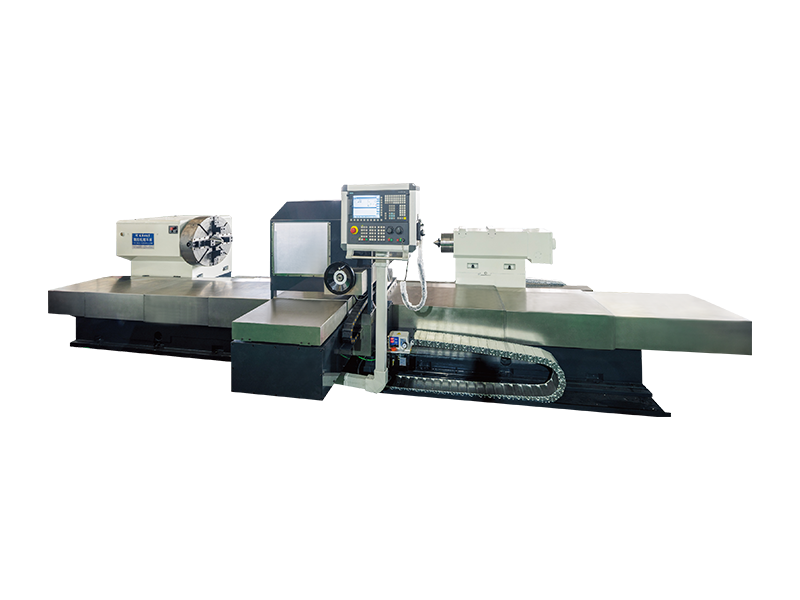
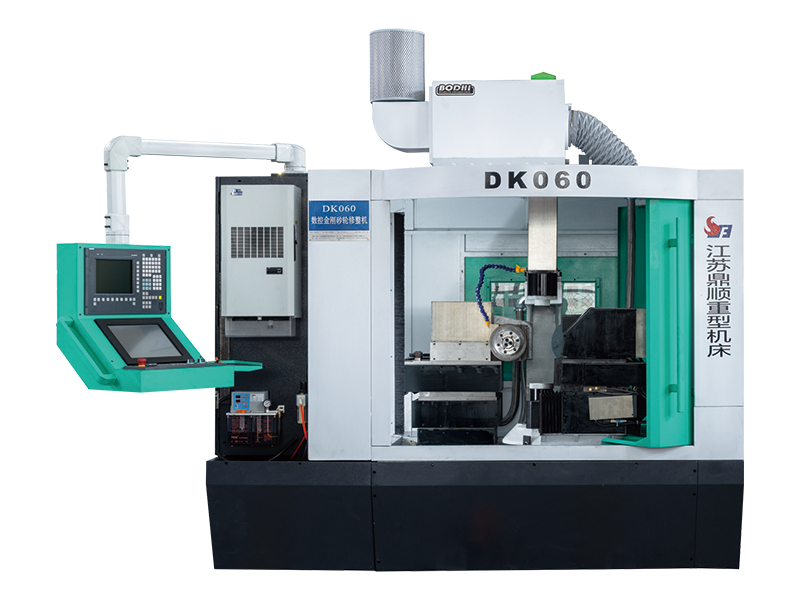
Not every processing job produces straight strip. Rebar and thread steel depend on roll sets with accurately machined grooves, and checker plate depends on a pattern that stays uniform across the full width of the plate. Pattern milling machines such as the CXK9580 combine turning and milling in a single setup, which shortens the cycle and reduces the handling that introduces error. Behind all of it sits the toolroom, where diamond wheel dressing machines and precision tool grinders keep the cutting edges and wheel profiles that everything else relies on.
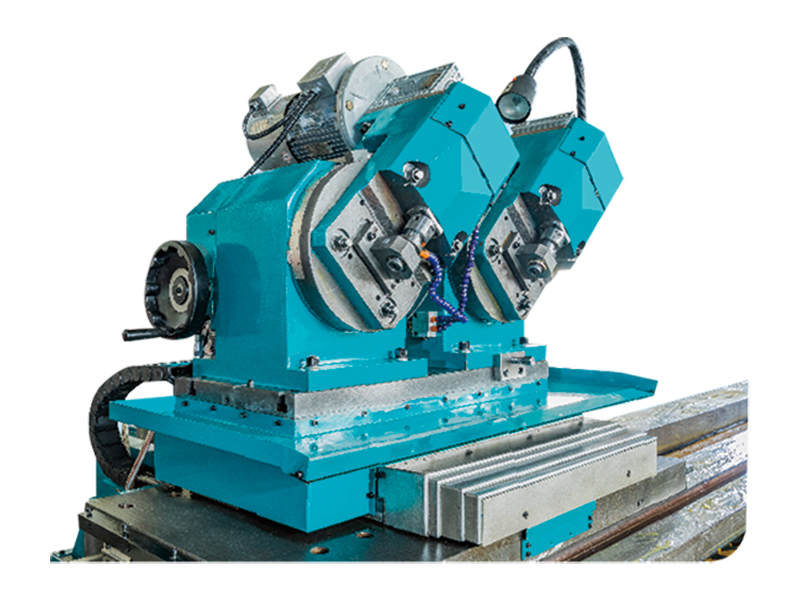 CXK9580 Automatic Pattern Plate CNC Milling MachineFor checker plate and grooved roll patterns, this automatic CNC milling machine accepts Ø800 mm by 6000 mm workpieces up to 12000 kg.View Product →
The build-or-buy question comes up in almost every conversation we have. Some operations send rolls to a specialist and never think about it again; others keep a lathe in the corner of the plant and quietly save a fortune in freight. Both approaches can work. The deciding factors are usually volume, tolerance and the hourly cost of a stopped line.
Either way the technical questions are the same: can the machine or the shop hold concentricity, taper and finish on the largest roll you actually own, not the average one? If you want to see how those requirements translate into machine design, our article on heavy-duty CNC roll lathes for accurate diameter and surface finishing walks through the details.
Whether you are evaluating a processing partner or specifying a machine for your own shop, a short list of questions exposes most of the risk early:
Toll processing will keep evolving as lines get faster and tolerances get tighter. The equipment side changes more slowly. Rolls still have to be turned, rings still have to be ground, and grooves still have to be cut to a repeatable depth. Operations that treat that tooling as an afterthought tend to discover the cost later, in rejected coils and unplanned line stops.
We have supplied heavy-duty machine tools to steel plants since 2002, including project work for research institutes such as the Shanghai 704 Institute, and the lesson has not changed: the machine that looks slightly overspecified on the quotation is usually the one still holding tolerance ten years later. If you are planning roll shop capacity — for your own line or to serve other people's steel — it is worth talking through the real sizes and finishes you need before the purchase order is written.

 Download Material

 E-mail: [email protected]
  Mob: +86-13806297906
  Tel: +86-513-85562198
  Add:No. 99 Tiantong Road, Nantong City, Jiangsu Province.
Factory scene

Copyright@ Jiangsu Dingshun Heavy duty Machine Tool Co., Ltd. All Rights Reserved.




 English
  русский
  Español
  عربى
عربى