Steel mills and heavy machine shops have long accepted flood coolant as the price of doing business. Pumps, tanks, mist collectors, sump maintenance, disposal contracts — the list goes on, and so does the cost. Minimum quantity lubrication, or MQL, breaks that pattern by delivering a precisely metered stream of air and oil to the cutting zone, using only a fraction of the fluid a conventional system consumes.
In our two decades of building heavy-duty machine tools for metallurgical plants, we have watched MQL become a practical workshop standard. It is not a replacement for every cooling strategy, but it is a serious option for improving tool life, surface finish, and shop-floor sustainability. This guide explains what MQL is, how it works, and where it makes the most sense in heavy machining.
Content
Minimum quantity lubrication is an eco-friendly technique that sprays a very small amount of compressed gas and lubricant onto the cutting zone. Instead of flooding the workpiece with gallons of coolant, MQL uses a fine mist of oil or synthetic ester. Typical consumption stays at a few ounces per shift per tool.
MQL is also called near-dry machining because the process behaves more like dry cutting than wet cutting. The small amount of oil reduces friction between the cutting edge and the workpiece, while the compressed air acts as the carrier and provides some cooling. The oil film minimizes edge build-up and prevents tool welding.
An MQL system has three core elements: an oil reservoir, a metering device, and a nozzle assembly. The pump delivers droplets of lubricant into a compressed air line. The air atomizes the oil into very fine droplets, creating a narrow, high-speed spray that can be aimed directly at the cutting edge.
Delivery can be external, using a fixed nozzle, or through the spindle. In heavy turning and roll machining, external application is usually sufficient and easier to retrofit. The key is consistency: the spray must stay on the cutting zone without drifting, dripping, or starving the tool.
To understand where MQL fits, it helps to compare it directly with flood coolant across the factors that matter on the shop floor.
| Factor | Flood Coolant | MQL |
|---|---|---|
| Fluid use | Gallons per hour | Ounces per shift |
| Waste handling | Large volumes to dispose | Minimal waste |
| Surface finish | Good but can vary | Often better |
| Tool life | Can suffer from thermal shock | More predictable |
| Maintenance | Tanks, pumps, filters | Localized, simple |
| Environmental load | Mist, disposal, skin contact | Cleaner and safer |
| Shop floor footprint | Piping and storage | Compact and mobile |
MQL works best when tool pressure is high, the process is continuous, and surface repeatability matters. Three heavy-industry areas stand out: roll turning, pattern plate milling, and roll ring grinding.
Large rolls are demanding workpieces. Their size and weight create prolonged tool engagement, and the finished surface determines the quality of downstream steel sheet. MQL helps in two ways: it lowers friction at the cutter edge and avoids the thermal distortion that can occur when a large roll is drenched in coolant. With a stable oil film, the tool produces a more consistent diameter and better surface finish.
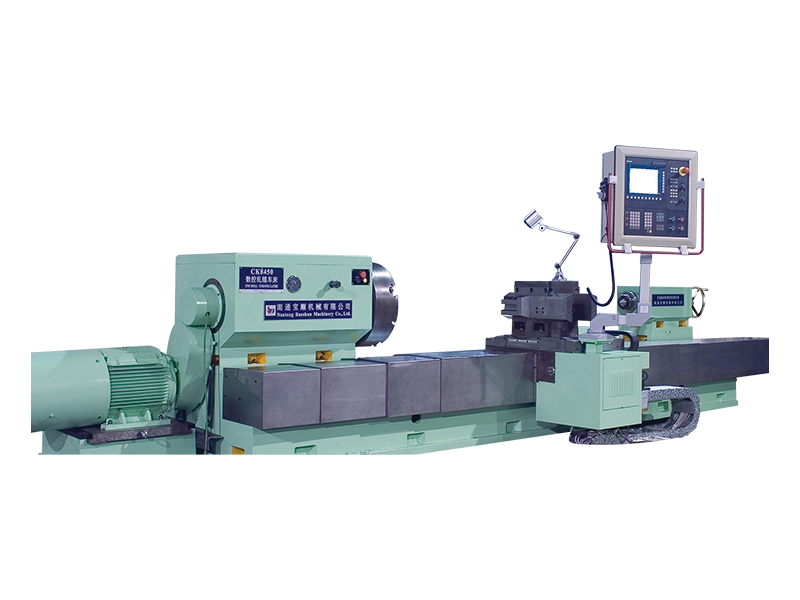
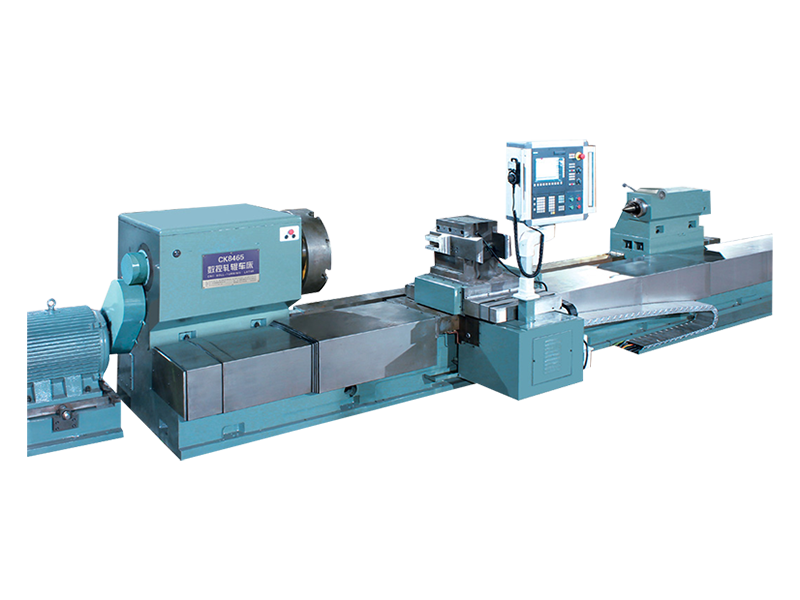
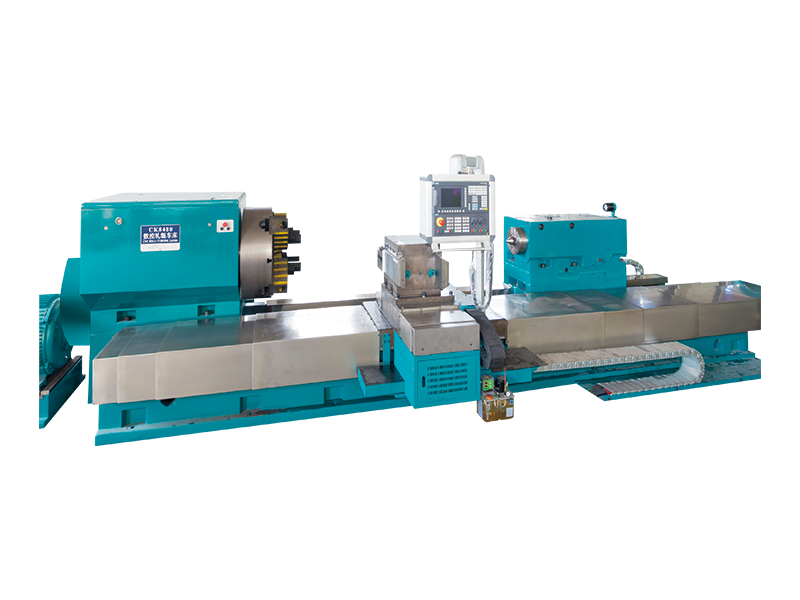
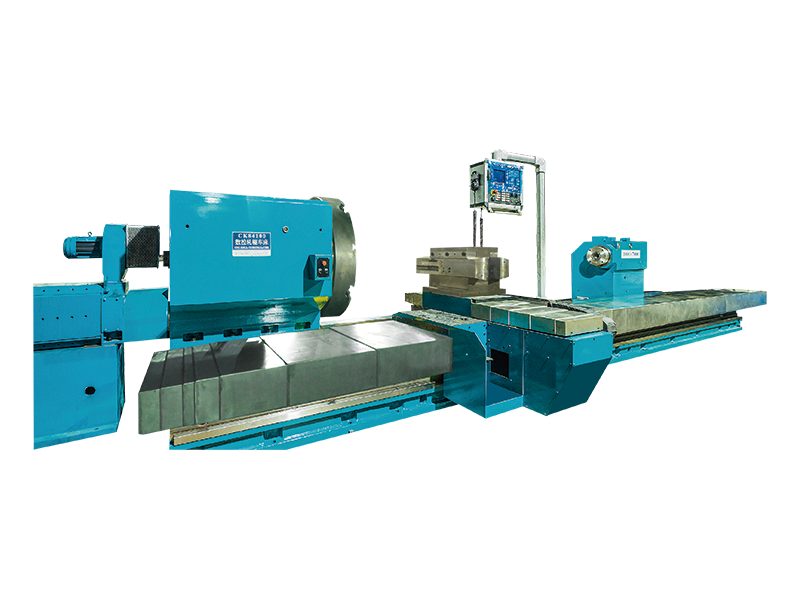
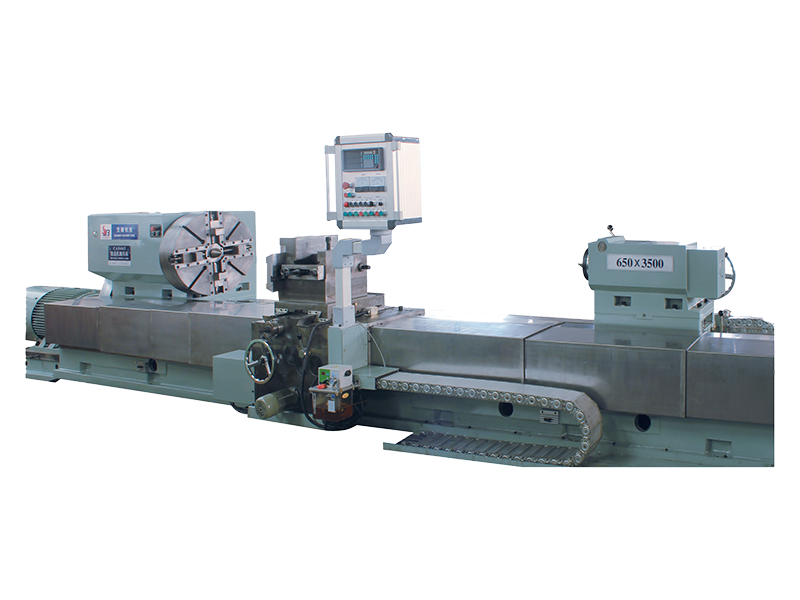
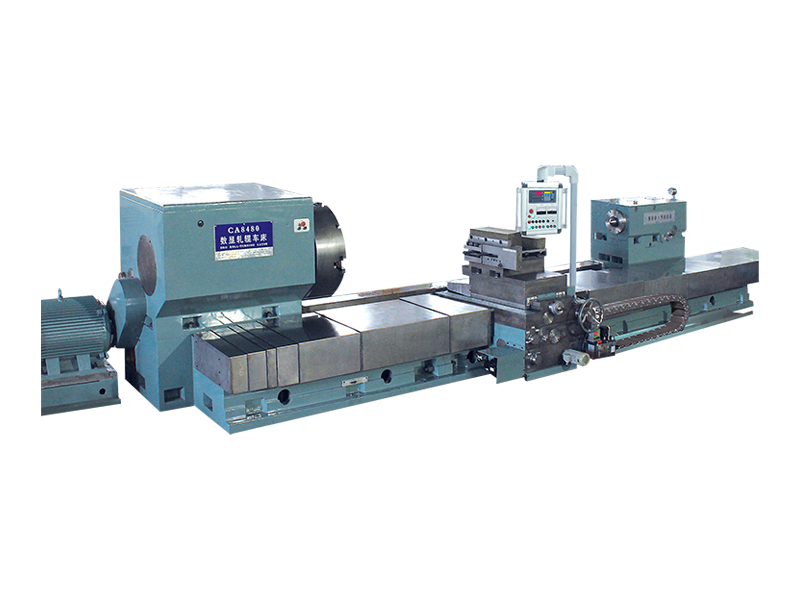
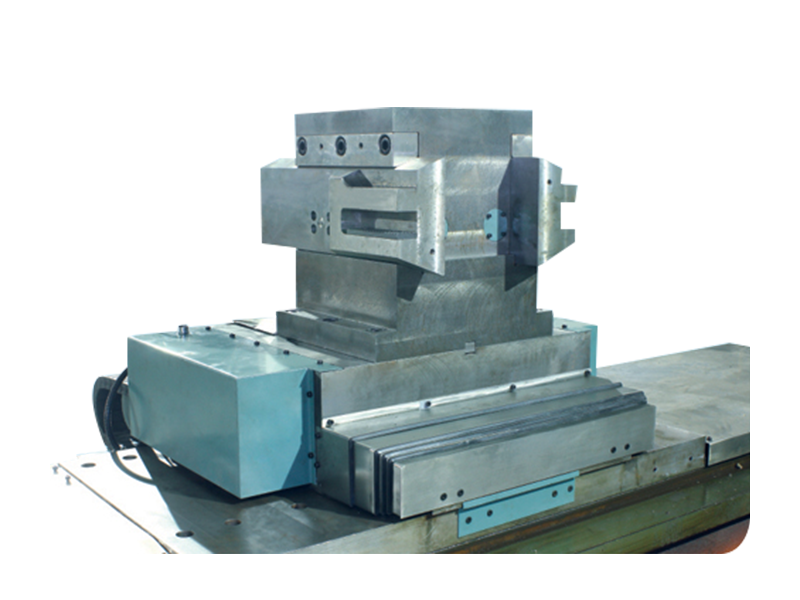 CK8450 CNC Roll Lathe for Multi-Pass Turning of Steel and Cast Iron RollsThis CNC roll lathe is designed for precise multi-pass turning of large steel and cast iron rolls. With MQL spray, it reduces friction and thermal distortion, improving tool life and maintaining consistent roll geometry.View Product →
Our own experience with CNC roll lathe applications supports this principle. Machines like the CK8450 are designed for precise multi-pass turning of steel and cast iron rolls. Paired with a correctly tuned MQL spray, they keep the cutting fluid where it is needed, with no waste and no mess. The result is a measurable improvement in tool life and roll geometry.
Pattern plates and large-profile milled components generate interrupted cuts and heavy chip loads. MQL works with multi-tooth cutters by keeping the edges coated and pushing chips out with compressed air. Because so little oil is deposited, there is no sticky residue to interfere with automatic tool changing or part handling.
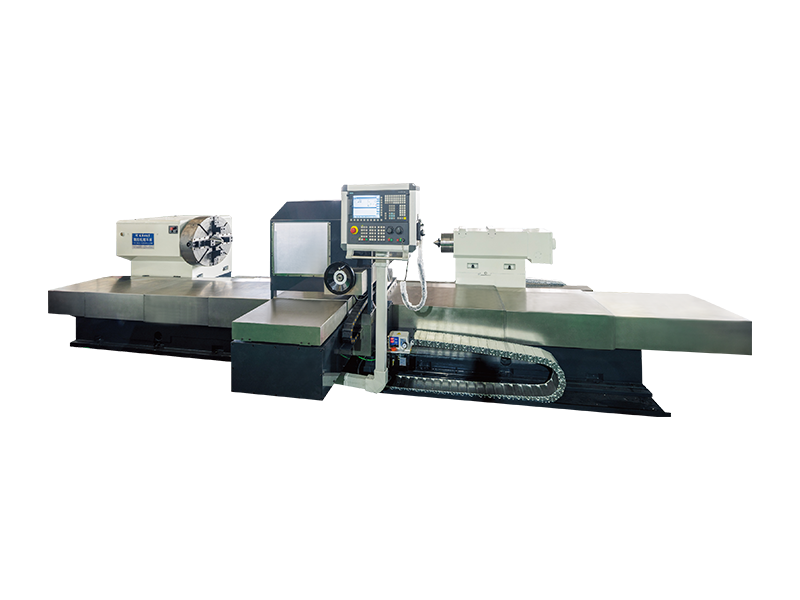
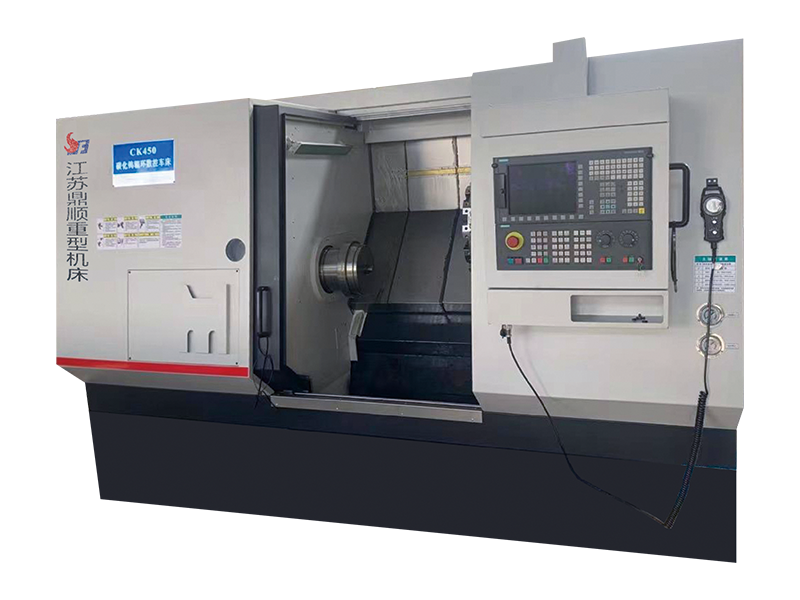
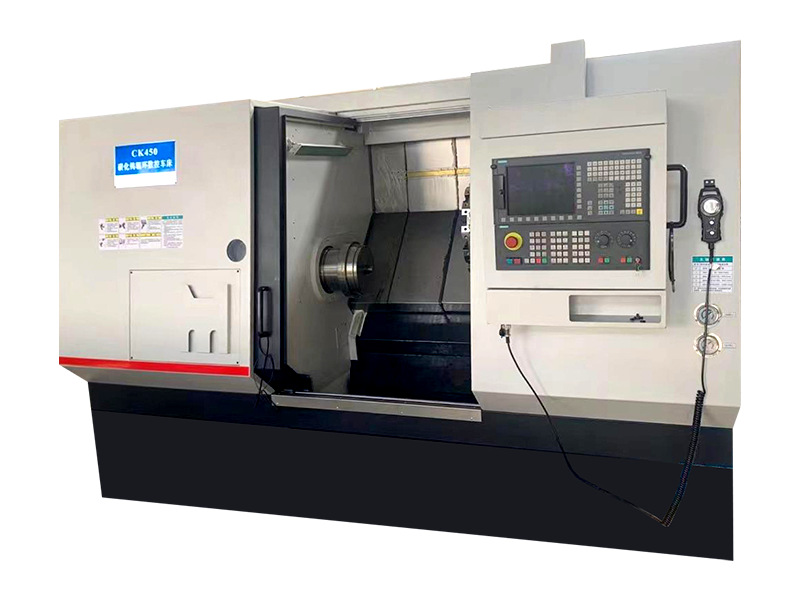
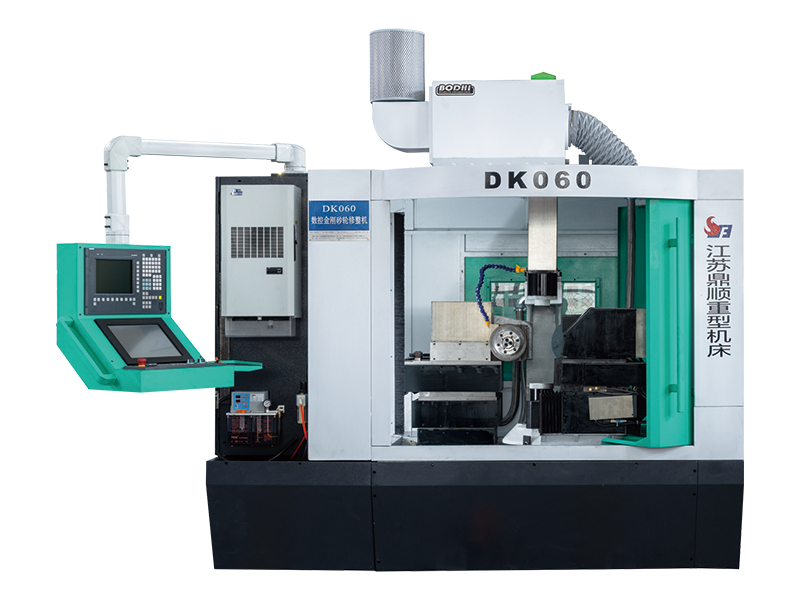
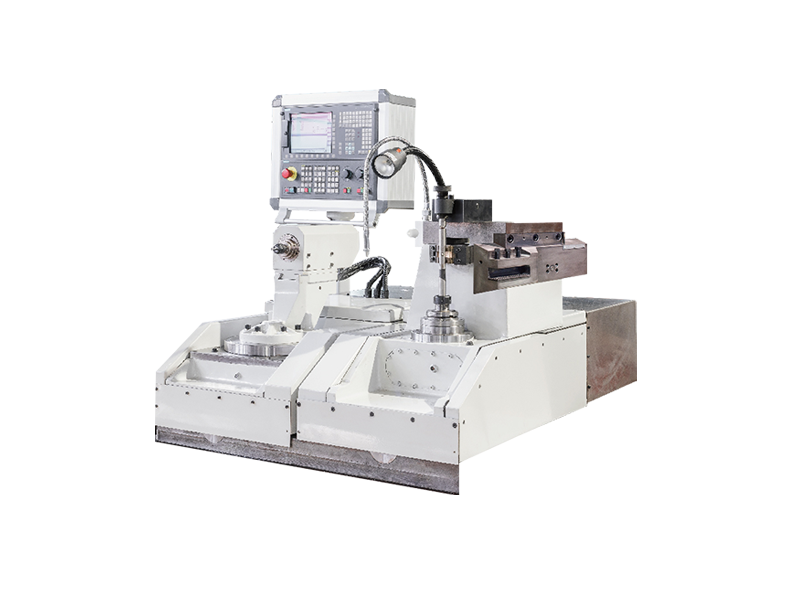 CXK9550 CNC Lathe Turning and Milling Center for Multi-Process Roll MachiningThis turning and milling center handles interrupted cuts and heavy chip loads while supporting cleaner operation with MQL. It automates roll groove machining for nodular iron, tungsten carbide, and high-speed steel rolls.View Product →
The CXK9550 turning and milling machine in our lineup is built around multi-process work. When MQL is added, it supports a cleaner working environment and lower consumable costs while holding the dimensional stability required for pattern plate production.
Grinding has traditionally been the hardest application for MQL because abrasive wheels generate heat across many cutting points, and the swarf is difficult to move with air alone. However, advances in synthetic ester fluids and high-pressure atomizing nozzles have made MQL viable for many roll ring and cylindrical grinding operations.
For roll ring finishing, the benefit is often thermal stability. A compact, low-volume oil mist adds less heat to the workpiece than flood coolant does, reducing the risk of ovality and dimensional drift. Modern rigid grinding machines can compensate for lower cooling capacity with controlled feedrates and spark-out passes.
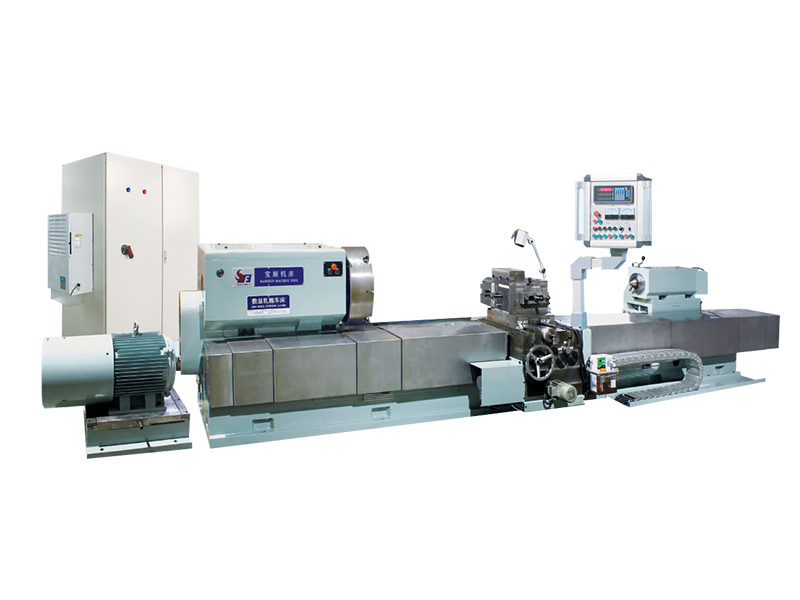
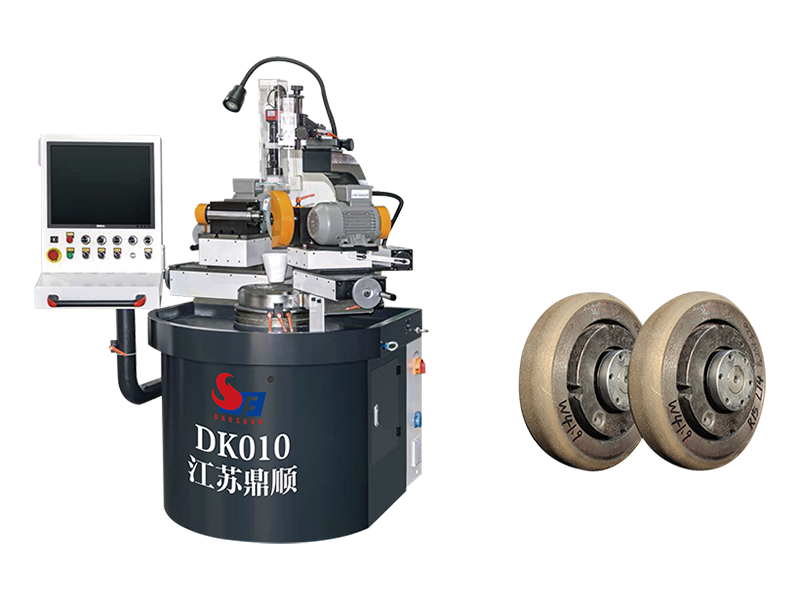
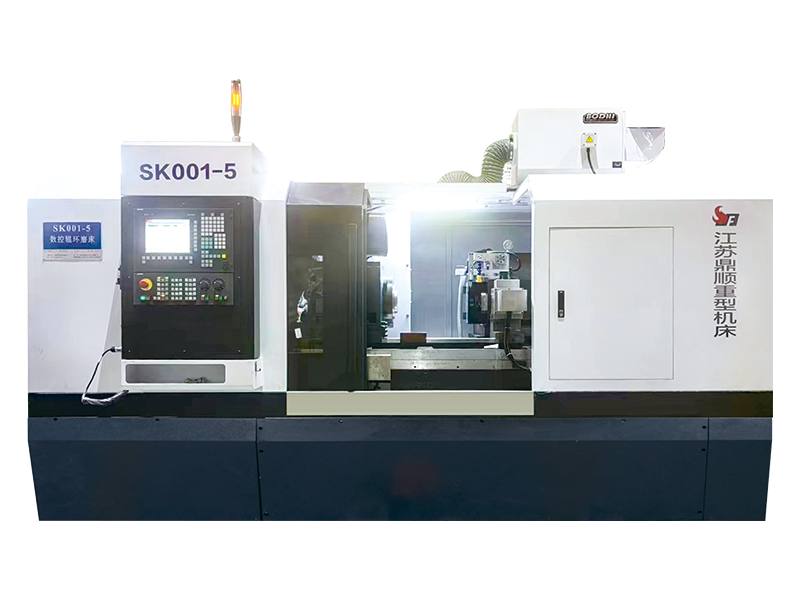 SK001-5 High Rigidity Intelligent CNC Roller Ring Grinding MachineThis grinding machine is built for carbide roller rings with a flexible CNC system and closed-loop control. Its rigidity and smart programming enable stable near-dry grinding cycles, reducing thermal drift and ovality.View Product →
In that context, a machine like the SK0015 high-rigidity CNC roll ring grinder is a strong candidate. Its intelligent control system makes it easier to tune the grinding cycle for near-dry operation.
If you decide to test MQL, fluid chemistry deserves careful thought. Synthetic esters are a popular starting point because they combine high lubricity with thermal resistance. Mineral oils are cheaper but break down faster, and vegetable-based fluids can be sensitive to oxidation.
The delivery system matters just as much. Look for adjustable spraying rates, robust filters, and consistent air pressure. In humid environments, a desiccant drier on the compressed air line prevents water from contaminating the oil. Start conservatively on an operation you know well, then measure the change in tool wear, surface finish, and fluid usage.
Introducing MQL does not require replacing every machine in the shop. A practical approach starts with one operation, one tool, and one month of data.
Operator training matters as well. A nozzle that points two inches off target can ruin the result, so clear instructions and simple position checks make a real difference. It is also important to review chip evacuation, since MQL does not wash chips away with a stream of coolant. Good chip breakers and correct tool geometry are essential.
As a manufacturer of steel-industry machine tools, we routinely help customers through this kind of transition. The complete range of heavy-duty machine tools we supply includes roll lathes, grinding machines, and milling centers that can be configured for MQL-assisted processing. Working with a partner who has practical heavy-machining experience helps you avoid common mistakes.
Minimum quantity lubrication is no longer a niche experiment. In heavy machining, it offers real reductions in fluid cost, waste, maintenance burden, and environmental exposure. The key is pairing the right machine, the right fluid, and the right application method together.
At Jiangsu Dingshun Heavy Duty Machine Tool Co., Ltd., we build heavy-duty equipment around real production challenges. If you are evaluating MQL for roll machining, grinding, or pattern plate milling, take the time to test it on your own components. With the right setup, MQL becomes a straightforward win for your shop floor, your budget, and your operators.

 Download Material

 E-mail: [email protected]
  Mob: +86-13806297906
  Tel: +86-513-85562198
  Add:No. 99 Tiantong Road, Nantong City, Jiangsu Province.
Factory scene


Copyright@ Jiangsu Dingshun Heavy duty Machine Tool Co., Ltd. All Rights Reserved.




 English
  русский
  Español
  عربى
عربى