During a routine inspection on a five-stand tandem cold mill, the operator notices hairline chatter marks across the strip from the last two stands. Edge drop is drifting, and the surface finish no longer meets the automotive-grade specification. The rolls are pulled, and the diagnosis is familiar: worn work-roll profiles, inconsistent roughness, and a roll shop that cannot keep pace with the rolling program. In plants around the world, the same scenario repeats — not because the mill itself is faulty, but because the supporting services around it have become the bottleneck. The conclusion is simple: cold reduction mill services determine how much usable strip a mill produces.
Content
A cold reduction mill reduces hot-rolled strip to final gauge at room temperature, which means high rolling pressures, high line speeds, and tight thickness and shape tolerances. Under those conditions, work rolls, backup rolls, sleeves, and roll rings wear in ways that directly affect product quality. A service program that only reacts to failures will always be behind. A complete program covers roll reconditioning, chock and bearing maintenance, mill component repair, and the measurement routines that keep every intervention traceable.
| Service area | Main purpose | Typical effect |
|---|---|---|
| Roll turning | Remove the worn surface layer and restore the roll profile before finish machining | Longer campaign life and fewer roll changes |
| Roll grinding | Establish final diameter, roughness, and concentricity | Consistent strip surface and gauge control |
| Chock and bearing service | Restore clearances and eliminate vibration sources | Lower unplanned downtime at the mill |
| Mill component repair | Bring screwdowns, guide boxes, and cylinders back to original tolerances | Stable gap control and tighter thickness tolerances |
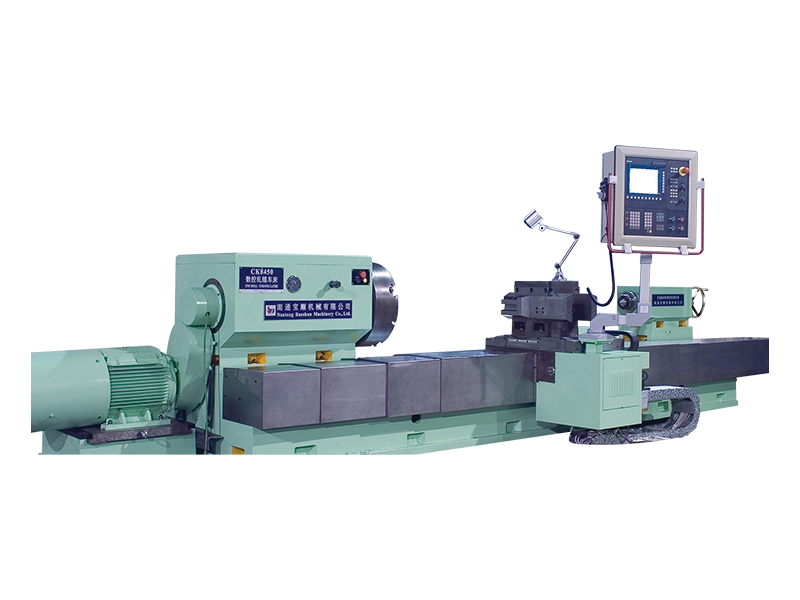
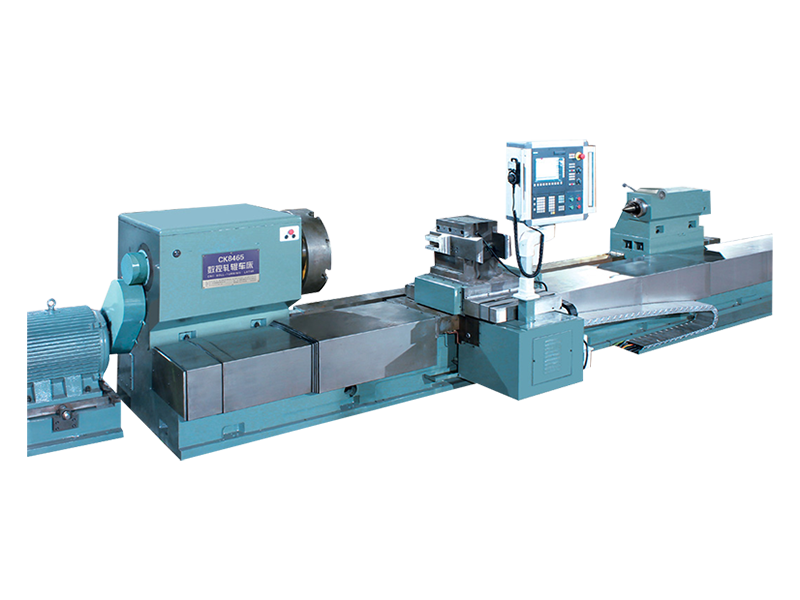
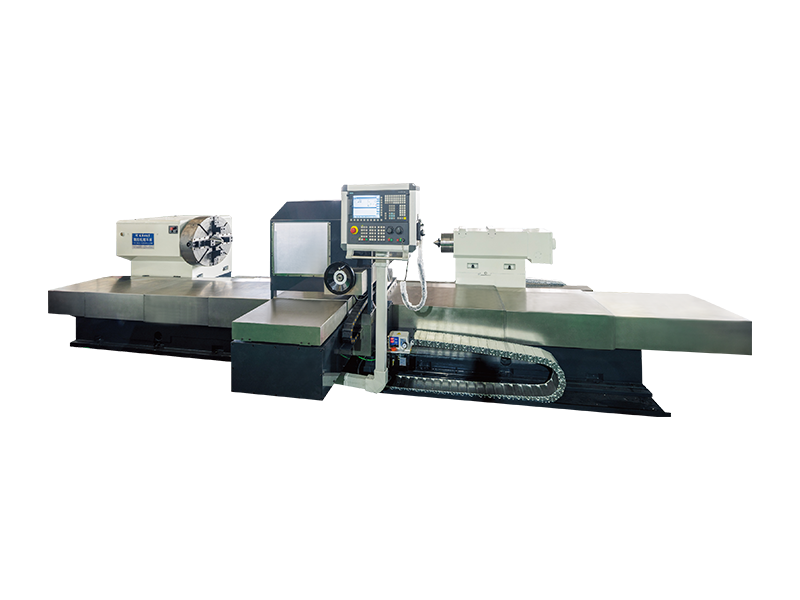
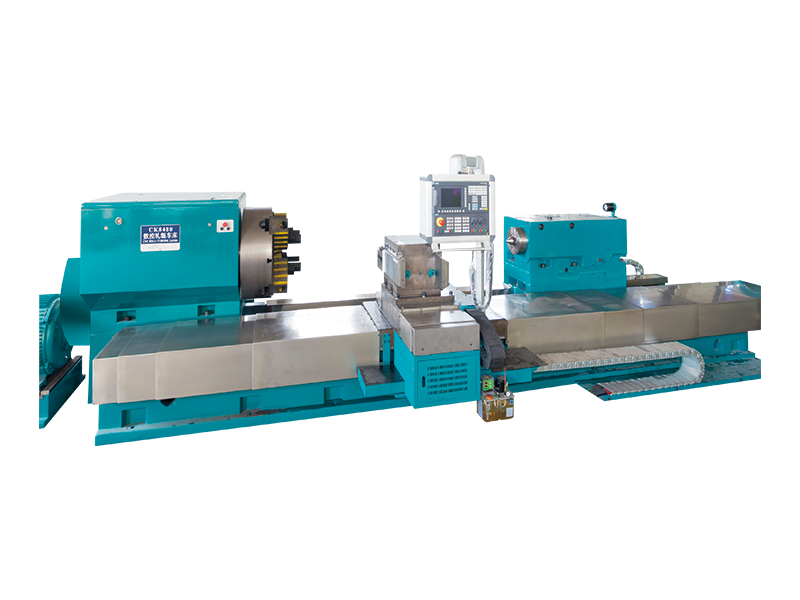
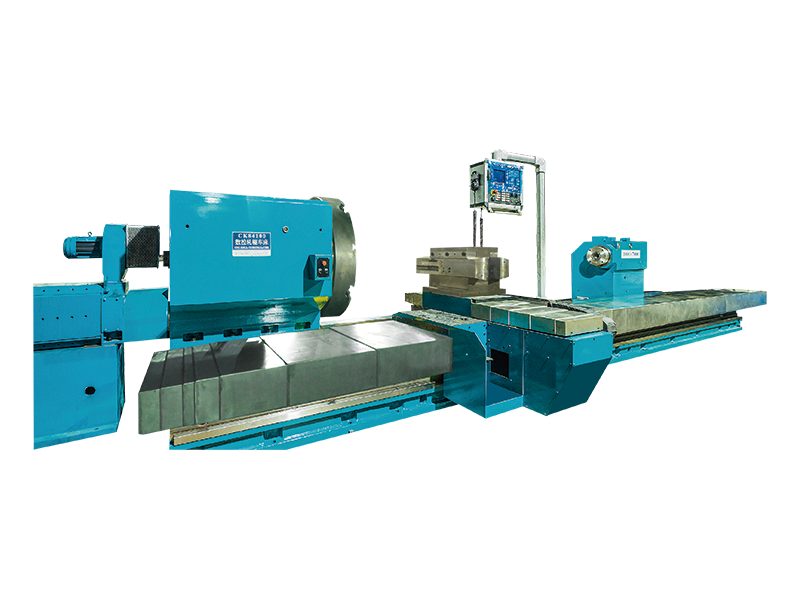
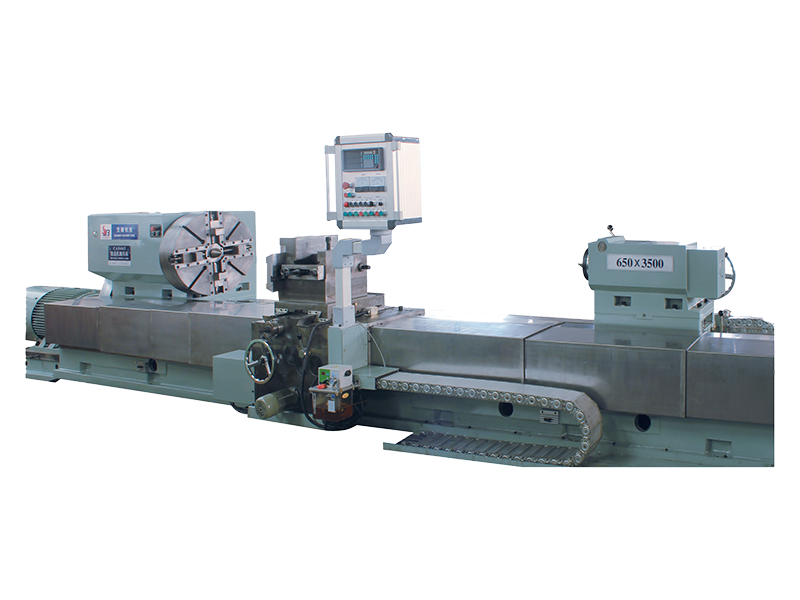
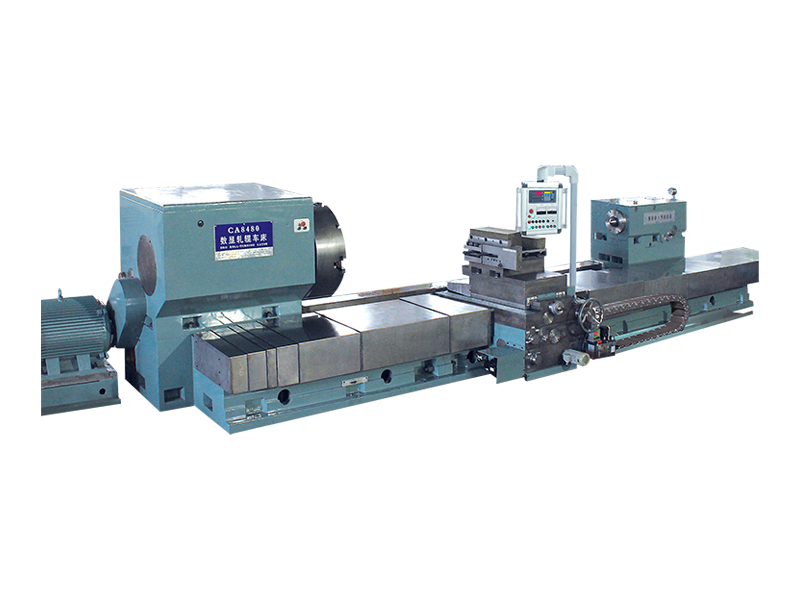
Roll reconditioning usually starts on a lathe. Turning removes the worn, work-hardened layer and re-establishes a true geometric reference for the grinding stage that follows. For large work rolls and backup rolls, the challenge is not speed but rigidity. A roll weighing tens of tons, supported between centers or on steady rests, must be machined without deflection across its full barrel length. This is where heavy-duty CNC roll lathes for accurate diameter and surface finishing make the measurable difference between a roll that returns to service quickly and one that carries hidden taper into the grinding operation.
CNC control adds another layer of reliability. Once a roll profile is programmed — including crown, taper, or special contours — every pass repeats within the same limits, independent of operator fatigue or manual skill. A modern cold-mill roll shop therefore builds its reconditioning line around a large-capacity CNC lathe that can swing and support the heaviest rolls used in the plant.
For mills whose work rolls reach the upper end of the size range, this model is the workhorse choice: enough swing to cover large diameters, rigid steady rests, and automated cycles that keep turning time predictable. The result is a roll that arrives at the grinder with the correct profile and a consistent layer of material removed — nothing more, nothing less.
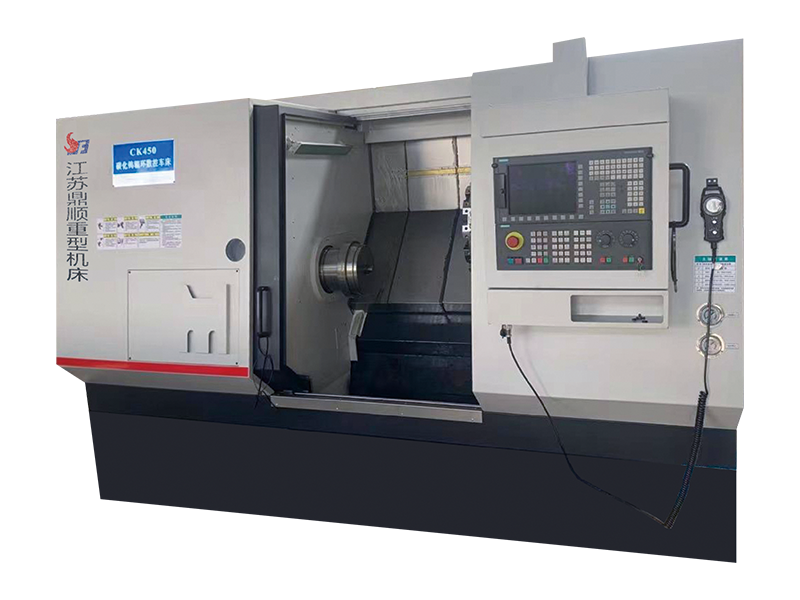
Work rolls are not the only elements that need reconditioning. Roll rings — the shrink-fitted or mechanically locked rings used on several mill stand designs — wear differently and require separate handling. Sleeves, shaft extensions, and the intermediate rolls of six-high mills also need profile accuracy, but in a narrower envelope. These components are prone to vibration during cutting because their section is stiff while their gripping area is limited. A high-torque CNC roll ring lathe solves this by combining rigid clamping with the control needed to machine hard ring materials without chatter.
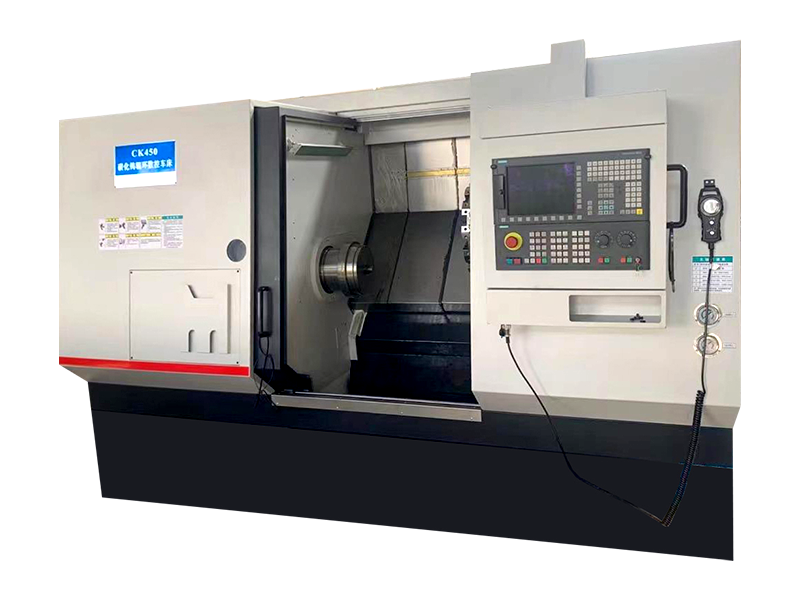 CK620 Heavy Duty CNC Roll Ring Lathe for High Torque MachiningThis lathe addresses vibration and chatter when machining stiff roll rings with limited gripping area, combining rigid clamping and high torque for hard ring materials. It suits shops needing precise ring reconditioning without full CNC programming for standard rolls.View Product →
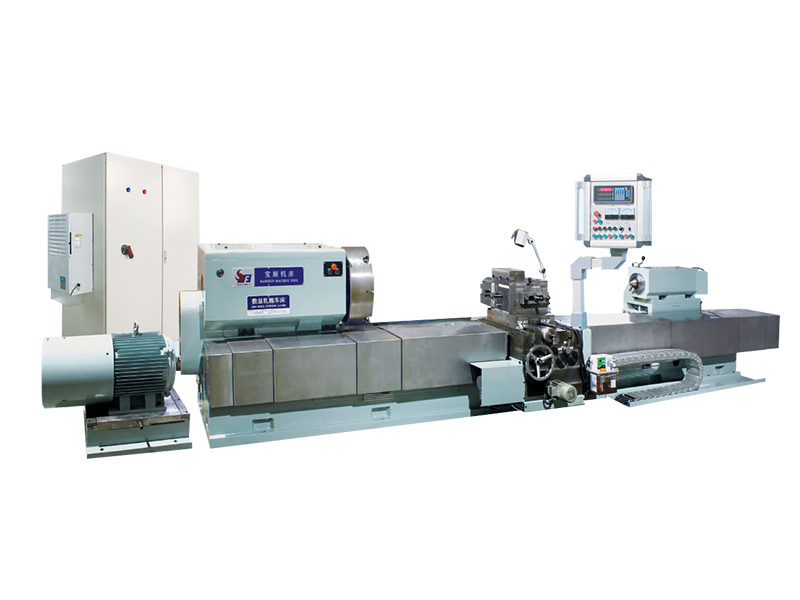
The CK620 is built around torsional stiffness and shock absorption, so interrupted cuts in hard materials do not degrade the machined surface. For shops that also machine standard cylindrical rolls and want to avoid the cost of full CNC programming, digital display roll lathes offer a practical alternative: their readout systems keep diameter and length accurate while the operator retains direct manual control.
Turning restores shape; grinding restores surface. After a roll or roll ring is turned, the grinding stage controls the last few microns of tolerance — roughness, straightness, and roundness. For cold mills producing exposed automotive or appliance surfaces, a small variation in roll roughness transfers directly to the strip. Automated grinding cycles remove the guesswork, and the machine repeats the same feed and spark-out behavior from part to part.
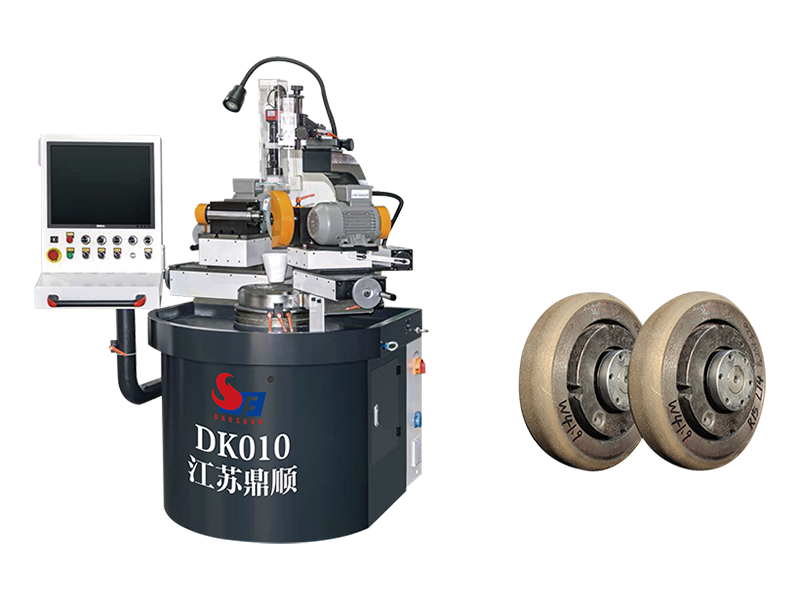
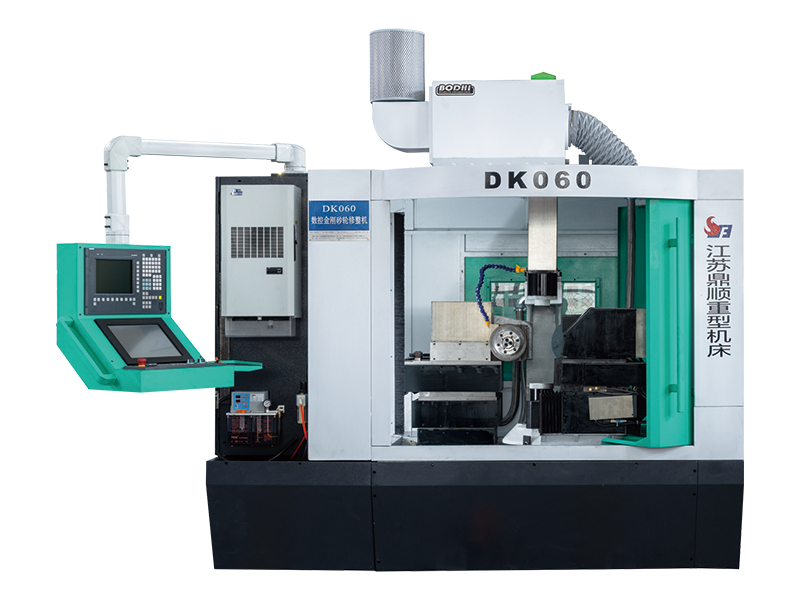
A vertical CNC roll ring grinding machine is a common choice for ring reconditioning because the vertical orientation simplifies loading and the CNC can manage multiple diameters and face positions in a single setup.
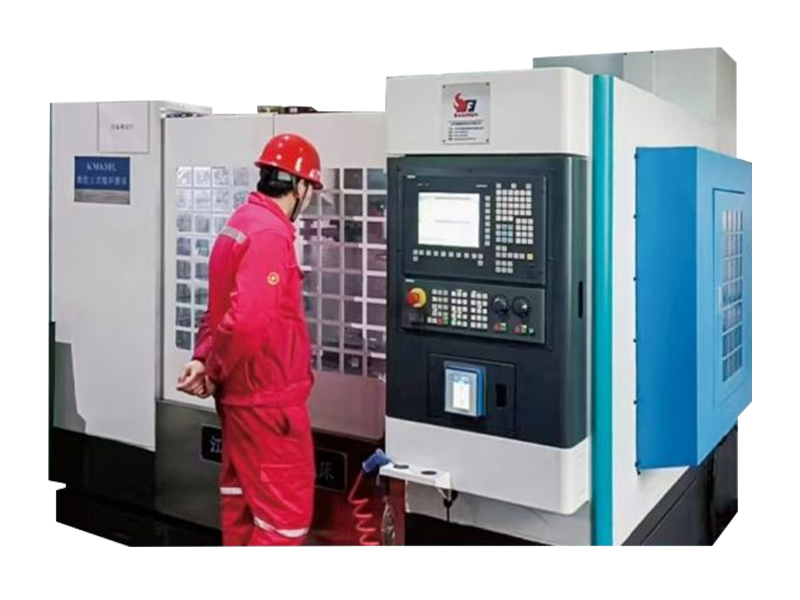 MK630L Vertical CNC Roller Ring Grinding MachineA vertical grinder designed for coarse to non-spark grinding of tungsten carbide rings, featuring a fully enclosed shell for noise reduction and a self-centering hydraulic fixture. It improves efficiency and setup compared to traditional horizontal machines.View Product →
On a machine of this class, the operator positions the ring once, selects the grinding program, and the spindle and wheel handle the rest. The measurable result is consistent surface finish across a whole batch of rings, which means the downstream mill sees the same behavior from every roll change.
Whether a plant builds an in-house roll shop or outsources the work, the same questions apply. The quality difference between service offers usually comes from the machines behind them.
The answers matter because cold reduction mill services have a direct financial effect. A roll that is turned and ground to specification returns to the mill and produces more tons between campaigns. A chock rebuilt with correct clearances prevents mill vibration and strip-quality excursions. This is why we publish machine specifications, application notes, and service experience on our company site rather than treating them as proprietary: equipment reliability and service depth go hand in hand.
Measured over a full campaign, well-executed roll services show up in the plant's cost per ton.
Cold reduction mill services are not a commodity purchase. They are an engineering process that ties machine capability to production results. The mills that run the most profitable campaigns are usually the ones whose roll shops — whether in-house or contracted — treat turning, grinding, and maintenance as one continuous discipline. Start by auditing the equipment that performs those services. In most cases, the bottleneck is not the mill; it is the quality and consistency of the tooling behind it.

 Download Material

 E-mail: [email protected]
  Mob: +86-13806297906
  Tel: +86-513-85562198
  Add:No. 99 Tiantong Road, Nantong City, Jiangsu Province.
Factory scene


Copyright@ Jiangsu Dingshun Heavy duty Machine Tool Co., Ltd. All Rights Reserved.




 English
  русский
  Español
  عربى
عربى