Running a long product rolling mill project is never only about steel, stands, and motors. It is about bringing together dozens of engineering disciplines, hundreds of equipment choices, and a commissioning schedule that leaves no room for surprises. When plant owners look for a long product rolling mill project contractor, they often focus on line design, furnace supply, and mill stands. Yet after years of serving steel producers across China and other markets, we have learned that the real test of any project partner shows up in the details — especially the precision machining that keeps rolls and rings producing day after day.
Content
A long product rolling mill project contractor is, first, an integrator. The role begins with process design: calculating reductions, pass schedules, cooling rates, and speeds for bars, rods, sections, or wire rod. From there, the contractor selects the reheating furnace, roughing and finishing trains, shears, cooling beds, and bundling equipment. Electrical and automation systems, hydraulic systems, and utility connections must all converge on a single reliable line.
The best contractors do not simply deliver hardware. They manage interfaces between suppliers, supervise civil works, and lead installation and commissioning. They also train the mill team and stay available for performance tuning. But even the most complete proposal can miss one crucial support function: the roll shop. No matter how well the main line is designed, the mill cannot sustain production unless rolls are turned, ground, and notched with precision. Experienced contractors therefore include roll shop machines in their planning, or partner with specialists who can supply them. That is why a growing number of owners now ask about CNC roll lathes and related equipment before they sign.
Roll dressing quality has a direct effect on product quality. A worn or poorly machined roll creates surface defects, dimensional drift, and inconsistent mechanical properties across the bar or rod. In high-speed wire rod mills, small errors in roll ring profiles can multiply into vibration, pass creep, and premature ring failure.
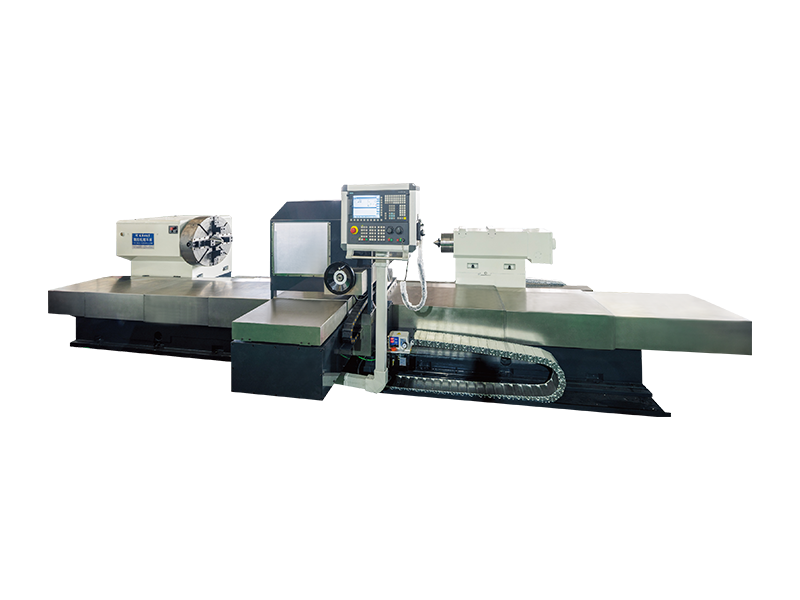
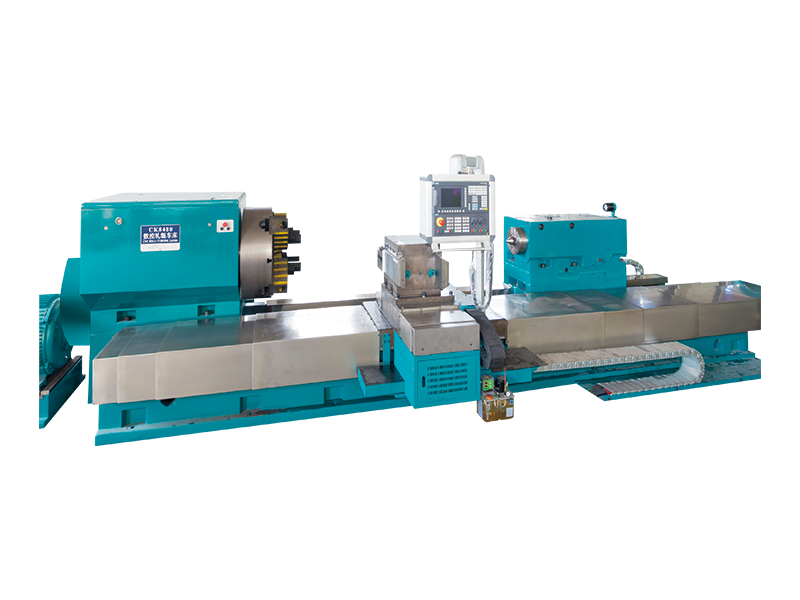
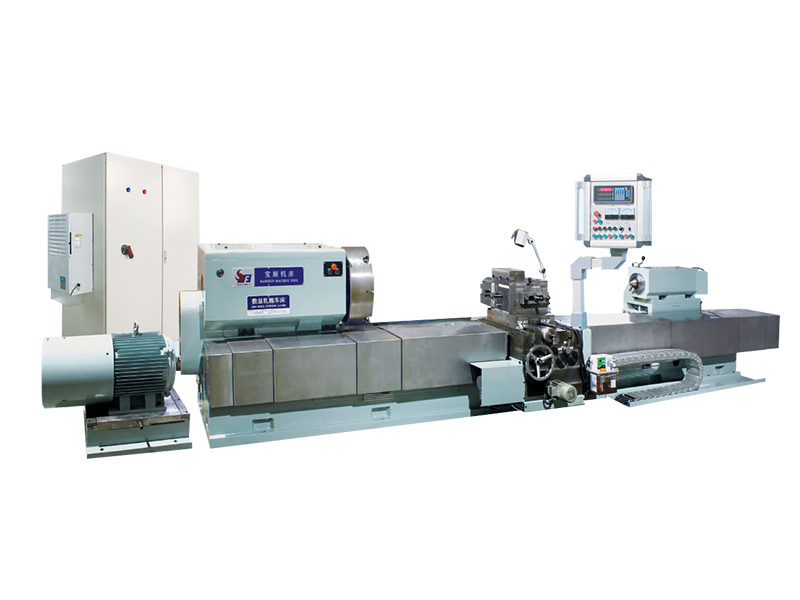
Modern long product mills use a mix of cast iron, forged steel, high-speed steel, and tungsten carbide rolls. Each material demands different cutting parameters, tooling, and machine rigidity. This is why generic machine tools often fail in roll shops. A purpose-built CNC roll lathe, for example, is designed to handle the length, diameter, and weight of a roughing roll while maintaining the accuracy needed for complex pass profiles.
We have seen projects where the equipment list mentioned only the main production line. Later, the roll shop became a bottleneck because a lathe that was never sized for the job could not produce acceptable profiles. That is a pain point we understand intimately from our work with steel plants.
To avoid that bottleneck, project teams should map out roll shop requirements early. The table below outlines the common machine categories we supply to long product mills.
| Machine type | Main application | Why it matters in a long product mill |
|---|---|---|
| CNC roll lathe | Turning new rolls and reconditioning worn rolls | Restores pass profiles quickly and accurately |
| CNC roll ring lathe | Machining roll rings for high-speed rod and bar mills | Maintains tight dimensional control on composite rings |
| CNC roll ring grinder | Fine grinding of tungsten carbide and HSS rings | Delivers the surface finish needed for final stands |
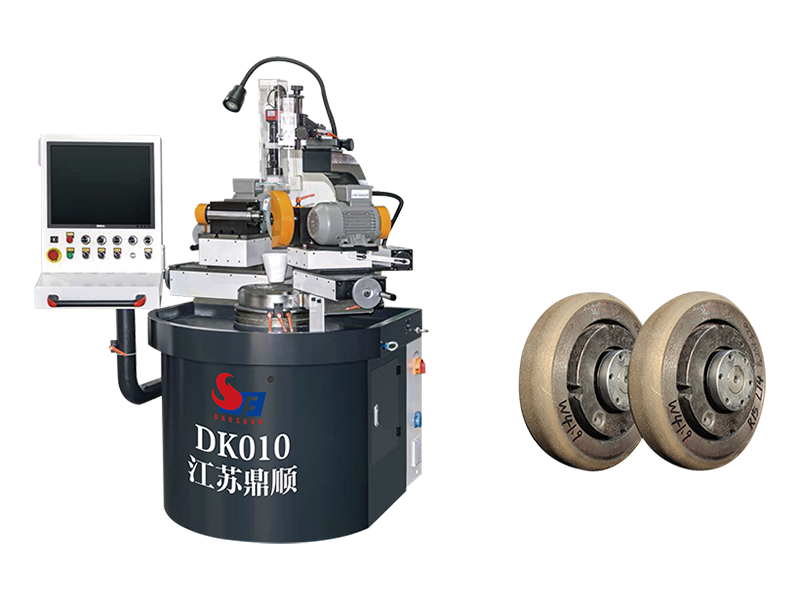
| Diamond wheel dresser | Profiling grinding wheels in the roll shop | Keeps grinding accuracy and reduces wheel cost |
| CNC roll notching machine | Cutting crescent grooves on rolls | Essential for rebar mills with periodic grooving |
| CNC pattern milling machine | Milling pattern plates for special sections | Supports niche long products with decorative or anti-skid patterns |
The exact selection depends on product mix and roll material. A plain rebar mill focuses on notching and roll turning; a high-speed wire rod mill relies more on roll ring lathes and ring grinders. A section mill may need heavy-duty roll lathes plus profile milling capability.
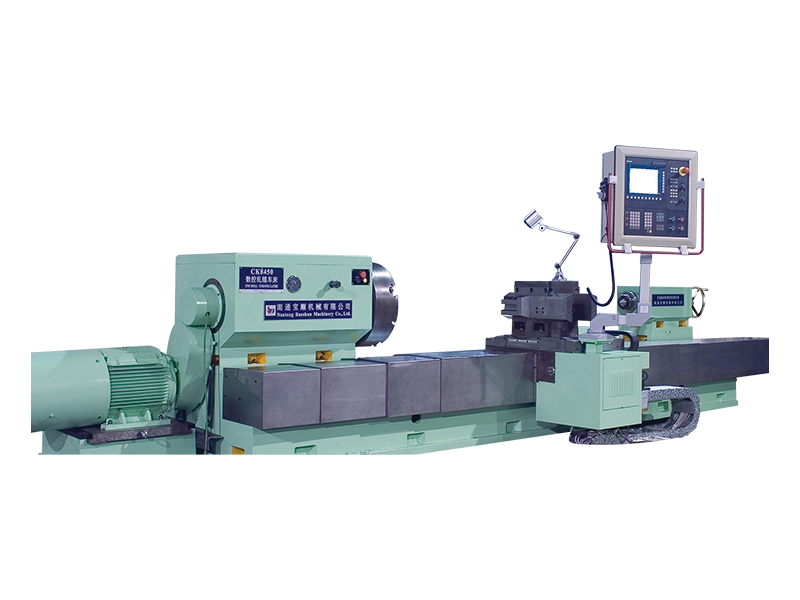
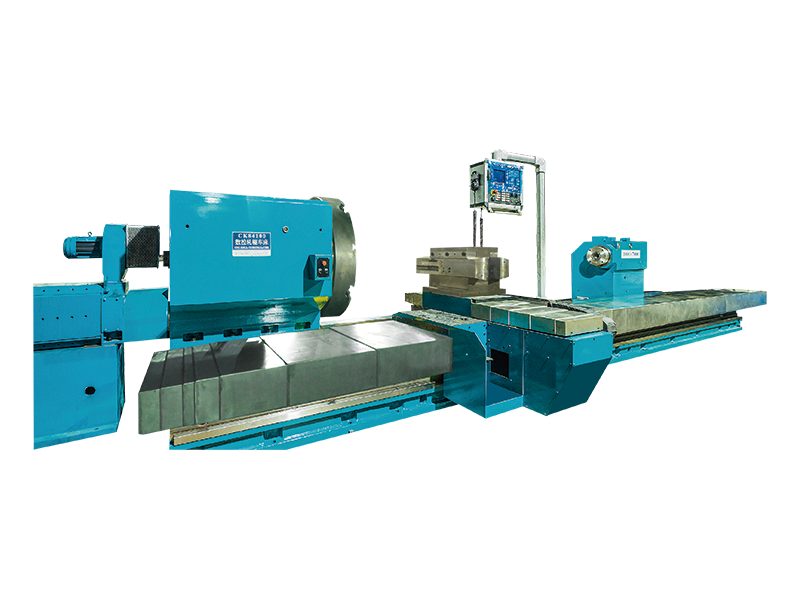
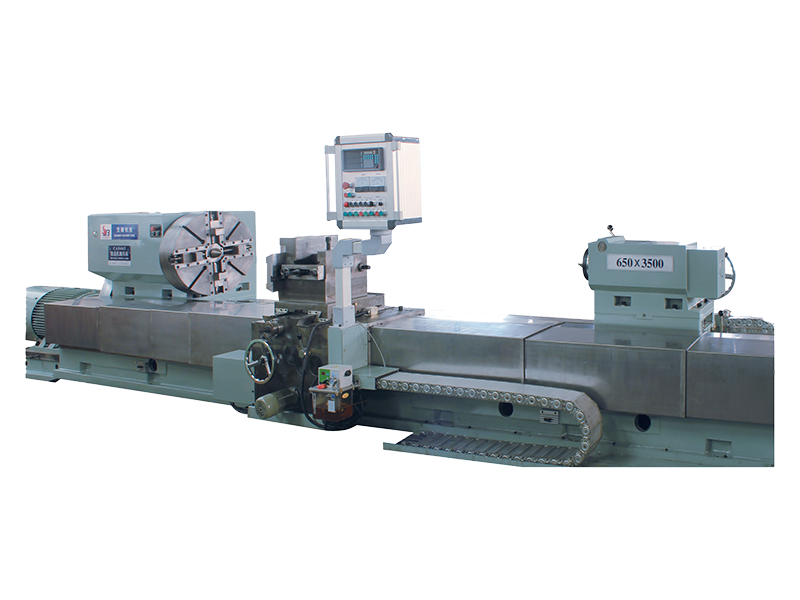
For large-diameter rolls used in roughing stands, our CK84125 CNC roll turning lathe is a proven workhorse, with high torque and the rigidity to take deep cuts in hardened rolls.
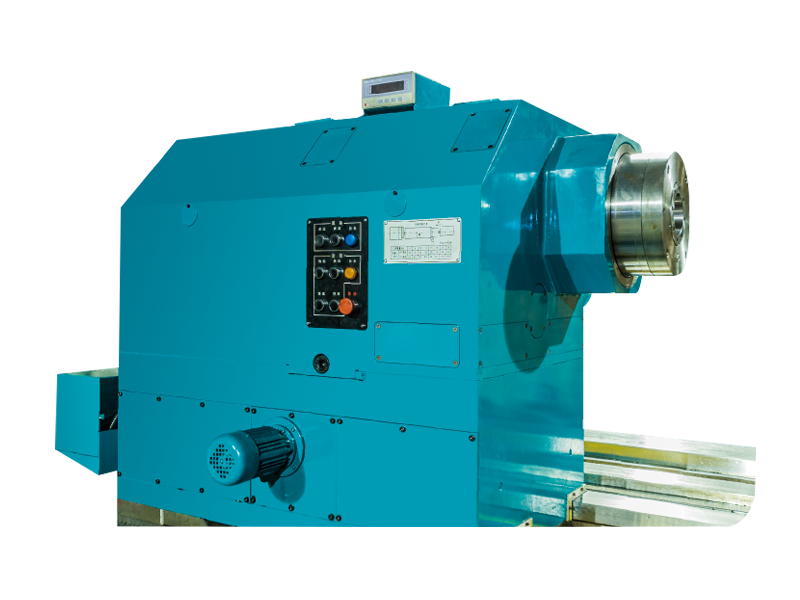 CK84125 CNC Roll Turning Lathe for Heavy-Duty Roughing ApplicationsDesigned for large-diameter rolls in roughing stands, this lathe offers high torque and rigidity for deep cuts on hardened rolls, while supporting semi-finishing and finishing turns with integrated precision guideways.View Product →
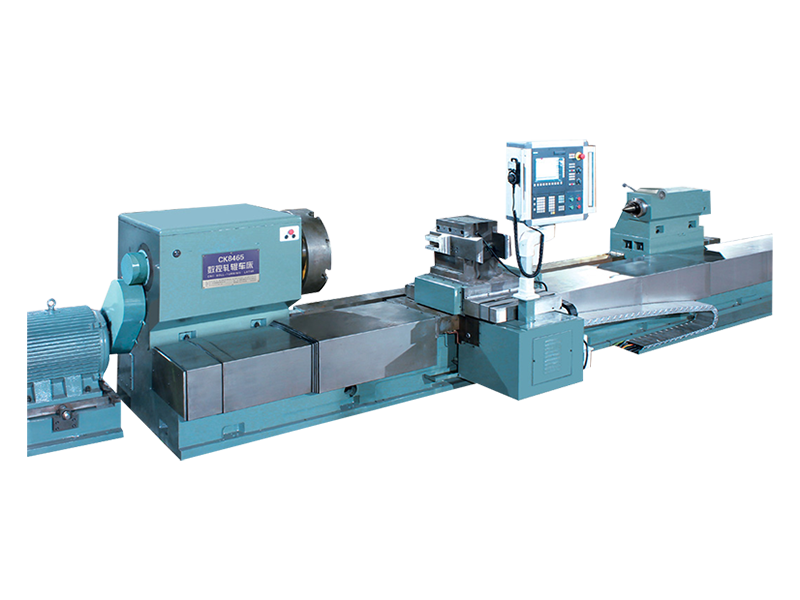
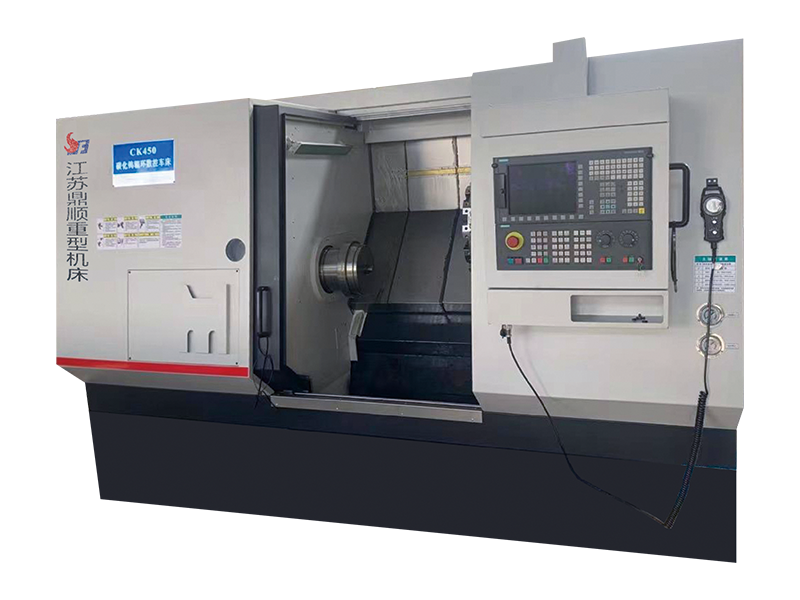
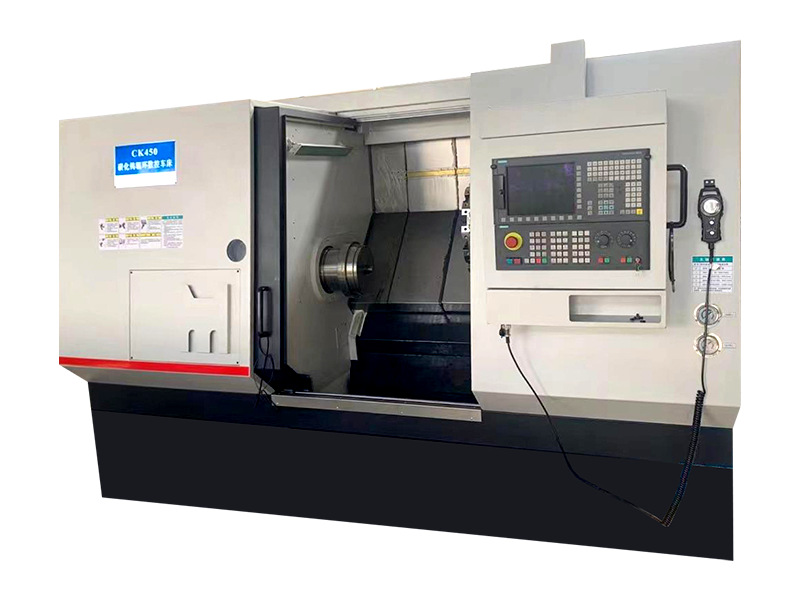
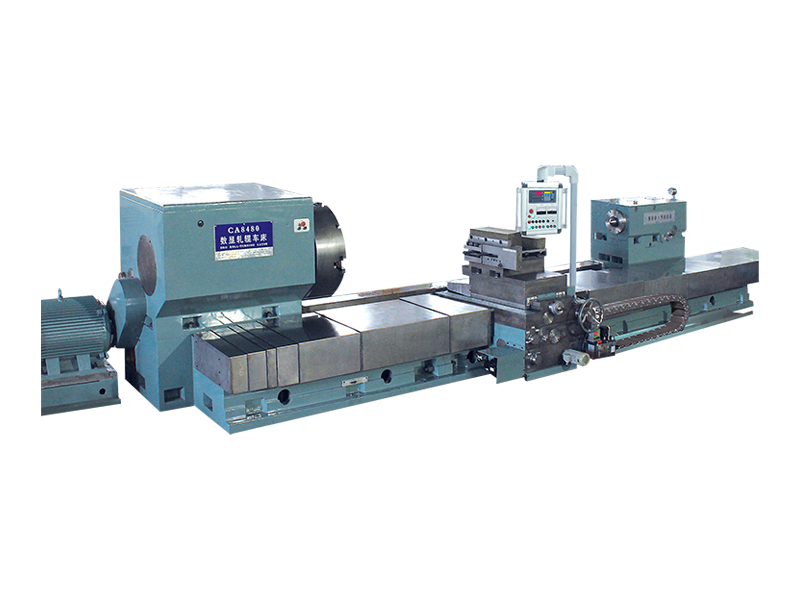
Similarly, roll rings for finishing stands demand a machine that combines accurate profiling with the torque that prevents chatter. Our CK620 heavy-duty CNC roll ring lathe was built for that environment.
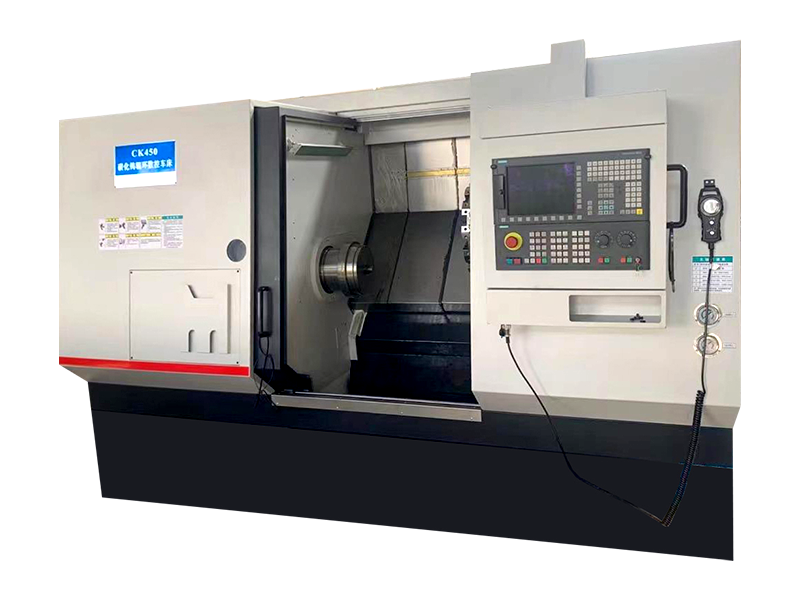 CK620 Heavy-Duty CNC Roll Ring Lathe for Finishing StandsBuilt for finish-stand roll rings, this heavy-duty lathe delivers accurate profiling and torque to prevent chatter, making it ideal for machining and repairing complex groove faces on rolls.View Product →
Mill owners often ask us what they should check before signing with a project contractor. From our experience, these questions separate solid partners from risky ones:
These questions reveal whether the contractor truly understands the production flow. In our own projects, we have seen how proper training and after-sales support make the difference between a smooth ramp-up and prolonged trouble. We regularly support customer onsite commissioning and operator training to close that gap.
Choosing a long product rolling mill project contractor is ultimately about reducing risk. A partner with strong engineering, project management, and procurement experience can bring the whole line together. But the partner that also understands roll tooling and machining closes the last gap.
At Jiangsu Dingshun Heavy Duty Machine Tool, we have spent more than two decades building heavy-duty machine tools for steel plants. Our product line covers CNC roll lathes, CNC roll ring lathes, CNC roll grinders, diamond wheel dressers, and roll notching machines. We work with project contractors and mill owners to select, install, and maintain the right equipment for each stage of the rolling process.
We also know that commissioning rarely goes perfectly, so we make a point of supporting customers on site. Our engineers help with setup, calibration, test runs, and operator training. This hands-on approach has proven itself in numerous steel mills. That is why a project contractor that includes a dedicated equipment partner can reduce start-up risk and get production to target faster.
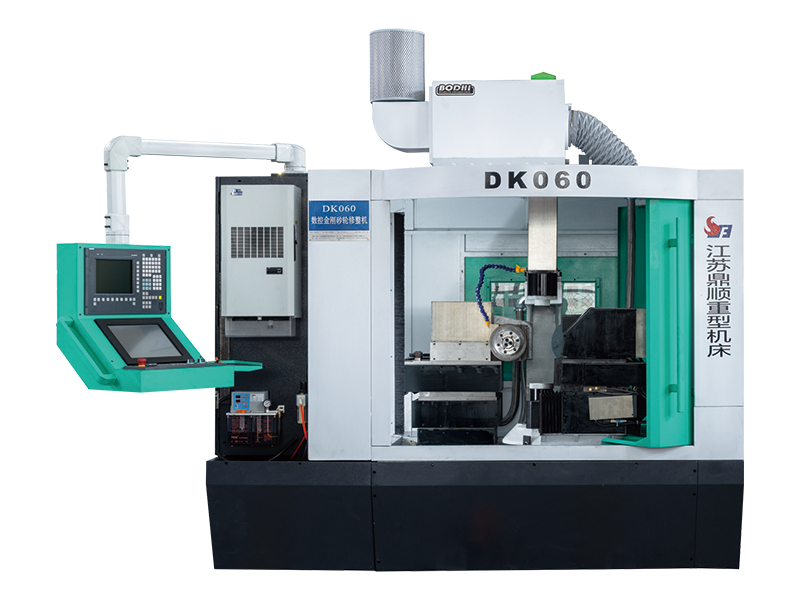
For rebar mills, a reliable CNC roll notching machine reduces changeover time and keeps grooved passes accurate. Our XK8460H heavy-duty roll crescent groove milling machine is designed exactly for that task.
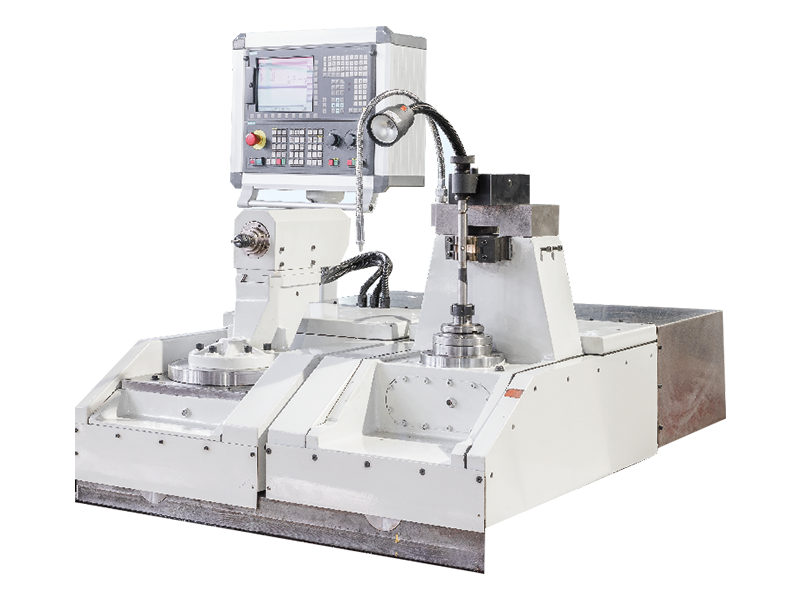 XK8460H Heavy-Duty CNC Roll Crescent Groove Milling MachineDeveloped for milling large crescent grooves on high nickel-chromium rolls, tungsten carbide rings, and high-speed steel rolls, it supports through and spiral grooves with six-axis CNC control.View Product →
For wire rod mills, the combination of a high-torque roll ring lathe and a precision ring grinder ensures that carbide rings are dressed without micro-cracks, extending ring life and improving surface quality.
Selecting a long product rolling mill project contractor is one of the most consequential decisions a steel producer will make. Look beyond the glossy proposal and examine how the contractor approaches the full production chain — including the roll shop. With the right machinery partner beside you, you can start up faster, roll longer, and finish stronger.

 Download Material

 E-mail: [email protected]
  Mob: +86-13806297906
  Tel: +86-513-85562198
  Add:No. 99 Tiantong Road, Nantong City, Jiangsu Province.
Factory scene


Copyright@ Jiangsu Dingshun Heavy duty Machine Tool Co., Ltd. All Rights Reserved.




 English
  русский
  Español
  عربى
عربى