A mill shutdown because of a cracked roll costs more than just the downtime. When that roll was scheduled for reconditioning but the maintenance plan fell behind, the chain reaction affects casting, rolling, and finishing operations. Most rolling mills do not have a shortage of maintenance work, but they frequently lack a clear roll maintenance program that aligns equipment capabilities with production priorities. A formal program changes the question from "which roll fails next" to "which roll gets service before it fails, and which machines perform that service reliably."
A practical roll maintenance program is not a wall of procedures. It is a decision framework that helps a steel plant protect its highest-value rolls, schedule the right service at the right time, and pick the machine tools that can actually restore a roll to its intended tolerance and surface condition.
Content
Unexpected roll failures are often a symptom of an informal maintenance approach. If rolls are only replaced when a crack appears or a surface defect is detected, the mill absorbs the full impact on production, product quality, and inventory costs. The alternative is to plan for roll wear, track it systematically, and provide the equipment needed to counteract it before it disrupts a rolling schedule.
A roll is not a consumable in the same sense as a cutting insert or a bearing. It is a heavy, high-value component whose service life depends on several interacting factors: rolling load, speed, temperature, material composition, and the quality of reconditioning work. Realistic maintenance planning begins with tracking these variables for every critical roll in the line. Without a record of roll history, every maintenance decision is approximate, and the consequences of that approximation can reach the output of the whole mill.
One example: a work roll that is not monitored closely may develop a surface defect that is still small enough to be corrected by a light grinding pass. If it is caught late, the same roll requires far more material removal, which shortens its usable diameter, reduces the number of reconditioning cycles remaining, and ultimately makes replacement necessary sooner. A properly run roll maintenance program changes this pattern by setting inspection intervals based on real operational data rather than a vague schedule that is too easily pushed aside.
Converting from run-to-failure behavior to planned maintenance gives a mill a predictable view of roll availability. In a heavy steel environment, every unexpected roll change has a cost that extends beyond the maintenance crew. The shutdown may also interrupt a tandem line, delay the casting schedule, or require additional re-heating of slabs. With a planned program, these events become part of the mill's operating calendar instead of emergencies that consume management time every week.
A sound program is not copied from another plant. It takes into account the roll population, the specific wear patterns of the mill, the available machining capacity, and the commercial constraints of the product being rolled. The core structure generally includes four elements: roll inventory and classification, maintenance strategy selection, inspection and condition monitoring, and execution with dedicated equipment.
The first step is to know which rolls carry the highest risk. A roll may be critical because it directly affects strip quality, or because it is the most expensive item in its group, or because it requires a long lead time to obtain. Start with a classification table based on value and difficulty of replacement. That simple matrix makes it possible to concentrate resources where failure would cause the greatest loss.
| Classification | Wear severity | Replacement cost | Recommended maintenance approach |
|---|---|---|---|
| Critical roll | High and frequent | High | Inspect at fixed intervals; recondition immediately when near tolerance limit |
| Standard work roll | Moderate and predictable | Moderate | Preventive reconditioning based on tonnage produced |
| Backup roll | Low, but long cycle | Very high | Condition-based monitoring with planned long-cycle servicing |
| Spare roll | Variable | Low | Rotate into service during reconditioning of the primary roll |
Not all rolls should be maintained in the same way. In maintenance terminology, there are several broad strategies:
In many mills, a tiered system works best. High-value backup rolls can be monitored with a condition-based approach, work rolls with strong wear history can follow preventive intervals, and low-value rolls that have little effect on final product can be serviced on a reactive basis. The point is not to choose the most advanced strategy for every roll, but to spend maintenance hours where they have the greatest effect.
One of the most practical parts of a roll maintenance program is defining the limits that trigger service. For example, if a work roll has a diameter tolerance of 0.05 mm and a surface roughness limit of Ra 0.4 μm, these numbers must be written down and matched with the measuring capability of the shop. The same applies to straightness and concentricity. Tolerances should be chosen that the mill's own roll grinder or lathe can consistently achieve, not values that are technically desirable but operationally out of reach.
Establishing clear acceptance values prevents a common argument between production and maintenance teams: the desire to run a roll longer versus the need to keep surface quality stable. When the numbers are defined in the program, negotiations are replaced by routine practice.
A maintenance plan is only as effective as the equipment used to execute it. When a roll is removed from the line, it must be turned, ground, or regenerated to a condition that is close to a new roll. For a steel mill, this often means machining large, hard, or complex parts with very tight tolerances. The equipment in use can be as simple as a conventional lathe operated by a skilled craftsman, or as integrated as a CNC system that keeps diameter and surface finish within tightly controlled limits. The choice affects both the consistency of restored rolls and the time required for each reconditioning cycle.
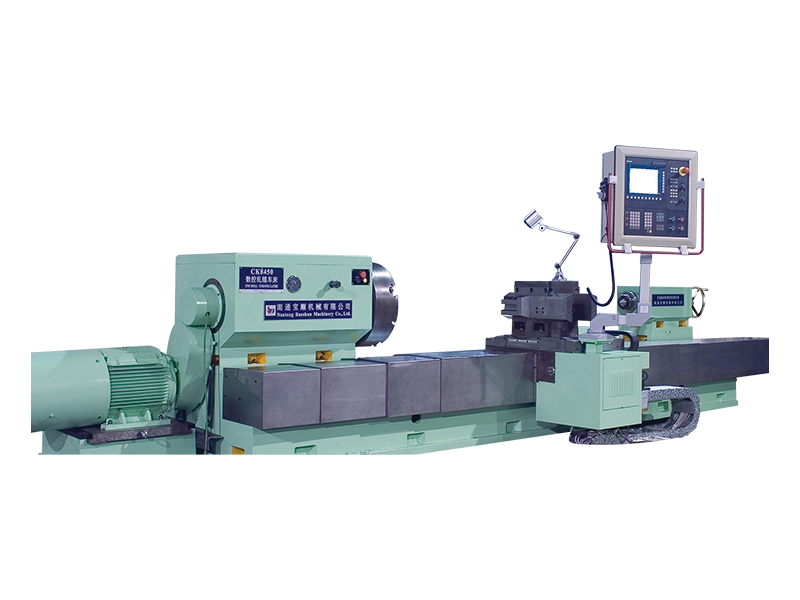
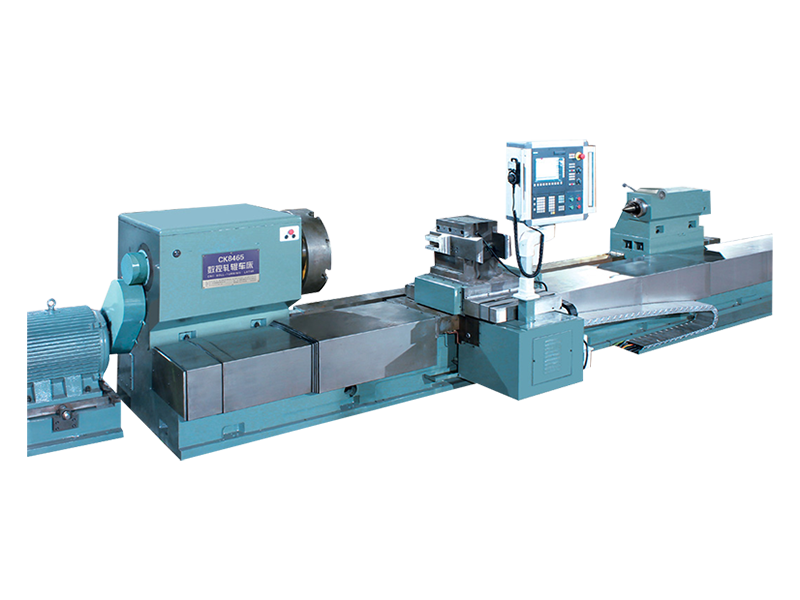
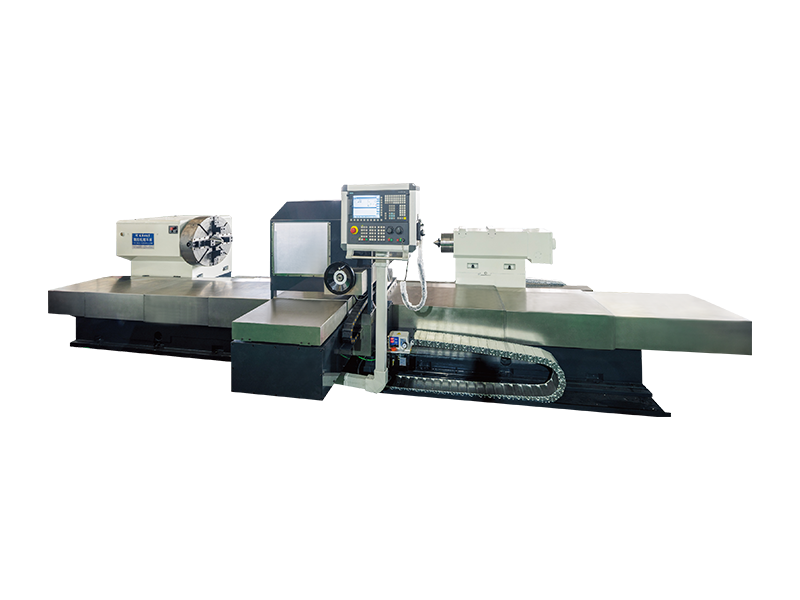
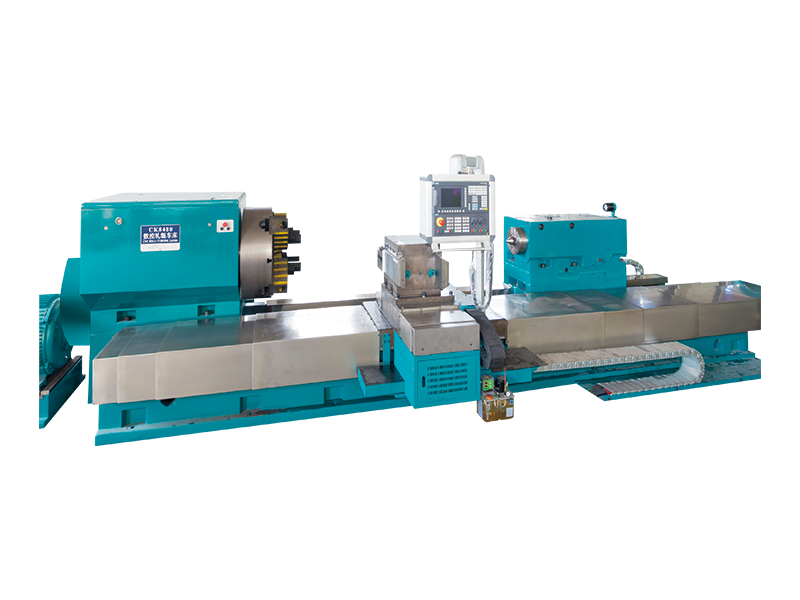
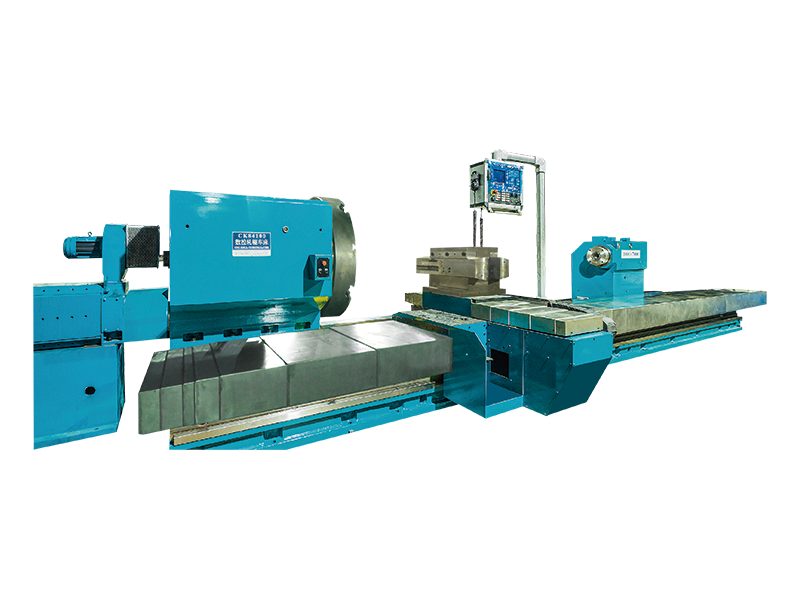
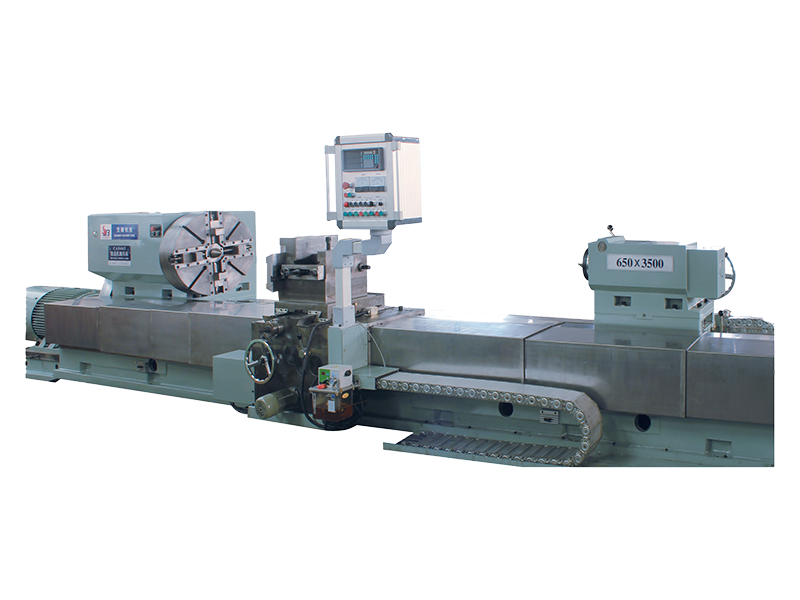
Rough and finish turning of rolls is central to the reconditioning process. A dedicated CNC roll lathe can remove the damaged layer with predictable dimensional accuracy, while at the same time correcting roll profile and improving the surface finish. For mills that handle heavy and large rolls, the lathe itself must have appropriate rigidity, spindle power, and clamping capacity. When considering a machine, pay attention not only to its maximum swing and center distance, but also to its ability to maintain accuracy under interrupted cutting and varying depth of cut, which are common when reconditioning forged or cast rolls.
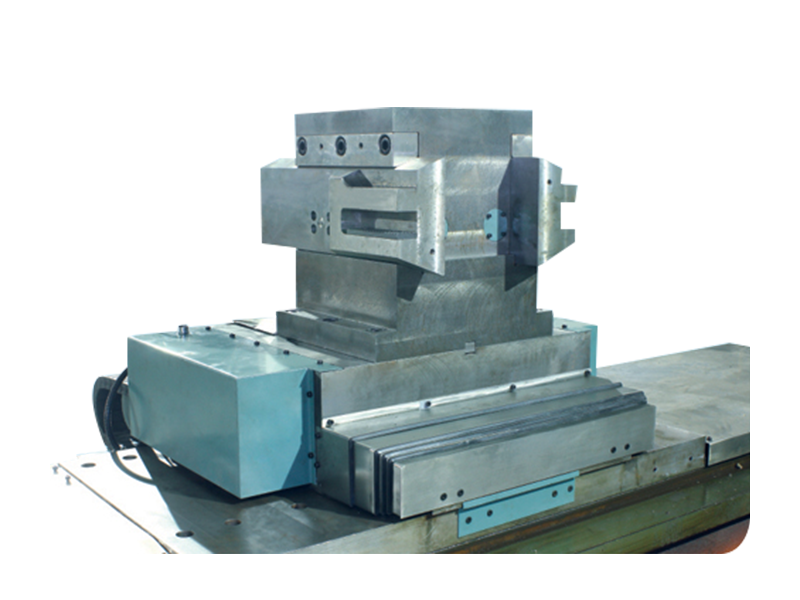 CNC Roll Lathe for Roll Turning and ReconditioningThis CNC roll lathe is suitable for rough and finish turning of rolls, removing damaged layers while correcting profile and improving surface finish. It is designed with rigidity and spindle power to handle heavy and large rolls, maintaining accuracy under interrupted cutting.View Product →
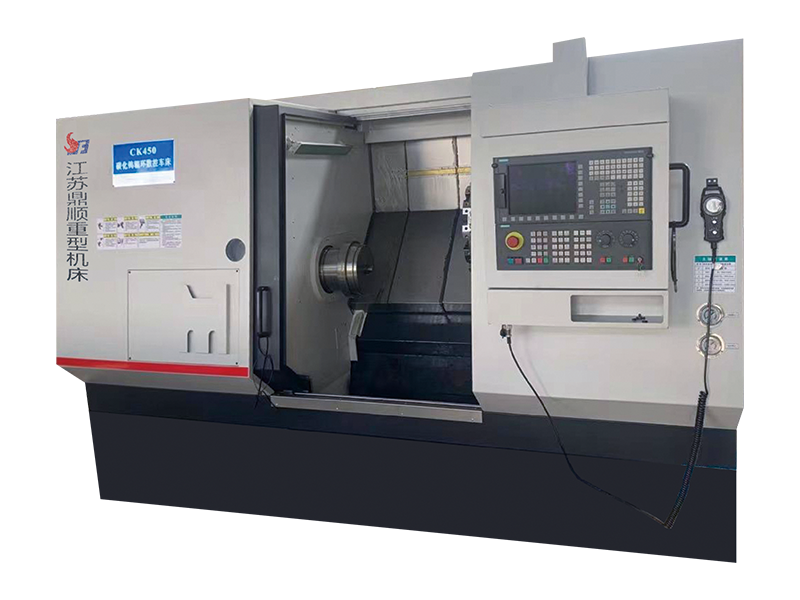
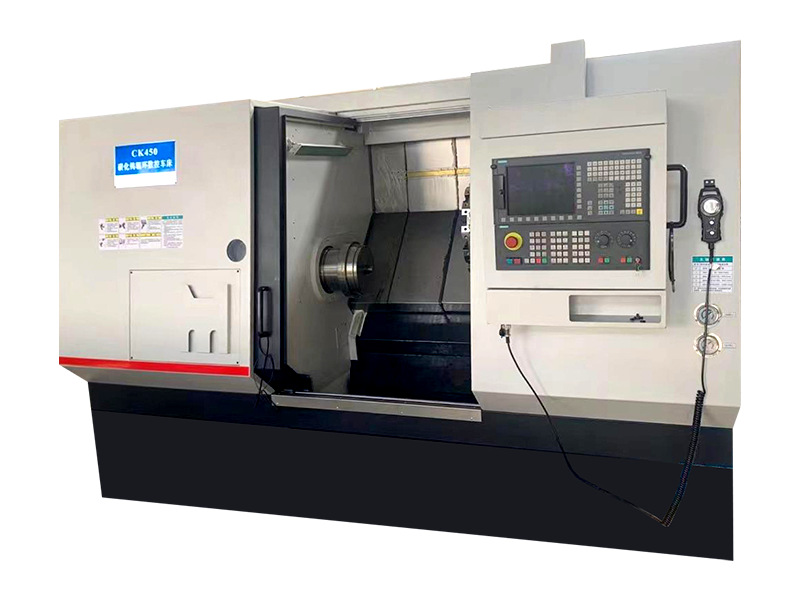
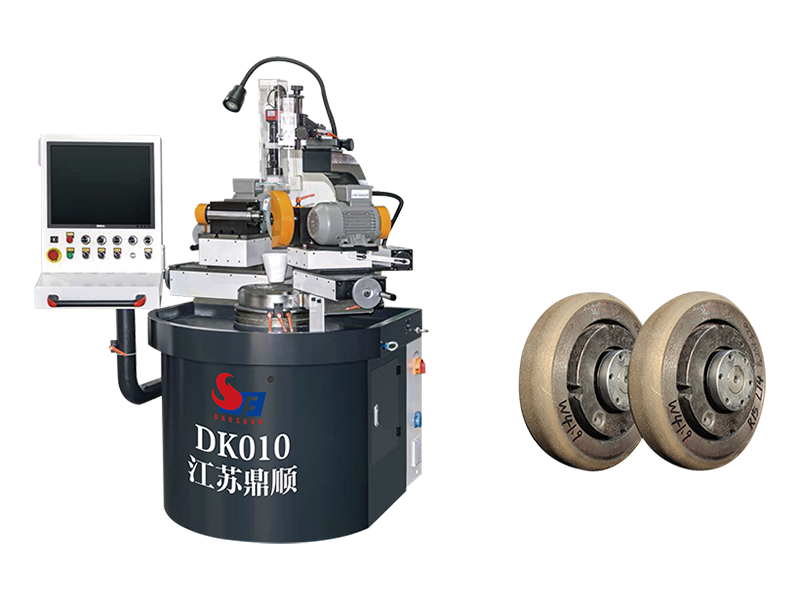
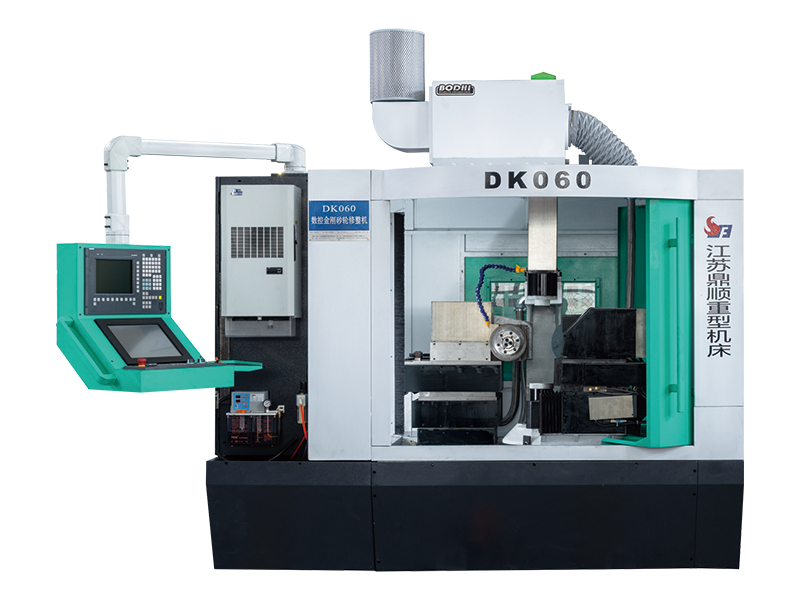
Roll rings, which experience some of the most severe contact stress, often require grinding rather than just turning. A vertical roller ring grinding machine can achieve the high dimensional accuracy and surface quality needed to preserve ring performance. It also helps shorten the reconditioning cycle by giving the operator a stable platform that does not compromise concentricity or pattern before the ring returns to the mill. Grinding is often the final stage that determines whether a reconditioned ring reaches the required surface roughness and profile tolerance.
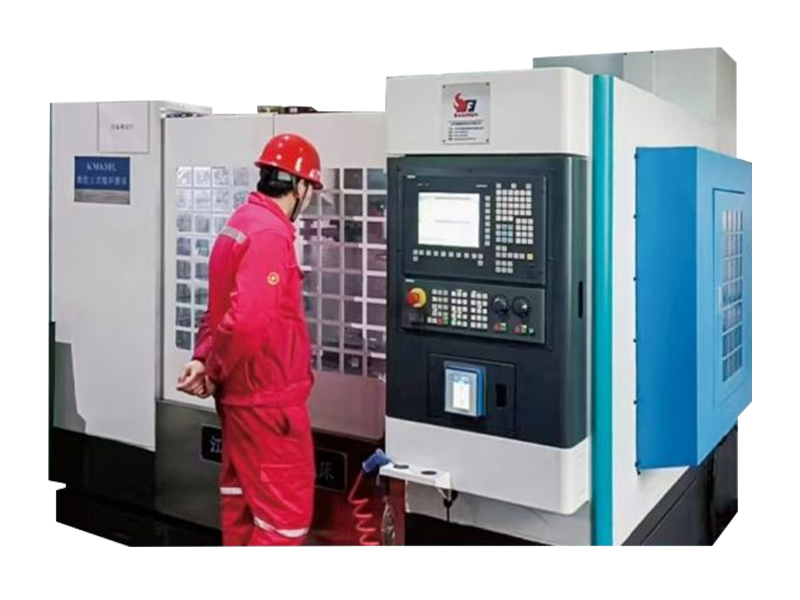 Vertical CNC Roller Ring Grinding Machine for Precision GrindingThis vertical grinding machine is specialized for grinding tungsten carbide roller rings used in high-speed wire production. It offers coarse, semi-fine, fine, and non-spark grinding of outer circle and R-pass groove, with high efficiency and a fully enclosed design to improve processing environment.View Product →
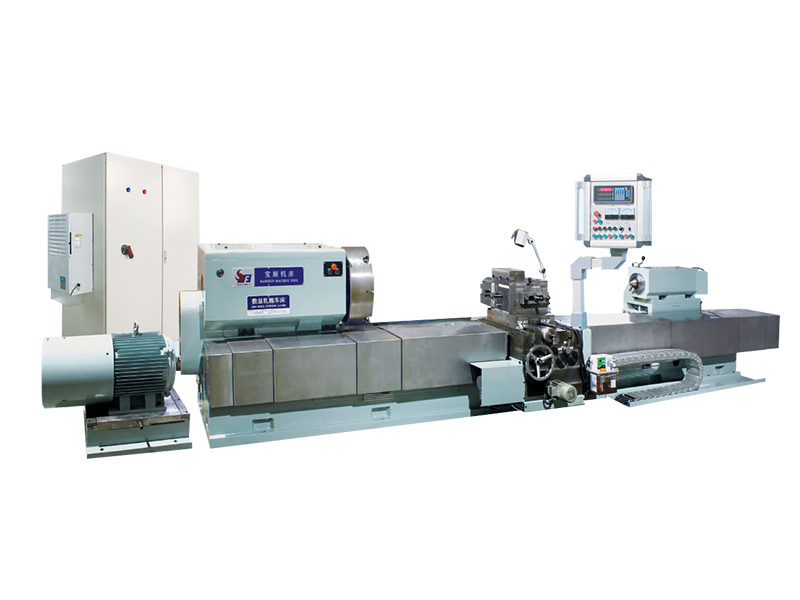
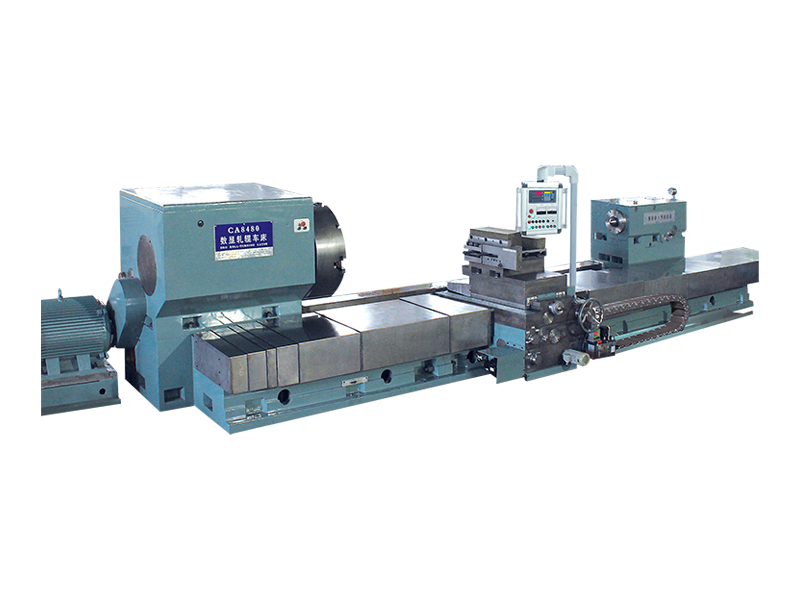
When roll rings require a larger volume of material to be removed, the turning process must be strong and stable. A heavy-duty CNC roller ring lathe that can run at high torque while maintaining an acceptable vibration level can significantly cut processing time. For a steel mill's in-house maintenance workshop, the ability to switch between a roll and a roller ring without sacrificing surface quality is a major advantage. It also reduces the need to send parts to an outside workshop, which adds lead time and freight costs to each maintenance cycle.
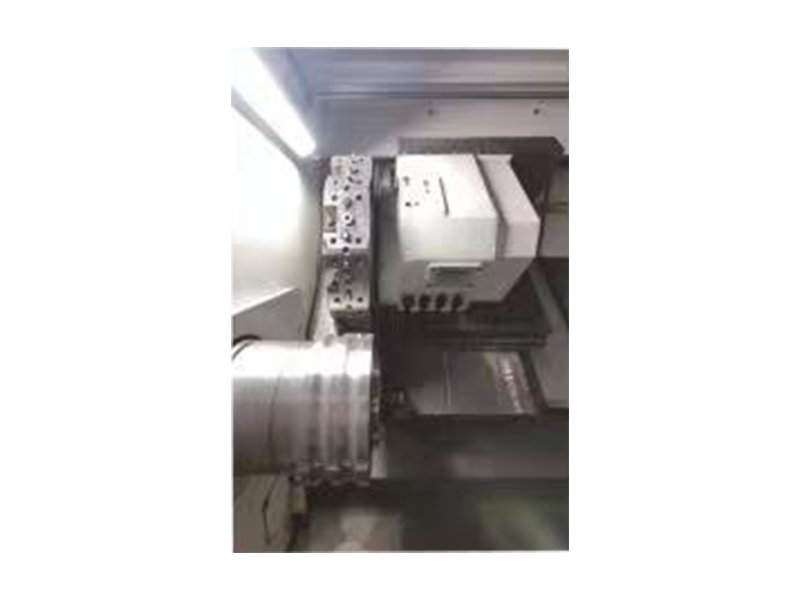 High-Speed Steel Roller Rings CNC Roller Ring LatheThis heavy-duty CNC roller ring lathe is built for high-torque turning of roller rings, enabling efficient removal of larger material volumes while maintaining stability and surface quality. It allows in-house workshops to switch between rolls and rings without compromising finish.View Product →
A roll maintenance program that is implemented overnight without tracking or feedback rarely holds up. Over the first year, mills typically refine the program as real data accumulates. The initial scheduling intervals may be adjusted, inspection criteria may be tightened, and the equipment list may be reviewed to decide whether one machine can cover several tasks or whether a separate unit is needed for a specific roll type.
The key is to make each step measurable: record the number of rolls reconditioned, measure the time between reconditioning cycles, and compare the frequency of unplanned failures before and after the plan was introduced. These metrics provide a return on investment that is easy to explain to plant management. They also help a mill decide when to invest in additional machines, such as a larger CNC roll lathe or a more automated grinding center.
When the program is running, the mill moves from a reactive position to a planned one. The maintenance workshop is no longer a place where emergency repairs arrive without warning. Instead, the workshop schedules its own work around the rolling schedule, and the roll population becomes one more resource that can be managed with visibility and confidence.
A roll maintenance program for a steel mill is not a single document. It is a system that connects the condition of the roll, the work schedule of the mill, and the capabilities of the equipment that performs the reconditioning. The most effective programs are built from real operating data, not from generic templates. They begin with a clear classification of roll criticality, then apply a maintenance strategy that matches the actual risk, and finally rely on machines that can achieve the tolerances on a repeated basis.
Start with a small but important group of rolls and run the program on them for a few months. Use the results to grow the rollout to the rest of the line. This step-by-step approach gives maintenance teams enough confidence to automate the process later and prevents the very common mistake of trying to introduce a highly formal system overnight in a plant that has always worked reactively.
The result is a plant where roll failures are no longer an emergency, where reconditioning cycles are shorter and more consistent, and where the machinery used for maintenance is selected to deliver the precision required by modern rolling operations.

 Download Material

 E-mail: [email protected]
  Mob: +86-13806297906
  Tel: +86-513-85562198
  Add:No. 99 Tiantong Road, Nantong City, Jiangsu Province.
Factory scene

Copyright@ Jiangsu Dingshun Heavy duty Machine Tool Co., Ltd. All Rights Reserved.




 English
  русский
  Español
  عربى
عربى