Content
A rolling mill manager reviewing machine upgrades often starts with one question: Can a general-purpose CNC lathe handle a 1-meter-diameter work roll weighing 10 tons? The answer is almost always no. Standard lathes lack the bed rigidity, spindle bearing capacity, and cutting force management needed for heavy roll turning. Rolling mill rolls demand machines engineered specifically for extreme workpiece weight, high torque at low rpm, and consistent geometry over long production runs. Without purpose-built design, surface finish deteriorates, taper errors appear, and unscheduled downtime erodes mill profitability.
Specialized CNC machines for rolling mills fill this gap through reinforced cast structures, high-stiffness spindles, and anti-vibration guideways. The consequences of using undersized equipment ripple through the entire roll shop: rework, premature roll changes, and lost strip quality. That is why dedicated CNC roll lathes, ring roll lathes, and profile milling machines have become the industry standard. For deeper background, the role of CNC systems in rolling mill precision shows how numerical control directly translates into metallurgical consistency.
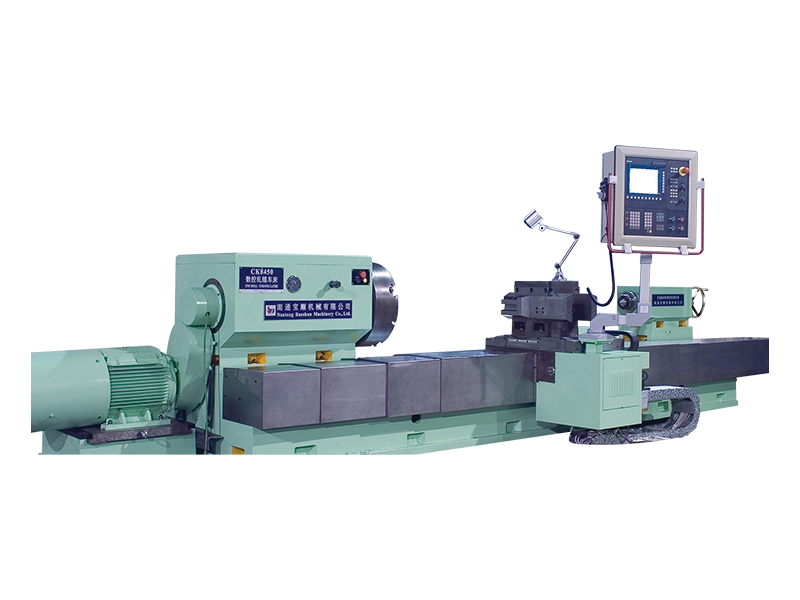
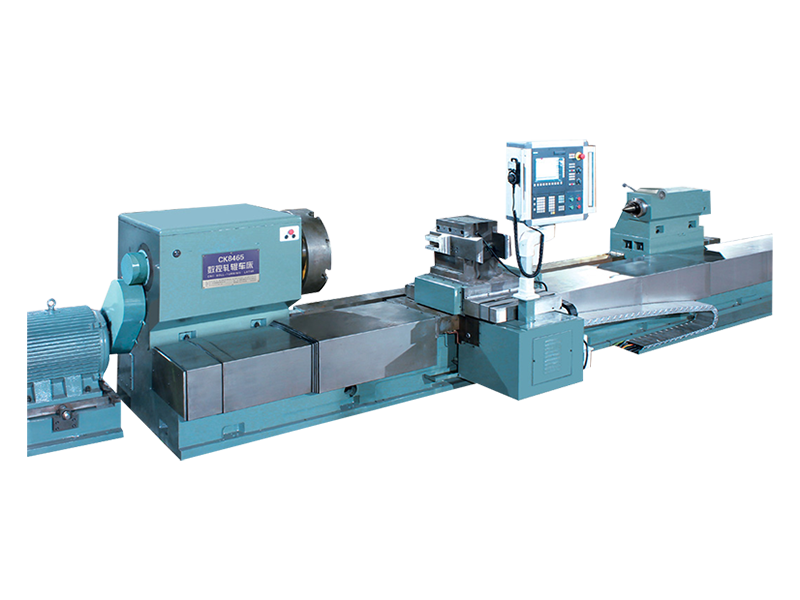
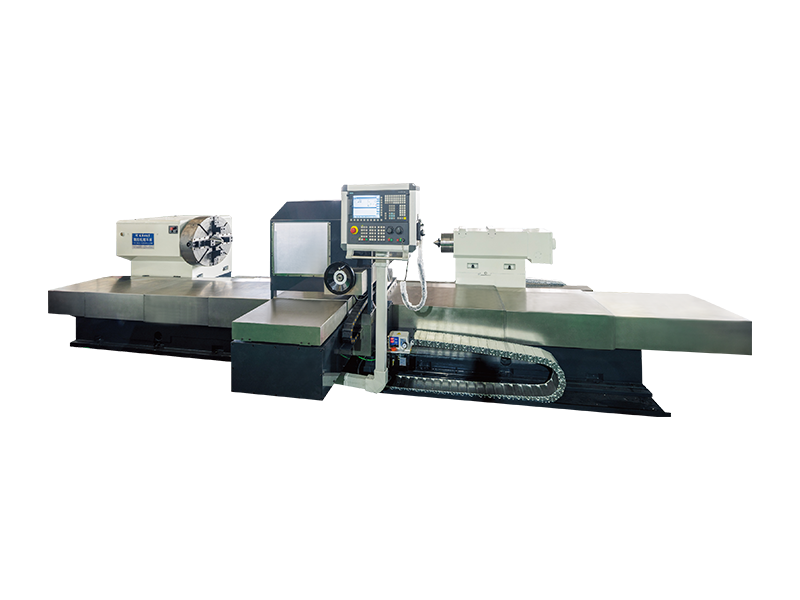
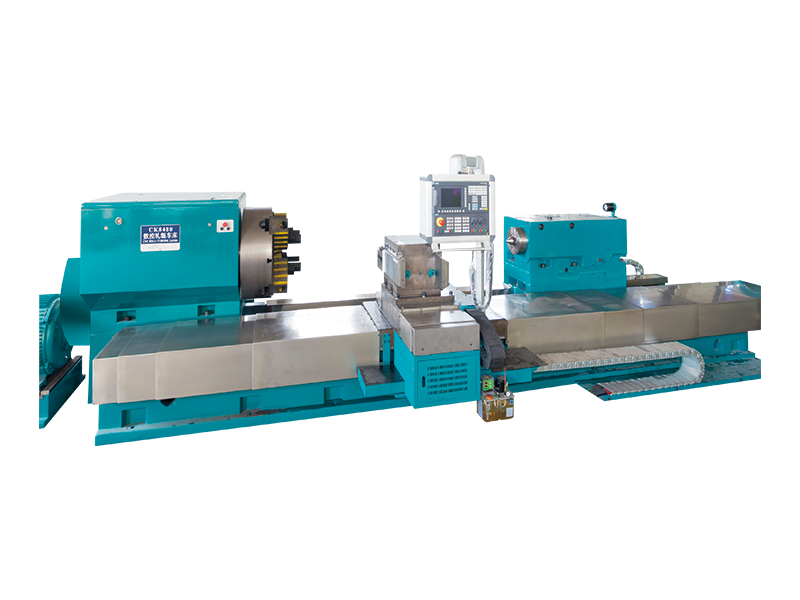
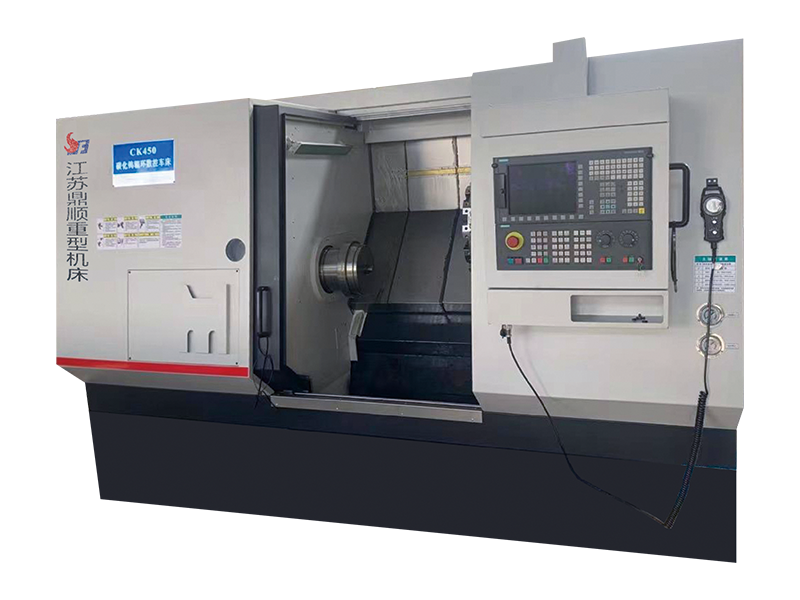
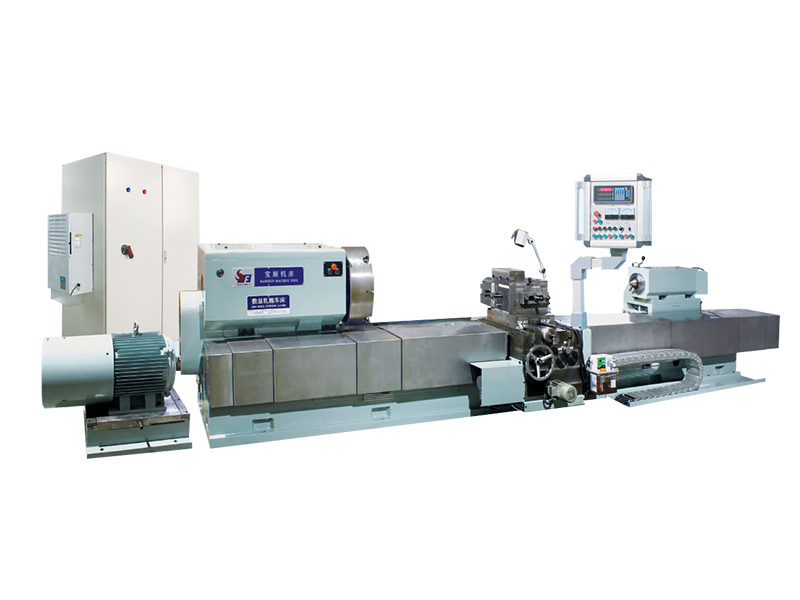
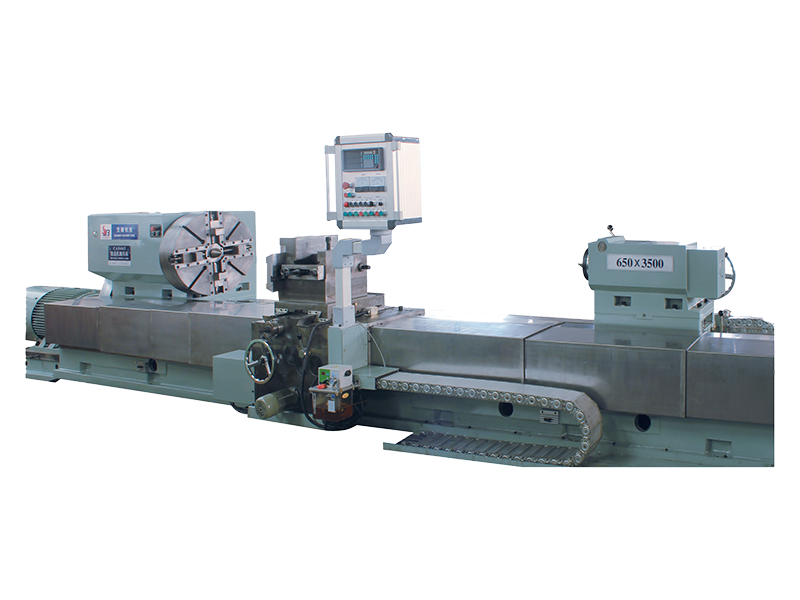
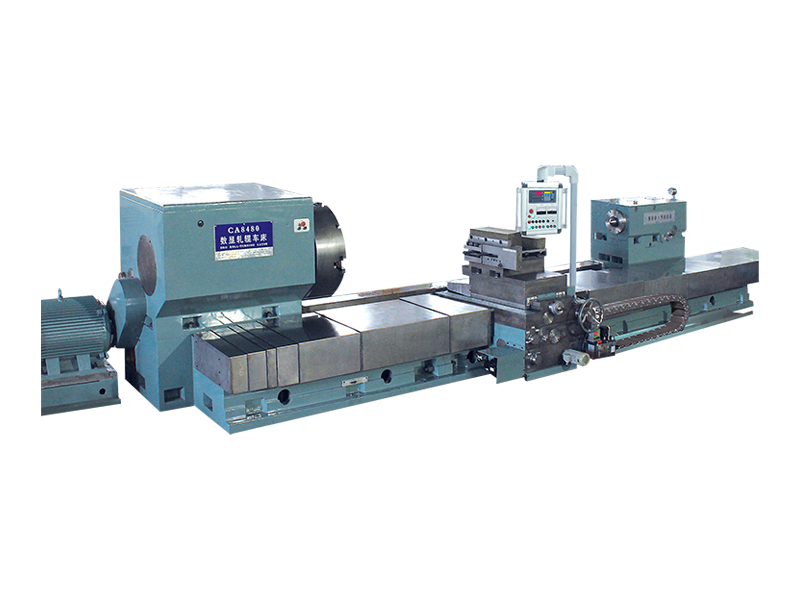
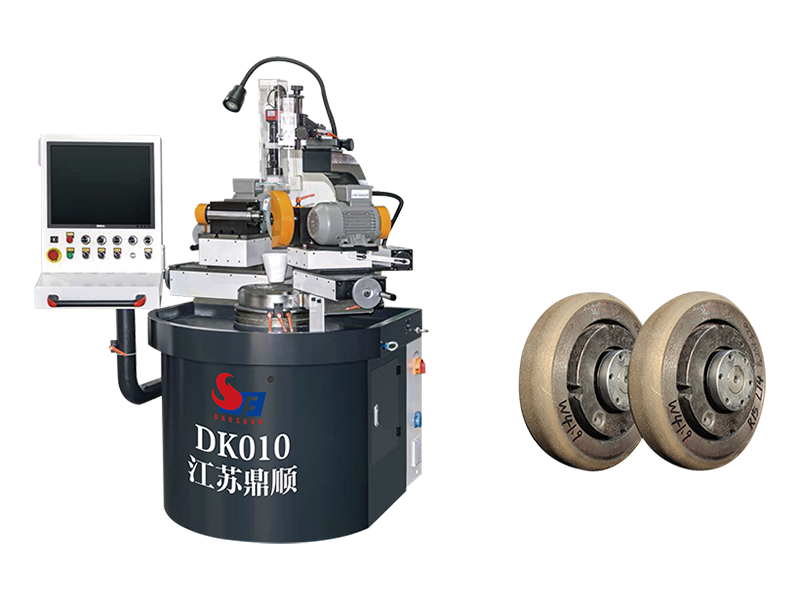
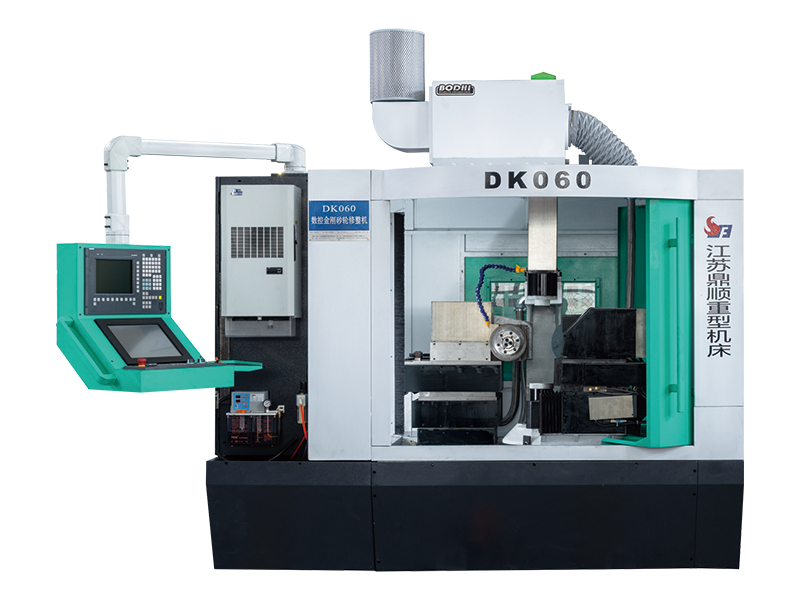
A complete roll machining workflow rarely relies on a single machine type. Instead, mills match the equipment to the specific operation:
Choosing the right machine begins with defining the roll type, material, and target surface quality. A cast iron roughing roll demands different spindle power and chip evacuation than a forged steel finishing roll. The machine’s swing over bed, center distance, and steady rest capacity must match the mill’s largest roll dimensions, with a safety margin for future product mix changes.
The internet contains many forum threads questioning whether Chinese CNC machines can match the reliability expected by steel mills. The more useful question is: What verifiable evidence separates a competent rolling-mill machine builder from a general equipment trader? Price alone is a poor filter. Instead, three categories of proof determine whether a supplier can deliver machines that hold tolerance year after year.
Start with industry tenure. A manufacturer that has focused on metallurgy and heavy steel processing for two decades understands far more than the mechanical specifications. It knows the thermal effects during deep cuts, the fatigue life of guideways under intermittent heavy loading, and the real-world service conditions of a roll shop. Over 20 years of metallurgy-focused machine tool expertise means a builder has accumulated direct feedback from hundreds of installations, refining structural castings, spindle designs, and control parameter sets specifically for roll machining.
Next, examine technical credentials and quality-control infrastructure. A supplier that can qualify as a partner to a national research institute within the shipbuilding industry – for example, the 704 Research Institute of China Shipbuilding Industry Corporation – has passed rigorous audits on design capability, manufacturing precision, and documentation. Multiple national patents and proprietary software for roll-specific macro programs further indicate that the builder is not copying a generic lathe design but has invested in application knowledge.
Operational support closes the qualification loop. Look for a supplier that provides on-site installation supervision and operator training as part of the delivery scope. Without structured commissioning and skill transfer, even an outstanding lathe becomes a bottleneck. Confirm that the builder maintains an after-sales service network and a spare-parts inventory for critical consumables. These logistics determine whether a production line returns to service in hours or days after a component failure.
Automation in roll machining is not about removing operators; it’s about making every machining hour count. A CNC roll lathe equipped with automatic tool changers and programmable steady rests slashes idle time between passes. When the control system can store an entire roll profile library, the operator shifts from manual setup to process monitoring. Consistency becomes embedded in the program, not reliant on an individual’s technique.
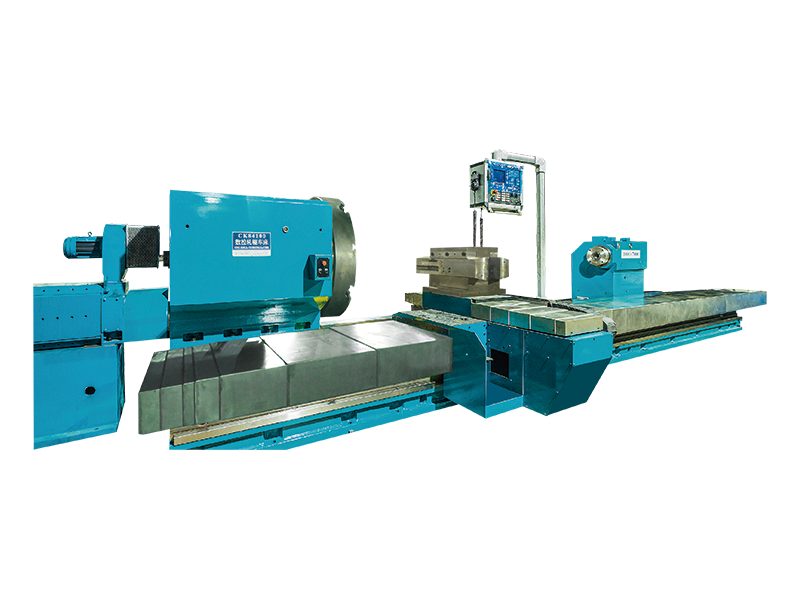
Automated probing cycles compensate for thermal expansion of the roll before the finish cut, reducing scrap. Multi-axis control on modern machines allows simultaneous turning of the roll barrel and the neck radii in one setup, cutting total processing time by a measurable margin. The CK84100 high-speed automated CNC roll lathe exemplifies this approach: its configuration eliminates multiple setups and manual intermediate measurements. For an expanded technical view, read integrating automation and process control in rolling mill CNC machines. Such capability directly translates to higher throughput without adding floor space or headcount, a deciding factor for mills operating on tight delivery schedules.
Moving from inquiry to commissioning follows a structured evaluation that prioritizes technical fit over sales presentations. The following sequence protects against common procurement mistakes:
A supplier that warrants its full product line – from roll lathes through roll grinders to profile millers – streamlines both commissioning and long-term maintenance, because interfaces, controls, and service protocols remain consistent across machines. For broader context on heavy metal processing, the article on CNC machines for rolling mills and heavy metal processing provides additional selection benchmarks.
The capability to manufacture CNC machines for rolling mills exists in China today at a level that satisfies the most demanding steel plant requirements. What separates a productive investment from a risky purchase is the depth of the supplier’s industry dedication: multi-decade focus on metallurgy machines, evidence of institutional qualifications, and a support model that extends well beyond shipment. Any evaluation that stops at price or brochure specifications misses the factors that determine whether a roll lathe will hold 0.02 mm tolerances five years after installation. When a builder can demonstrate that its heavy-duty roll turning machines, ring roll lathes, and groove mills are purpose-built for steel mill conditions – and backs them with on-site commissioning and training – the origin of the machine becomes secondary to the partnership it represents.

 Download Material

 E-mail: [email protected]
  Mob: +86-13806297906
  Tel: +86-513-85562198
  Add:No. 99 Tiantong Road, Nantong City, Jiangsu Province.
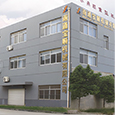
Factory scene


Copyright@ Jiangsu Dingshun Heavy duty Machine Tool Co., Ltd. All Rights Reserved.




 English
  русский
  Español
  عربى
عربى