Content
A procurement manager recently told us he had compared three CNC lathes using the same swing-over-bed and center-distance specs. When the machine arrived, it couldn’t handle the 82‑ton backup roll his mill needed to re‑turn. The problem wasn’t the dimensions on the brochure; he was evaluating a general‑purpose lathe against a workload that demands a dedicated CNC roller lathe. That distinction costs mills weeks of downtime when it’s missed.
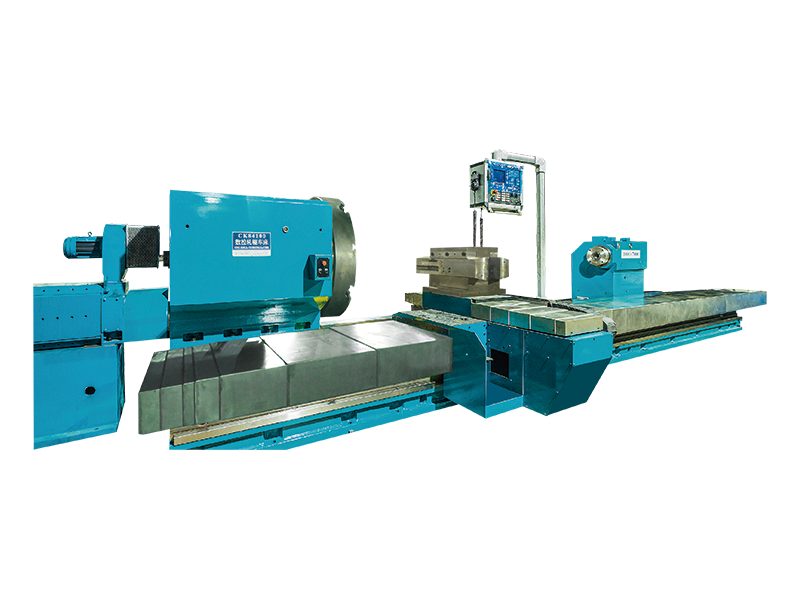
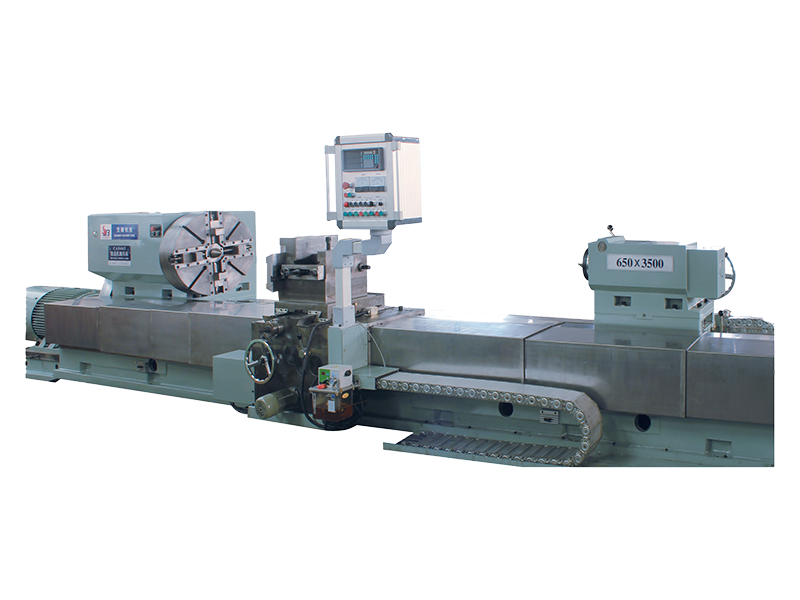
A CNC roller lathe is engineered for workpiece weights and geometries that a standard CNC lathe isn’t designed to support. In a rolling mill, the workpiece rotates around its own center on a conventional lathe, but roll turning often involves large‑diameter, asymmetrical cast‑iron or forged‑steel rolls that can exceed 1,250 mm in diameter and weigh tens of tons. The machine structure, spindle bearing arrangement, and bed casting must absorb extreme bending forces and maintain geometric accuracy over multi‑pass rough‑turning and finishing cycles. Torque delivery is prioritized over spindle speed: a roller lathe will typically generate several times the continuous torque of a general turning center at low rpm, ensuring cutting stability on hard‑faced roll surfaces. Additionally, roller lathes frequently incorporate automatic tool changers and chip conveyors sized for high‑volume material removal, features that are optional or undersized on standard machines. Examining the CK84125 heavy-duty CNC roll turning lathe specification shows a design built to swing a 1,250‑mm roll over the cross slide while maintaining a rigid box‑way bed — parameters that would immediately disqualify most general‑purpose lathes.
Choosing a manufacturer that primarily builds general CNC lathes and only occasionally configures a roll‑turning machine introduces risk in three areas: structural rigidity, thermal stability, and process know‑how. Metallurgical roll turning demands the machine hold tight roundness and surface finish tolerances over long, heavy parts in a production environment that runs 18 to 24 hours a day. A company with over 20 years of focused experience in heavy‑duty roll lathes, such as Jiangsu Dingshun Heavy‑Duty Machine Tool Co., has already solved the bed deflection patterns, lubrication distribution, and tailstock quill damping that a generalist would need to learn on your mill floor. Real‑world validation matters: having supplied equipment to a major Chinese shipbuilding research institute (CSIC 704) and completing on‑site commissioning across multiple steel enterprises is a stronger indicator of reliability than a generic certificate. Look for documented projects in similar rolling mill environments, not just machine tool industry awards.
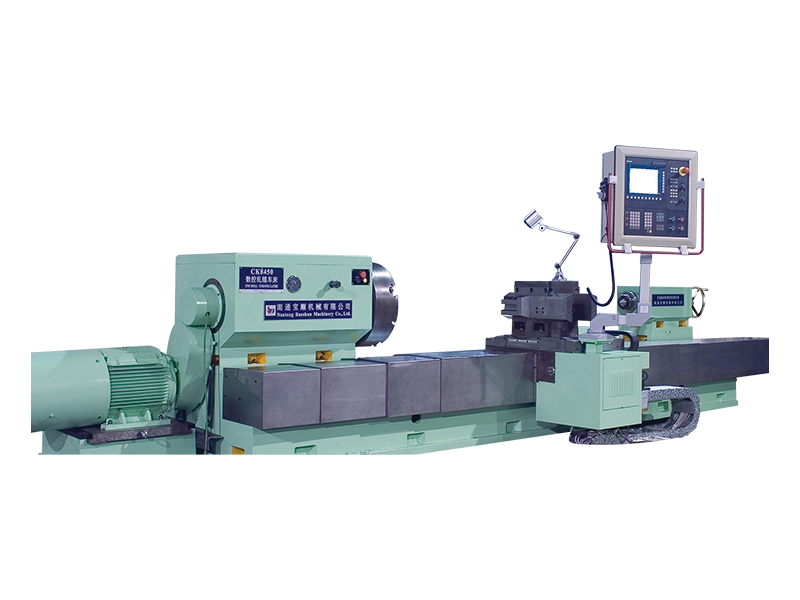
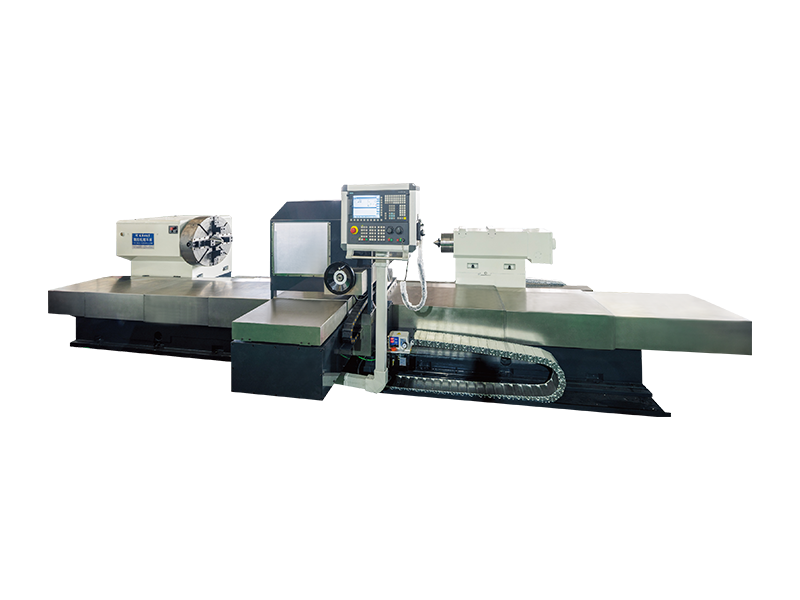
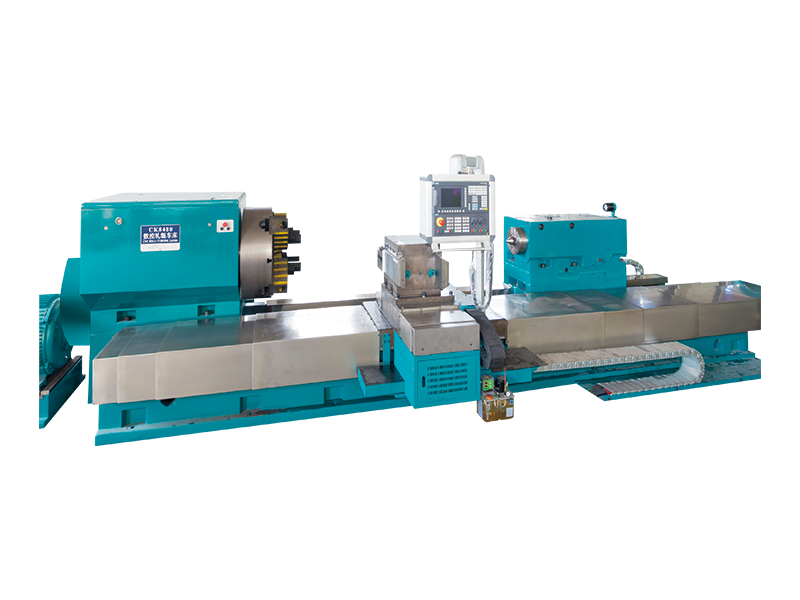
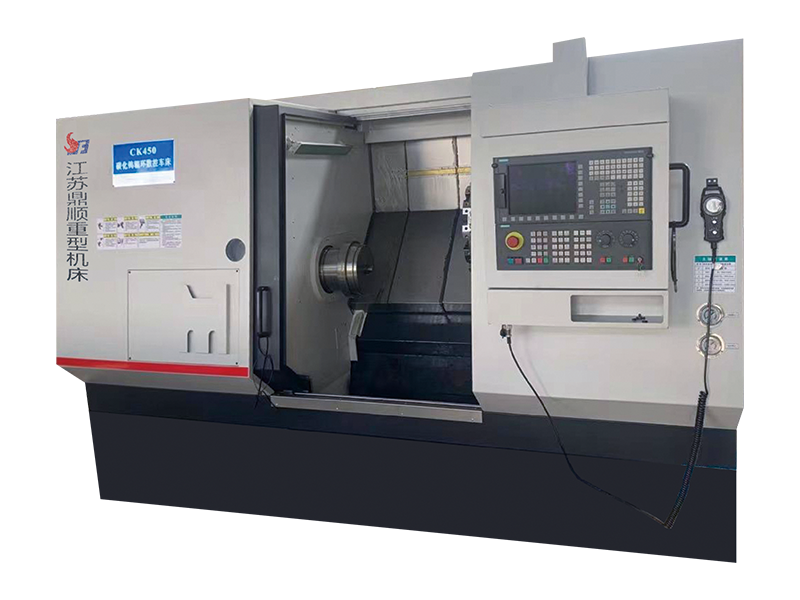
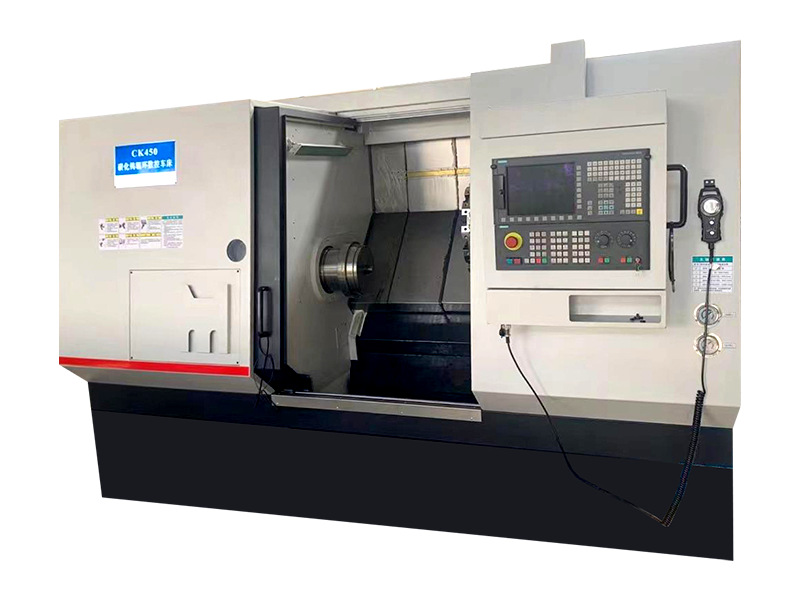
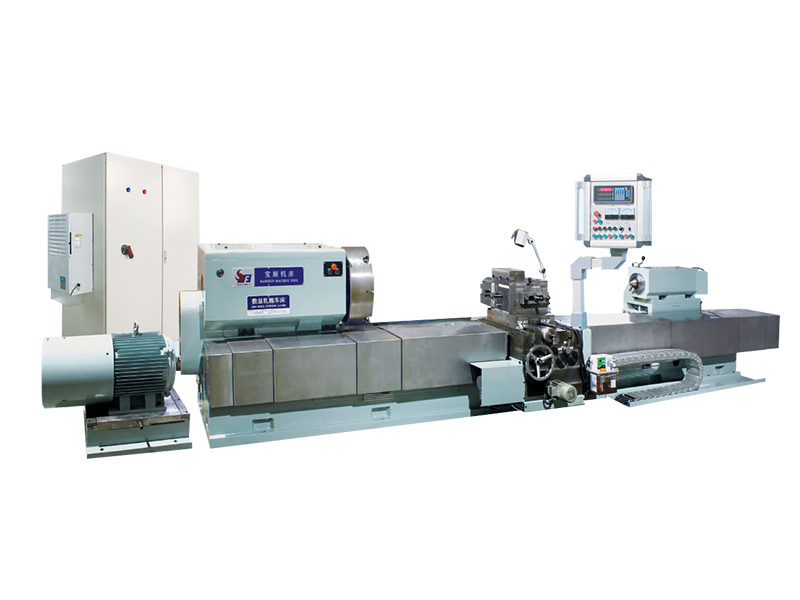
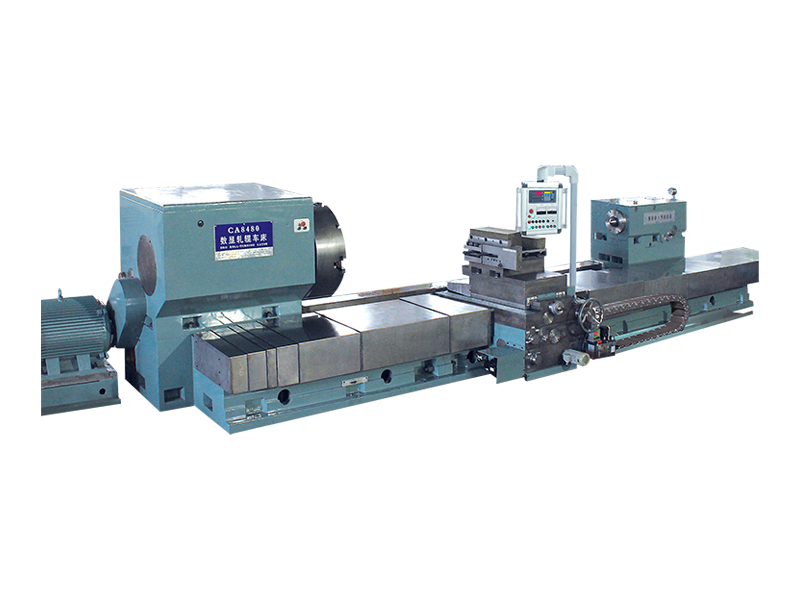
You rarely need one single spec; you need a model range that matches the roll inventory your shop supports. The span should cover roughing and finishing of work rolls, intermediate rolls, and backup rolls. A typical portfolio might range from a CK8450 designed for smaller roll diameters up to a CK84125 that accommodates 1,250‑mm‑plus workpieces, with several torque and bed‑length variants in between. Beyond workpiece capacity, evaluate the CNC control brand (Siemens, Fanuc, or equivalent), axis‑drive motor torque curves, and whether the manufacturer offers integrated automation such as automatic roll‑loading, auto‑tool‑change, and in‑process measurement. The full range of CNC roller lathe models from a focused provider will show purpose‑built models like the CK84100 high‑speed automated CNC roll lathe, which combines heavy‑cut capability with rapid traverse and CNC tailstock positioning for high‑throughput shops. Another example, the CK8480 fine turning lathe for cast iron and steel, demonstrates how a single manufacturer can tailor headstock stiffness and spindle bearing arrangements to specific material requirements. The ability to configure a machine for both cast iron and forged steel rolls with consistent surface finish is a hallmark of a serious supplier.
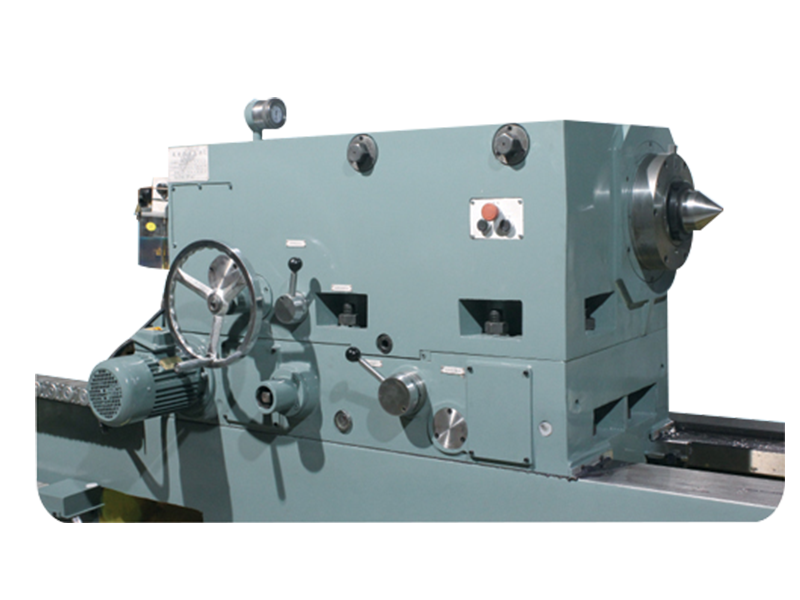 CK8480 CNC Roll Lathe for fine turning of cast iron and steel parts Suppliers, CJiangsu Dingshun is China Custom CK8480 CNC Roll Lathe for fine turning of cast iron and steel parts Suppliers and Company, Custom CK8480...View Product →
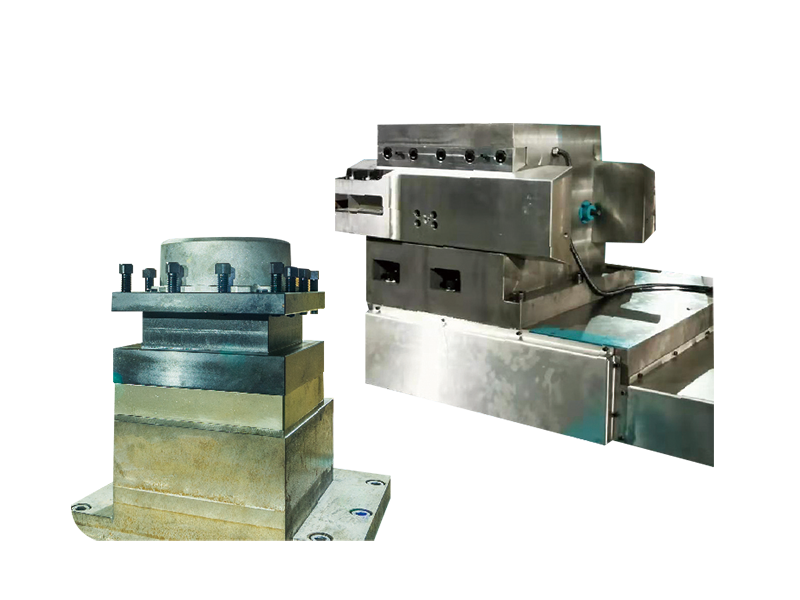 CK84100 High Speed Automatic Heavy-Duty CNC Roll Lathe Suppliers, Company - JianJiangsu Dingshun is China Custom CK84100 High Speed Automatic Heavy-Duty CNC Roll Lathe Suppliers and Company, Custom CK84100 High Speed ...View Product →
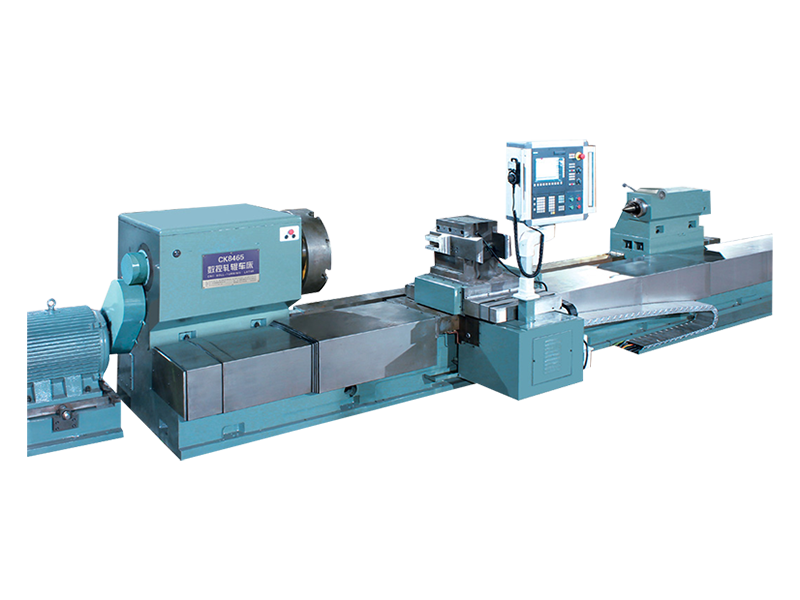
A roller lathe is a long‑term capital investment, and its value is determined largely by what happens after installation. Confirm that the manufacturer owns large‑scale machining and inspection equipment to produce the bed, headstock, and tailstock castings in‑house — this reduces lead times and gives them direct control over geometric accuracy. Equally critical is the commissioning process. Look for vendors that provide comprehensive on‑site commissioning and operator training services, including static alignment checks, load‑test cutting, and program verification with your actual roll drawings. A manufacturer that can show case histories of sending senior engineers to the mill for the first turn of a new backup roll, not just a standard installation checklist, is worth its premium. Durable machine architecture is also vital: a model like the CK8465 high‑performance durable roll lathe illustrates structural design choices — heavily ribbed beds, large‑diameter spindle bearings, and hardened guideways — that translate directly into years of service with minimal dimensional drift. Ask for a reference site that has run the same lathe model for more than five years under similar duty cycles.
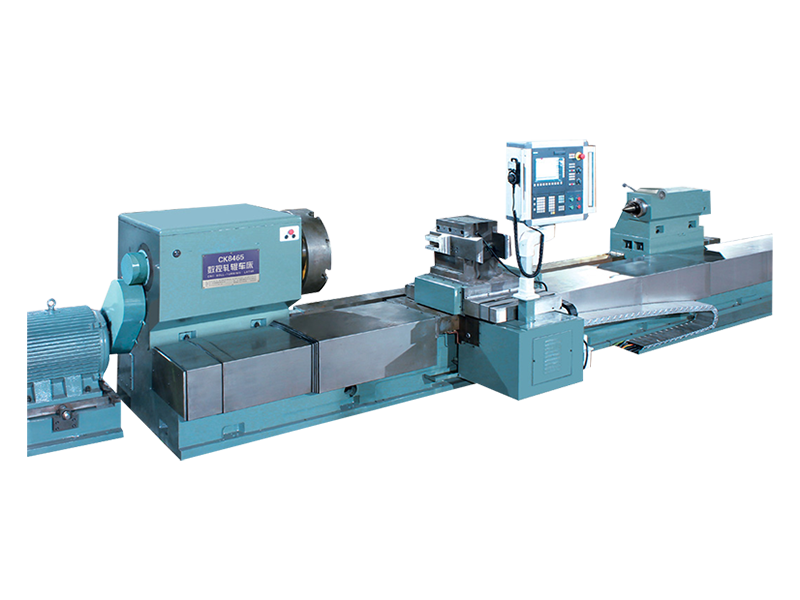 CK8465/3500 High Performance Horizontal Heavy Duty CNC Roll Lathe Suppliers, ComJiangsu Dingshun is China Custom CK8465/3500 High Performance Horizontal Heavy Duty CNC Roll Lathe Suppliers and Company, Custom CK8465/3...View Product →
Vendor presentations can bury gaps under glossy spec sheets. A handful of direct questions will surface the real suitability of the machine and the manufacturer:
Selecting among CNC roller lathe manufacturers isn’t about finding the lowest bid on a specification sheet. It’s about qualifying a partner that understands steel mill production rhythms, can demonstrate its machines running on similar roll profiles, and offers the technical support that keeps a turning cell productive for a decade or more. Prioritize suppliers that openly share their metallurgical project history, let you speak with their reference mills, and are willing to adapt machine configurations to your roll inventory rather than selling a standard model. Before signing any order, request a factory visit to verify their large‑part machining capability and review their manufacturer’s industry background and certifications. A dedicated roll lathe builder with two decades of focus will almost always outperform a general CNC lathe manufacturer in the demanding environment of a steel mill.

 Download Material

 E-mail: [email protected]
  Mob: +86-13806297906
  Tel: +86-513-85562198
  Add:No. 99 Tiantong Road, Nantong City, Jiangsu Province.
Factory scene


Copyright@ Jiangsu Dingshun Heavy duty Machine Tool Co., Ltd. All Rights Reserved.




 English
  русский
  Español
  عربى
عربى