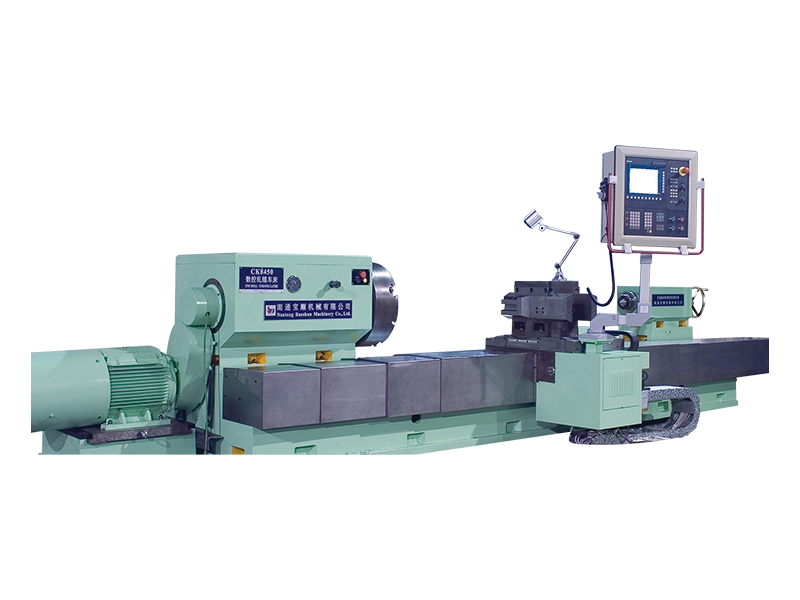
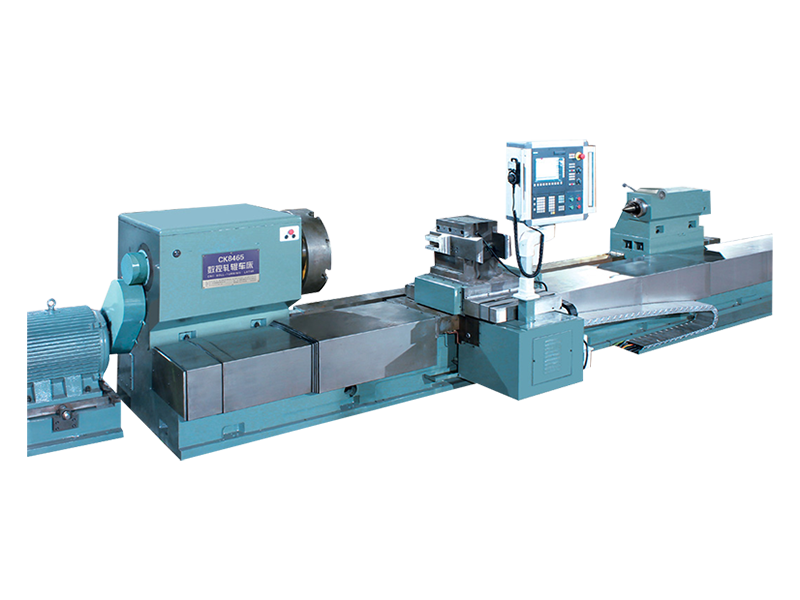
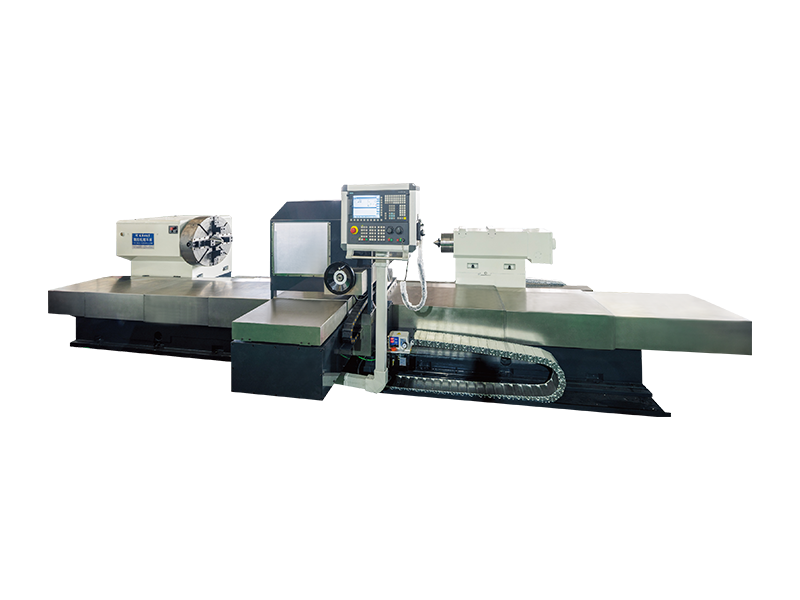
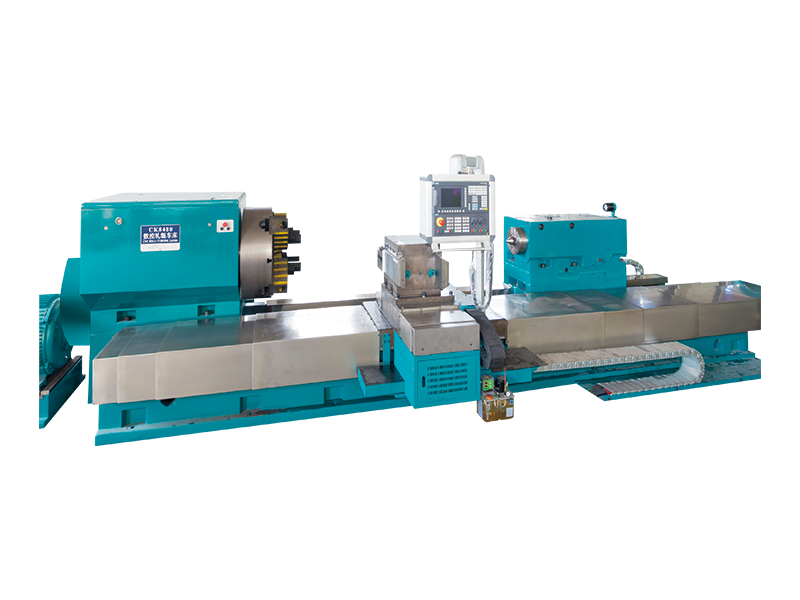
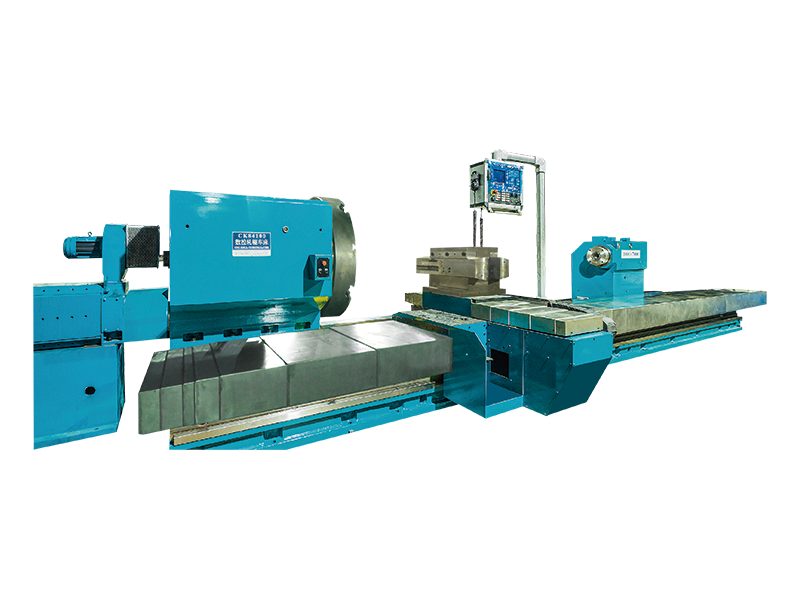
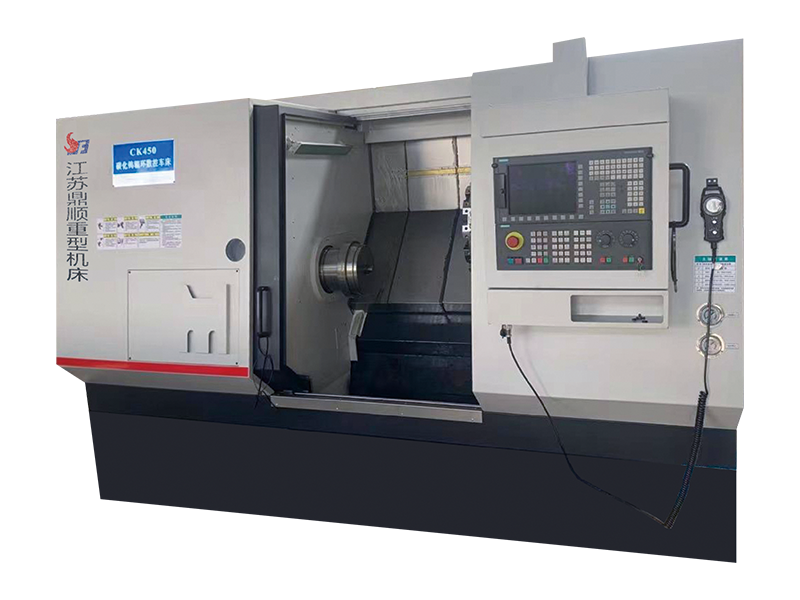
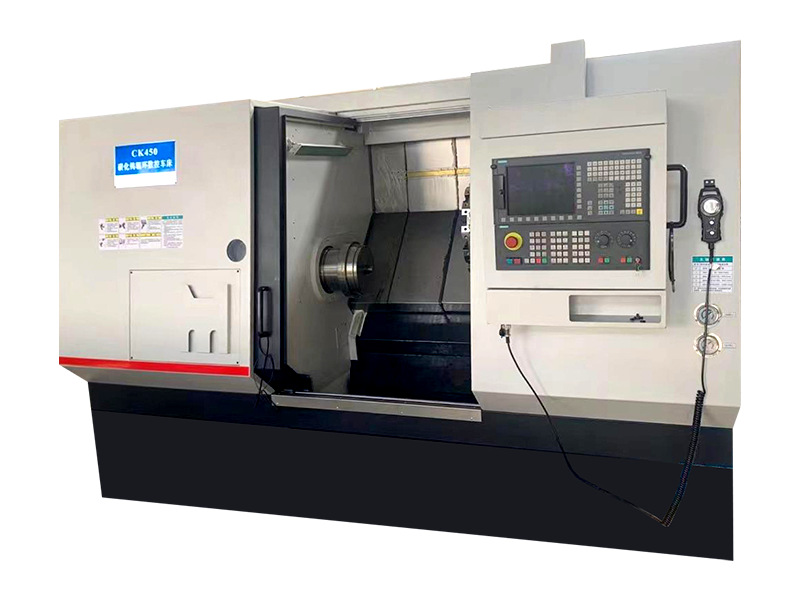
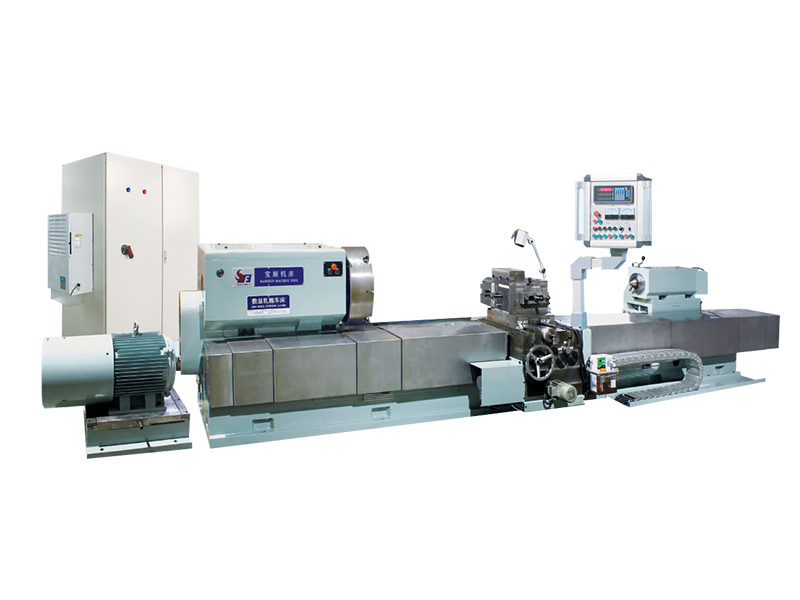
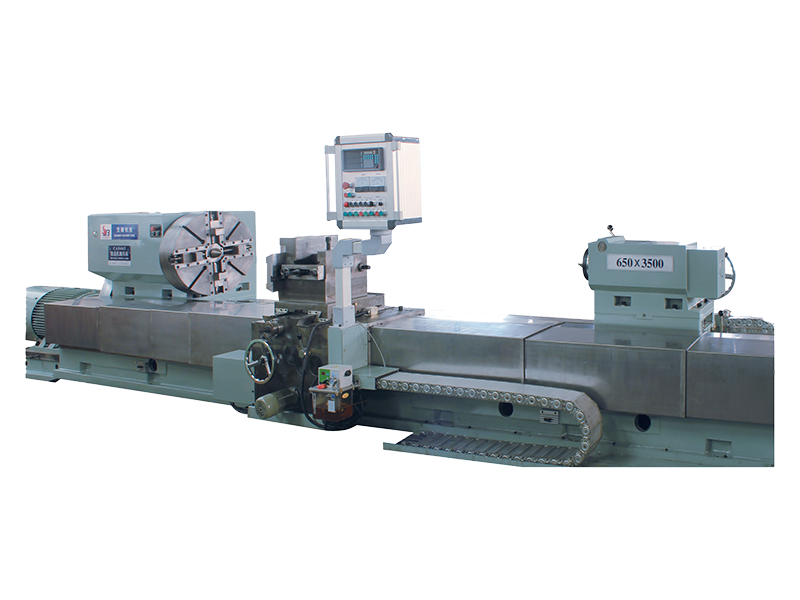
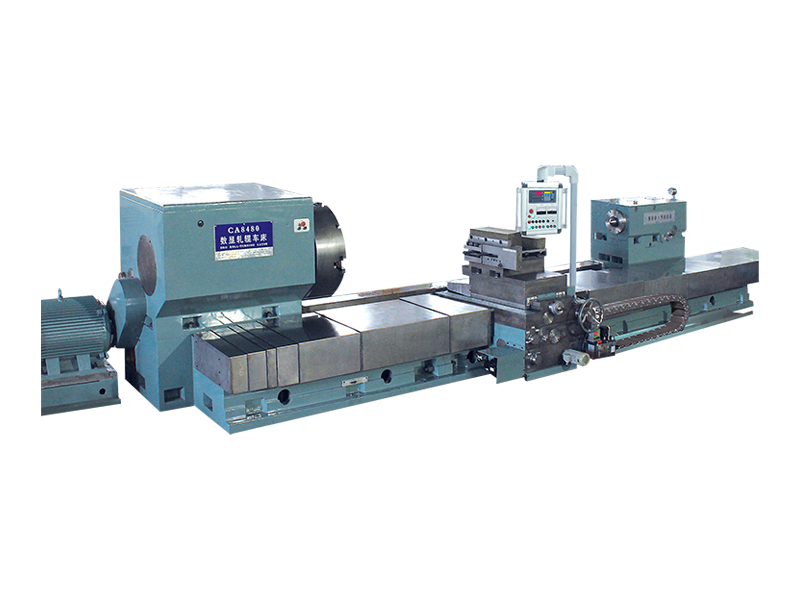
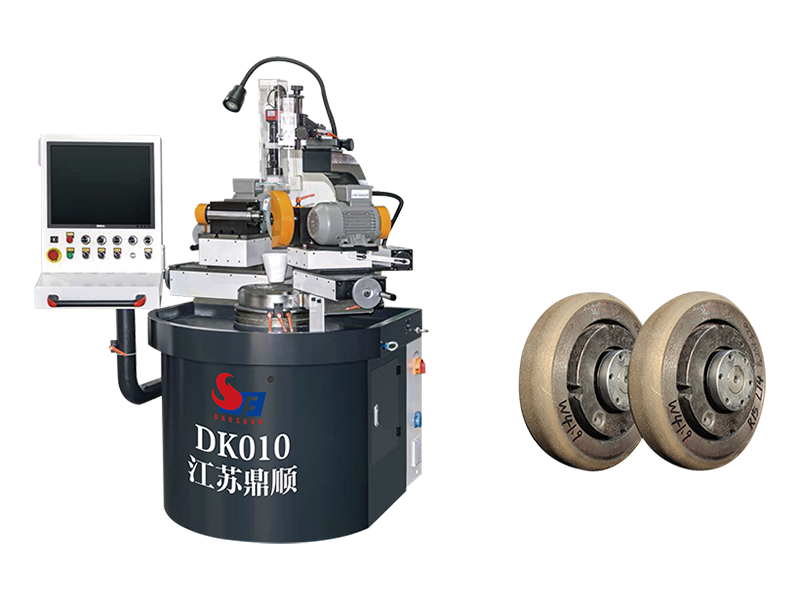
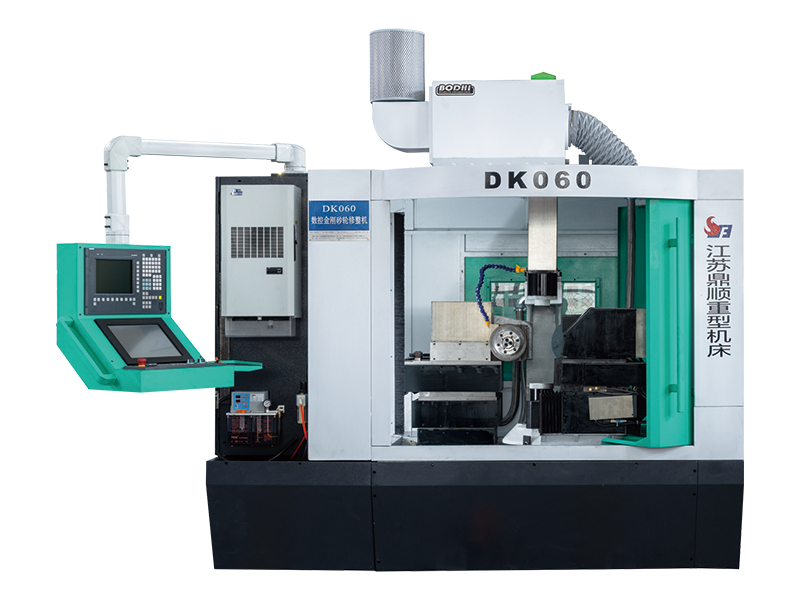
CNC machines for rolling mills and heavy metal processing are the precision engineering backbone of the global steel, aluminum, copper, and specialty metals industries. In rolling mill environments — where workpieces weigh tonnes, dimensional tolerances are measured in hundredths of a millimeter, and production stoppages cost thousands of dollars per hour — CNC machining is not a convenience but an operational necessity. The correct CNC solution for rolling mill and heavy industry applications encompasses a specific range of machine types: CNC roll grinding machines, CNC roll turning lathes, CNC roll notching machines, CNC deep hole boring systems, and CNC milling centers engineered for extreme workpiece weight and rigidity. Each machine type addresses a specific function in the roll preparation, maintenance, and metal processing workflow, and selecting the right machine directly determines roll service life, strip surface quality, dimensional consistency, and mill uptime. For metal processing plants evaluating CNC equipment, the key differentiators from general-purpose CNC machinery are working capacity (maximum workpiece weight and diameter), machine rigidity under heavy cutting forces, and the ability to hold tolerances on large, hard workpieces that general CNC machines cannot accommodate.
Content
Rolling mill rolls are among the most demanding workpieces in industrial metalworking. A work roll in a hot strip mill may weigh 10–25 tonnes, measure 600–900 mm in diameter and 2,000–3,000 mm in body length, and be manufactured from high-chromium cast iron, indefinite chill iron, or high-speed steel with surface hardness of 60–85 Shore C or 600–900 HV. After each rolling campaign, these rolls must be re-ground to remove surface fatigue cracks, spalling, and wear marks, then returned to the mill within tight dimensional and profile tolerances — typically ±0.005 mm on diameter, ±0.002 mm on cylindricity, and surface finish of Ra 0.1–0.4 µm depending on the product being rolled.
The combination of extreme workpiece mass, very hard workpiece material, and very tight tolerances creates requirements that standard CNC machining centers cannot meet. A conventional CNC turning center rated for 500 kg between centers cannot be adapted for a 15-tonne roll. A CNC grinding machine designed for automotive crankshafts lacks the wheel traverse range and grinding force capacity for a 900 mm diameter work roll. Dedicated heavy-duty CNC machines for rolling mills are engineered from first principles around these extreme specifications, with machine beds, spindles, guideways, and control systems scaled to the task.
The economic justification for precision CNC roll machining centers on three interconnected factors. First, roll surface quality directly determines product surface quality — strip steel or aluminum sheet with surface defects traceable to a poorly prepared roll is downgraded or scrapped, with product quality costs that rapidly exceed the cost of a modern CNC roll grinding machine. Second, roll campaign length is directly related to initial roll preparation quality — a roll with residual fatigue damage from inadequate grinding will fail earlier in service, requiring more frequent roll changes and higher total roll consumption. Third, CNC automation reduces roll shop labor requirements — a modern CNC roll grinding machine with automated profile measurement and correction can be operated by a single skilled technician per shift, compared to the multiple operators required for equivalent manual or semi-automatic grinding systems.
In a large flat rolling mill consuming 200–500 work rolls per year, the material and labor cost of the roll shop is a significant operational budget item. Reducing the average material removal per grind cycle by 0.1 mm through better CNC precision translates directly to longer roll service life and lower annual roll consumption — with savings that can justify CNC machine investment in as little as 2–4 years at current roll material costs.
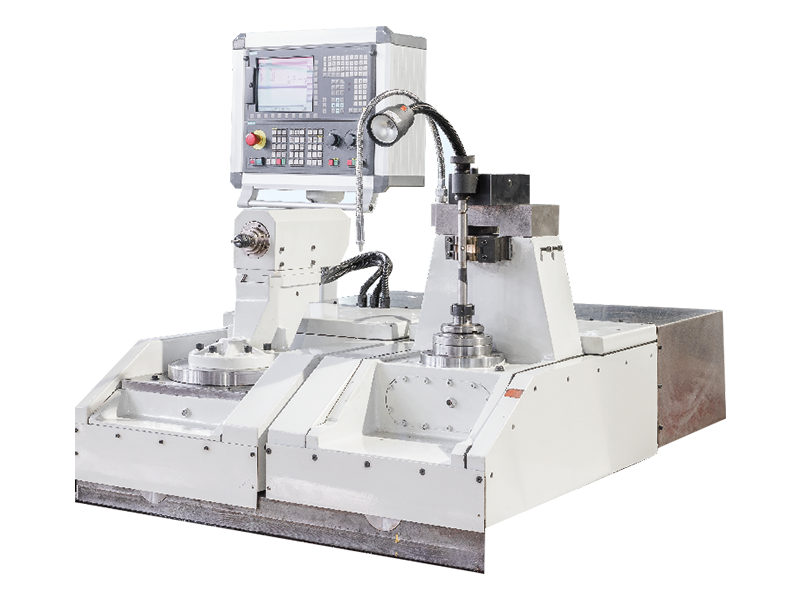
CNC roll grinding machines are the most critical piece of equipment in a rolling mill roll shop. Their function — precision grinding of roll surface geometry and profile — directly determines the quality of every product the mill produces. Modern CNC roll grinders are sophisticated systems integrating precision grinding mechanics, in-process dimensional measurement, profile correction software, and condition monitoring.
A CNC roll grinding machine consists of a heavy cast iron or welded steel bed (weighing 30–150 tonnes for large machines), headstock and tailstock with precision spindles to support the roll between centers, a grinding wheel carriage traversing along the roll body on high-precision linear guideways, and a CNC control system managing all axes. The grinding wheel — typically a vitrified CBN (cubic boron nitride) or aluminum oxide wheel — traverses along the roll while the roll rotates at 15–60 rpm, removing material in a controlled helical path at depth of cut typically 0.002–0.020 mm per pass.
In-process gauging systems — typically using air gauging or touch-probe measurement — continuously measure the roll diameter and profile at multiple points along the body during grinding. The CNC system compares measured geometry against the target profile (flat, cambered, or profiled depending on the rolling process) and automatically adjusts wheel infeed and traverse to correct deviations. This closed-loop profile control is what distinguishes modern CNC roll grinders from earlier manual or numerically controlled machines — it enables automatic profile correction without operator intervention and produces consistent results regardless of operator skill level.
Rolling mill rolls are not ground flat — they are ground to a specific crown or profile shape that compensates for roll bending under load and controls the thickness profile of the rolled product across its width. Crown values for hot strip mill work rolls typically range from 0.05–0.20 mm (100 µm–200 µm) of positive or negative crown across the roll body length. Achieving this profile with the required accuracy of ±0.005–0.010 mm requires the CNC grinder's X-axis (cross-slide) to execute a precisely calculated curve relative to the Z-axis (traverse) position — a control task that modern CNC roll grinder systems handle automatically from entered roll profile data.
Advanced CNC roll grinding machines also support complex profile shapes beyond simple parabolic crowns: sinusoidal profiles, edge relief profiles (to reduce edge drop), and customized profiles derived from backward calculation from actual rolled product profile measurements. The ability to match the roll profile to the specific mill's requirements is a significant competitive advantage of modern CNC roll grinding over profile grinding wheels that are fixed to a single profile shape.
| Application | Max Roll Weight (kg) | Max Roll Diameter (mm) | Max Grinding Length (mm) | Diameter Tolerance | Surface Finish Ra |
|---|---|---|---|---|---|
| Cold mill work rolls | Up to 8,000 | 200–600 | Up to 2,500 | ±0.001–0.003 mm | 0.05–0.2 µm |
| Hot strip mill work rolls | Up to 25,000 | 500–1,000 | Up to 3,000 | ±0.003–0.008 mm | 0.2–0.6 µm |
| Backup rolls (wide strip) | Up to 80,000+ | 1,200–2,000 | Up to 4,500 | ±0.005–0.015 mm | 0.4–1.2 µm |
| Section mill / bar mill rolls | Up to 15,000 | 400–900 | Up to 2,500 | ±0.005–0.010 mm | 0.4–1.6 µm |
The global market for CNC roll grinding machines is served by a small number of specialist manufacturers who have the engineering capability to build machines at the required scale and precision:
CNC roll turning lathes perform the rough and semi-finish turning operations on rolling mill rolls — removing the bulk of material after roll failure, spalling, or excessive wear before final precision grinding. They also machine roll necks, drive coupling profiles, and other cylindrical features on roll bodies. In rolling mill roll shops, CNC turning is a prerequisite operation for rolls requiring significant material removal — grinding a deeply worn or damaged roll directly without prior turning would be economically wasteful (grinding wheels are more expensive than turning inserts per unit material removed) and potentially damaging to the grinding machine.
CNC roll turning lathes for heavy industry are fundamentally different from standard CNC turning centers in their structural design. A CNC lathe for backup roll turning must support rolls weighing up to 80,000 kg (80 tonnes) between headstock and tailstock — requiring machine beds cast from 30–100 tonnes of Meehanite cast iron or fabricated steel for the structural rigidity needed to hold tolerances under heavy cutting forces. Key structural parameters include:
Turning of hardened roll materials — particularly high-speed steel (HSS) rolls at 65–70 HRC and high-chrome cast iron at 60–75 Shore C — requires cutting tool materials and geometries specifically developed for hard turning. PCBN (polycrystalline cubic boron nitride) inserts are the standard choice for hard roll turning, offering the combination of hardness (Vickers hardness 2,700–3,200 HV), chemical stability at cutting temperatures, and wear resistance needed to maintain dimensional accuracy across multiple passes in hard materials. Cutting speeds for PCBN turning of HSS rolls are typically 80–150 m/min with feed rates of 0.15–0.35 mm/rev and depths of cut of 0.3–3.0 mm depending on condition of the roll surface and required material removal.
A CNC roll notching machine is a specialized CNC machining system designed to cut precise notches, grooves, calibers, passes, or profiles into the working surface of rolling mill rolls — particularly section mill rolls used for producing structural steel shapes (beams, channels, angles), wire rod, bar, and rail. While CNC grinding machines refine cylindrical surfaces, notching machines create the complex three-dimensional form features that define the cross-sectional shape of the product being rolled. The precision and repeatability of notch geometry directly controls dimensional tolerances of the finished section product.
In section rolling mills — as opposed to flat rolling mills producing strip or sheet — the rolls carry a series of grooves or "passes" cut into their circumference, each pass shaped to progressively reduce and form the steel billet from its initial rectangular cross-section through a sequence of shapes to the final product profile. For example, producing a 100 × 100 × 8 mm equal-leg angle section requires a series of 8–12 intermediate pass profiles machined into successive roll pairs before the final finishing pass. Each pass must be cut to precise dimensions matching the roll pass design — angular dimensions, fillet radii, groove widths and depths — to ensure the material flows correctly through the pass sequence and the finished product meets the applicable EN, ASTM, or JIS standard dimensional tolerances.
Traditional roll turning and milling of passes required multiple setups, skilled manual interpretation of pass design drawings, and time-consuming verification. CNC roll notching machines automate this process: the pass geometry is programmed from digital roll pass design data (typically imported from dedicated roll pass design software such as SMS group's design tools or equivalent), and the machine executes the full pass geometry automatically with continuous verification against the programmed profile.
A CNC roll notching machine is essentially a purpose-built CNC turning/milling center with the following specific features:
| Pass / Groove Type | Product Application | Key Geometric Feature | Typical Dimensional Tolerance |
|---|---|---|---|
| Box / oval pass | Bar, rod, billet reduction | Rectangular / elliptical groove with fillet radii | ±0.05–0.10 mm on width/depth |
| Round pass | Wire rod, round bar finishing | Semicircular groove; precise radius and groove depth | ±0.02–0.05 mm on radius |
| Angle / section pass | Structural angles, channels | Angled flanks, specific included angles, fillet radii | ±0.05 mm on flank position, ±0.1° on angle |
| I-beam / H-beam pass | Universal beams, columns | Complex web and flange profiles; tapered flanges | ±0.05 mm on critical dimensions |
| Rail pass | Railway rails (Vignole, crane) | Head radius, web taper, base flange profile | ±0.03 mm on head profile radius |
| Flat / edging pass | Flat bar, strip edge conditioning | Flat bottom with draft angle sidewalls | ±0.05 mm on width and depth |
Modern CNC roll notching machines are designed for direct integration with roll pass design (RPD) software — the specialist engineering tools used to calculate the optimal pass sequence geometry for a given product from a given entry billet. RPD software outputs pass geometry data in formats compatible with CNC notching machine control systems (DXF, proprietary CAD formats, or standardized parametric data files), eliminating manual re-entry of geometric data and the associated transcription errors. This digital workflow — from product specification through RPD calculation to CNC machine program generation to machined roll verification — is the foundation of modern precision roll pass manufacturing in leading steel and non-ferrous rolling facilities.
While roll grinding and notching are the most distinctive CNC applications in rolling mill environments, heavy metal processing facilities require a broader range of CNC machine tools for equipment manufacture, maintenance, and repair. These heavy-duty CNC machines for metal processing share the common characteristic of being engineered for workpiece weights, cutting forces, and dimensional scales that standard manufacturing CNC centers cannot accommodate.
Rolling mill rolls with center bore holes (used for cooling water circulation or mechanical drive) require CNC deep hole boring to create the central bore with precise diameter tolerance, straightness, and surface finish. Deep hole boring in roll materials — forged steel, cast iron, HSS — presents challenges of chip evacuation, coolant delivery, and boring bar deflection over bore lengths of 1,000–3,500 mm in materials with hardness of 200–500 HB. CNC deep hole boring machines (gun boring machines) use single-lip gun drills or BTA (Boring and Trepanning Association) drilling systems with high-pressure coolant (typically 60–120 bar) to flush chips from the bore and cool the cutting edge. Bore diameter tolerances of H7 (±0.010–0.025 mm) and straightness of 0.1–0.3 mm over full bore length are standard requirements.
Vertical turning lathes (VTLs) with CNC control are used in rolling mill maintenance for machining large diameter components — rolling mill housing bores, mill chock bores, large bearing housings, and flanges — that are too heavy or large-diameter to rotate conveniently in a horizontal lathe. Heavy-duty CNC VTLs for rolling mill maintenance typically handle table diameters of 1,600–6,300 mm and workpiece weights of 20,000–100,000 kg. Some VTL configurations combine turning and milling (mill-turn or turn-mill centers) allowing complex machining of housing components in a single setup — reducing setup time and improving geometric accuracy by avoiding repositioning errors between operations.
Large horizontal boring mills (floor borers or table-type boring mills) with CNC control are used for machining mill housings, rolling mill frames, gearbox casings, and structural components of rolling equipment. These machines handle workpieces that may weigh 50,000–200,000 kg and have dimensions measured in meters rather than millimeters. CNC horizontal boring mill requirements in heavy metal processing applications include:
Rolling mill drives — the pinion stands, gear spindles, and main drives that transmit power from motors to rolls — contain large precision gears requiring CNC gear grinding for final accuracy. CNC gear grinding machines for rolling mill drive gears must handle gear modules of Module 8 to Module 40, pitch diameters of 500–3,000 mm, and workpiece weights of 5,000–30,000 kg. The gear accuracy class required for rolling mill drives is typically ISO 4–6 (AGMA 11–13) — high-precision requirements demanding dedicated CNC gear grinding rather than hobbing alone. Leading manufacturers of large CNC gear grinding machines for this application include Reishauer, Klingelnberg, Gleason, and Niles.
The CNC control system in rolling mill and heavy industry machinery must meet requirements that differ significantly from standard machining center controls. The extreme workpiece inertia, slow traverse speeds on large machines, in-process gauging integration, and application-specific programming requirements demand either specialized industry-standard CNC platforms or purpose-built control systems from the machine manufacturer.
The majority of heavy CNC machines for rolling mill applications use one of the following established CNC control platforms, adapted with application-specific software cycles for roll machining:
The integration of in-process measurement with CNC control is a defining feature of state-of-the-art roll machining systems. Measurement technologies integrated with CNC roll machining include:
Procuring CNC machines for rolling mill and heavy industry environments requires a structured evaluation process that goes beyond comparing machine specifications in a catalogue. The following framework addresses the most commercially significant selection criteria.
The starting point for machine selection is a complete definition of the workpiece population the machine must accommodate — current and future. For a rolling mill roll shop, this means defining:
The accuracy requirement drives machine specification more than any other single parameter. A machine specified for ±0.010 mm cylindricity will be significantly simpler and lower cost than one specified for ±0.002 mm — but deploying an under-specified machine in a cold rolling application where ±0.010 mm is insufficient will produce unacceptable product quality defects. Tolerance requirements should be defined at the workpiece level (what the finished roll must achieve) and then back-calculated to machine accuracy requirements accounting for process capability reserves — typically requiring the machine to be capable of 3–5× better than the required tolerance to ensure consistent conformance under production conditions.
Heavy CNC machines for rolling mill applications have installation requirements substantially more demanding than standard manufacturing equipment:
The purchase price of a heavy CNC machine for rolling mill applications — typically ranging from $500,000 for a medium-sized CNC roll grinder to $5–10 million for a large backup roll grinding system — represents only a fraction of the total cost of ownership over the machine's 20–30 year service life. Key lifecycle cost elements include:
The CNC machine tools used in rolling mill and heavy metal processing environments are being transformed by several converging technological developments that are improving productivity, accuracy, and maintenance efficiency.
Modern CNC roll grinding machines increasingly incorporate adaptive control systems that adjust grinding parameters (feed rate, wheel speed, depth of cut) in real-time based on measured cutting forces, vibration, and acoustic emission signals. These systems detect wheel dulling, chatter onset, and workpiece hardness variations, automatically adjusting process parameters to maintain optimal cutting conditions without operator intervention. Machine learning algorithms trained on historical roll grinding data are being applied to optimize the grinding cycle time for new roll types — reducing the number of test grinds required to establish a stable process for a new roll material or profile specification.
Leading machine tool builders and rolling mill operators are implementing digital twin models of CNC roll grinding processes — virtual machine and process models that simulate grinding behavior, predict wheel wear, and calculate optimal process parameters before machining begins. The digital twin approach reduces trial-and-error cycle time when introducing new roll materials or profiles, and provides a simulation environment for training operators without consuming production machine time. Integration of digital twin roll grinding models with mill process models — connecting roll shop output directly to predictions of finished product quality — is the frontier of digitalization in this sector.
CNC machines for rolling mills are high-capital assets whose unplanned downtime has direct, measurable impact on mill production. Condition monitoring systems continuously measure vibration spectra, bearing temperatures, spindle current draw, and coolant quality, detecting developing faults in spindle bearings, guideway wear, and drive system components weeks before they cause machine failure. Predictive maintenance scheduling based on condition monitoring data — rather than fixed time-based service intervals — reduces total maintenance cost while improving machine availability. Remote diagnostic connectivity (with appropriate cybersecurity protocols) enables machine builder service engineers to access real-time machine data for remote diagnosis and support, reducing response time to technical issues in geographically remote rolling mill locations.

 Download Material

 E-mail: [email protected]
  Mob: +86-13806297906
  Tel: +86-513-85562198
  Add:No. 99 Tiantong Road, Nantong City, Jiangsu Province.
Factory scene
Copyright@ Jiangsu Dingshun Heavy duty Machine Tool Co., Ltd. All Rights Reserved.




 English
  русский
  Español
  عربى
عربى