Content
When a rolling mill needs to re-machine a worn work roll, the difference between an acceptable repair and an expensive reject often comes down to the stability of the machine tool over a long cut. If the machine lacks rigidity, vibrations mark the roll surface. If the control cannot hold a programmed diameter consistently, the roll must be reworked or scrapped. For a plant that processes hundreds of large rolls or hardened roll rings per year, that risk is not theoretical.
The practical conclusion is simple: custom automation equipment for metals is not a generic robot bolted onto an existing line. It is a purpose-built machine configuration, usually a CNC heavy-duty lathe, grinder, or milling system, designed around the geometry, material, and production volume of a specific metal part.
In metalworking, automation usually appears inside the machine tool rather than beside it. The control system holds the cutting path, the tool changer reduces manual set-up, and the clamping or steady-rest arrangement is built for heavy cylindrical workpieces. For steel producers, the common scope includes:
For an overview of the role of controls in this environment, see how CNC systems improve precision and efficiency in rolling mills. The important difference is that a custom metalworking system is not defined by the CNC unit alone; it is defined by the combination of the control, the mechanical structure, the workholding, and the tooling.
The case for custom automation strengthens with workpieces that are heavy, large, or supplied in high volume. A manual operator can set up a roll and take the first cut, but controlling surface finish over a multi-hour cycle is far more reliable with a CNC system. A standard machining center can cut metal, but its work envelope and spindle orientation are designed for general parts, not for a backup roll that weighs several tons.
Another driver is the cost of poor quality. When a roll loses its specified geometry after a bad machining pass, the plant loses both material and machine time. Custom automation reduces that risk by keeping the cutting conditions under controlled, repeatable cycles. For plant managers, that translates into less scrap, fewer rework hours, and more predictable throughput.
The table below compares manual, standard CNC, and custom automated equipment for metal processing. It reflects what a purchasing team should expect to discuss.
| Capability | Manual operation | Standard CNC machine | Custom automation equipment |
|---|---|---|---|
| Set-up for heavy rolls | Long and operator dependent | Moderate; often needs extra fixturing | Built-in heavy-duty workholding and tailstock support |
| Repeatability over long cycles | Depends on operator skill | Good, but limited by machine stiffness | Designed for large-diameter parts and continuous cutting |
| Tooling and process integration | Manual tool changes | Limited automation options | Automatic tool changers and dedicated cycles |
| After-sales support | General machine repair | Generic service | Builder familiar with roll and ring processing |
This is why most serious procurement decisions in steel plants involve more than comparing spindle speed. The right system handles the specific workpiece family without constant adjustments.
For metals, the broad term "custom automation" hides several very different machine types. Buyers should recognize the machines by the operation they are meant to automate.
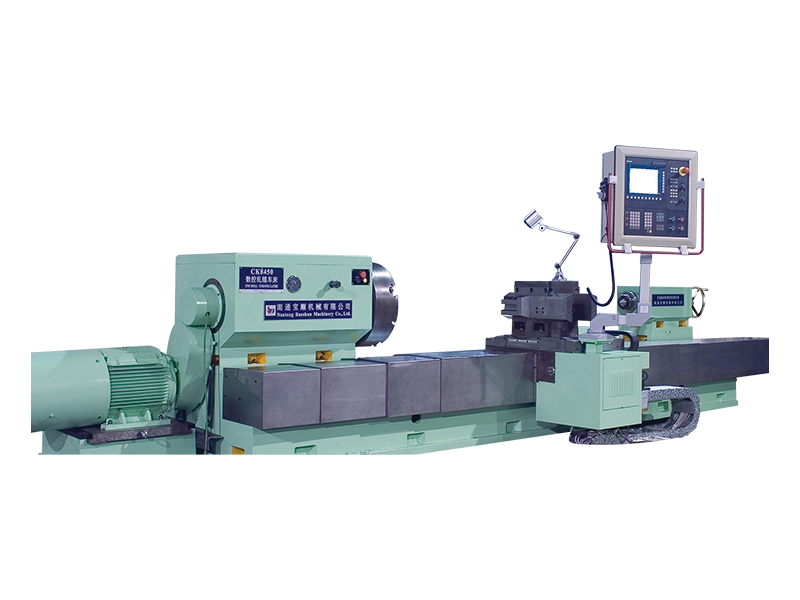
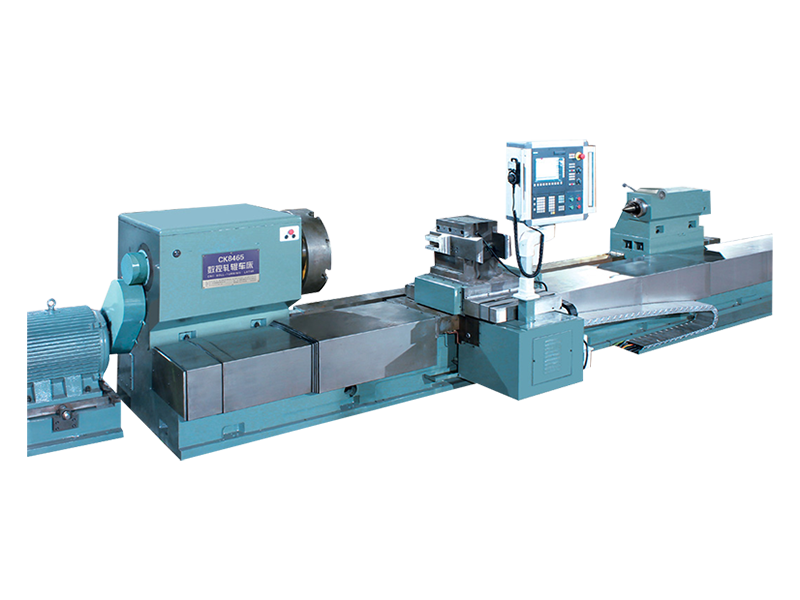
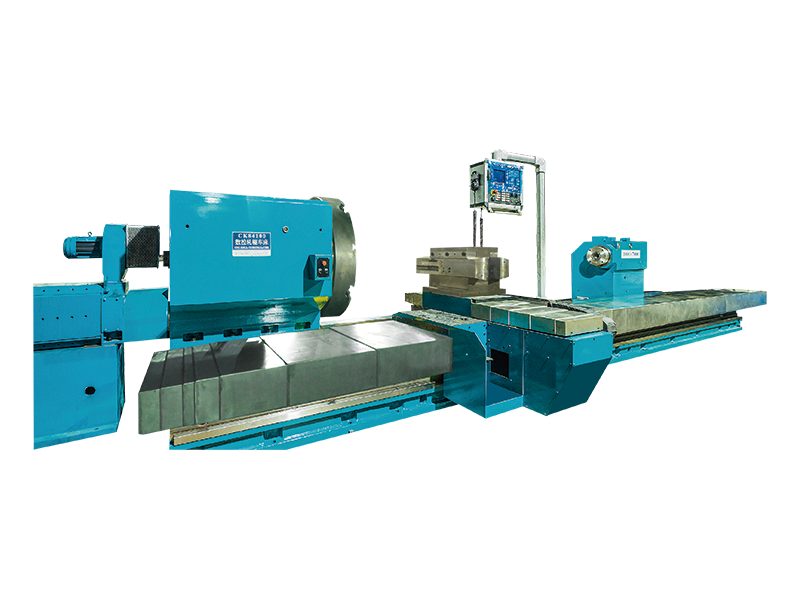
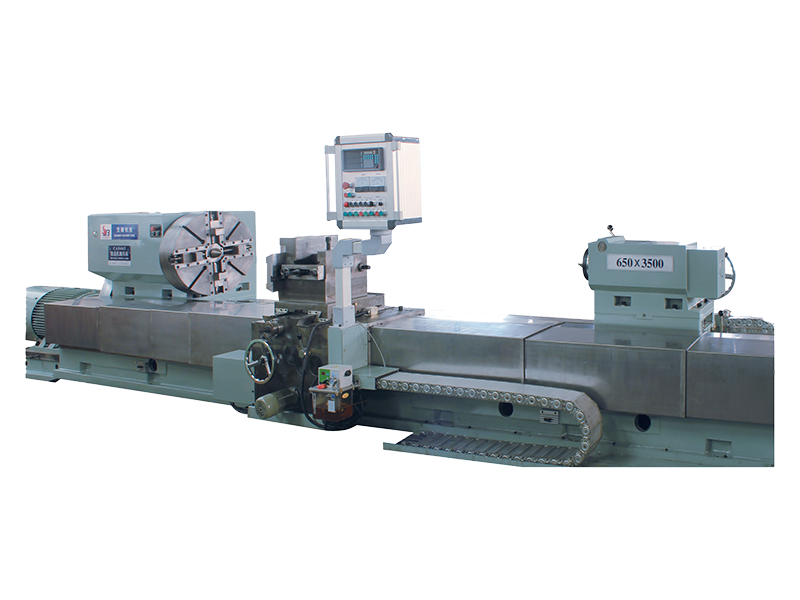
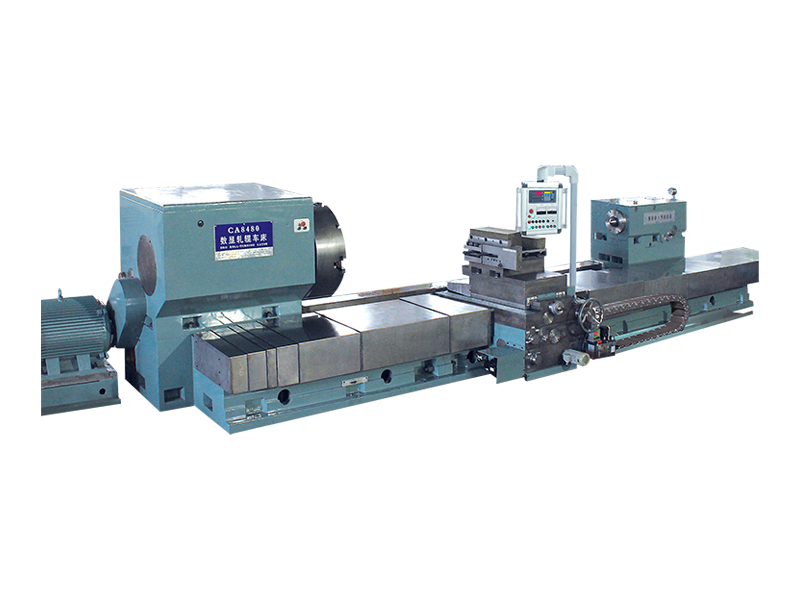
Rolls are among the largest workpieces in a metal plant. Automating their turning requires a lathe with enough torque, stiffness, and control resolution to remove uneven stock and still finish to a tight diameter. The CK8450 precise and multifunctional CNC roll lathe is a representative example of custom automation for this class: it is sized for heavy cast iron and steel rolls and has the axis control needed for automatic turning cycles. Automatic tool-changing and programmable roughing and finishing cycles reduce the time the roll spends between cuts. For a deeper comparison of operating differences, see how CNC roller lathes compare with traditional lathes.
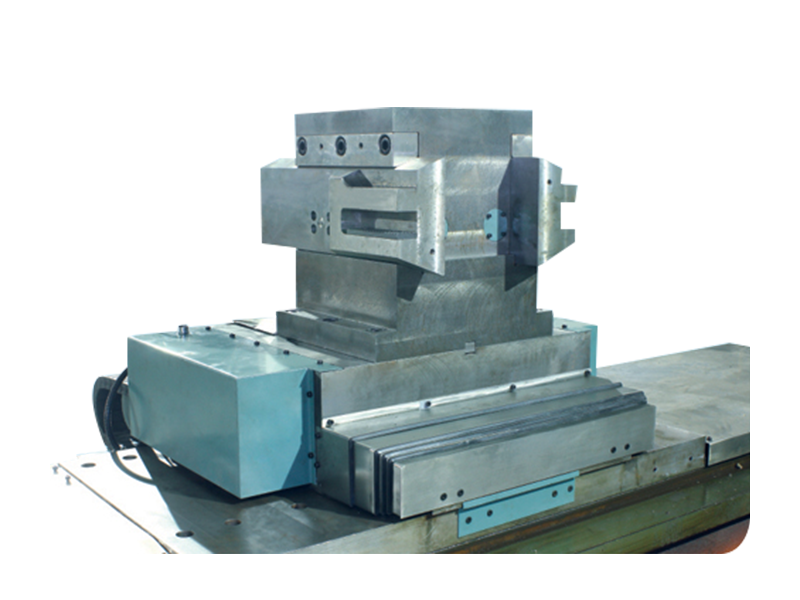 CK8450 CNC Roll Lathe Suppliers, Company - Jiangsu Dingshun Heavy Duty Machine TJiangsu Dingshun is China Custom CK8450 CNC Roll Lathe Suppliers and Company, Custom CK8450 CNC Roll Lathe for sale, This machine tool is...View Product →
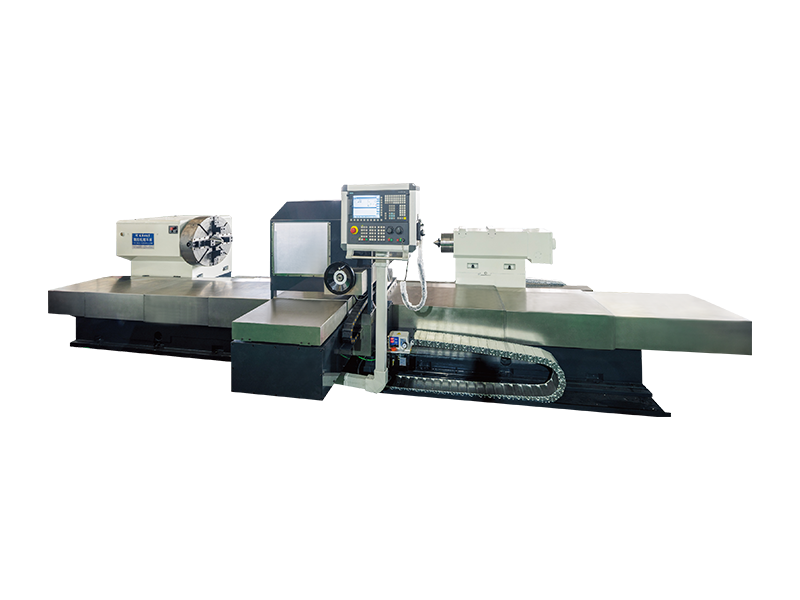
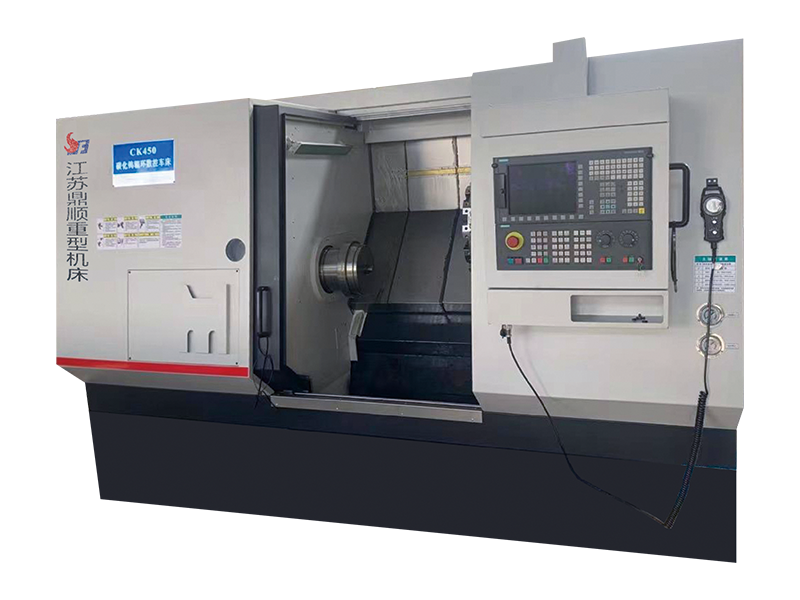
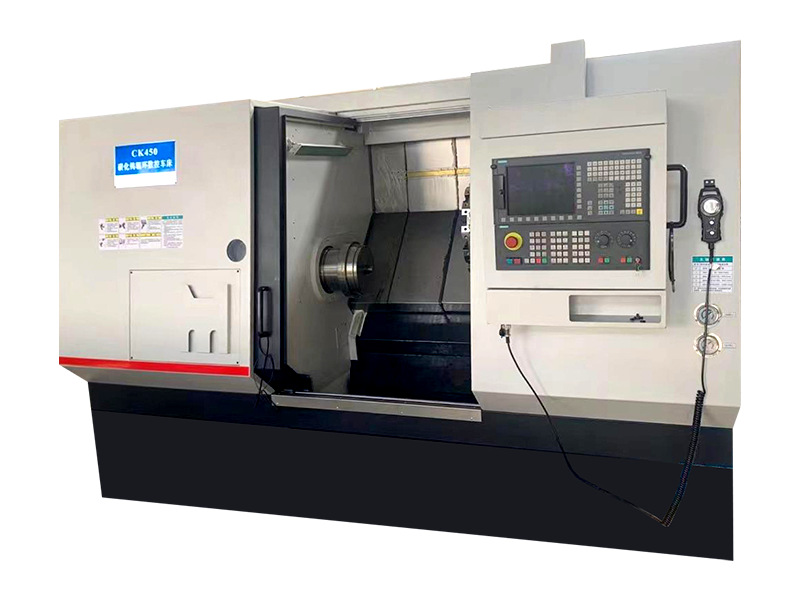
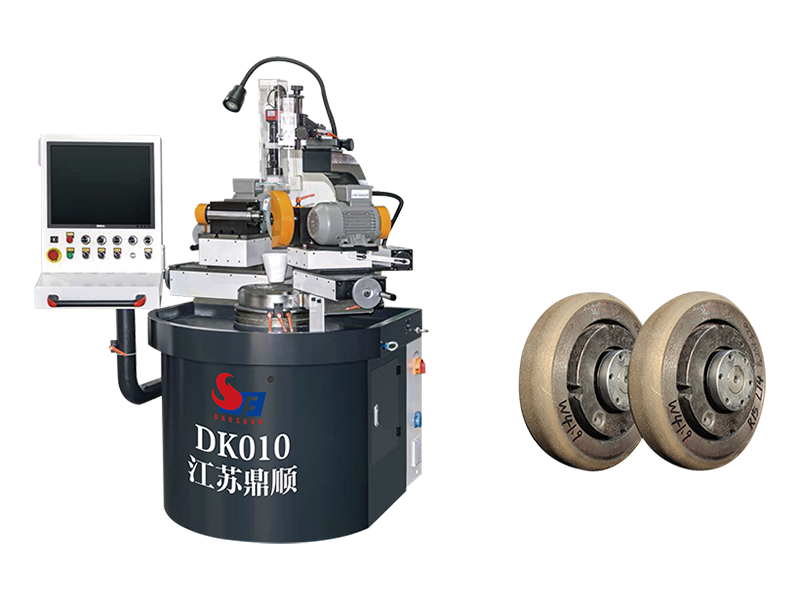
Roll rings are often heat-treated before finishing, and grinding becomes the last quality gate. A custom roll ring grinder brings together rigid work support, programmable grinding wheel dressing, and coolant handling for a repeatable surface. The SK0015 high-rigidity intelligent CNC roller ring grinding machine is one example of this approach, designed specifically for high-hardness roll ring materials. Programmed dressing cycles keep the wheel geometry consistent, which helps hold dimensions over long runs.
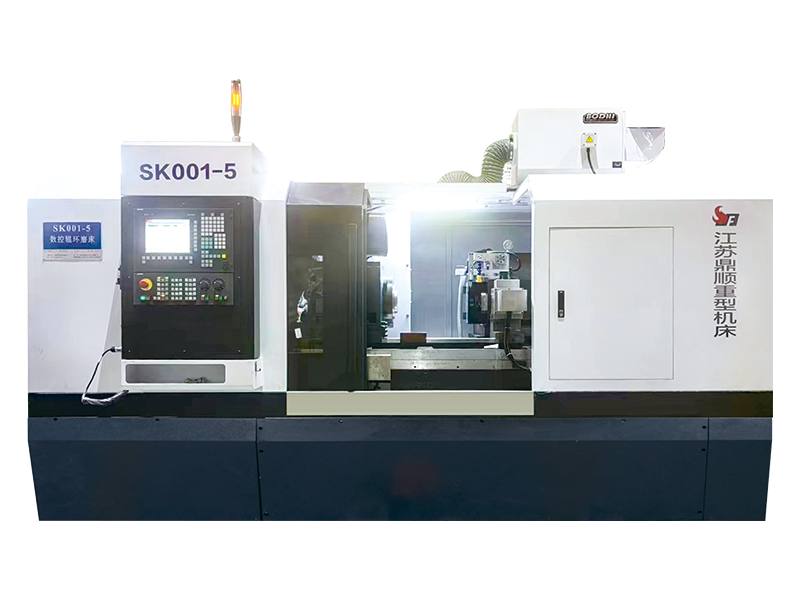 SK001-5 High Rigidity Intelligent CNC Roller Ring Grinding Machine Suppliers, CoJiangsu Dingshun is China Custom SK001-5 High Rigidity Intelligent CNC Roller Ring Grinding Machine Suppliers and Company, Custom SK001-5...View Product →
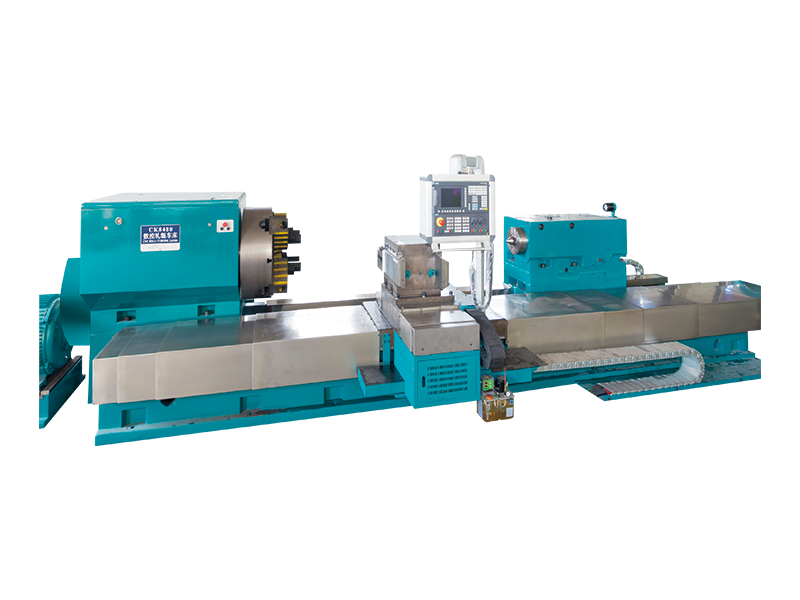
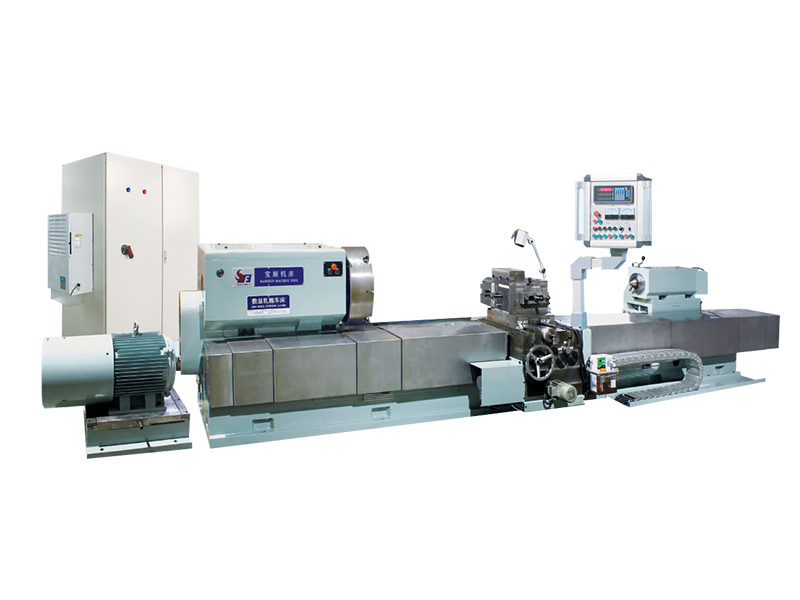
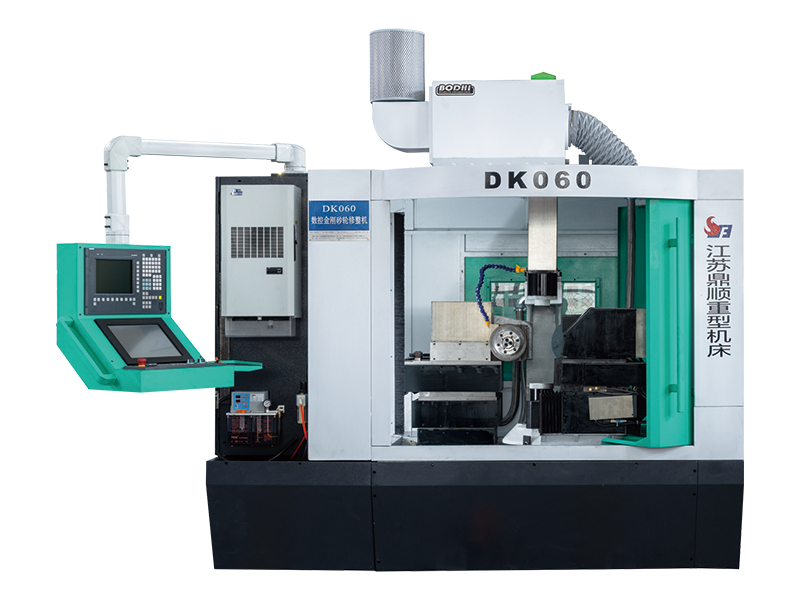
Some metal products require shaped profiles rather than plain cylinders. Backup rolls with crescent grooves and textured patterns need a milling machine that can move the tool in more than one axis while supporting long, heavy workpieces. The XK8460H heavy-duty CNC roll crescent groove milling machine is custom automation for exactly this process: it combines a heavy-duty structure with the control to generate groove geometry accurately. The machine is configured to keep the workpiece stable while the cutter path follows the required profile, reducing the risk of indexing errors.
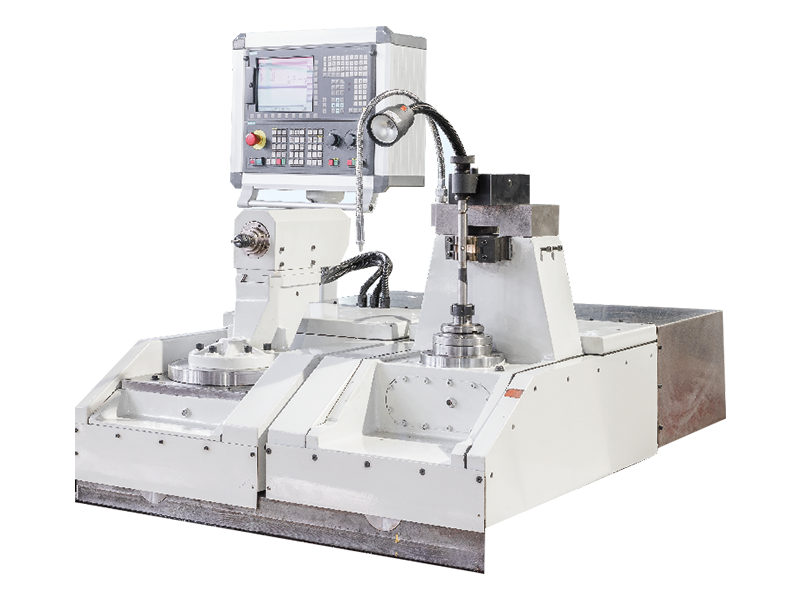 XK8460H Heavy-Duty CNC Roll Crescent Groove Milling Machine Suppliers, Company -Jiangsu Dingshun is China Custom XK8460H Heavy-Duty CNC Roll Crescent Groove Milling Machine Suppliers and Company, Custom XK8460H Heavy-...View Product →
Once the workpiece and operation are clear, the next question is who can deliver more than a catalogue machine. Ask these questions in the early stage:
Before ordering, ask whether the builder can validate the cycle with a no-load run or a test piece. A well-designed custom machine should demonstrate the expected cutting path, clamping logic, and chip removal. This step often reveals issues that a specification sheet will not.
The value of a specialized machine builder shows in the details: a builder that has worked with steel producers can anticipate coolant, chip removal, and thermal deformation questions that a general equipment supplier might miss. The same is true for on-site commissioning and technical training for operators, which often determines how quickly the equipment reaches stable production.
Custom automation equipment for metals should be planned as a system, not a single purchase. The machine is only one part. Tooling, CNC programs, fixture design, spare parts, and service response all sit inside the payback calculation. Budget should include the machine foundation, electrical installation, operator training, spare parts, and a preventive maintenance schedule.
For many metal producers, the real measure is not the fastest spindle or the largest swing, but the percentage of parts that meet specification on the first pass. A machine that turns out a consistent good part at a predictable cycle time will deliver better results than one with more theoretical speed and more downtime.
That is why the final conclusion is conservative: do not specify custom automation equipment for metals until the workpiece, the production volume, and the after-sales support plan are clear. When those three points are fixed, a purpose-built CNC roll lathe, roll ring grinder, or groove milling machine can be one of the most cost-effective moves a metalworking plant makes.

 Download Material

 E-mail: [email protected]
  Mob: +86-13806297906
  Tel: +86-513-85562198
  Add:No. 99 Tiantong Road, Nantong City, Jiangsu Province.
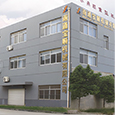
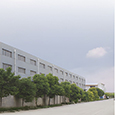
Factory scene
Copyright@ Jiangsu Dingshun Heavy duty Machine Tool Co., Ltd. All Rights Reserved.




 English
  русский
  Español
  عربى
عربى