Content
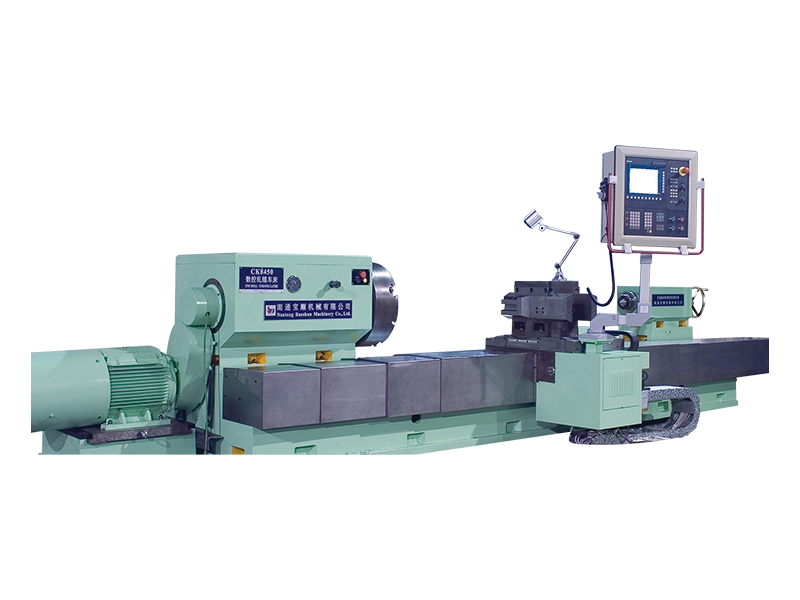
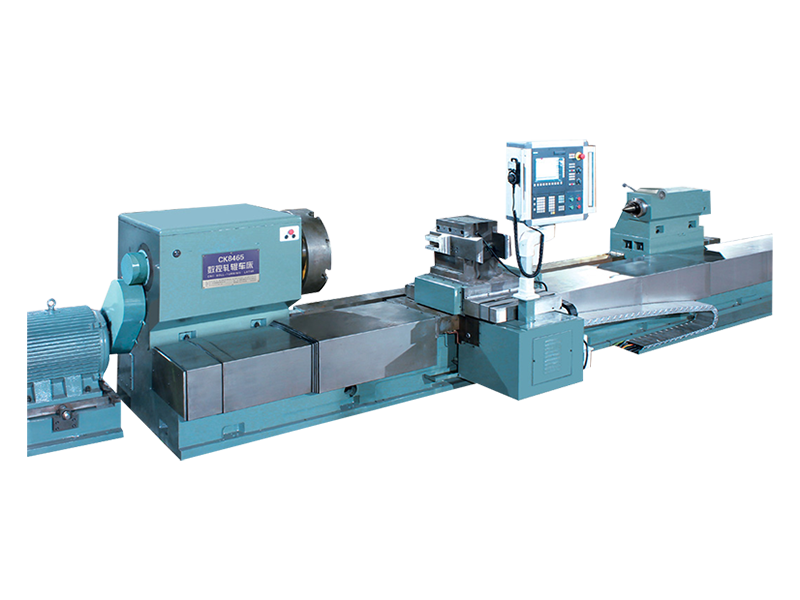
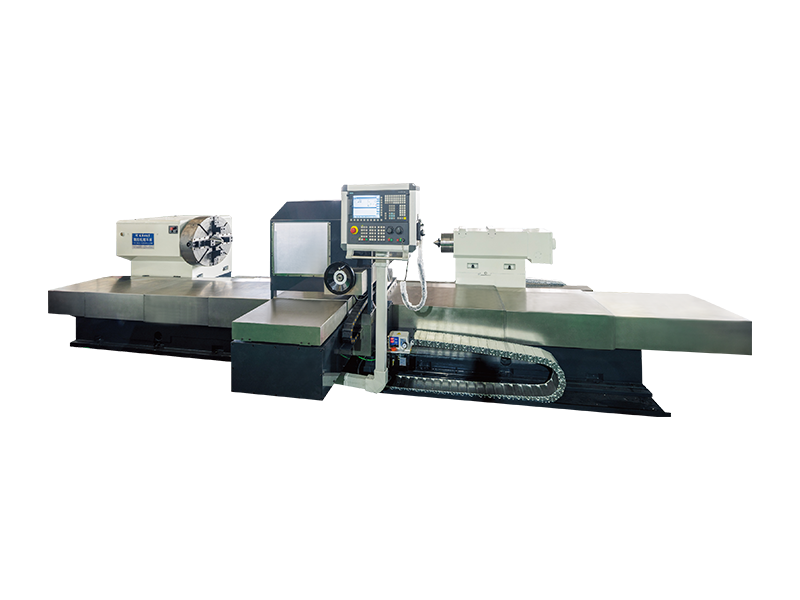
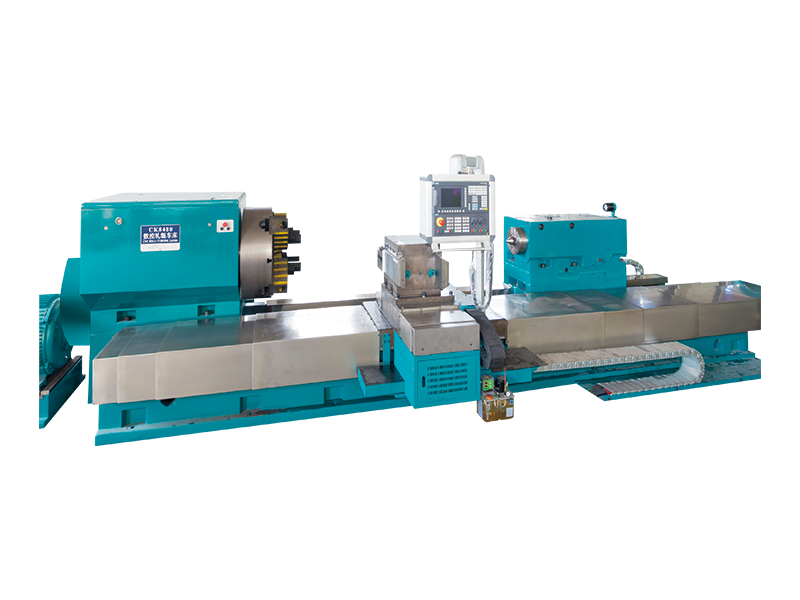
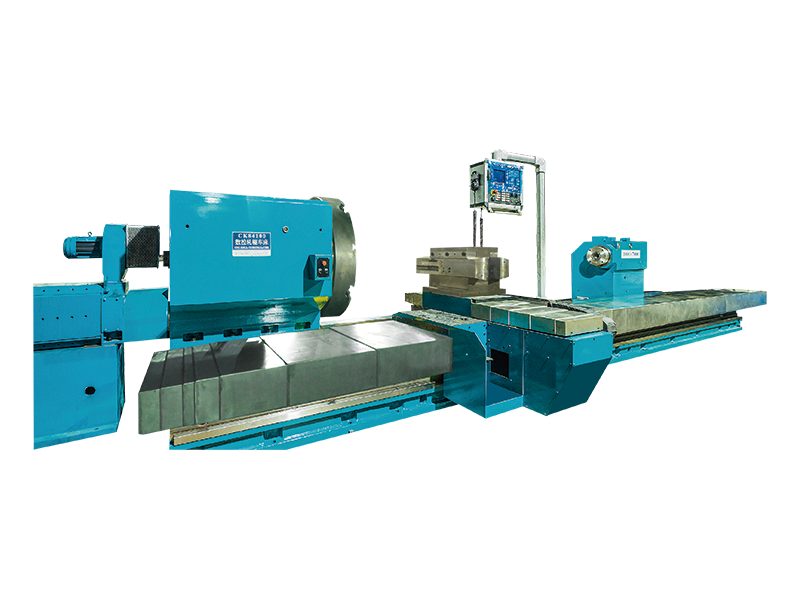
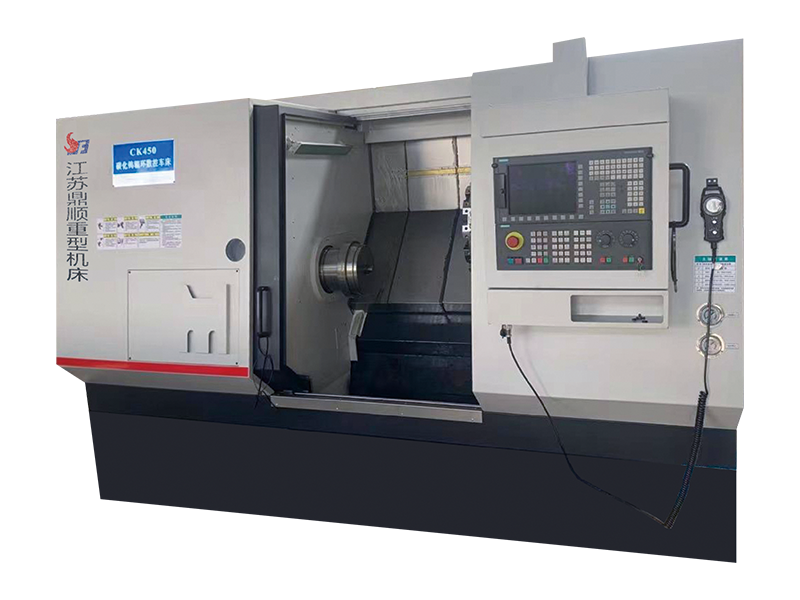
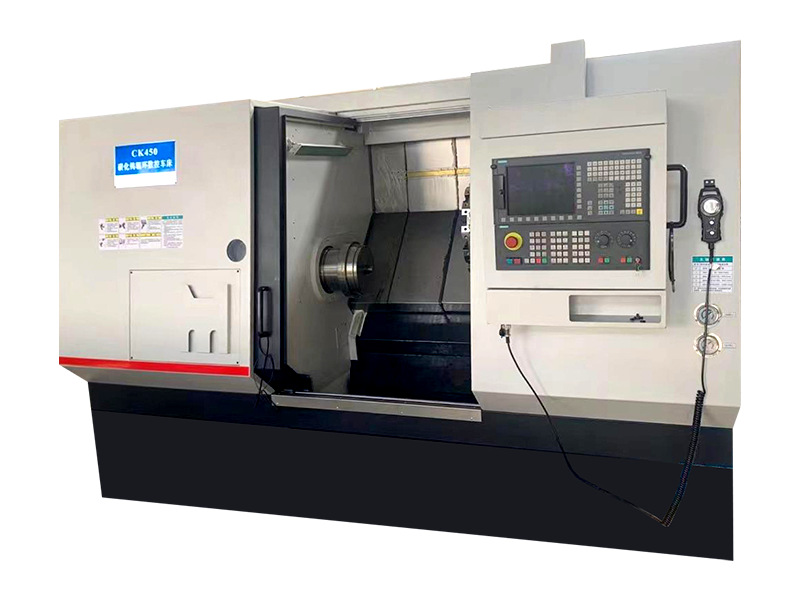
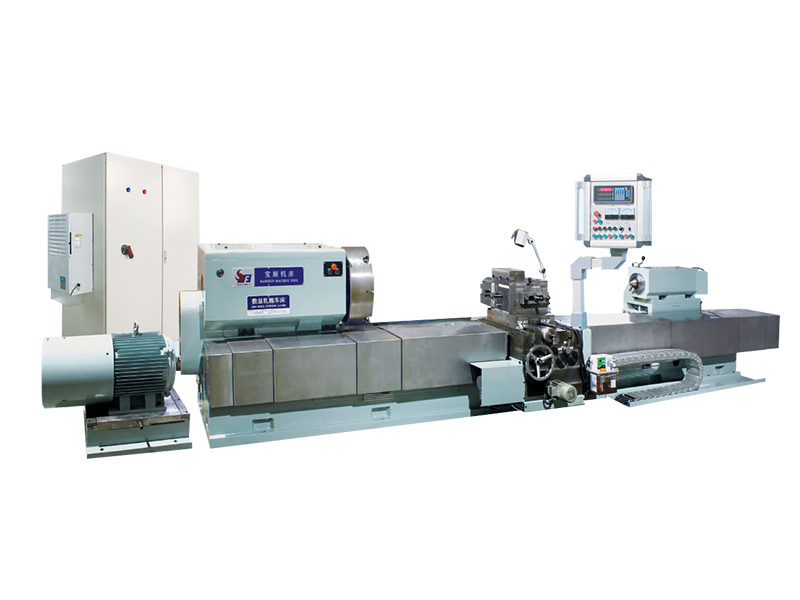
A CNC roller processing machine is a computer-controlled forming system that uses a series of rotating rollers to bend, shape, or profile metal sheets, coils, pipes, and tubes into precise geometric forms. Unlike manual roll benders that rely on operator judgment, CNC roller machines use servo motors, encoders, and programmable logic controllers to execute forming operations with repeatable accuracy down to fractions of a millimeter. This makes them indispensable in industries where dimensional consistency across thousands of parts is a production requirement rather than a preference.
These machines typically process materials such as carbon steel, stainless steel, aluminum, and copper alloys, converting flat or tubular stock into curved panels, rings, cylinders, coils, or custom profiles used in construction, transportation, and industrial equipment manufacturing.
The working principle of a CNC roller processing machine centers on progressive plastic deformation. Material is fed between two or more rollers arranged in specific configurations, and as the rollers rotate, they apply controlled compressive force that permanently bends the material along a defined curvature or profile. The CNC system governs roller position, rotation speed, and feed rate based on a pre-programmed part file, allowing the same machine to produce different curvatures or shapes without manual retooling for every job.
Most CNC roller machines use one of the following roller arrangements, each suited to different forming tasks:
Precision comes from closed-loop servo control. Encoders mounted on each roller axis continuously report actual position back to the controller, which compares this against the programmed target and makes real-time corrections. This feedback loop compensates for material springback, a natural tendency of metal to partially return to its original shape after bending force is removed, ensuring the final curvature matches the design specification rather than the theoretical roller position alone.
CNC roller processing machines serve a wide range of manufacturing sectors, each with distinct material and tolerance requirements.
In construction, these machines roll steel beams, curved facade panels, and structural tubes used in stadium roofing, curved staircases, and decorative architectural elements. The ability to program exact radii allows fabricators to match architectural drawings without producing physical templates for every unique curve.
Cylindrical shells for storage tanks, boilers, and pressure vessels require uniform wall curvature to maintain structural integrity under internal pressure. CNC roller machines form these shells from thick steel plate with the consistency needed to pass pressure vessel certification standards.
Exhaust systems, chassis tubing, and structural frame components often require tubes bent to tight tolerances at specific angles. CNC roller and tube-forming machines produce these parts at high volume while maintaining wall thickness consistency, which is critical for both safety and weight optimization.
Round and spiral ducting used in ventilation systems is produced on CNC roller machines that form sheet metal into cylindrical sections, which are then seamed and joined into continuous ductwork runs for commercial buildings.
| Roller Type | Typical Material Thickness | Common Application |
| Three-Roll | 3mm–50mm plate | Pressure vessel shells, pipe sections |
| Four-Roll | 2mm–40mm plate | Tanks requiring minimal flat edges |
| Multi-Roll Profile | 0.5mm–6mm coil | Architectural panels, channel profiles |
| Tube Roller | 0.8mm–10mm wall | Automotive tubing, furniture frames |
Several variables influence how precisely a CNC roller machine can shape a given part, and understanding them helps buyers select the right equipment for their production needs.
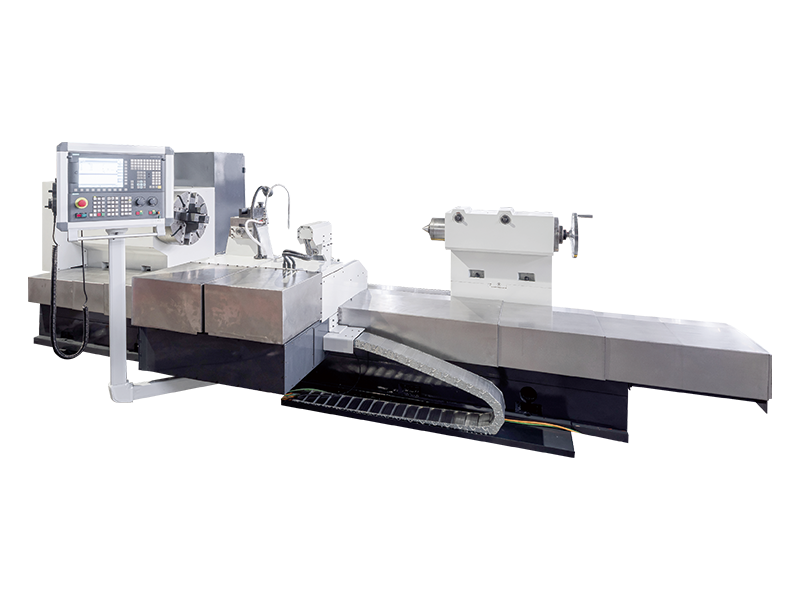
Selecting an appropriate CNC roller processing machine depends on the material type, thickness range, part geometry, and required production volume. Manufacturers producing large-diameter pressure vessels need heavy-duty three or four-roll machines with high tonnage capacity, while facilities producing architectural panels or ducting benefit more from multi-roll profile systems optimized for thinner gauge material and rapid changeover between jobs.
Buyers should also evaluate software compatibility, since modern CNC roller machines increasingly integrate with CAD/CAM systems, allowing part geometry to be imported directly from design files rather than manually programmed at the control panel. This reduces lead time and minimizes the risk of transcription errors between design and production.
Ultimately, the value of a CNC roller processing machine lies in its ability to convert complex curvature requirements into repeatable, high-precision production, supporting industries where dimensional accuracy and process consistency are non-negotiable requirements of the final product.

 Download Material

 E-mail: [email protected]
  Mob: +86-13806297906
  Tel: +86-513-85562198
  Add:No. 99 Tiantong Road, Nantong City, Jiangsu Province.
Factory scene
Copyright@ Jiangsu Dingshun Heavy duty Machine Tool Co., Ltd. All Rights Reserved.




 English
  русский
  Español
  عربى
عربى