When a work roll on a hot strip mill is pulled for its scheduled maintenance window, the inspection report often tells the same story: thermal fatigue cracks radiating across the barrel, a body diameter that has dropped below the mill's minimum pass tolerance, and journals that remain in good condition. The roll is far from scrap, but it also cannot go back into the mill as it sits.
The most economical answer for many steel mills is industrial roller remanufacturing, a structured process of inspection, machining, and finishing that restores a worn roll to serviceable condition. A properly remanufactured roll typically costs 30 to 50 percent of a new forging, and lead times are measured in weeks, not months. This article explains what roller remanufacturing involves, when it makes sense, and how to choose a capable machining partner.
Content
The economic logic is straightforward. A new cast or forged roll is a major capital expense. Over time, the barrel surface wears, thermal cracks develop, and the diameter eventually falls below the minimum that the pass design allows. But the roll core, neck, and drive end are often still metallurgically sound. Remanufacturing captures that remaining value instead of discarding it.
Typical savings come from three areas:
Lead time is often the deciding factor. A new roll can take 16 to 24 weeks from order placement to delivery. Remanufacturing an existing roll is typically completed in 2 to 6 weeks, depending on the amount of material to be removed and the surface finish required. For mills that keep a minimum number of spare rolls in circulation, that shorter turnaround directly affects production availability. Over a full year, a mill that remanufactures 20 rolls instead of buying new can reduce its roll budget by a significant six-figure amount, depending on roll size and grade.
Roller remanufacturing is not simply "turning a roll to a smaller diameter." It is a controlled sequence of operations, each of which affects the roll's performance in its next service campaign.
Every roll begins with dimensional measurements and a surface assessment. The operator records body diameter, checks journal concentricity, and documents visible cracks, spalling, or corrosion. This first inspection determines whether the roll can be remanufactured and how much material must be removed to reach sound metal underneath.
The damaged surface layer must be completely eliminated. If cracks remain below the new surface, they can propagate during rolling and cause premature roll failure. For this reason, remanufacturing shops make an intermediate cut and then use etching or magnetic particle inspection to confirm that all defects have been removed before proceeding to the finishing stage.
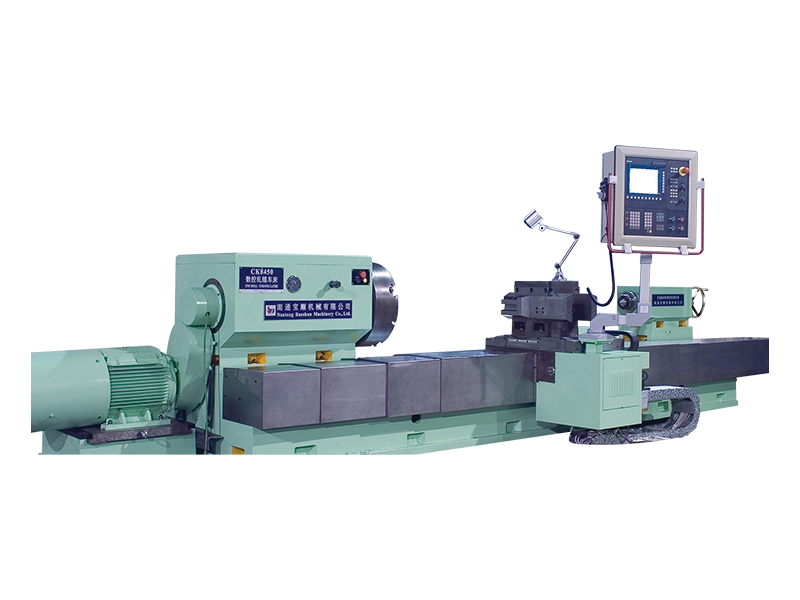
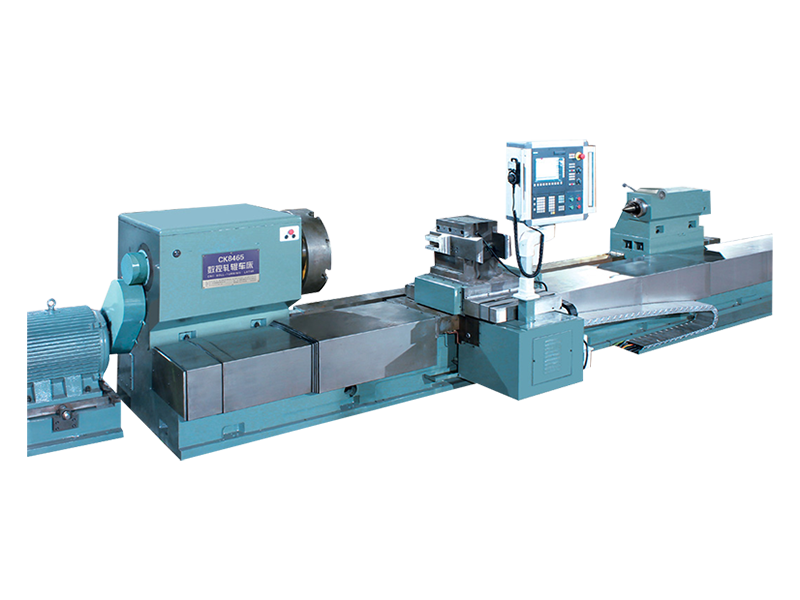
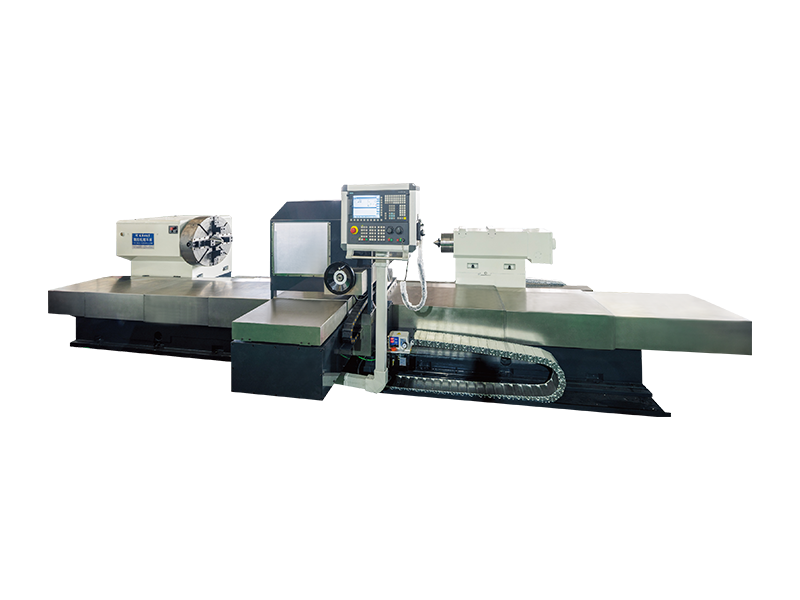
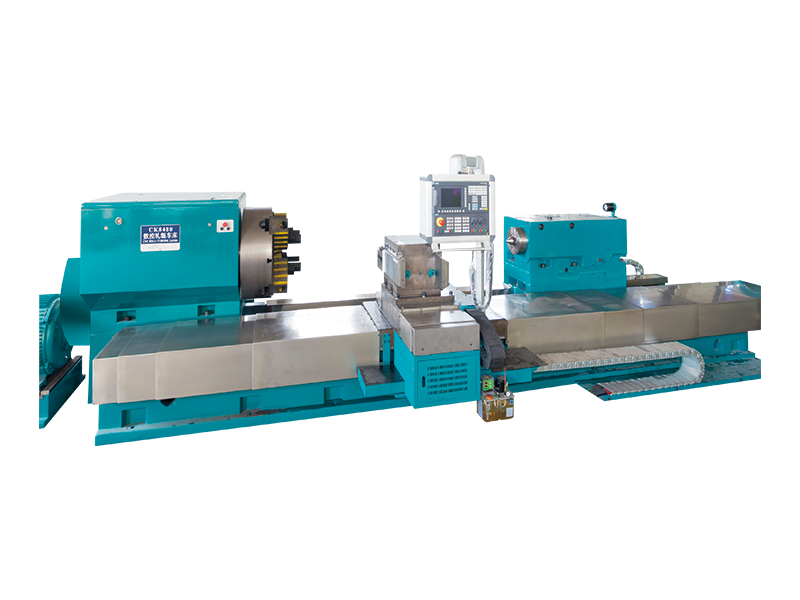
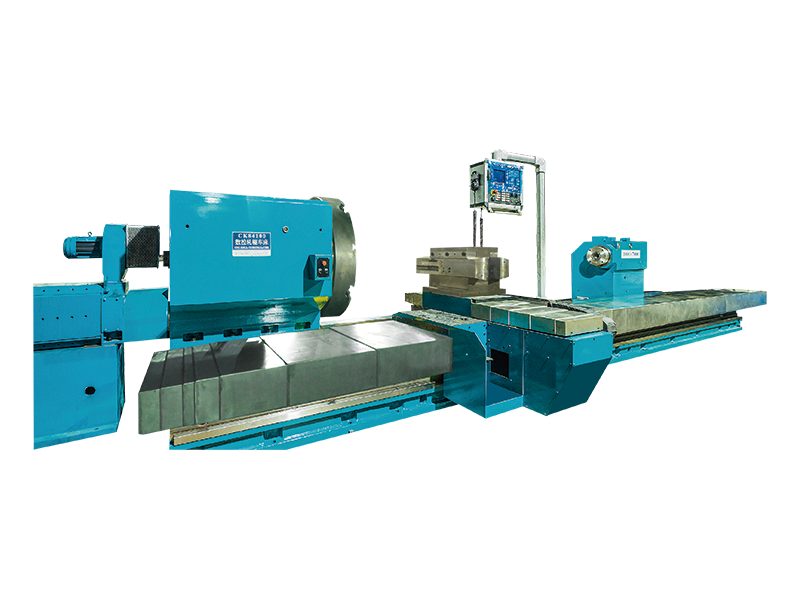
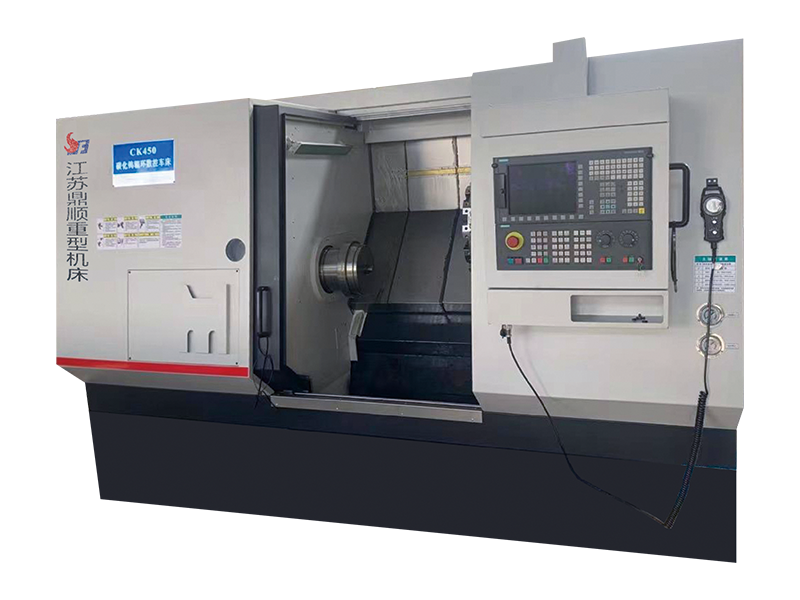
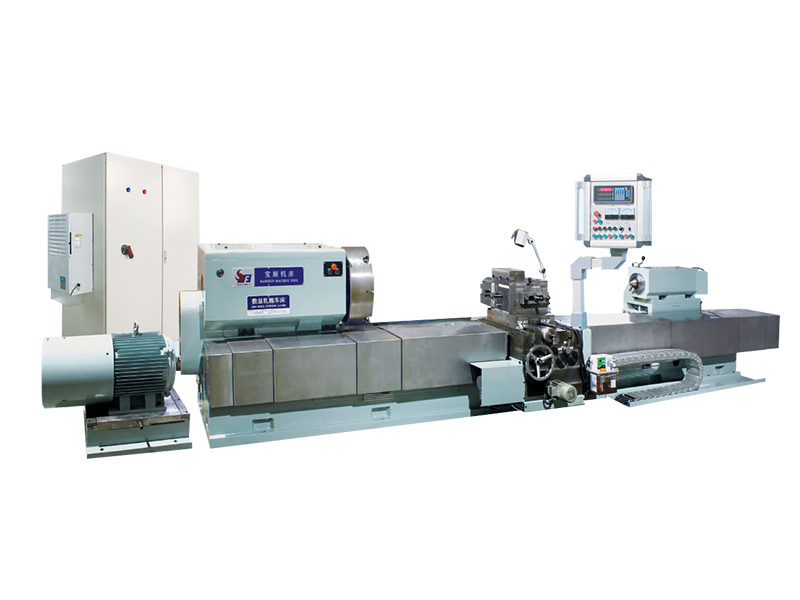
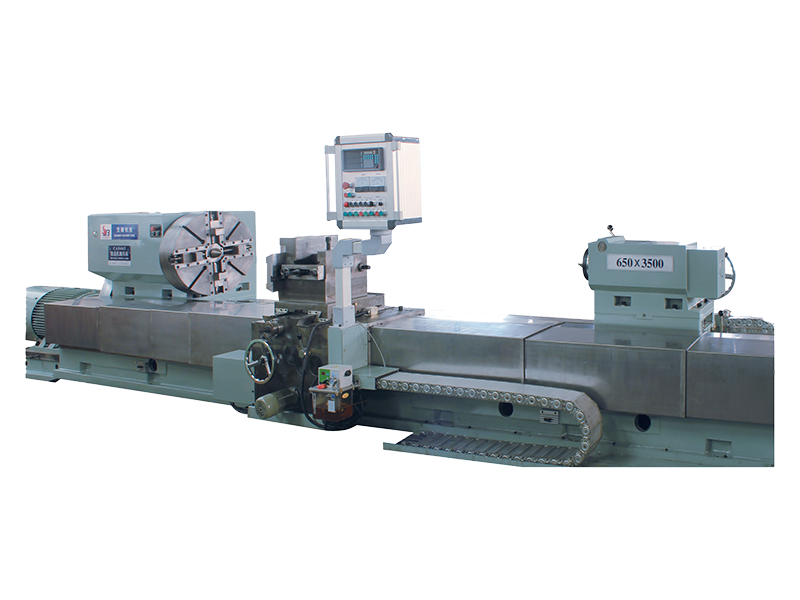
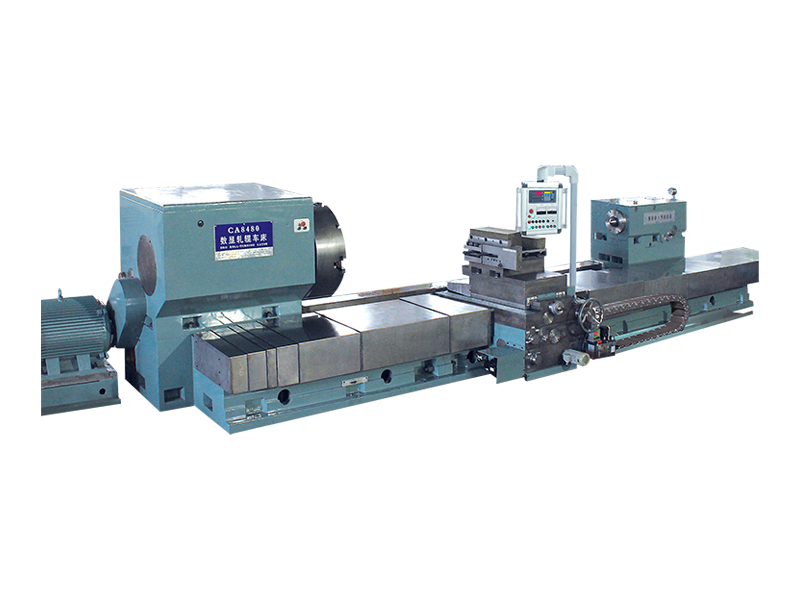
The main re-profiling operation is carried out on a high-performance durable CNC roll lathe. The machine must handle the roll's weight and length while holding tolerances for the next stage. The damaged layer is removed, the barrel is re-cut to the required geometry, and the journals are re-machined if needed. CNC control keeps the cut consistent along the entire body, which matters when a roll barrel extends 1.5 meters or more. Roll rings follow the same logic on a dedicated heavy-duty CNC roll ring lathe, which restores complex ring profiles and bore geometry to specification.
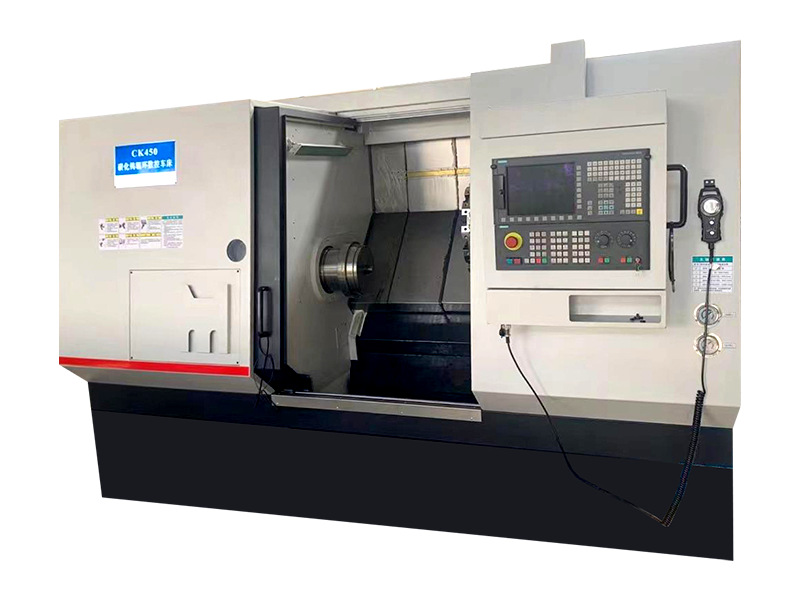
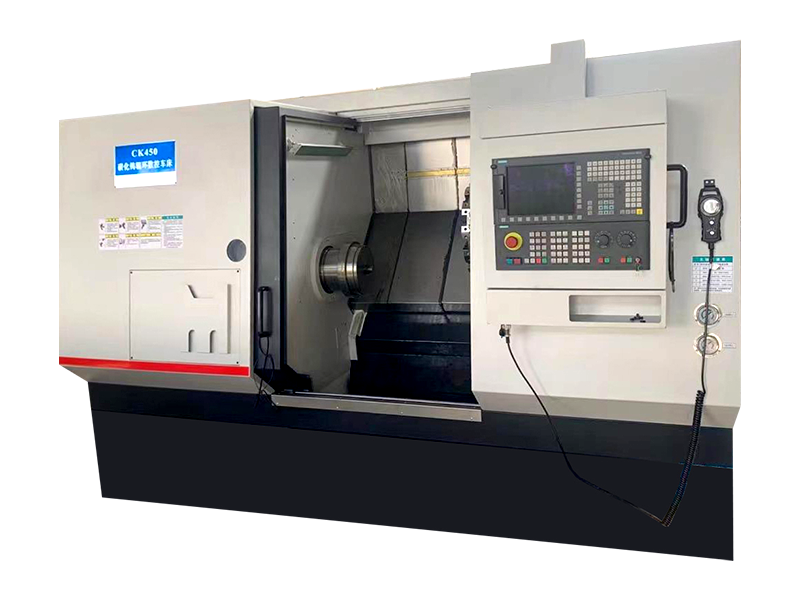 CK620 High Torque Precision Manufacturing Heavy Duty CNC Roll Ring Lathe SupplieJiangsu Dingshun is China Custom CK620 High Torque Precision Manufacturing Heavy Duty CNC Roll Ring Lathe Suppliers and Company, Custom C...View Product →
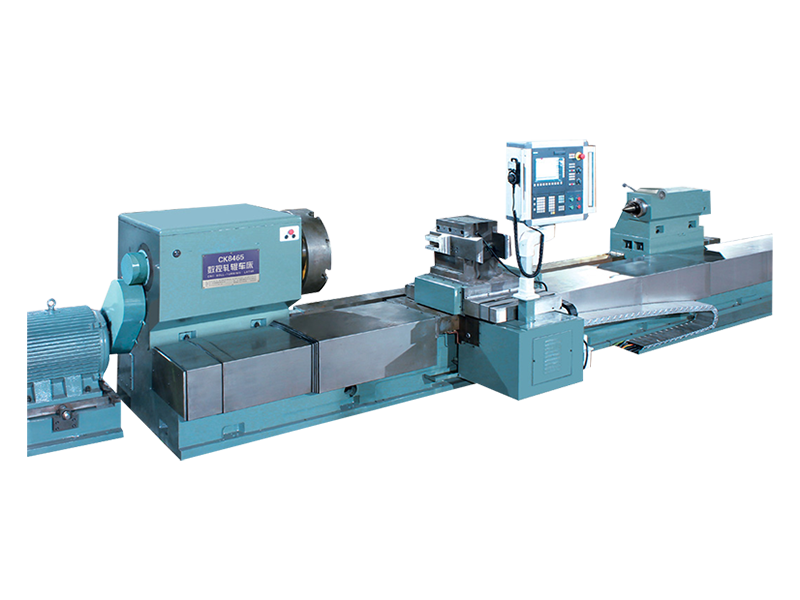 CK8465/3500 High Performance Horizontal Heavy Duty CNC Roll Lathe Suppliers, ComJiangsu Dingshun is China Custom CK8465/3500 High Performance Horizontal Heavy Duty CNC Roll Lathe Suppliers and Company, Custom CK8465/3...View Product →
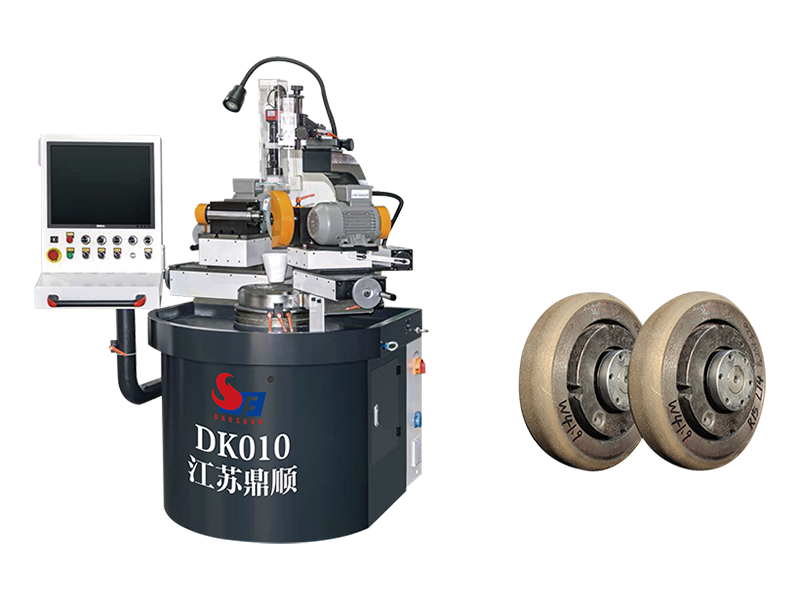
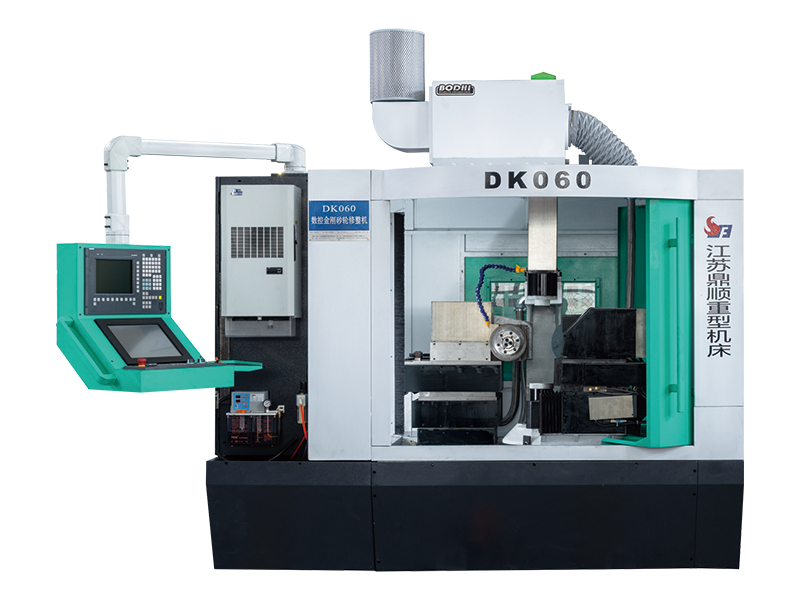
After turning, most rolls require grinding to achieve the final surface finish and pass tolerance. The grinding stage removes the last fraction of a millimeter, restores concentricity, and produces the surface quality needed for consistent strip quality. Roll rings and hard-metal components are processed on a high-rigidity intelligent CNC roll ring grinding machine, which can hold tight tolerances on carbide and other difficult-to-machine materials.
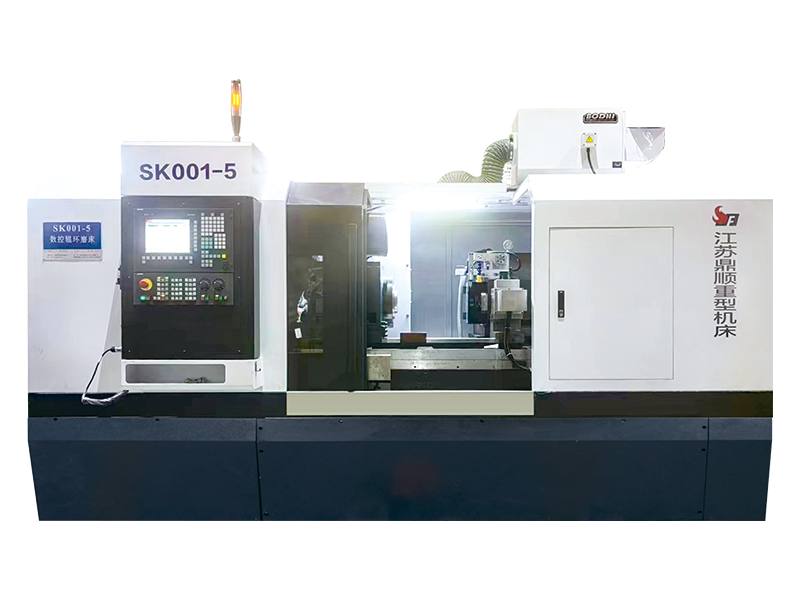 SK001-5 High Rigidity Intelligent CNC Roller Ring Grinding Machine Suppliers, CoJiangsu Dingshun is China Custom SK001-5 High Rigidity Intelligent CNC Roller Ring Grinding Machine Suppliers and Company, Custom SK001-5...View Product →
The last step is verification. The remanufactured roll is measured for body diameter, journal concentricity, surface finish, and hardness. Typical tolerances for a reconditioned roll body are within 0.05 mm on diameter, with surface finishes of Ra 0.8 μm or better, depending on the mill's specification. Results are documented so the mill's quality department can confirm the roll meets its requirements before it is released back to service.
Not every roll is worth remanufacturing. The decision depends on the roll's condition, the remaining material stock, and the full cost of replacement. The table below summarizes common situations and the recommended approach.
| Roll condition | Assessment | Recommended action |
|---|---|---|
| Worn diameter with shallow surface cracks | Core is sound; defects limited to the surface layer | Remanufacture |
| Deep thermal cracks or spalling | Verify crack depth before machining | Remanufacture if enough stock remains |
| Bent or damaged journals | Journals may be re-machined if stock allows | Conditional remanufacture |
| Core cracks or structural damage | Integrity of the roll body is compromised | Replace |
| Diameter below minimum after repeated grinding | Insufficient remaining wall thickness | Replace or weld overlay before remanufacturing |
The rule of thumb most mills apply is simple: if the remaining wall thickness after machining is still sufficient for the next campaign, and the journals can be restored to specification, remanufacturing is almost always the more economical choice.
The quality of a remanufactured roll depends on the machine tools and the experience behind them. Mills that send rolls to an outside shop, or that are considering building in-house remanufacturing capability, should assess several factors before making a decision.
Roller remanufacturing is a precision operation, and the difference between a good result and a disappointing one usually comes down to machine capability and process control. Mills that already use CNC roll lathes for precision machining of industrial rolls in their own workshops understand this from direct experience.
Roller remanufacturing is not a stopgap. It is a normal part of managing roll inventory in a steel mill. By extending the service life of rolls and roll rings, mills reduce their annual roll cost per ton of steel produced and lower the amount of capital tied up in spare rolls.
A sensible roll management strategy treats remanufacturing as one option within a broader plan: new rolls for critical campaigns, remanufactured rolls for standard service, and a regular inspection schedule that identifies which worn rolls can be recovered before they reach the point of no return.
When a roll comes out of service with a worn barrel and a cracked surface, the real question is not whether it can be recovered. It is whether the remanufacturing partner has the machine tools, the process knowledge, and the quality system needed to do the job correctly. When those three conditions are met, industrial roller remanufacturing is one of the most predictable cost-saving decisions a steel mill can make.

 Download Material

 E-mail: [email protected]
  Mob: +86-13806297906
  Tel: +86-513-85562198
  Add:No. 99 Tiantong Road, Nantong City, Jiangsu Province.
Factory scene



Copyright@ Jiangsu Dingshun Heavy duty Machine Tool Co., Ltd. All Rights Reserved.




 English
  русский
  Español
  عربى
عربى