Content
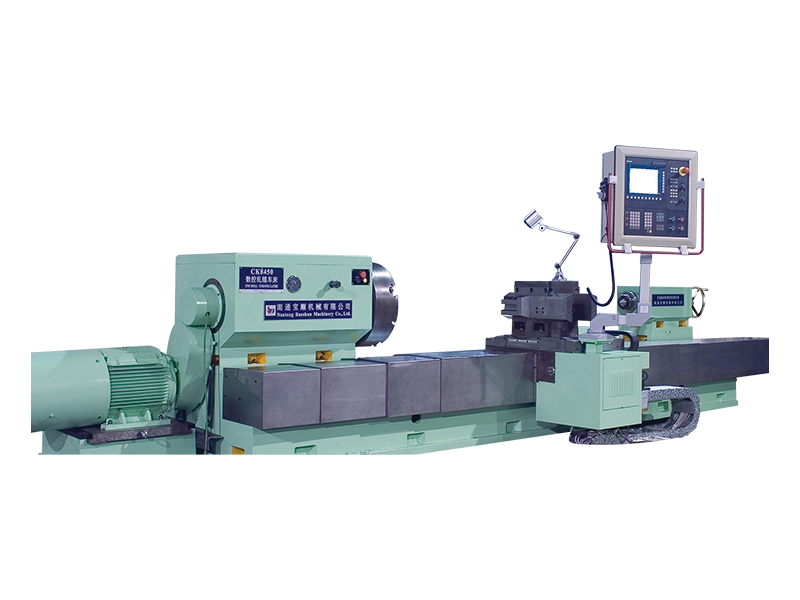
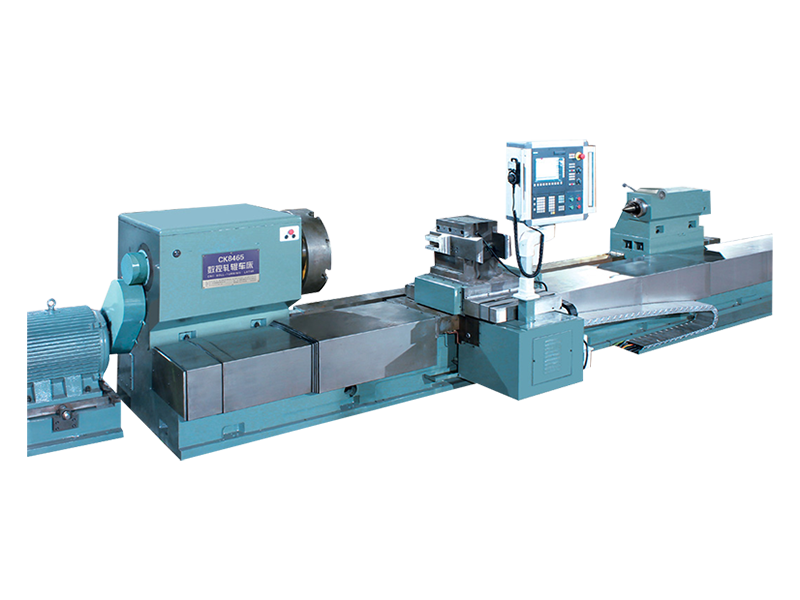
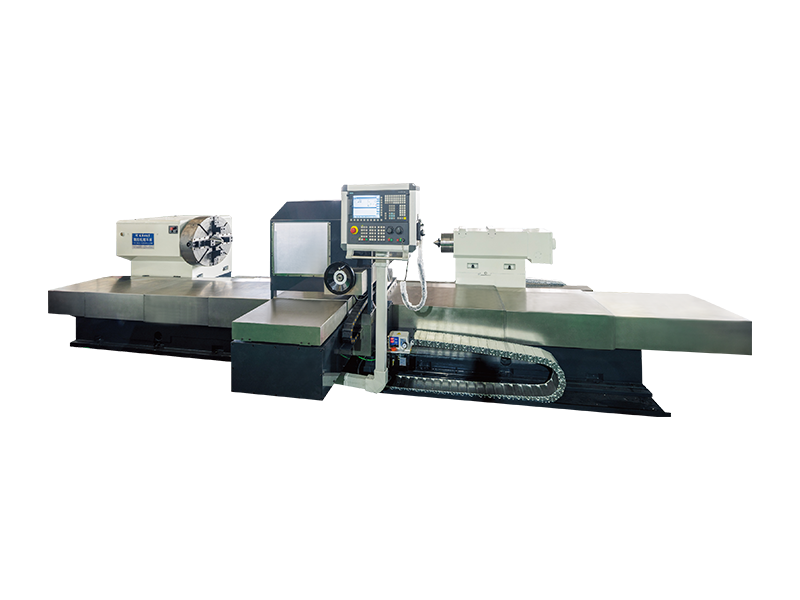
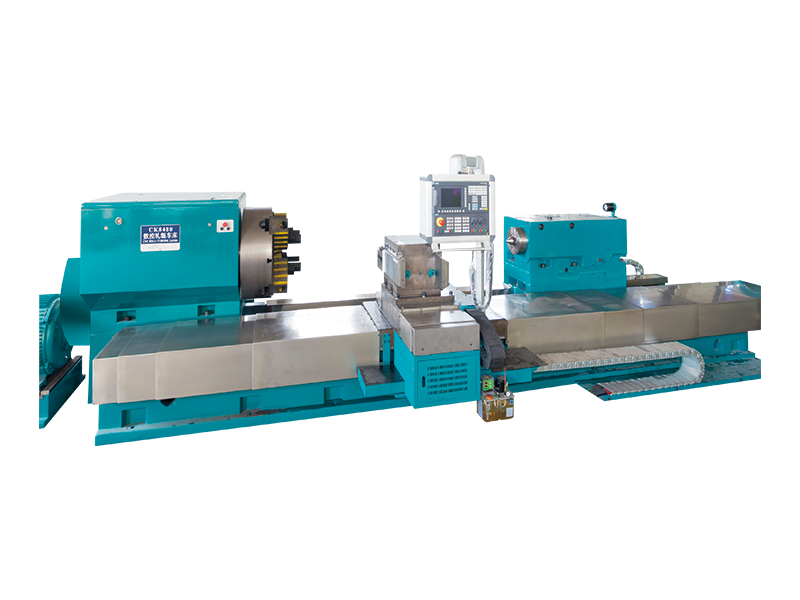
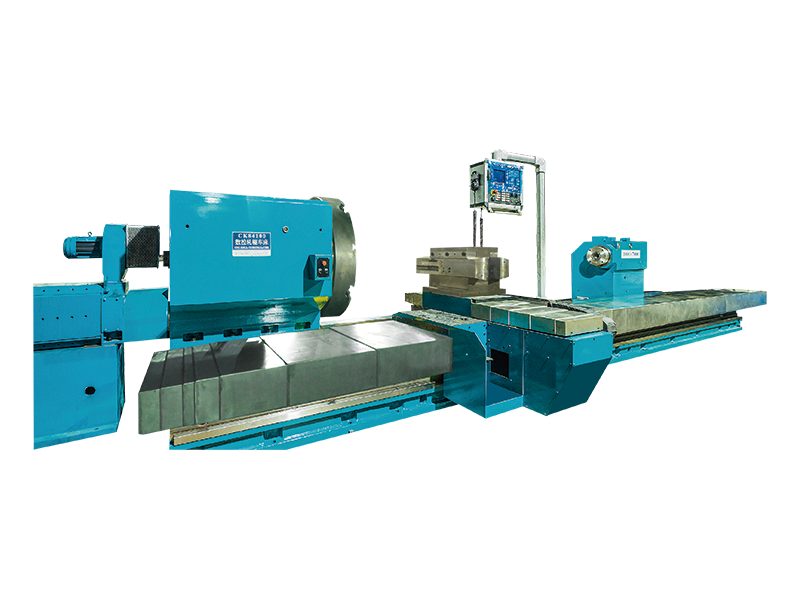
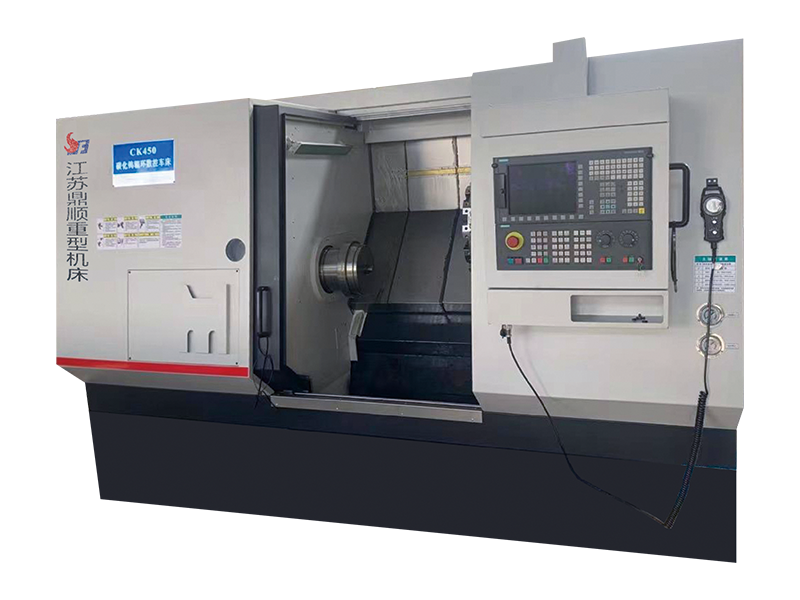
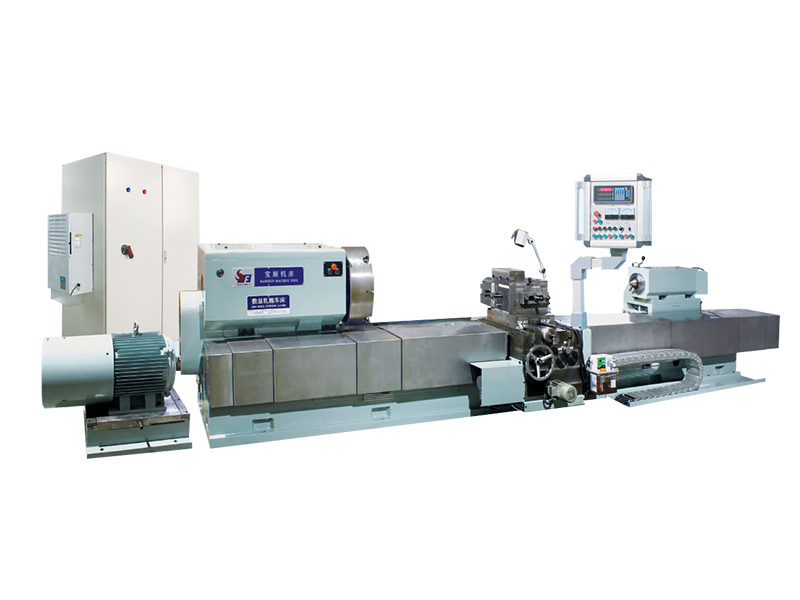
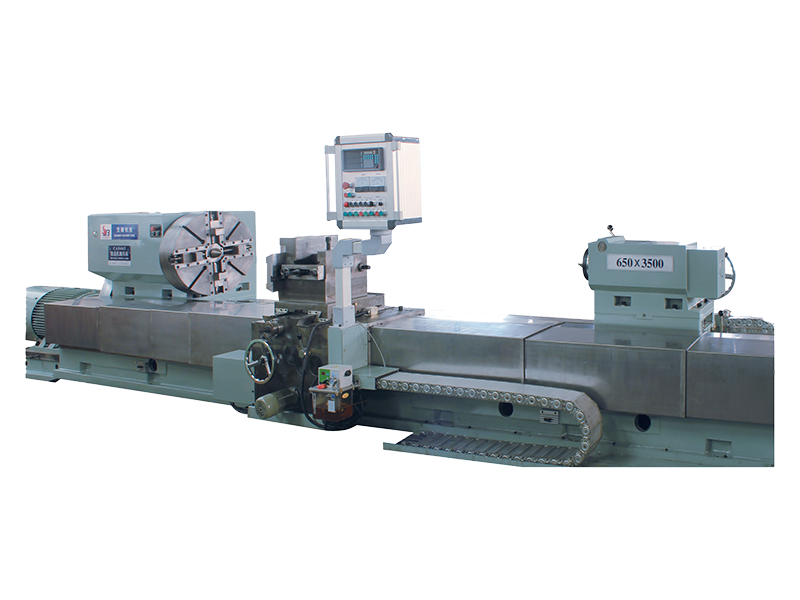
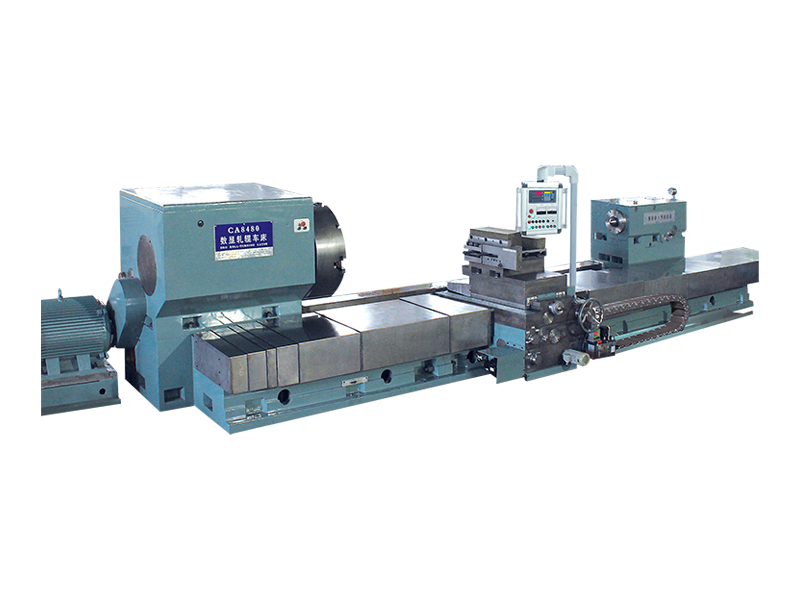
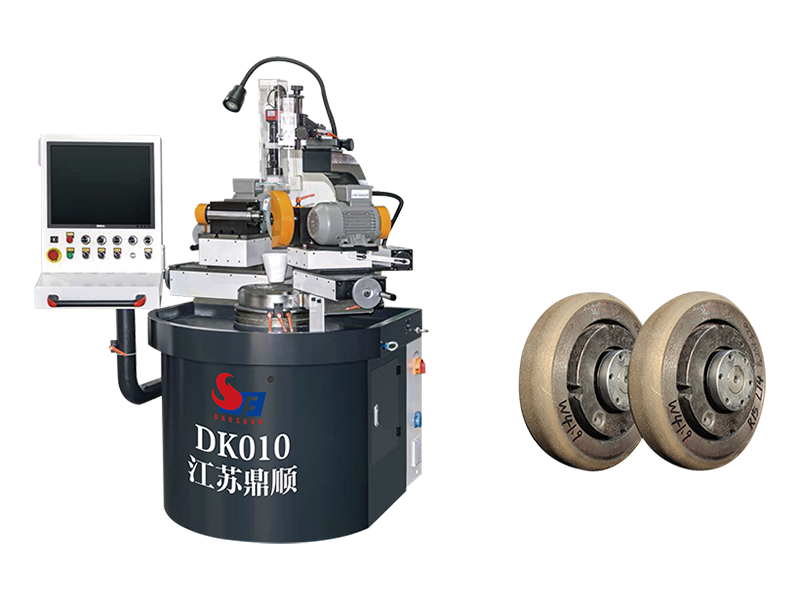
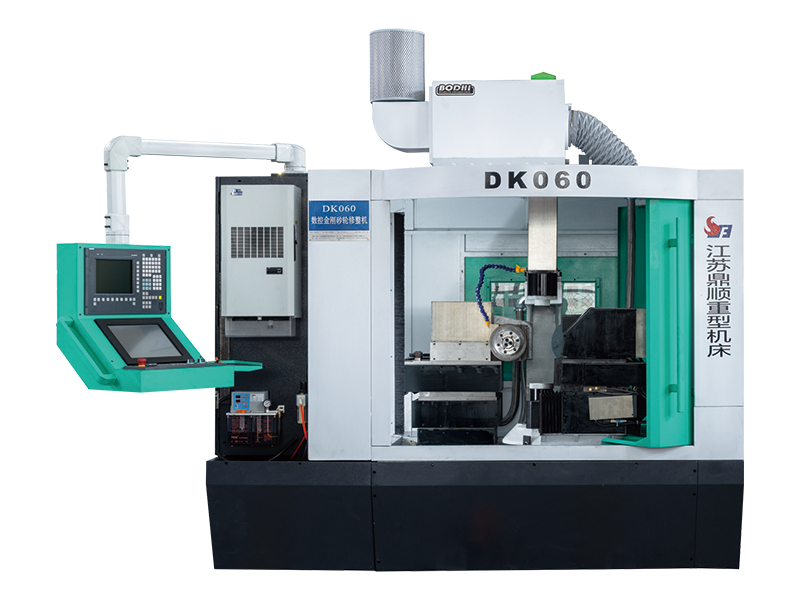
CNC roll ring grinders are specialized machines designed for precision grinding of rolls used in steel, aluminum, and other metal processing industries. These grinders are critical for achieving accurate dimensions and high-quality surface finishes, which directly impact rolling efficiency, product quality, and operational costs. By leveraging computer numerical control (CNC) technology, these machines offer superior control over grinding processes compared to conventional methods.
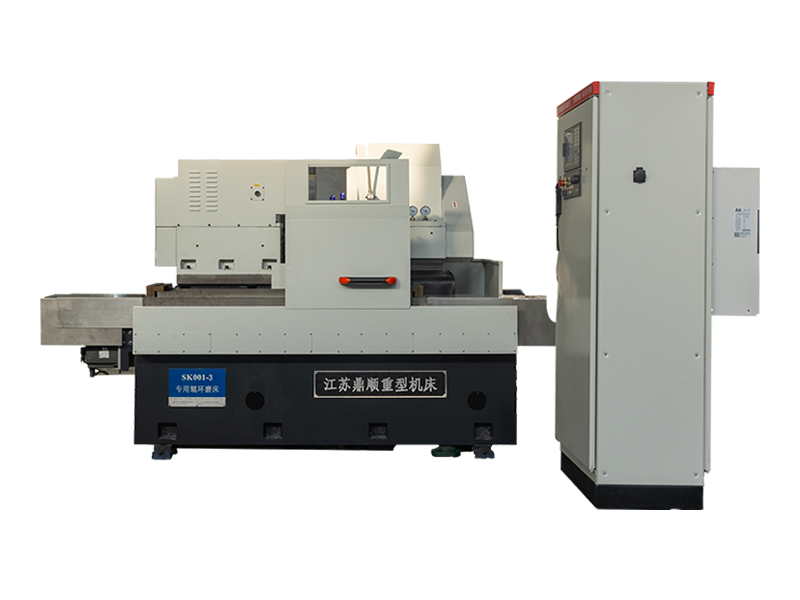
Achieving high precision in roll ring grinding requires careful consideration of multiple factors, ranging from machine capabilities to operational parameters. CNC roll ring grinders provide enhanced accuracy, but understanding the variables involved is essential for optimal performance.
Proper calibration of the CNC machine is crucial to ensure precise roll grinding. This includes accurate alignment of the spindle, wheel head, and workholding components. Misalignment can lead to dimensional errors, tapering, or uneven surface textures.
Choosing the appropriate grinding wheel material and grit size impacts both precision and surface finish. Regular dressing of the wheel maintains sharpness, removes debris, and ensures uniform contact with the roll surface, preventing chatter marks and surface irregularities.
Optimizing feed rates, wheel speeds, and depth of cut is essential for minimizing deflection and vibration. CNC systems allow precise control over these parameters, reducing the risk of over-grinding and maintaining consistent dimensional tolerances.
Surface finish quality is a critical performance indicator for rolls, affecting material flow, friction, and wear during processing. CNC roll ring grinders offer several techniques to enhance surface finish.
Using the correct type and flow of coolant reduces heat generation, prevents surface burns, and maintains material integrity. Proper lubrication also minimizes friction between the grinding wheel and roll, ensuring a smooth surface texture.
Implementing multiple grinding passes with progressively finer cuts improves surface quality. Roughing passes remove material efficiently, while finishing passes eliminate minor imperfections and achieve the desired Ra (roughness average) value.
Minimizing machine vibration is crucial for maintaining a uniform surface finish. CNC grinders often incorporate vibration-dampening bases, precision bearings, and rigid structural designs to enhance stability during high-speed grinding.
The following table summarizes key parameters, their impact on grinding precision and surface finish, and the expected results when optimized.
| Parameter | Impact | Expected Result |
| Wheel Grit Size | Determines surface smoothness and cutting efficiency | Finer grit yields superior surface finish |
| Feed Rate | Affects dimensional accuracy and heat generation | Optimized feed reduces vibration and maintains tolerance |
| Coolant Flow | Prevents overheating and surface burns | Consistent finish without discoloration or defects |
| Machine Alignment | Critical for maintaining geometric precision | Accurate diameter and concentricity of rolls |
Consistent maintenance and adherence to operational best practices are key to optimizing both precision and surface finish. This includes regular calibration, wheel dressing, lubrication checks, and monitoring vibration and temperature during operation. Proper operator training ensures that CNC roll ring grinders deliver reliable, high-quality results.
Optimizing precision and surface finish with CNC roll ring grinders requires careful attention to machine setup, wheel selection, grinding parameters, and maintenance practices. By controlling these factors, manufacturers can achieve accurate roll dimensions, superior surface quality, and enhanced operational efficiency. The result is higher product quality, extended roll life, and reduced operational costs in metal processing applications.

 Download Material

 E-mail: [email protected]
  Mob: +86-13806297906
  Tel: +86-513-85562198
  Add:No. 99 Tiantong Road, Nantong City, Jiangsu Province.
Factory scene


Copyright@ Jiangsu Dingshun Heavy duty Machine Tool Co., Ltd. All Rights Reserved.




 English
  русский
  Español
  عربى
عربى