Content
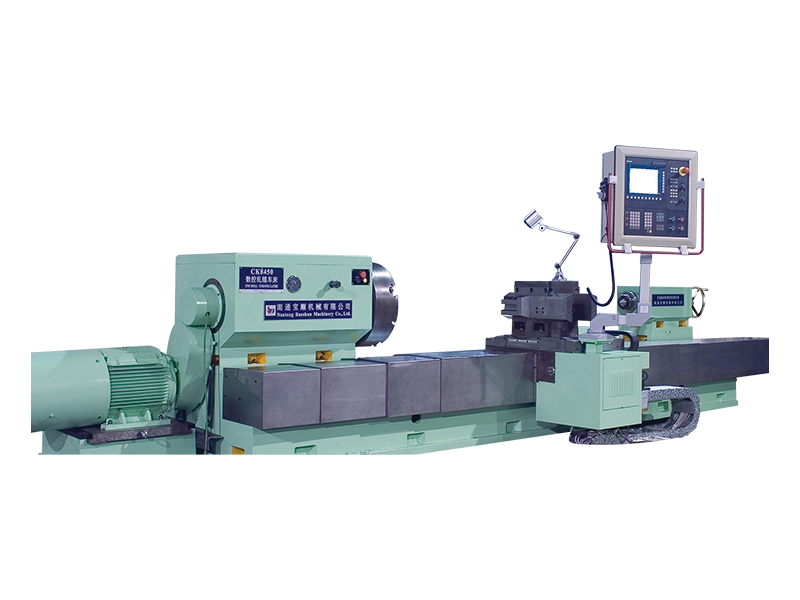
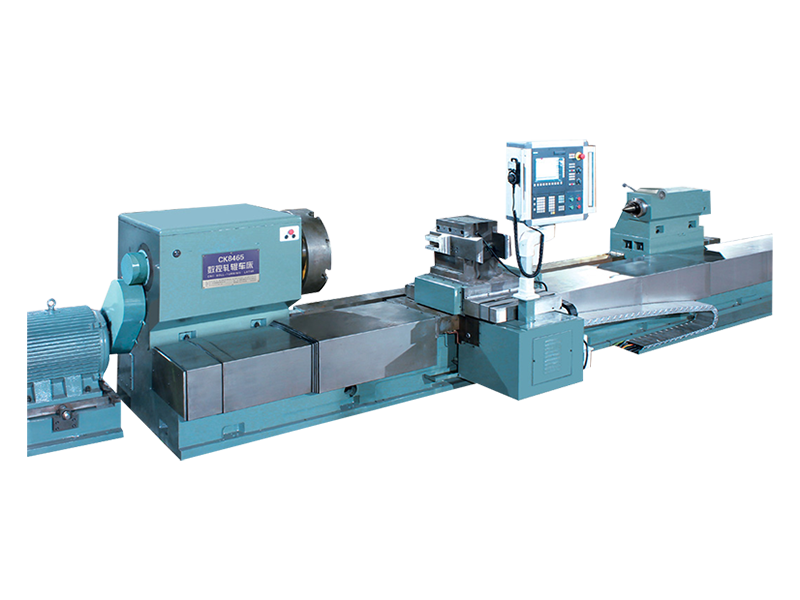
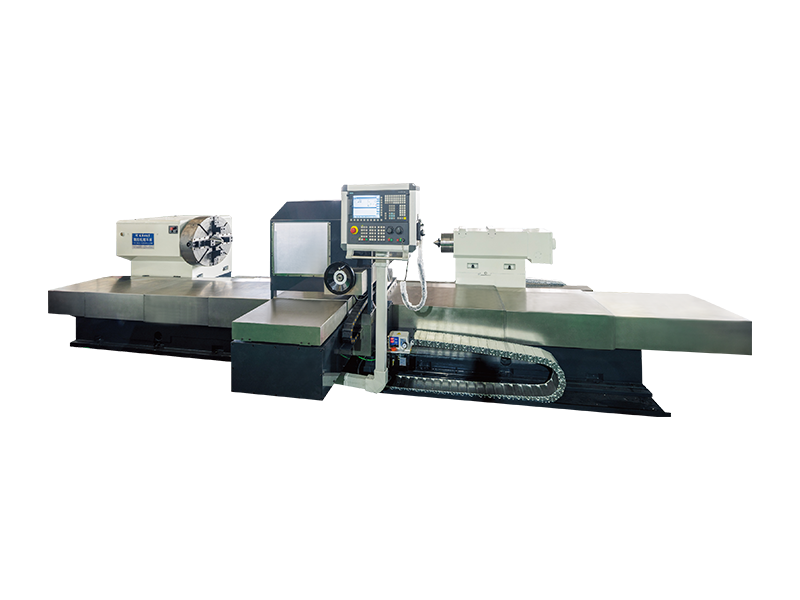
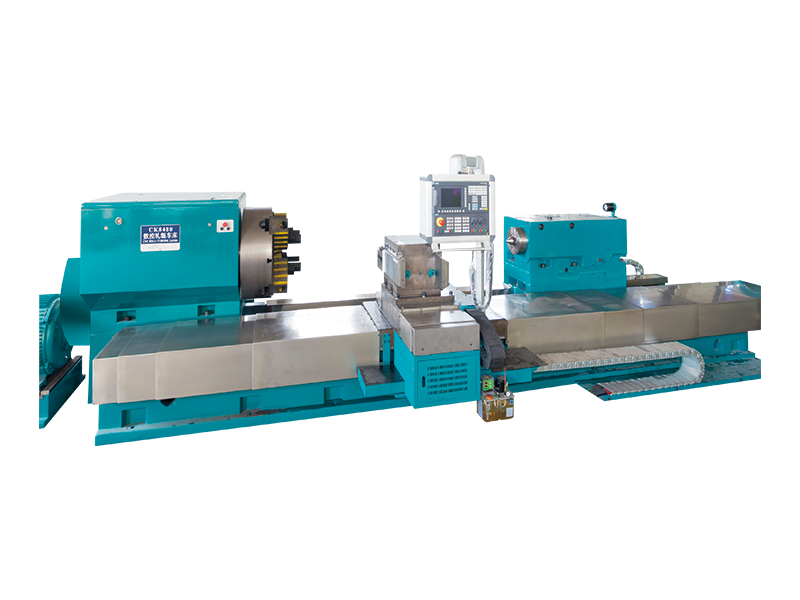
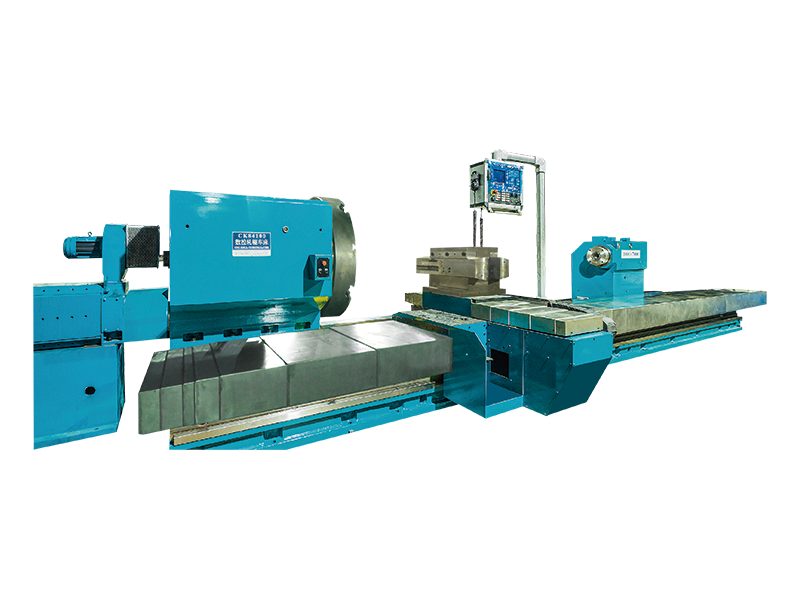
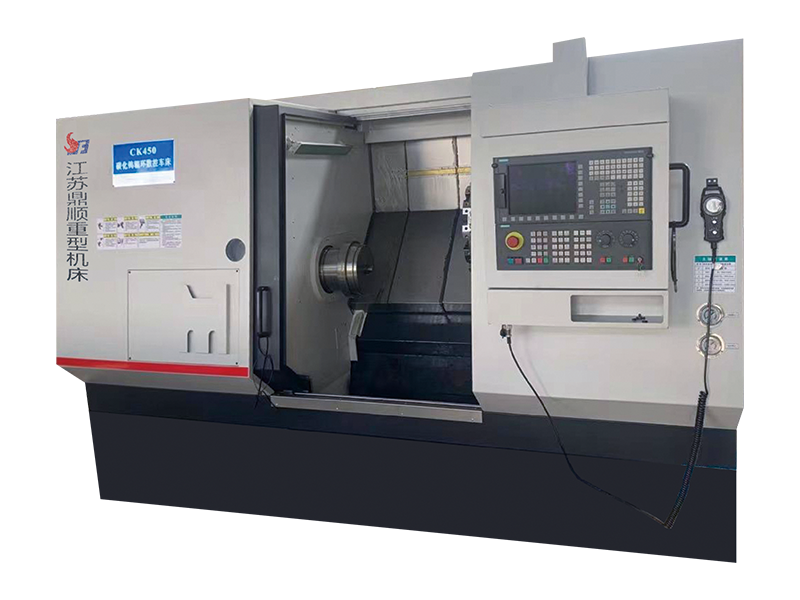
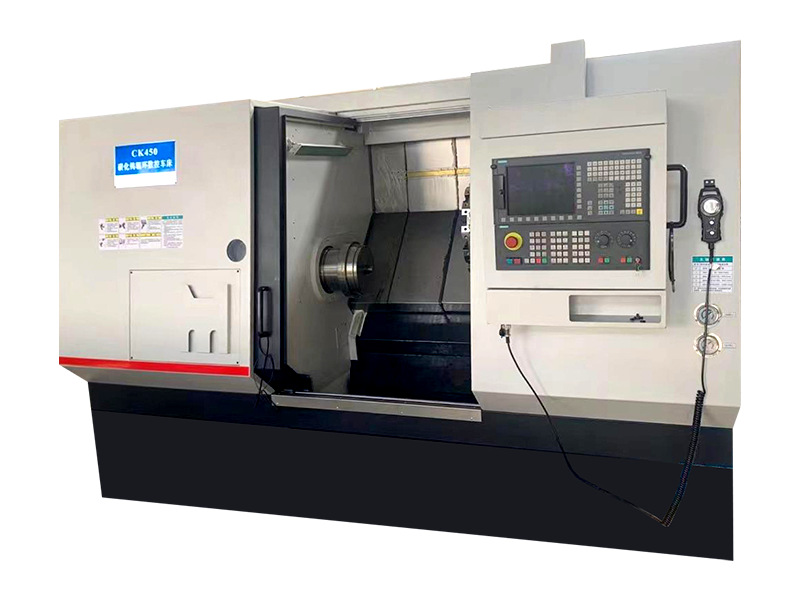
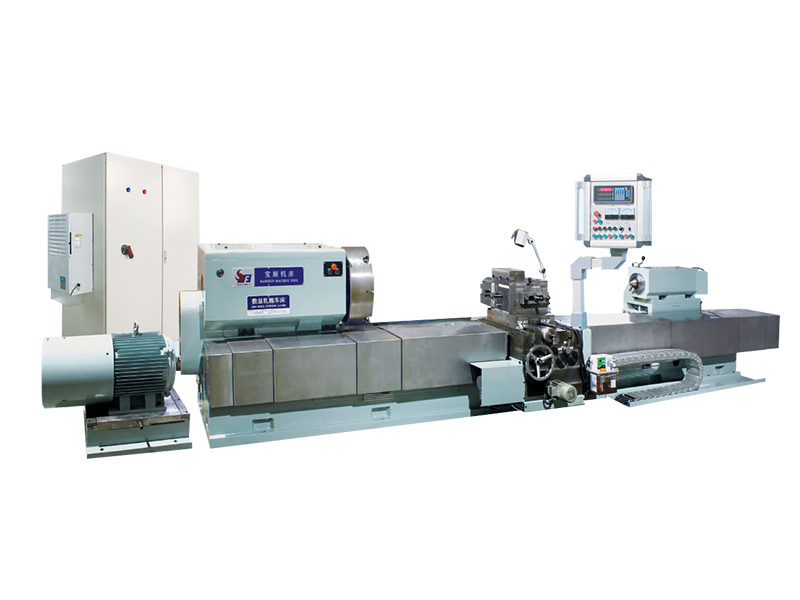
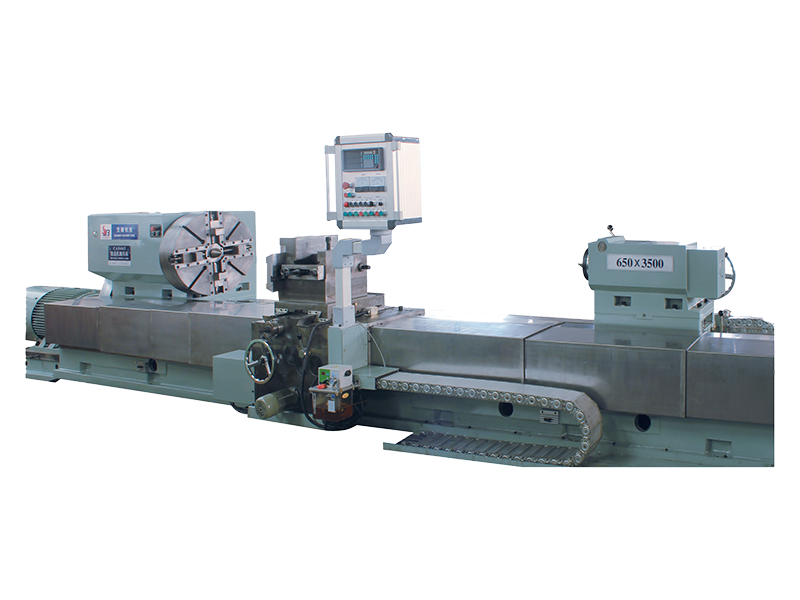
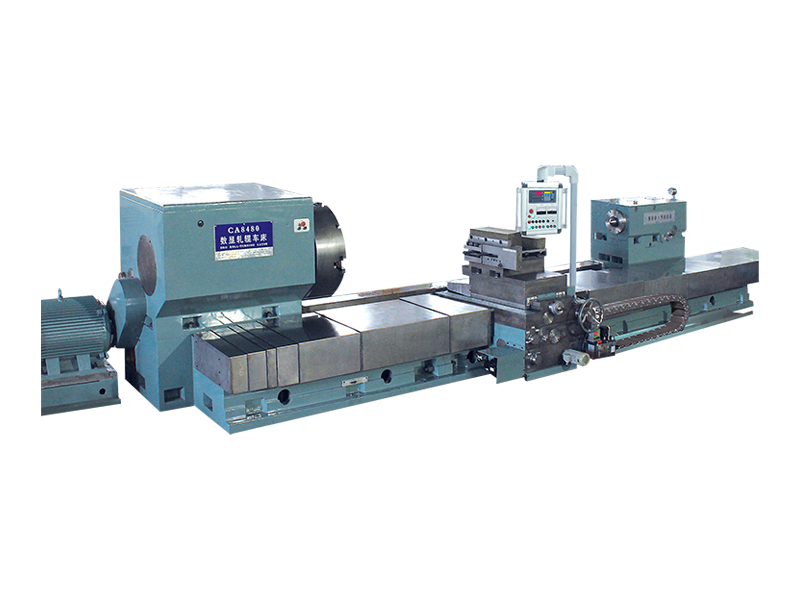
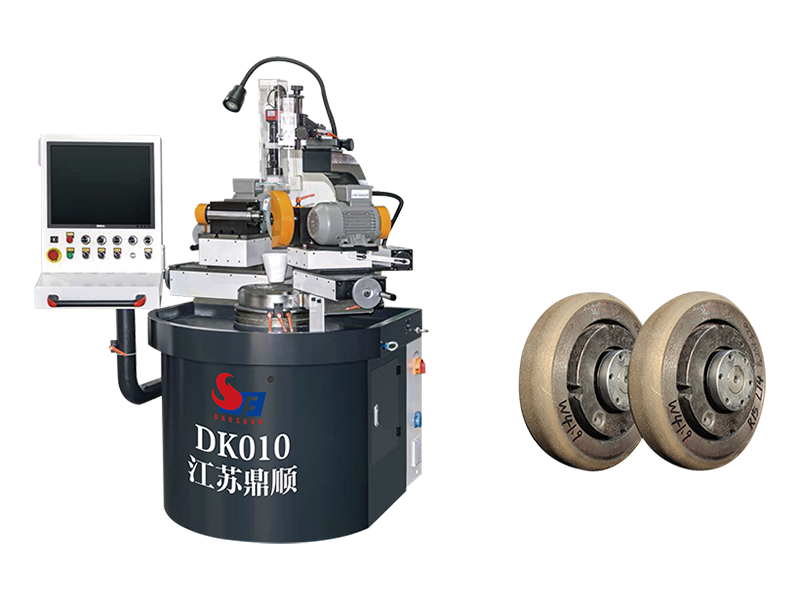
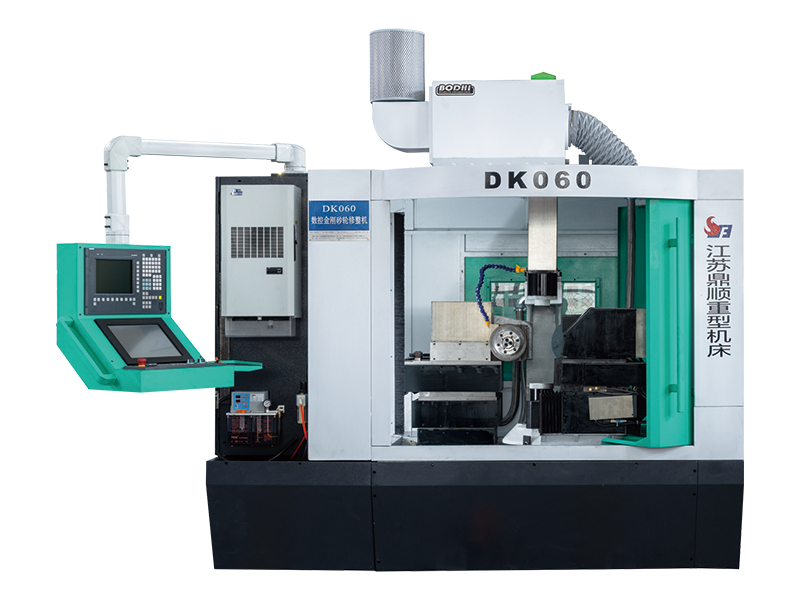
A CNC pattern milling machine is a computer-controlled machining system designed to carve, engrave, and shape complex surface patterns with high precision. It is widely used in industries requiring detailed surface textures, including construction materials, architectural decoration, and mold manufacturing.
By integrating CAD/CAM software with automated cutting tools, CNC pattern milling enables consistent production of intricate designs that would be difficult or impossible to achieve manually. This technology improves efficiency, accuracy, and scalability across multiple industries.
The working principle of a CNC pattern milling machine is based on digital instruction execution. Design files created in CAD software are converted into machine-readable G-code, which directs the movement of cutting tools along multiple axes.
The machine uses high-speed rotating tools to remove material from a workpiece, forming precise patterns, textures, and shapes. Multi-axis control allows complex three-dimensional surface machining.
The CNC controller interprets programming instructions and coordinates motor movements. This ensures precise tool positioning and consistent machining accuracy across production batches.
The cutting tool follows predefined toolpaths, gradually removing material layer by layer. This controlled process ensures smooth surfaces and accurate pattern reproduction.
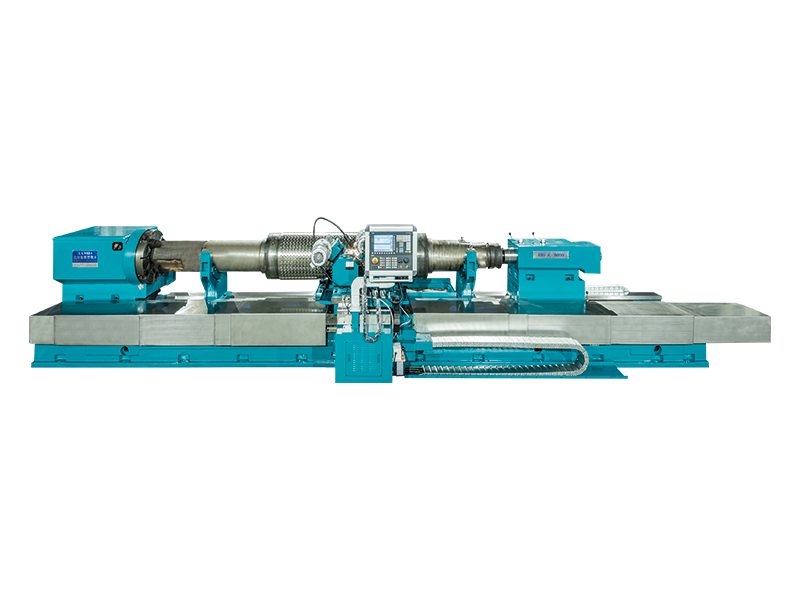
In the construction industry, CNC pattern milling machines are widely used for producing decorative panels, architectural facades, and structural components with aesthetic surface designs.
CNC milling is used to create intricate patterns on aluminum composite panels, stone surfaces, and wood cladding. These decorative facades enhance building aesthetics and architectural identity.
Interior designers use CNC-machined panels to create textured walls and ceilings. These designs add depth and visual interest to commercial and residential spaces.
In some construction applications, CNC milling is used to produce precision structural parts that require accurate fitting and surface finishing.
The decoration industry heavily relies on CNC pattern milling to produce visually appealing and customizable design elements for modern interiors.
CNC machines are used to engrave detailed patterns on furniture such as cabinets, tables, and doors. This allows mass customization with high design precision.
Decorative panels with floral, geometric, or abstract patterns are widely produced using CNC milling. These panels are commonly used in hotels, offices, and luxury homes.
CNC-cut patterns are often combined with lighting systems to create shadow effects and enhance spatial aesthetics in interior environments.
Mold manufacturing is one of the most critical application areas for CNC pattern milling machines, especially in industries requiring high-precision tooling.
CNC milling is used to create injection molds for plastic products. High precision ensures consistent product quality and dimensional accuracy.
Metal molds used in die casting processes require high hardness and precision machining, which CNC systems can reliably achieve.
CNC milling enables rapid prototyping of molds, allowing manufacturers to test and refine designs before mass production.
The widespread adoption of CNC pattern milling machines is driven by their precision, efficiency, and flexibility across multiple industries.
CNC systems ensure consistent accuracy, making them ideal for mass production of identical parts with complex patterns.
These machines can process a wide range of materials including wood, metal, plastic, and composite materials.
Automation reduces the need for manual craftsmanship, significantly increasing production speed and reducing labor costs.
CNC pattern milling machines are designed to handle diverse materials, each requiring specific cutting strategies and tool selections.
| Material Type | Application Area | Processing Difficulty | Typical Result |
| Wood | Decoration, Furniture | Low | Smooth carved patterns |
| Aluminum | Construction Panels | Medium | Precise engraved surfaces |
| Steel | Mold Manufacturing | High | High-strength precision molds |
Despite its advantages, CNC pattern milling faces challenges such as tool wear, heat generation, and vibration control during high-speed operations.
Regular tool inspection and replacement ensure consistent machining quality and prevent surface defects.
Coolant systems and optimized cutting parameters help reduce heat buildup and extend tool life.
Rigid machine structures and damping systems reduce vibration, ensuring higher machining accuracy.
CNC pattern milling machines play a vital role in modern manufacturing by bridging digital design and physical production. Their ability to create complex, high-precision patterns makes them indispensable in construction, decoration, and mold manufacturing industries.
As automation technology continues to evolve, CNC milling will further enhance productivity, customization, and design possibilities across global industrial sectors.

 Download Material

 E-mail: [email protected]
  Mob: +86-13806297906
  Tel: +86-513-85562198
  Add:No. 99 Tiantong Road, Nantong City, Jiangsu Province.
Factory scene
Copyright@ Jiangsu Dingshun Heavy duty Machine Tool Co., Ltd. All Rights Reserved.




 English
  русский
  Español
  عربى
عربى