Content
Roller lathes have long been essential equipment in industries that process large cylindrical workpieces — steel mills, paper manufacturing, printing, rubber processing, and heavy engineering all depend on them for precision grinding, turning, and finishing of industrial rolls. What has changed dramatically in recent years is the performance standard these machines are expected to meet. As manufacturing processes across heavy industry become increasingly automated and data-driven, roller lathes are no longer evaluated solely on cutting capacity. Precision, repeatability, real-time feedback, and integration with digital production systems have become equally important selection criteria.
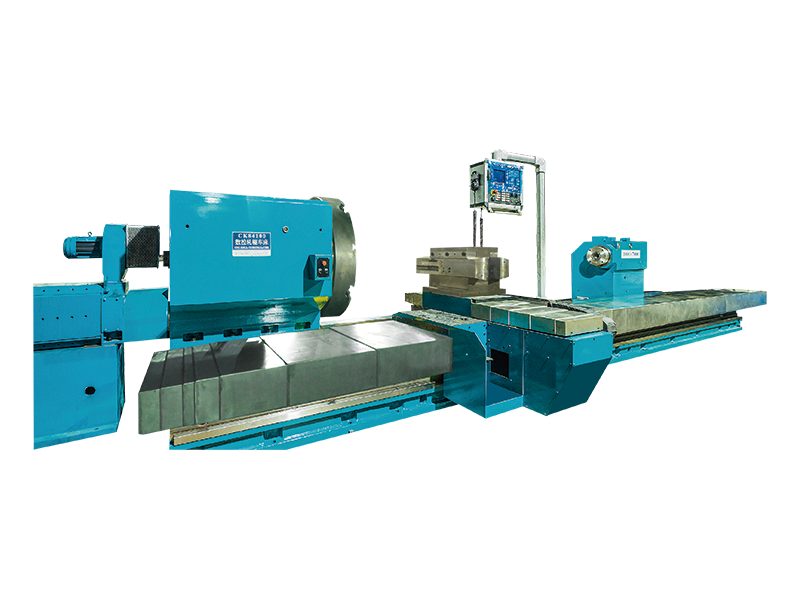
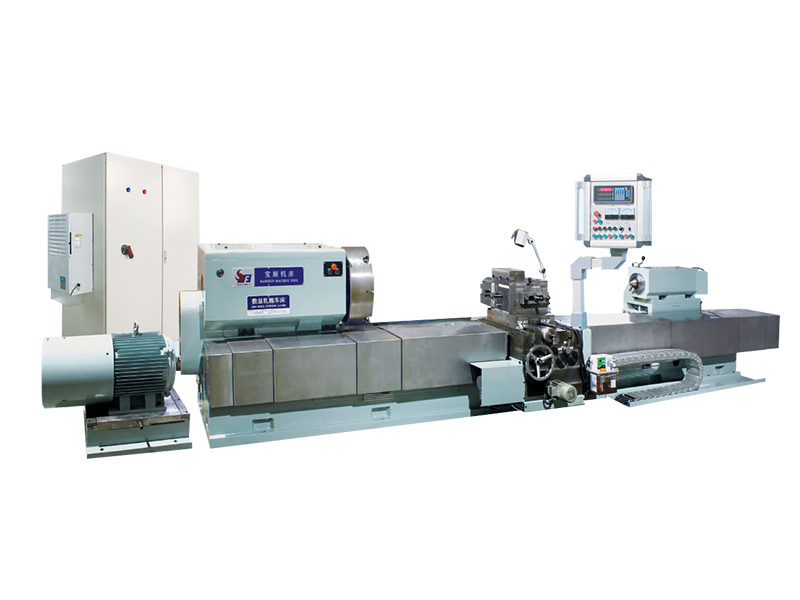
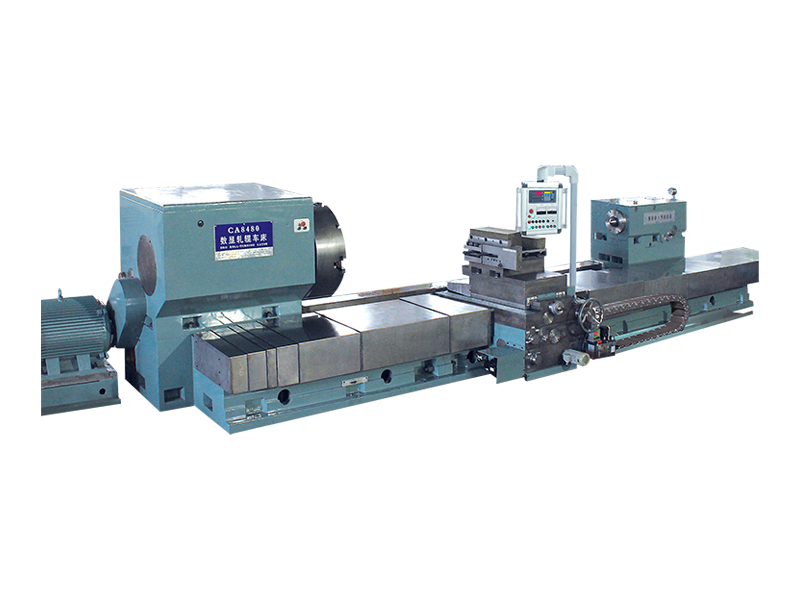
The latest generation of high-precision digital display roller lathes reflects this evolution directly. Advances in spindle technology, digital readout (DRO) systems, servo drive architecture, and structural rigidity have collectively raised the performance ceiling of these machines while simultaneously making them more accessible to operators through intelligent interface design. Understanding these developments in practical terms helps manufacturers make informed decisions about equipment upgrades and new machine acquisitions.
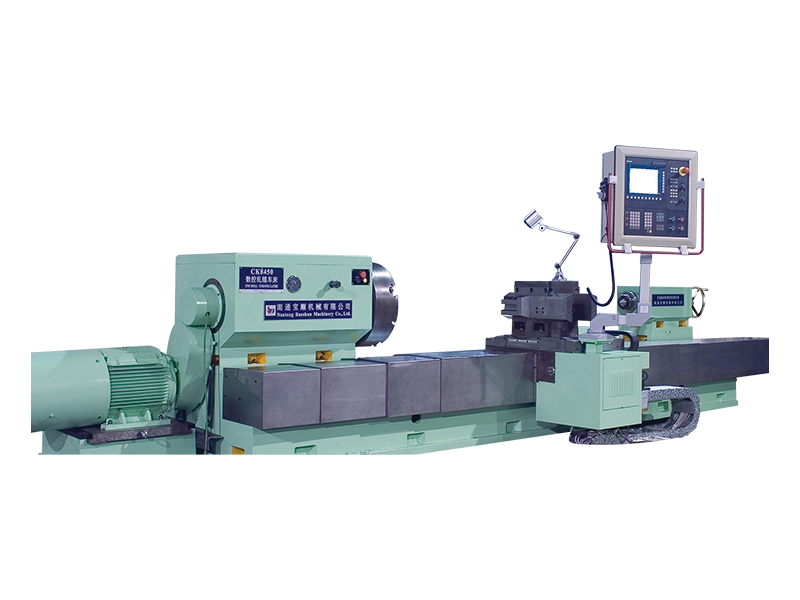
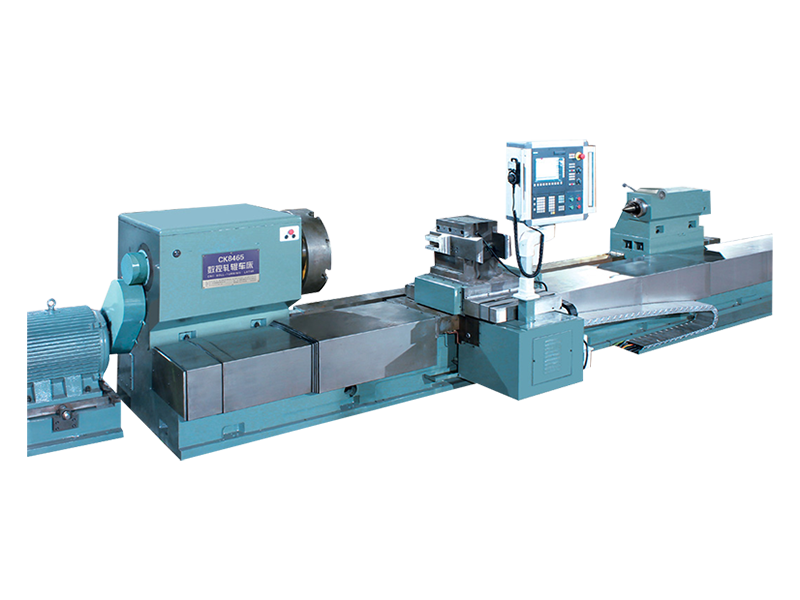
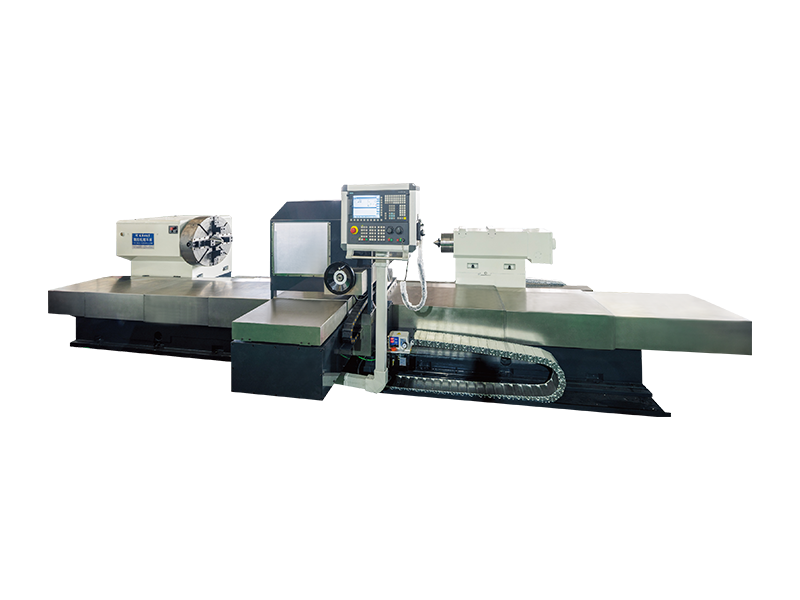
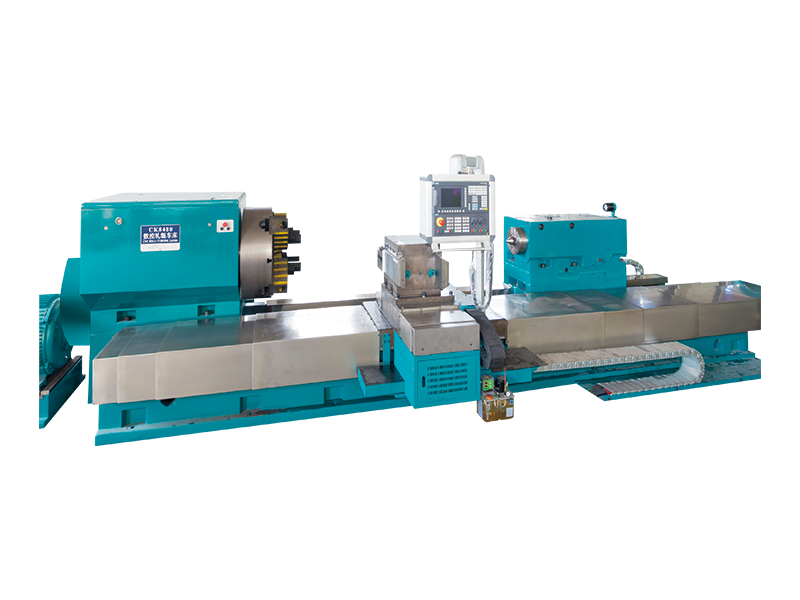
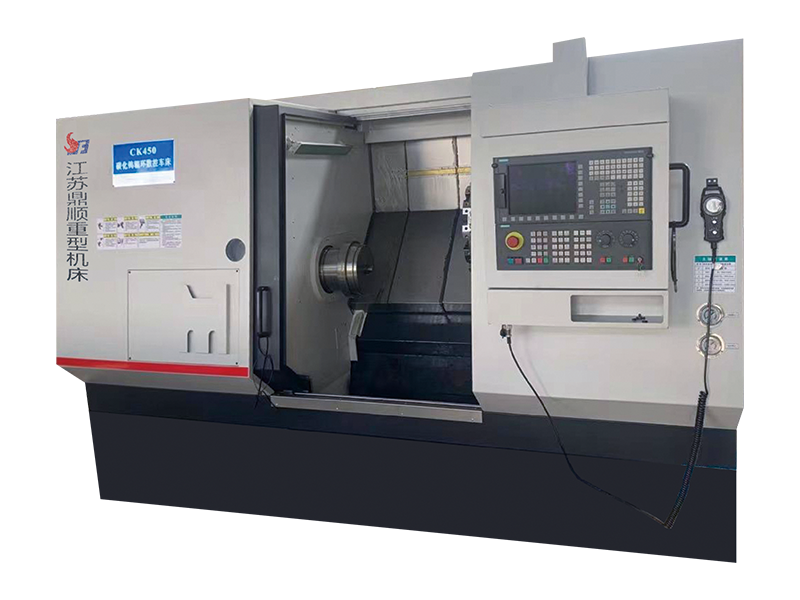
The digital display system — the "DRO" element of modern roller lathes — has undergone significant development beyond simple position readout. Early digital displays on roller lathes provided real-time axis position data, replacing analogue dials and reducing operator measurement error. Contemporary systems now integrate multiple layers of process data into a single operator interface, providing a substantially richer picture of machining status at every stage of the operation.
Modern high-precision roller lathes use linear encoders with resolutions of 0.001 mm or finer across all controlled axes — longitudinal feed (Z-axis), cross feed (X-axis), and in some configurations a dedicated taper or angular axis. The encoder signals feed directly into the DRO controller, providing continuous position display with sub-micron accuracy that is independent of mechanical backlash or leadscrew wear. This encoder-based feedback means the displayed position reflects actual tool position rather than commanded position, which is a critical distinction when machining large rolls to tight crown or taper tolerances.
Beyond axis position, current-generation digital control panels on roller lathes display spindle speed (actual RPM via encoder feedback rather than nominal speed), cutting force estimation derived from spindle motor current data, coolant flow status, and thermal compensation values. Some advanced systems display real-time surface roughness estimates based on vibration sensor data correlated with cutting parameters. This data convergence on a single screen reduces the cognitive load on the operator and enables faster, better-informed decisions during the machining cycle — particularly important when machining high-value rolls where an uncorrected deviation can result in scrap costs running into thousands of dollars.
Precision in a roller lathe is only as good as the structural foundation that supports the cutting process. A machine producing 0.001 mm readout resolution achieves nothing useful if vibration, thermal growth, or structural deflection under load introduces errors of ten times that magnitude. The latest high-stability roller lathes incorporate several structural and thermal management advances that address these challenges directly.
Traditional roller lathe beds are fabricated from grey cast iron, which provides good vibration damping compared to steel fabrications. Advanced machines now use mineral casting (polymer concrete or epoxy granite composite) for critical structural sections, or incorporate resin-filled ribbed cast iron beds with optimised internal rib geometry calculated using finite element analysis. Polymer concrete has vibration damping characteristics approximately six to eight times superior to cast iron, measurably reducing chatter during interrupted cuts or when machining out-of-round rolls at initial passes. For heavy-duty machines carrying rolls weighing 20 tonnes or more, this structural damping directly translates to achievable surface finish quality.
The headstock spindle bearing system determines the radial and axial runout of the workpiece during machining and is the primary driver of achieved roundness. High-end roller lathes increasingly use hydrostatic oil-film bearings in the headstock rather than conventional rolling element bearings. In a hydrostatic system, the spindle floats on a pressurised oil film with no metal-to-metal contact, producing spindle runout values below 1 micrometre — approximately five to ten times better than achievable with precision rolling bearings. The oil film also provides inherent vibration damping. For roll grinding and precision turning applications where cylindricity tolerance is measured in micrometres, hydrostatic spindles represent a meaningful performance step change.
Thermal growth of machine structures during extended machining operations is a major source of positional drift on large roller lathes. As spindle bearings, gearboxes, and the cutting process itself generate heat, the machine structure expands non-uniformly, displacing the tool relative to the workpiece axis. Modern high-stability roller lathes embed temperature sensors at multiple structural locations — headstock, tailstock, bed, and carriage — and apply real-time thermal compensation algorithms in the digital control system to offset predicted dimensional changes before they become machining errors. On machines running production shifts of eight hours or more, this compensation can prevent cumulative drift errors of 0.05 mm or greater that would otherwise require periodic re-measurement and manual correction.
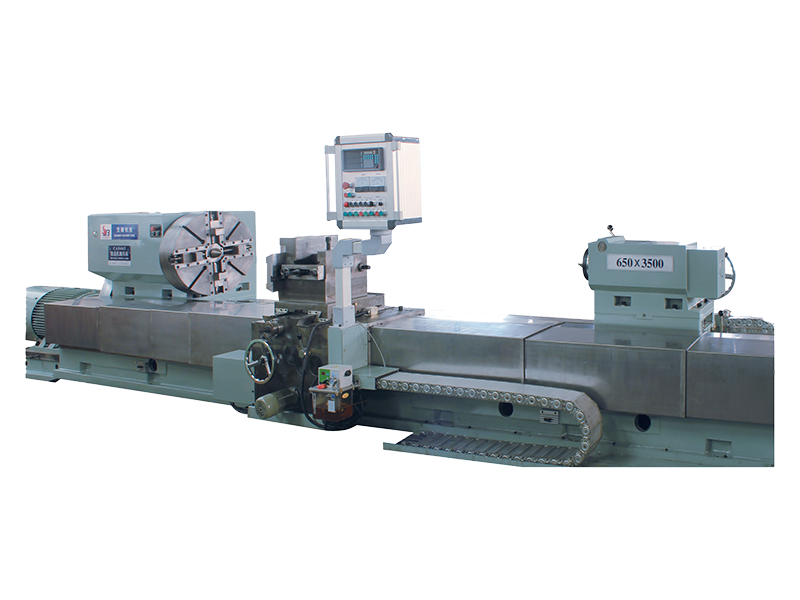
Automation on roller lathes extends far beyond simple CNC axis control. The latest machines integrate automation at multiple levels of the machining process — from workpiece handling and setup through to in-process gauging, adaptive feed control, and post-process reporting.
High-precision roller lathes now frequently incorporate in-process diameter gauging systems — either contact-type gauge heads that ride the workpiece surface during cutting, or non-contact laser measurement systems that scan the roll profile after each pass. The gauge data feeds back into the control system, which automatically adjusts the next cutting pass depth to compensate for measured deviation from the target profile. This closed-loop gauging eliminates the stop-measure-adjust cycle that characterises manual operation and significantly reduces the total number of passes required to reach final dimension. For paper mill rolls with complex crown profiles, automatic closed-loop gauging can reduce total machining time by 30 to 40 percent compared to manual measurement methods.
Industrial rolls frequently require non-cylindrical profiles — convex crowns on calendar rolls, concave profiles on deflection compensation rolls, or stepped tapers on specific process rolls. Modern digital roller lathes allow these profiles to be defined as mathematical functions in the control system and executed automatically through coordinated multi-axis interpolation, rather than requiring manual taper attachment adjustments or skilled hand correction. Profile data can be imported from roll design software, reducing setup time and eliminating transcription errors between the design specification and the machined result.
The heavy-duty segment of the roller lathe market has seen capacity increases driven by demand from larger-scale steel rolling mills, wind energy component manufacturing, and large-format printing and paper production. The following table illustrates representative specification ranges for current high-precision heavy-duty digital display roller lathes:
| Specification | Mid-Range Model | Heavy-Duty Model | Ultra-Heavy Model |
|---|---|---|---|
| Max. Workpiece Weight | 5 tonnes | 20 tonnes | 80+ tonnes |
| Swing Over Bed | 800 mm | 1,600 mm | 3,000+ mm |
| Distance Between Centres | 3,000 mm | 8,000 mm | 20,000 mm |
| Spindle Runout | ≤ 5 µm | ≤ 2 µm | ≤ 1 µm (hydrostatic) |
| Linear Encoder Resolution | 0.001 mm | 0.001 mm | 0.0005 mm |
| Main Drive Power | 22–45 kW | 75–160 kW | 250–500 kW |
The concept of intelligent manufacturing — connecting machine tools to wider factory information systems for real-time production monitoring, predictive maintenance, and quality traceability — is increasingly relevant to roller lathe applications. Machines processing high-value industrial rolls are natural candidates for digital integration because each roll represents significant material and processing value, and because roll condition directly affects the quality of downstream production processes.
The trajectory of roller lathe development is clear: machines are evolving from standalone precision equipment into intelligent, connected assets within a broader digital manufacturing ecosystem. For facilities managing fleets of rolls across multiple production lines, this connectivity provides operational visibility and maintenance planning capability that was simply not achievable with conventional stand-alone equipment. The combination of higher structural precision, richer digital feedback, expanded automation, and intelligent data integration defines the current state of the art — and sets the benchmark for new equipment specifications in heavy industrial roll machining.

 Download Material

 E-mail: [email protected]
  Mob: +86-13806297906
  Tel: +86-513-85562198
  Add:No. 99 Tiantong Road, Nantong City, Jiangsu Province.
Factory scene



Copyright@ Jiangsu Dingshun Heavy duty Machine Tool Co., Ltd. All Rights Reserved.




 English
  русский
  Español
  عربى
عربى