Content
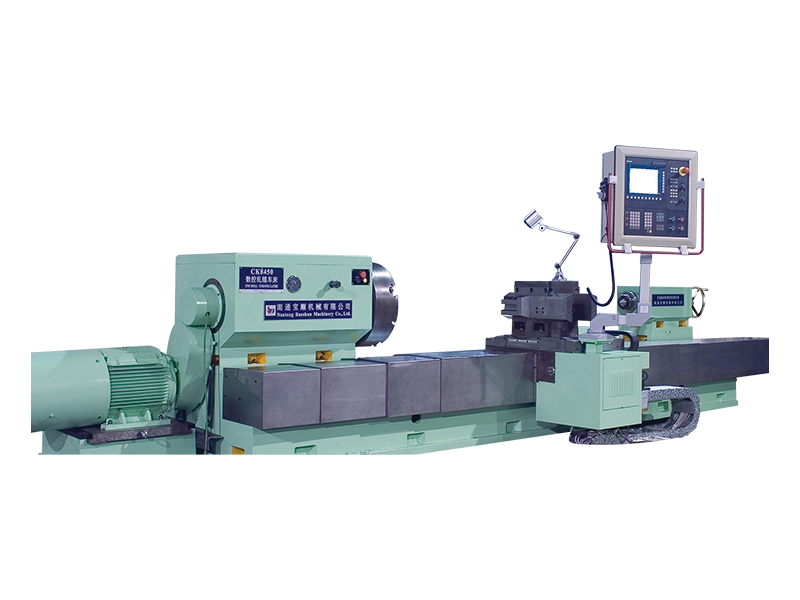
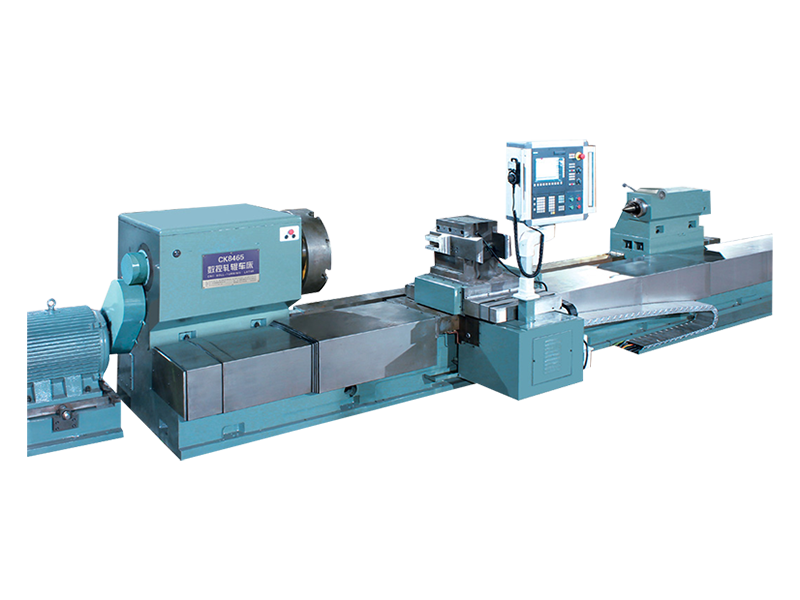
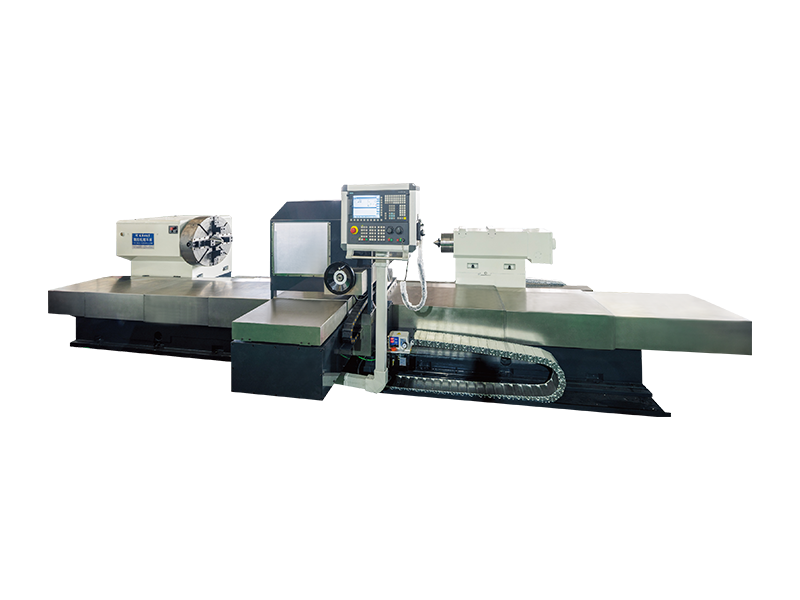
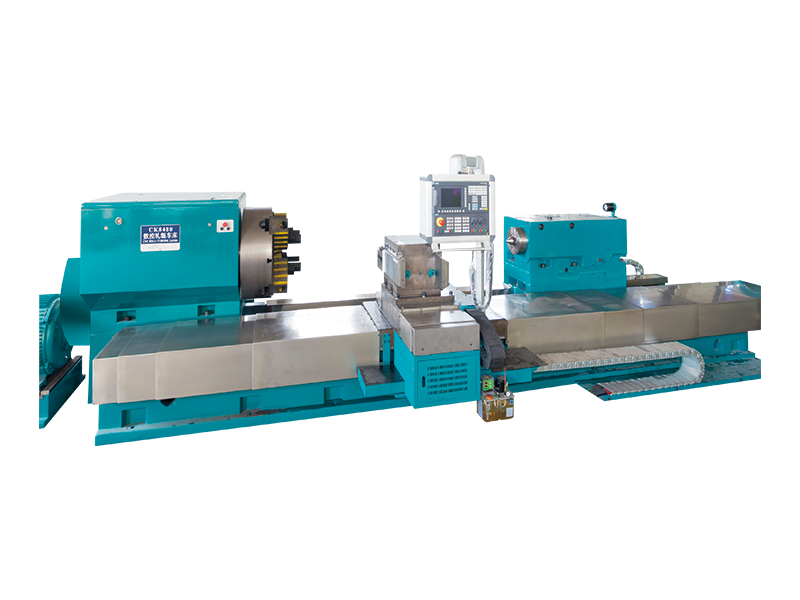
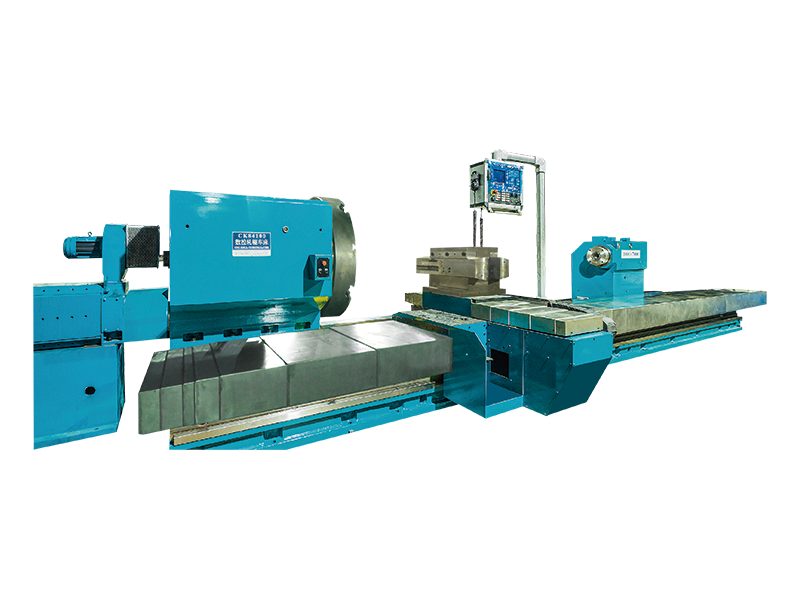
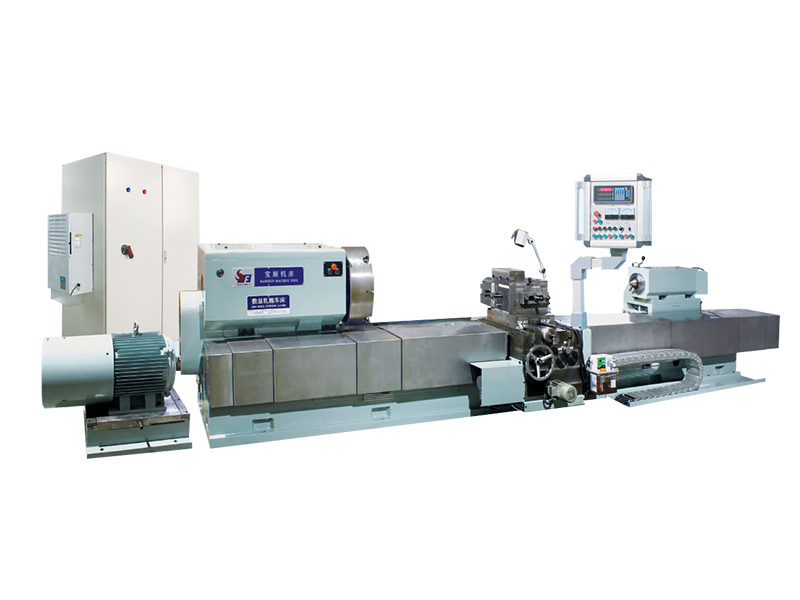
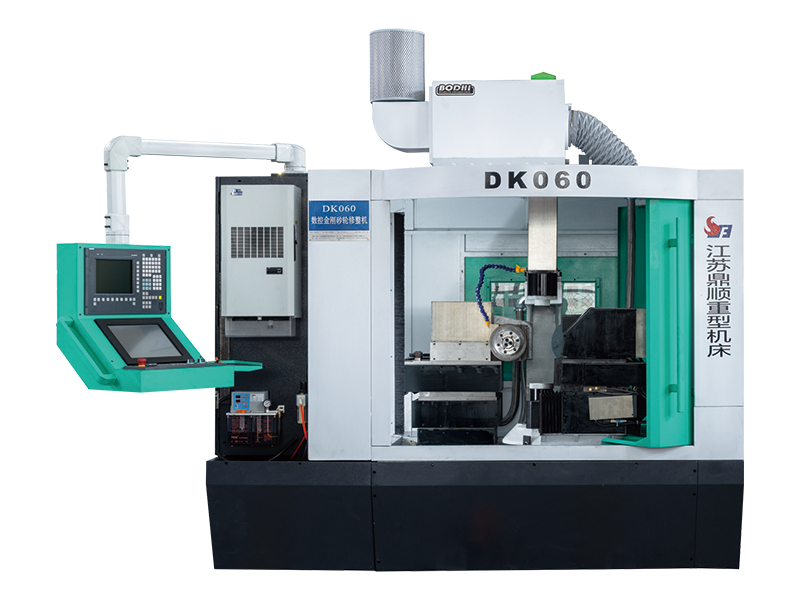
Diamond wheel dressing machines are precision equipment used to restore the profile, geometry, and sharpness of grinding wheels. They are essential in industries requiring high-precision grinding, including tool manufacturing, automotive component production, and aerospace. These machines ensure that grinding wheels maintain optimal cutting efficiency and surface quality, extending the wheel’s service life.
Selecting the correct type of diamond wheel dressing machine depends on the wheel geometry, grinding process, and required surface finish. The main types include:
Rotary diamond dressers feature a rotating diamond tool that continuously engages the grinding wheel. They are ideal for high-speed grinding and can maintain consistent wheel profiles with minimal operator intervention. Their adjustable dressing angle allows precise control over wheel sharpness and surface finish.
Stationary diamond dressers employ a fixed diamond point that traverses the grinding wheel surface. They are suitable for flat or cylindrical grinding wheels and are effective for shaping or correcting wheel geometry. These dressers provide high precision but may require careful monitoring to avoid over-dressing.
Pneumatic and hydraulic diamond dressers automate the dressing process, providing controlled pressure and movement. They are particularly useful for large-diameter wheels and heavy-duty applications. The automated pressure ensures uniform dressing, reducing wheel wear and vibration.
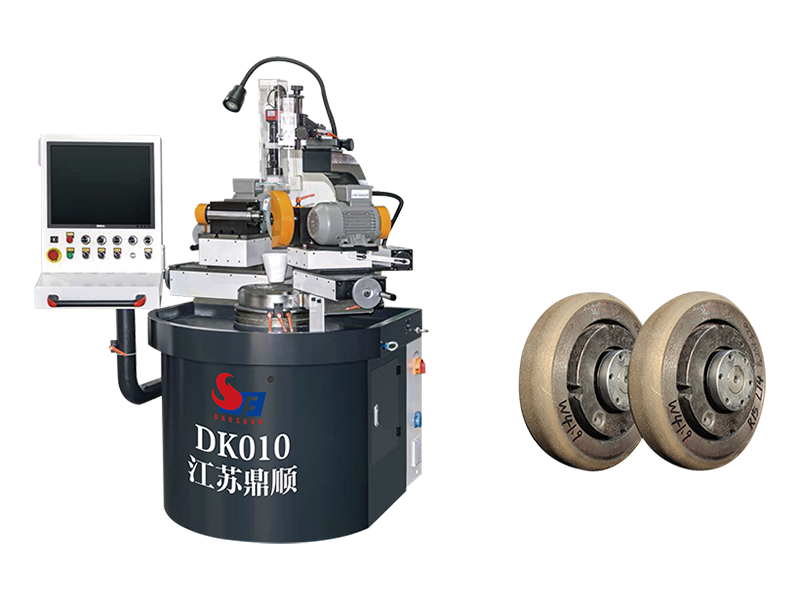
Proper selection of a diamond wheel dressing machine ensures efficient operation and precise wheel maintenance. Key factors include:
The dressing machine must accommodate the grinding wheel's shape, size, and composition. For example, complex profile wheels require rotary or CNC-controlled dressers capable of following intricate contours, while standard cylindrical wheels can be dressed with stationary points.
The hardness of the grinding wheel material and its abrasive type influence the diamond dresser selection. Harder wheels require high-quality, natural diamond points, while softer or vitrified wheels may use synthetic diamond tools. Material compatibility ensures efficient dressing without excessive wear or damage.
High-precision components demand tight control of wheel profile and sharpness. CNC-controlled diamond dressing machines provide programmable profiles for complex shapes, ensuring uniform surface finish and dimensional accuracy.
The dressing speed affects both productivity and wheel life. Faster rotary dressers enhance production rates but require careful monitoring to avoid overheating. Hydraulic and pneumatic systems offer controlled, steady dressing, balancing efficiency with precision.
Diamond wheel dressing machines operate by removing a small layer of the grinding wheel to restore its cutting ability and geometric accuracy. The process can be broadly categorized into mechanical engagement and controlled dressing methods.
In mechanical dressing, the diamond point physically contacts the grinding wheel, shaving away worn abrasive grains and exposing fresh edges. Operators can adjust the feed rate, angle, and pressure to achieve the desired wheel profile. Proper mechanical dressing reduces vibration and prevents excessive heat buildup.
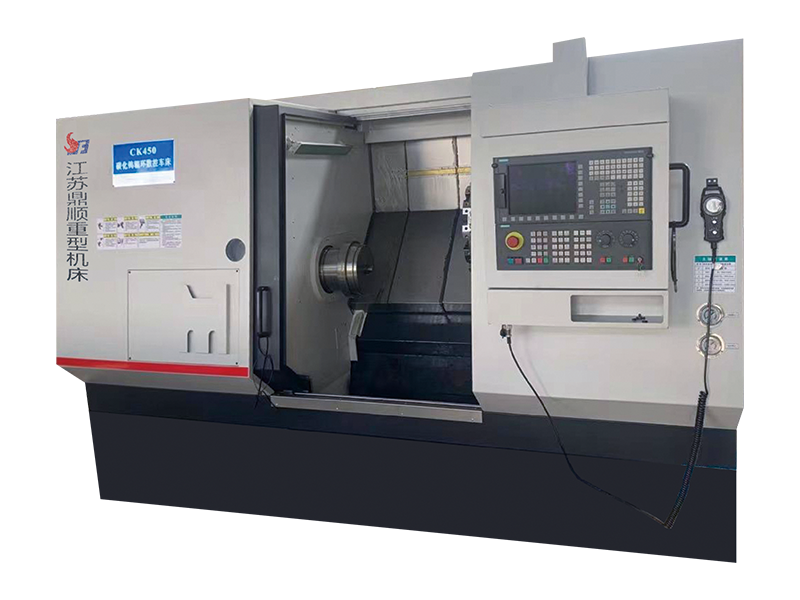
Modern CNC diamond dressing machines automate the wheel profile restoration process. They precisely follow programmed paths, ensuring consistent wheel geometry for complex shapes. Sensors monitor wheel wear, and feedback systems adjust the diamond engagement for optimal surface finish.
Critical parameters in diamond wheel dressing include:
To maximize the performance of diamond wheel dressing machines, proper maintenance and operational procedures are essential.
Inspect diamond points for wear, cracks, or chipping. Cleaning the dressing machine and wheel ensures debris does not affect wheel geometry or dressing quality.
Proper lubrication and cooling prevent overheating of the diamond point and wheel. Use recommended lubricants and coolants for optimal performance.
Adjust dressing parameters based on wheel wear, material type, and production requirements. Continual monitoring and adjustment extend wheel life and ensure consistent surface quality.
Diamond wheel dressing machines play a critical role in precision grinding processes. By understanding the different types, selecting based on wheel material and geometry, and optimizing operational parameters, manufacturers can achieve consistent, high-quality finishes. Proper maintenance ensures longevity, efficiency, and reliability in production environments, making these machines an indispensable part of modern machining operations.

 Download Material

 E-mail: [email protected]
  Mob: +86-13806297906
  Tel: +86-513-85562198
  Add:No. 99 Tiantong Road, Nantong City, Jiangsu Province.
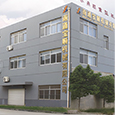
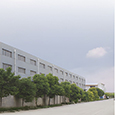
Factory scene

Copyright@ Jiangsu Dingshun Heavy duty Machine Tool Co., Ltd. All Rights Reserved.




 English
  русский
  Español
  عربى
عربى