Content
High-speed steel (HSS) roller rings are precision-engineered annular cutting tools used primarily in roll forming, ring rolling, and profile machining operations. Made from high-speed steel alloys — typically M2, M35, or M42 grades — these rings are designed to maintain their hardness and cutting edge integrity even when subjected to intense heat generated during high-speed machining. Unlike conventional tool steels that soften at elevated temperatures, HSS retains its mechanical properties at temperatures up to 600°C, making it the material of choice for demanding industrial applications.
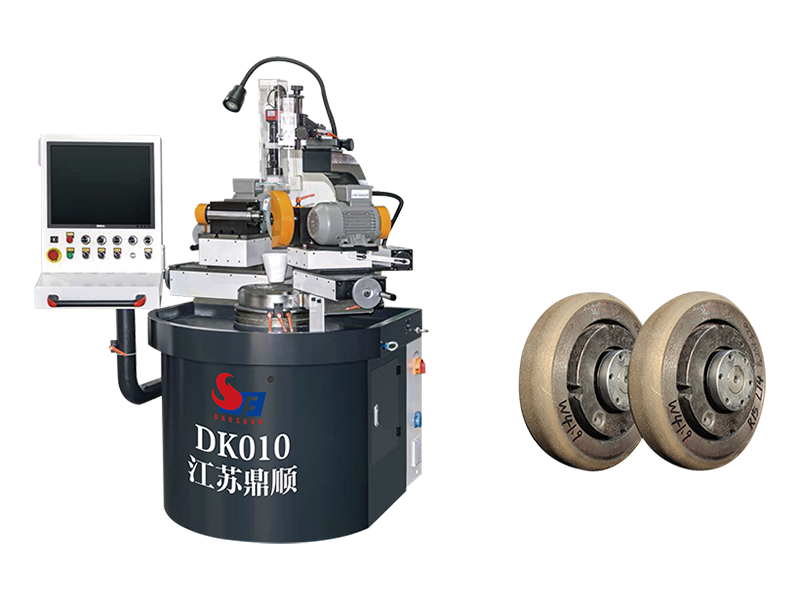
Roller rings serve a critical function in industries such as wire and rod production, seamless tube manufacturing, bearing ring fabrication, and gear blank processing. Their circular geometry allows continuous contact with the workpiece, enabling efficient material removal and surface forming with minimal vibration. When manufactured to tight tolerances and machined on a dedicated CNC roller ring lathe, HSS roller rings deliver consistent performance across long production runs — a combination of longevity and precision that makes them indispensable in modern metalworking.
The performance of a roller ring is only as good as the steel from which it is made. High-speed steel achieves its superior properties through a carefully balanced chemical composition that includes tungsten, molybdenum, chromium, vanadium, and cobalt in varying proportions depending on the grade. Each element contributes specific characteristics that collectively make HSS an exceptional tool material.
| HSS Grade | Key Alloying Elements | Hardness (HRC) | Best Application |
| M2 | W, Mo, Cr, V | 62–65 | General-purpose roller rings |
| M35 | W, Mo, Cr, V, Co (5%) | 64–66 | Stainless steel and alloy rolling |
| M42 | W, Mo, Cr, V, Co (8%) | 66–68 | Hard and superalloy machining |
| PM-HSS | Powder metallurgy, high V content | 65–68 | High-precision, long-run production |
Powder metallurgy HSS (PM-HSS) represents the most advanced form of high-speed steel, produced by sintering fine alloy powders under high pressure. This process eliminates the carbide segregation found in conventionally cast HSS, resulting in a more uniform microstructure, superior grindability, and significantly improved edge retention — all critical qualities when the material is being formed into precision roller rings.
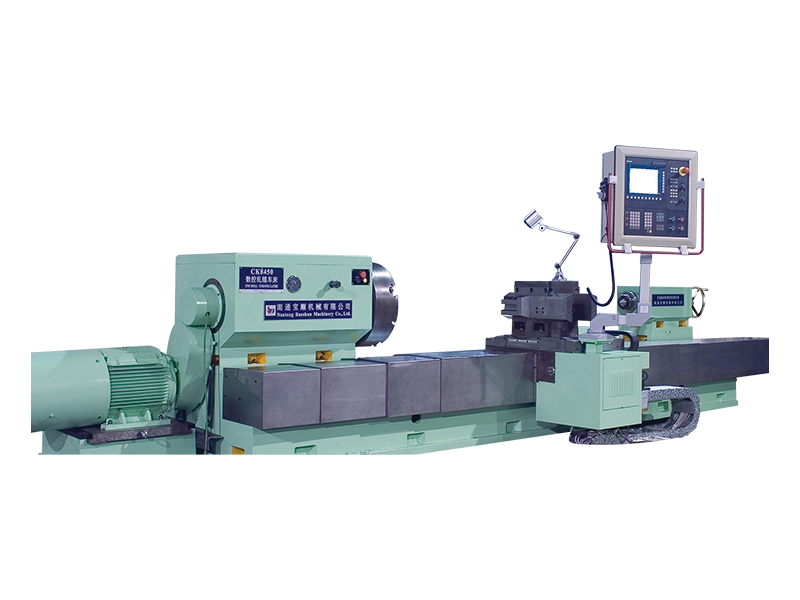
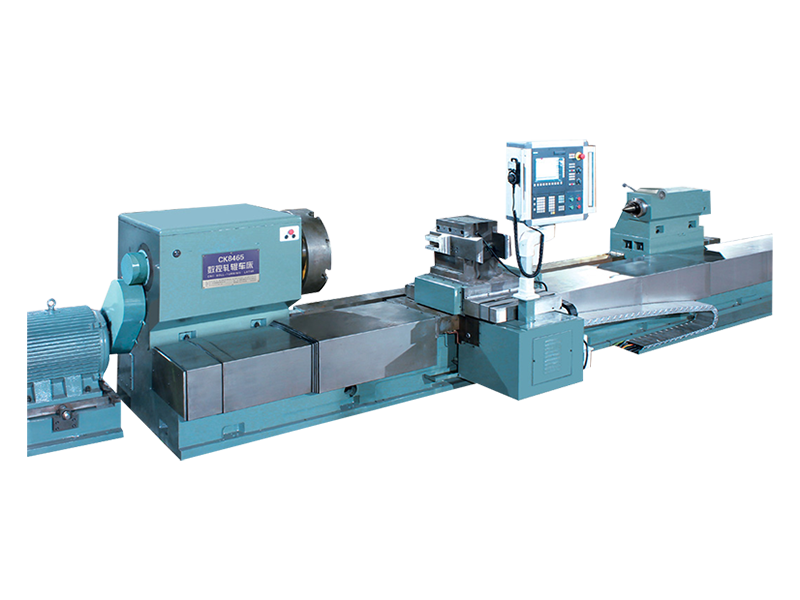
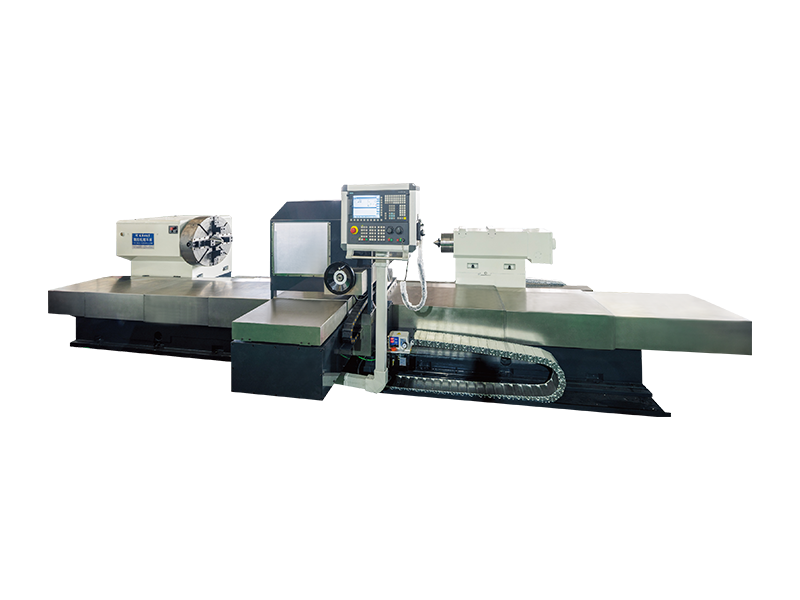
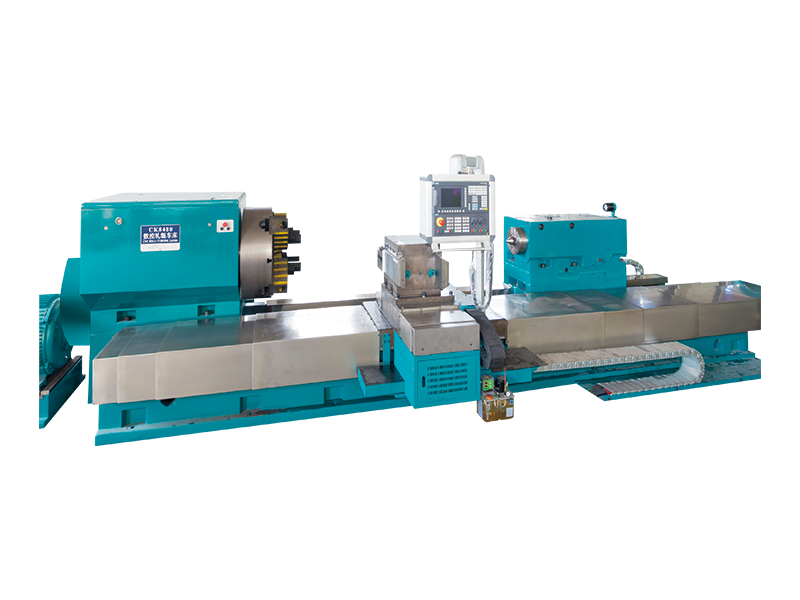
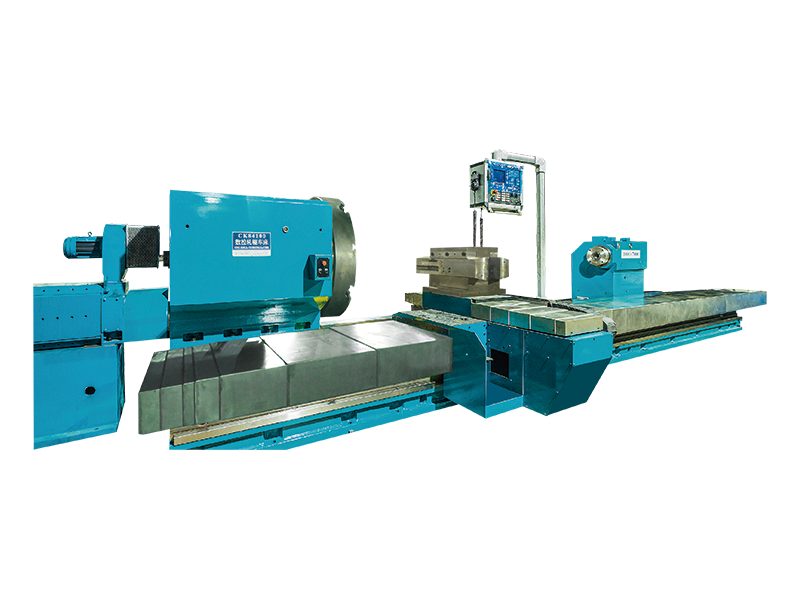
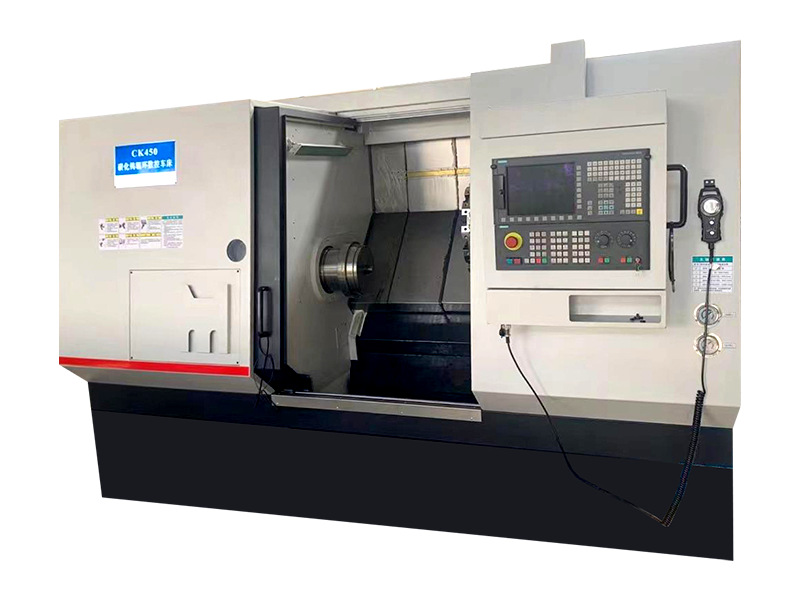
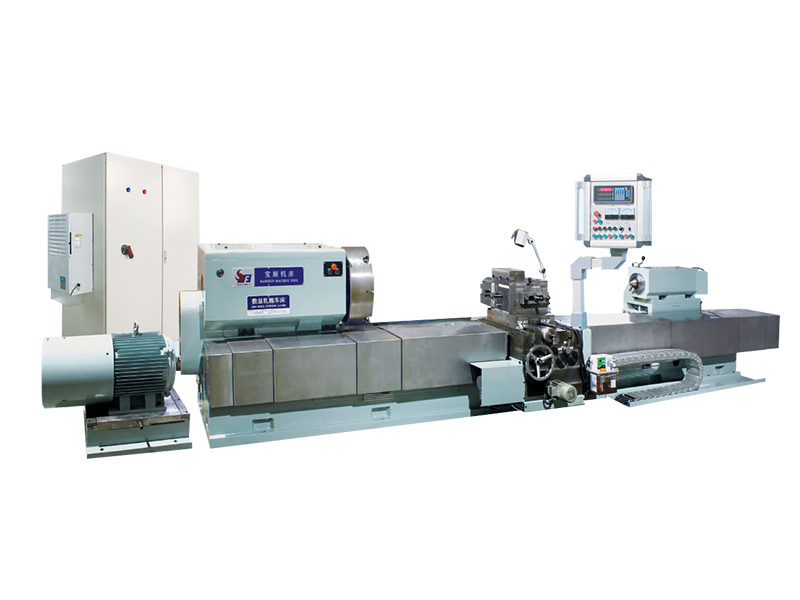
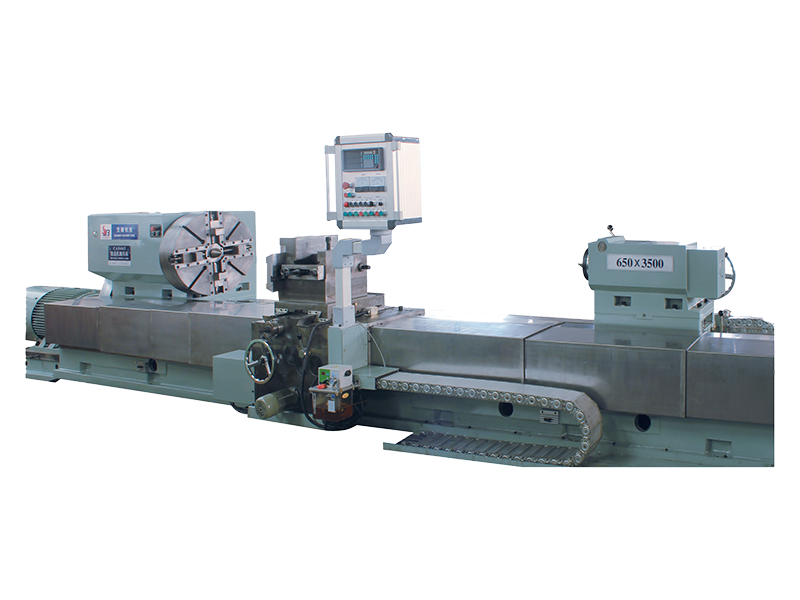
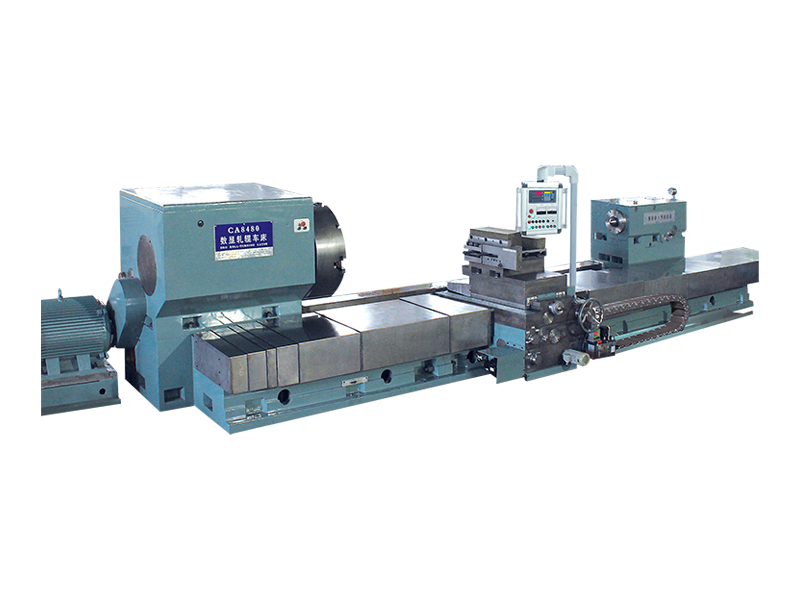
A CNC roller ring lathe is a specialized machine tool engineered specifically for the turning, profiling, and finishing of annular workpieces such as roller rings, bearing rings, and flanged sleeves. Unlike standard CNC lathes, roller ring lathes are built with a reinforced spindle system and an expanded diameter capacity to accommodate large-bore ring components. The integration of CNC (Computer Numerical Control) technology allows these machines to execute complex turning programs with micron-level repeatability, which is essential when machining HSS roller rings that must conform to tight dimensional tolerances.
Modern CNC roller ring lathes typically feature a slant-bed or flat-bed construction with hardened and precision-ground guideways. The slant-bed design offers improved chip evacuation and better rigidity during heavy cuts, which is especially important when turning hardened HSS blanks. The CNC controller — commonly a Fanuc, Siemens, or Mitsubishi system — manages all axis movements simultaneously, enabling continuous path control during complex profiling operations such as taper turning, radius forming, and multi-step shoulder machining.
The capability of a CNC roller ring lathe is determined largely by the quality and configuration of its individual components. Each element plays a specific role in ensuring that the machine delivers the precision and power needed for roller ring production.
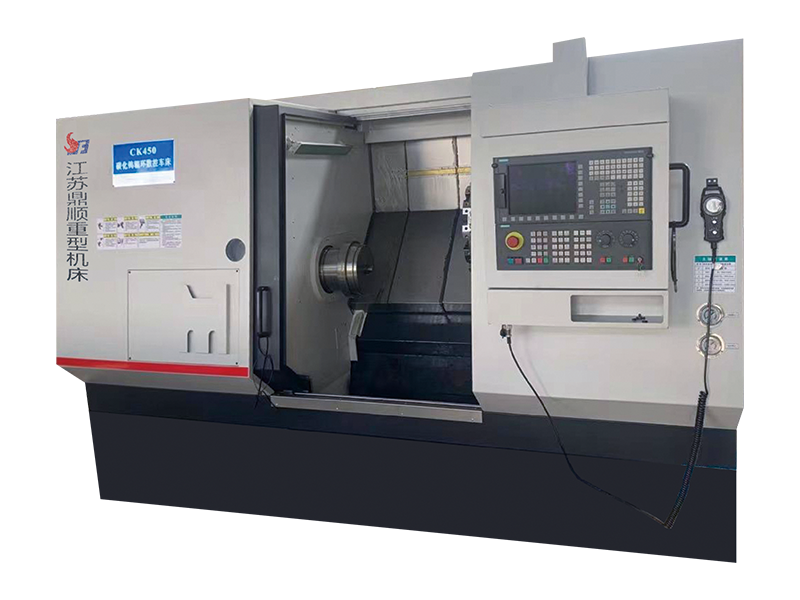
Machining high-speed steel roller rings on a CNC lathe is a technically demanding process that requires careful attention to cutting parameters, tooling selection, and thermal management. HSS in its hardened state (typically 62–68 HRC) is highly abrasion-resistant, which means that cutting tool wear is a primary concern throughout the operation. The process is generally divided into three stages: rough turning, semi-finish turning, and finish turning.
During rough turning, CBN (cubic boron nitride) or ceramic inserts are used to remove the bulk of material from the HSS blank at relatively low cutting speeds — typically 40 to 80 m/min for hardened HSS. Deep cuts of 1.5mm to 3mm with high feed rates are applied to maximize material removal while maintaining acceptable insert life. The CNC controller executes pre-programmed roughing cycles that automatically calculate optimal tool paths to avoid excessive radial forces.
As the workpiece approaches its final dimensions, cutting depth is progressively reduced to 0.1mm–0.5mm, and cutting speed is increased to achieve the surface finish specification required — typically Ra 0.4 to Ra 0.8 µm for roller ring contact surfaces. CBN inserts with a tight nose radius (0.4mm or 0.8mm) are selected for finish passes to minimize surface roughness. The CNC system's constant surface speed (CSS) function ensures that spindle speed automatically adjusts as the tool moves across different diameters, maintaining consistent cutting conditions throughout the pass.
The dimensional accuracy of a roller ring directly determines the quality of the products it will subsequently form or roll. CNC roller ring lathes are capable of holding tolerances that meet the most stringent international standards, making them the preferred production method for precision ring manufacturers worldwide.
The shift from conventional manual or semi-automatic lathes to full CNC roller ring lathes has brought measurable improvements in productivity, consistency, and operational flexibility across the roller ring manufacturing industry. The advantages extend well beyond simple automation and touch every aspect of the production workflow.
Choosing a CNC roller ring lathe requires a systematic evaluation of your production requirements, workpiece dimensions, material hardness, and required tolerances. The machine must be matched not only to the largest roller ring you currently produce but also to anticipated future product sizes and materials as your manufacturing scope expands.
Key specifications to evaluate include maximum swing over the bed, spindle bore diameter, spindle power and torque output at low RPM, axis travel lengths, and the type of guideway system. For producers working exclusively with hardened HSS roller rings, hydrostatic guideways offer superior vibration damping compared to linear roller guides, which is a critical advantage when finish turning hard materials. Additionally, the availability of after-sales service, spare parts supply, and CNC controller support from the machine manufacturer should be weighted heavily in the purchasing decision, as downtime on a roller ring lathe in a high-throughput facility can be extremely costly.

 Download Material

 E-mail: [email protected]
  Mob: +86-13806297906
  Tel: +86-513-85562198
  Add:No. 99 Tiantong Road, Nantong City, Jiangsu Province.
Factory scene



Copyright@ Jiangsu Dingshun Heavy duty Machine Tool Co., Ltd. All Rights Reserved.




 English
  русский
  Español
  عربى
عربى