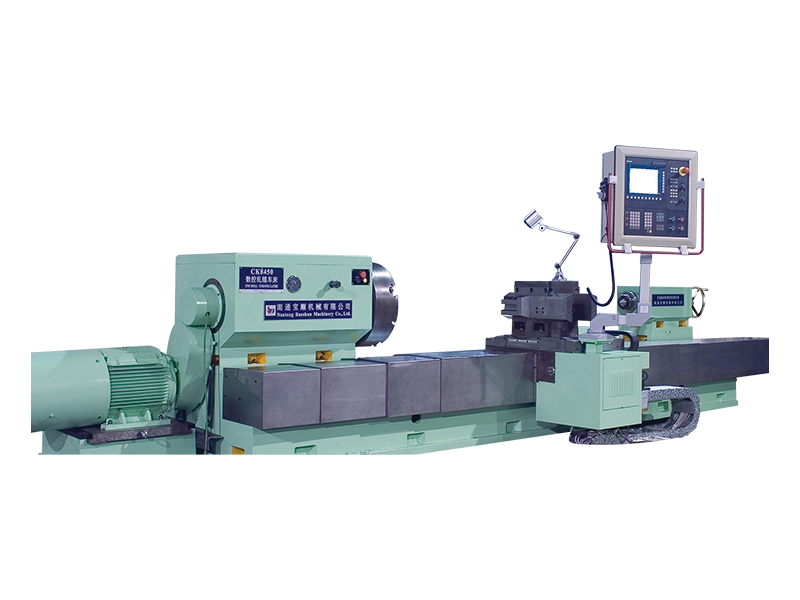
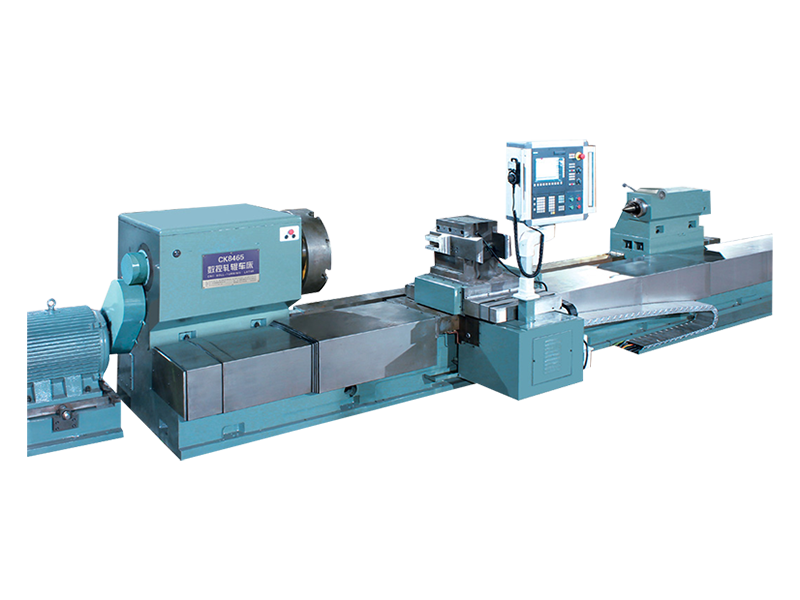
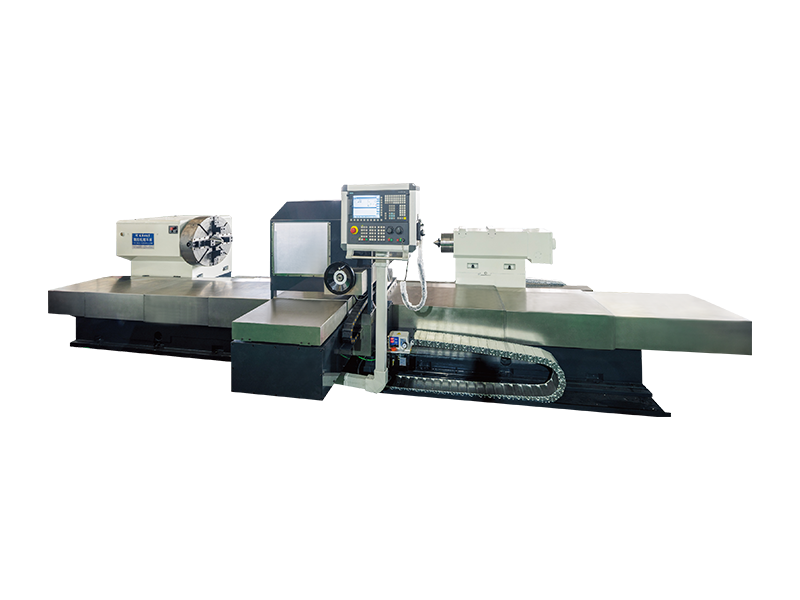
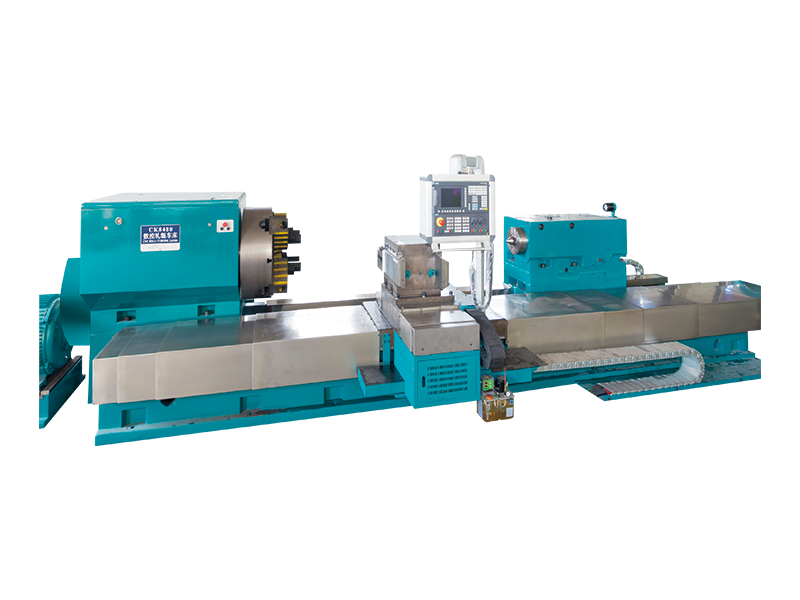
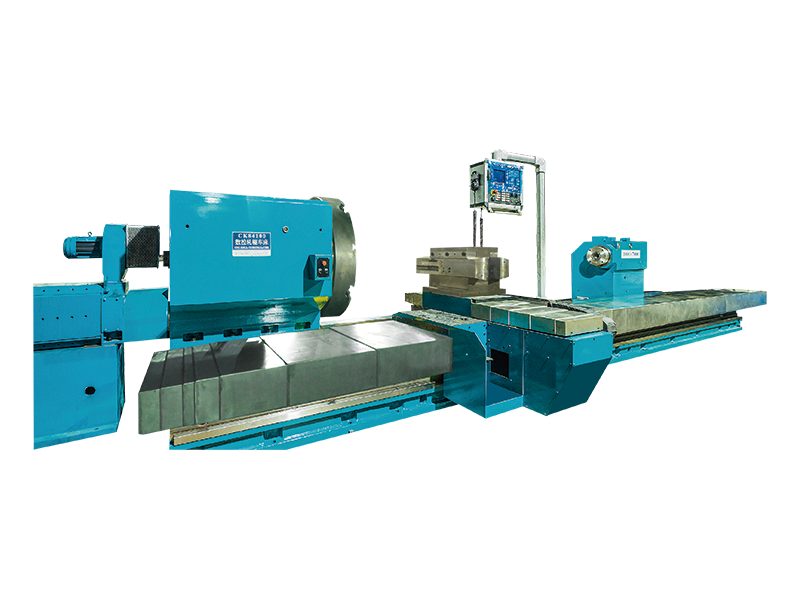
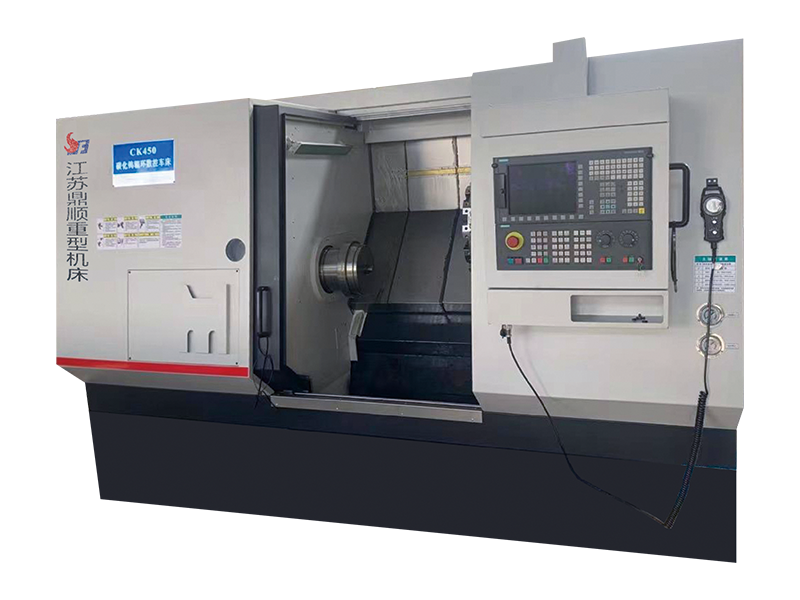
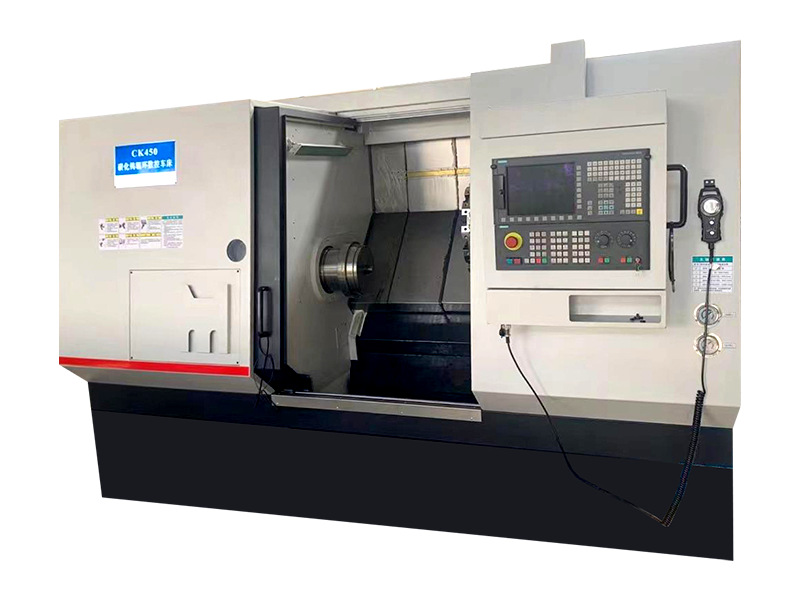
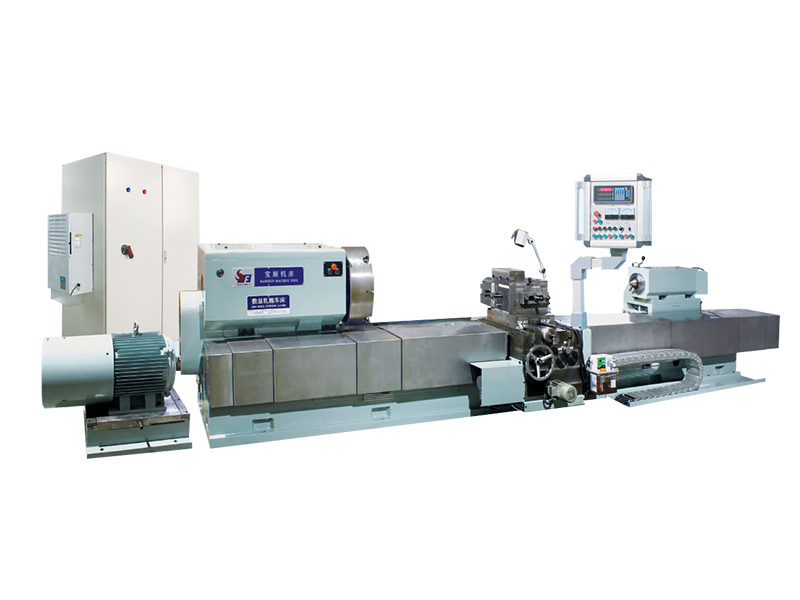
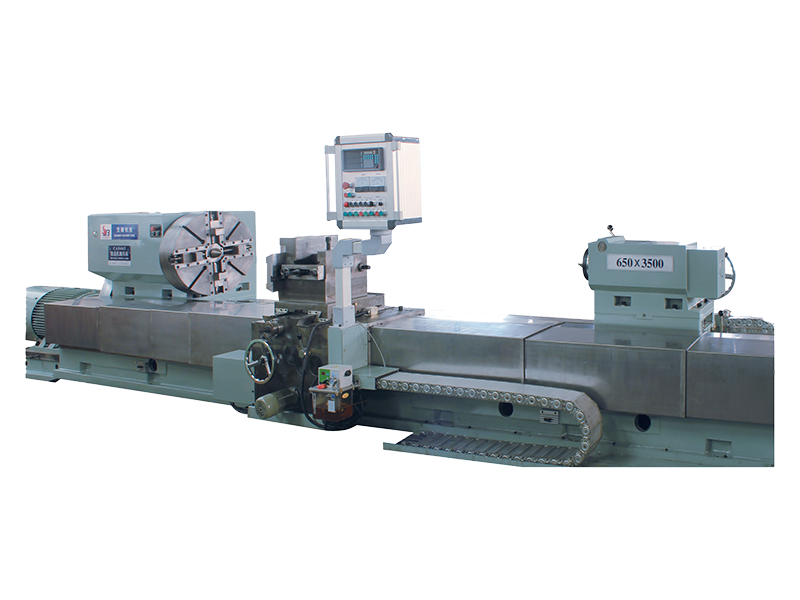
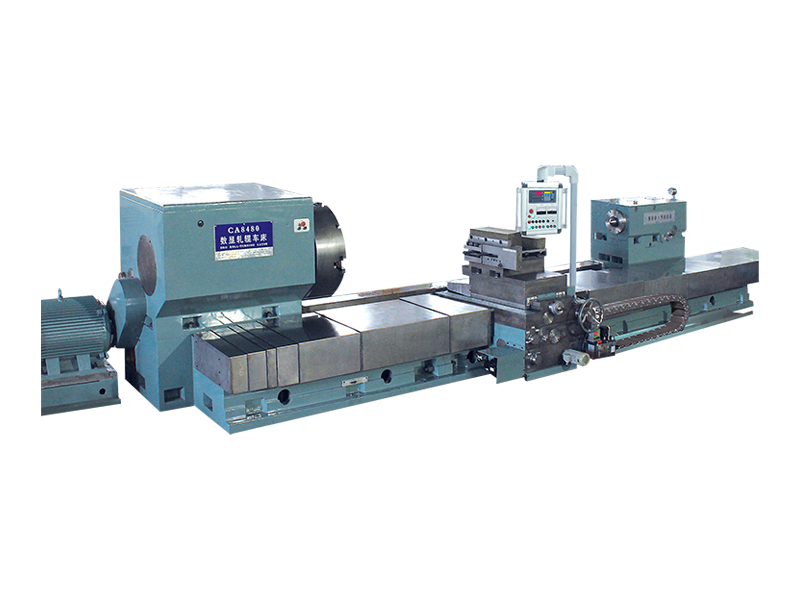
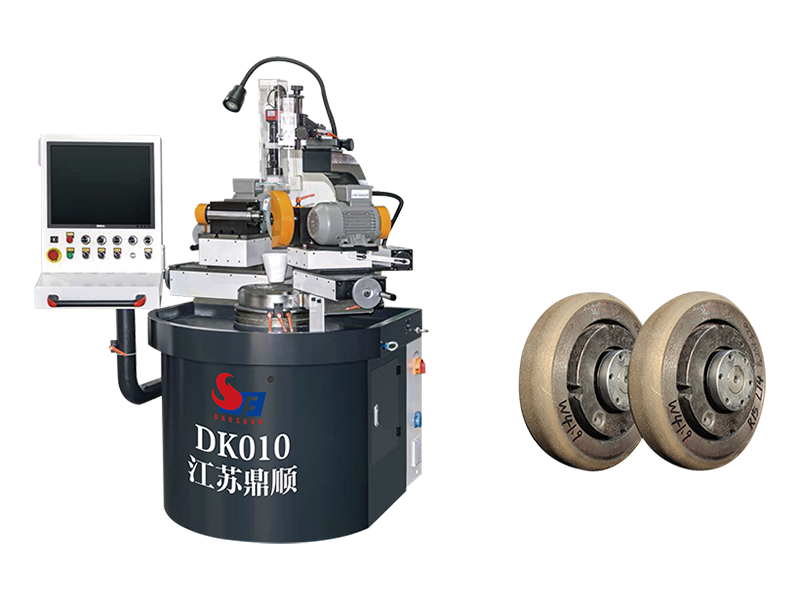
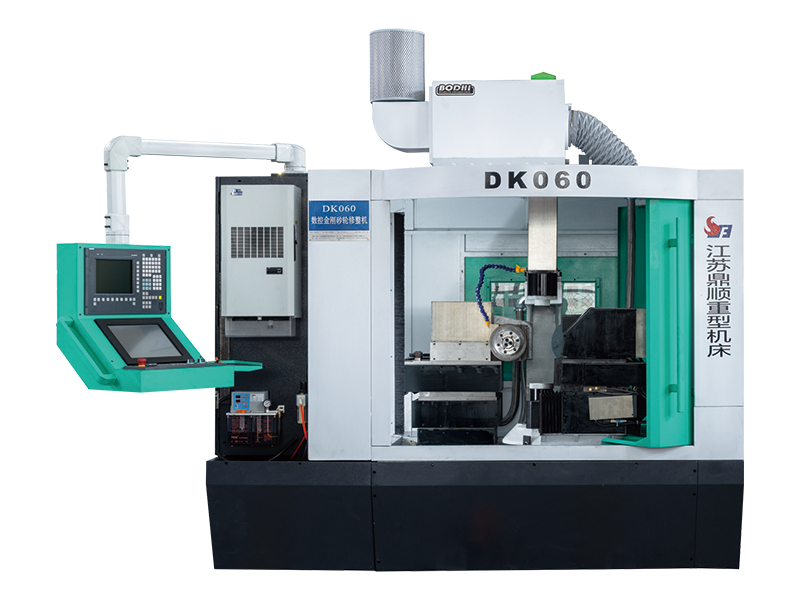
A CNC roller processing machine automates the bending, forming, and shaping of metal sheets and coils with high precision, but precision alone does not guarantee an efficient, low-waste operation. Waste in roller processing can come from material scrap, machine downtime, energy inefficiency, and human error, all of which add cost and reduce throughput. This article outlines practical, actionable strategies to minimize waste at each stage of the production process when using a CNC roller processing machine.
Content
Before waste can be reduced, it helps to identify where it typically originates. In CNC roller processing operations, waste generally falls into a few recurring categories, each requiring a different approach to address effectively.
Material waste is often the largest and most costly source of inefficiency in roller processing. Because CNC roller machines operate based on programmed instructions, the accuracy of that programming has a direct impact on how much raw material is used versus wasted.
Using nesting software to plan how parts are arranged on a sheet or coil before processing reduces offcut waste significantly. By simulating the layout digitally before production begins, operators can identify the most material-efficient arrangement rather than relying on manual estimation, which often leaves unnecessary gaps between parts.
Even well-planned programs will produce scrap if the machine itself is not properly calibrated. Roller alignment, pressure settings, and feed rates should be checked regularly, since even small deviations can cause material to be bent or trimmed incorrectly, resulting in rejected parts that cannot be reused.
Time lost to machine downtime and lengthy setup procedures translates directly into wasted production capacity. Reducing these delays requires both procedural changes and preventive maintenance practices.
Creating standardized setup checklists for common job types reduces the time operators spend adjusting settings between runs. Storing proven program parameters for recurring parts also eliminates the need to reprogram from scratch each time a familiar job returns to the schedule.
Unplanned breakdowns are one of the most disruptive forms of waste, since they halt production entirely and often result in incomplete or damaged parts left in the machine. A preventive maintenance schedule that addresses lubrication, roller wear, and control system checks before problems occur helps avoid these costly interruptions.
| Maintenance Task | Recommended Frequency | Waste Prevented |
| Roller alignment check | Weekly | Material scrap from misforming |
| Lubrication of moving parts | Weekly | Unplanned downtime |
| Control system calibration | Monthly | Programming inaccuracies |
| Tooling wear inspection | Monthly | Premature tool failure |
Energy waste is often overlooked because it does not produce visible scrap, but it still adds unnecessary cost to production. CNC roller processing machines consume power even during idle periods, and inefficient operating settings can increase energy use without improving output quality.
Grouping similar jobs together reduces the number of times the machine needs to power up, cool down, or switch between significantly different settings. Batch processing similar material thicknesses or part geometries in sequence minimizes energy spent on repeated adjustments.
Running the machine at unnecessarily high speeds or pressures for a given material does not improve output and often increases energy consumption while accelerating tool wear. Matching settings precisely to material specifications, rather than defaulting to maximum capacity, conserves energy without sacrificing quality.
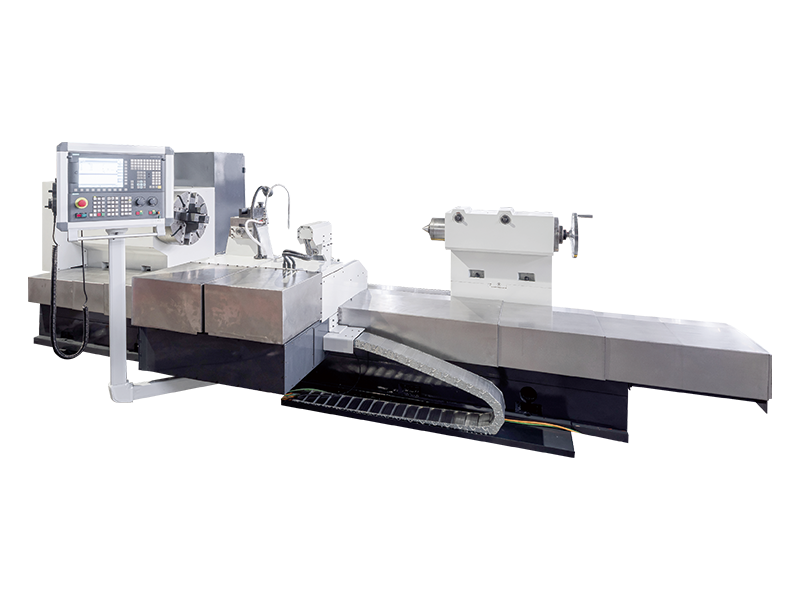
Rollers and tooling represent a significant investment, and premature wear caused by incorrect operating parameters is a form of waste that compounds over time. Selecting the correct roller pressure, speed, and feed rate for each material type extends tooling life and reduces the frequency of costly replacements. Operators should also avoid processing materials outside the tooling's rated thickness or hardness range, since doing so accelerates wear well beyond normal expectations.
Manual corrections and rework consume labor hours that could otherwise be spent on productive tasks. Two complementary strategies help reduce this form of waste: increasing automation where appropriate and ensuring operators are properly trained to catch issues early.
Reducing waste in CNC roller processing is not a one-time fix but an ongoing process of measurement and refinement. Tracking key metrics such as scrap rate, machine uptime, and energy consumption per unit produced gives a clear baseline against which improvements can be measured. Regularly reviewing this data with operators and maintenance staff helps identify new opportunities for waste reduction that might not be visible from a single inspection or audit.
By addressing material usage, machine uptime, energy consumption, tooling longevity, and labor efficiency together, manufacturers can meaningfully reduce waste across the entire roller processing workflow. These improvements not only lower production costs but also contribute to more consistent product quality and a more sustainable manufacturing operation overall.

 Download Material

 E-mail: [email protected]
  Mob: +86-13806297906
  Tel: +86-513-85562198
  Add:No. 99 Tiantong Road, Nantong City, Jiangsu Province.
Factory scene



Copyright@ Jiangsu Dingshun Heavy duty Machine Tool Co., Ltd. All Rights Reserved.




 English
  русский
  Español
  عربى
عربى