Content
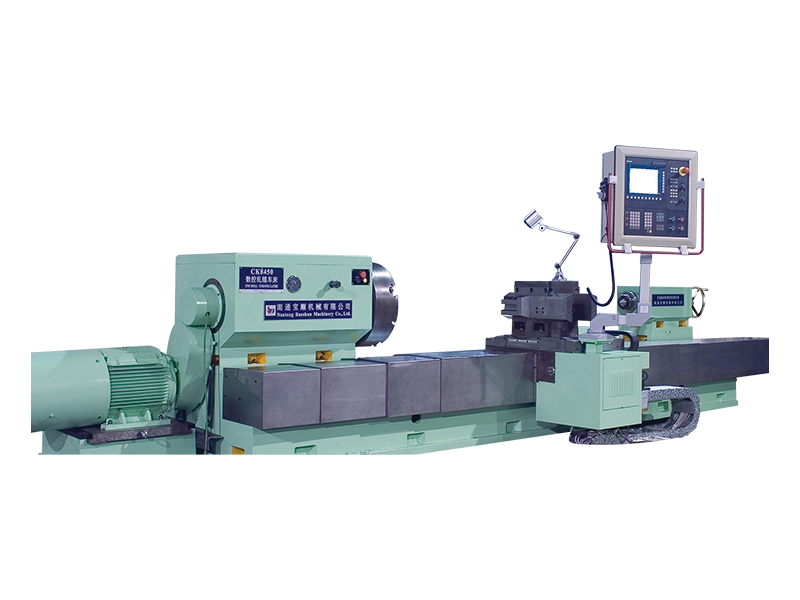
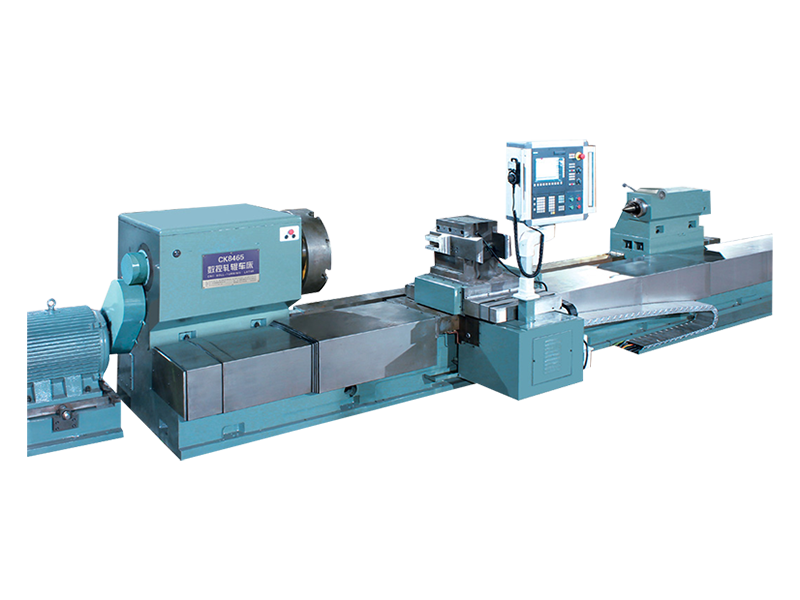
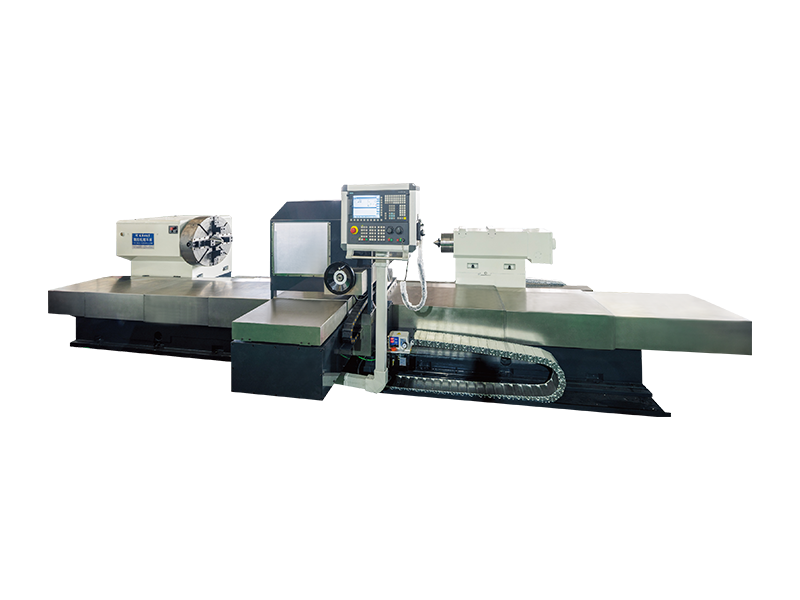
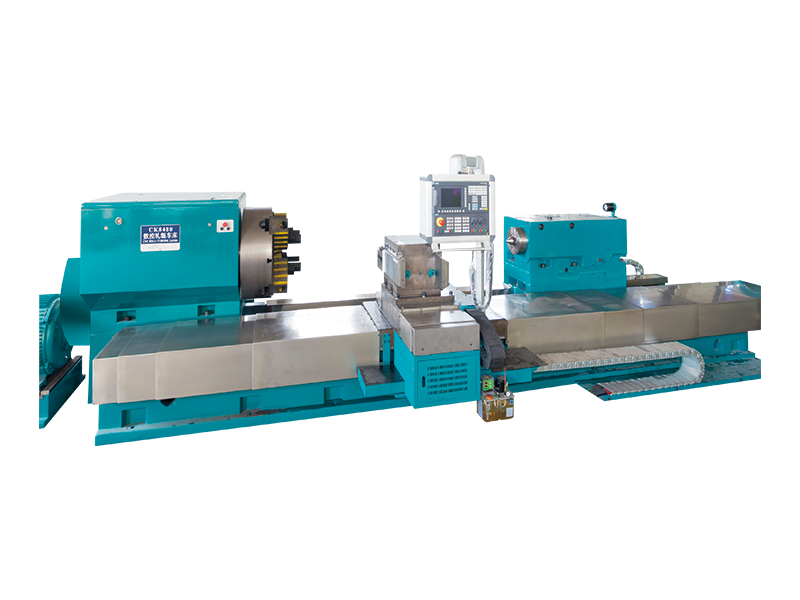
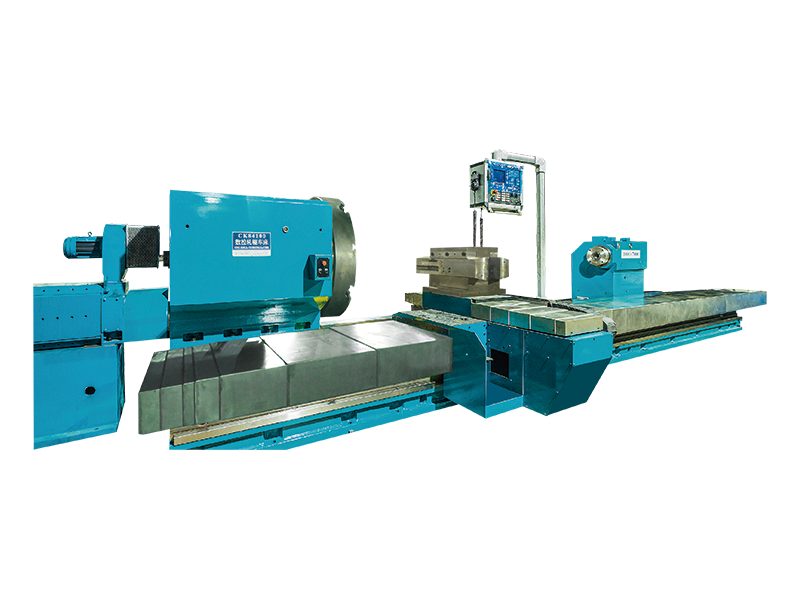
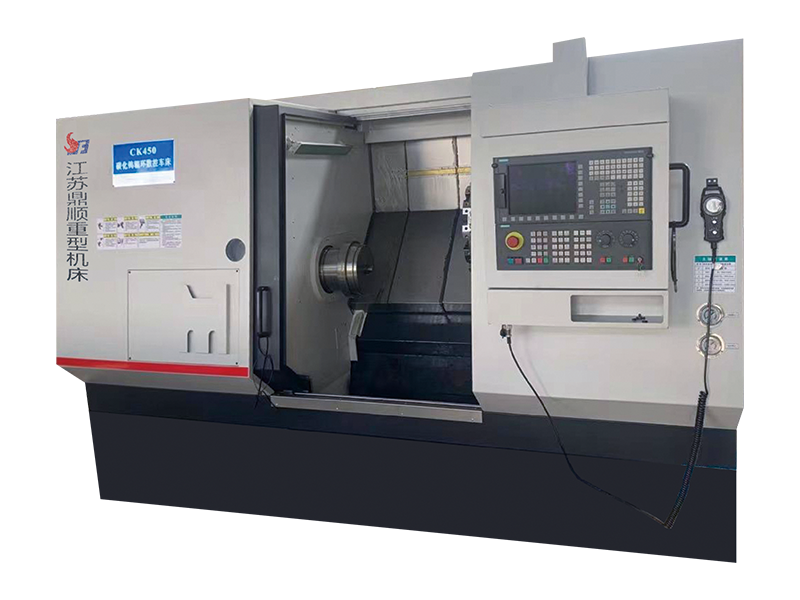
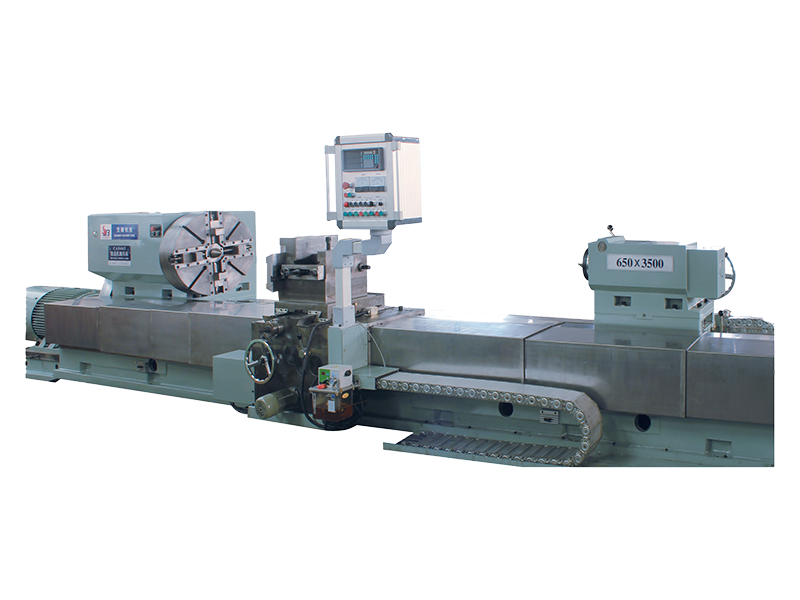
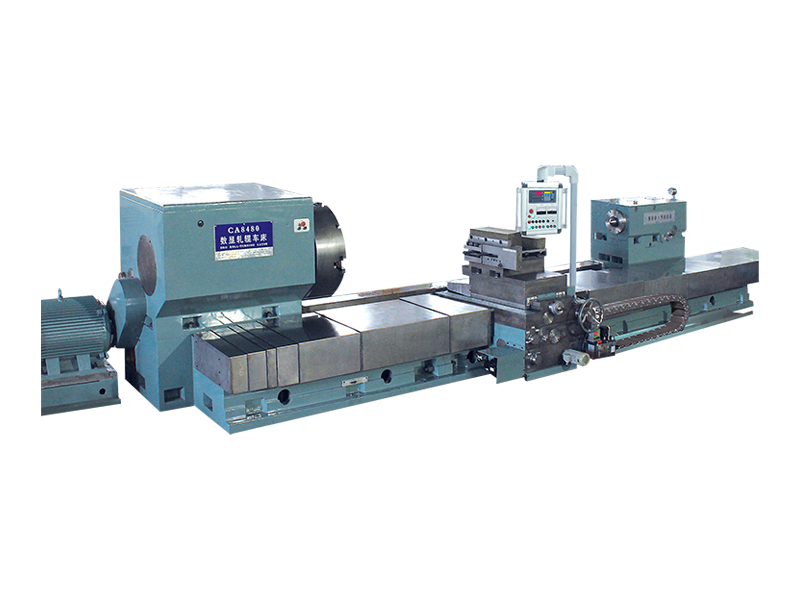
A digital display roll lathe is a specialized machining tool designed to turn, shape, and finish large cylindrical workpieces, most commonly industrial rolls used in steel mills, paper manufacturing, and rubber processing plants. Unlike traditional manual lathes that rely on analog dials and operator estimation, this equipment features a digital readout system that provides real-time, precise measurements of spindle position, feed rate, and cutting depth. This digital feedback allows operators to achieve tighter tolerances and more consistent results across long production runs, which is essential when working with rolls that must meet exact diameter and surface finish specifications.
The integration of digital displays into roll lathe technology has transformed how manufacturers approach large-scale turning operations. Instead of relying solely on operator experience to interpret dial gauges, technicians can now monitor exact measurements on a screen, reducing human error and speeding up the setup process considerably. This shift has made digital display roll lathes a preferred choice across industries that depend on high-precision cylindrical components.
One of the most significant applications of digital display roll lathes is in the steel and metal processing industry, where rolling mill rolls require frequent turning and resurfacing to maintain proper diameter and surface quality. These rolls experience continuous wear from contact with hot or cold metal stock passing through the mill, and periodic machining is necessary to restore their working surfaces to specification.
Work rolls used in hot and cold rolling mills develop surface irregularities over time due to constant friction and pressure. Digital display roll lathes allow technicians to precisely remove worn material layer by layer while continuously monitoring the resulting diameter, ensuring the roll meets exact specifications before being returned to service.
Backup rolls, which support work rolls and help distribute rolling forces evenly, also require periodic machining to correct surface defects such as flat spots or uneven wear patterns. The precision offered by digital displays helps operators achieve the exact crown profiles these rolls often require for optimal performance.
Paper manufacturing and printing operations rely heavily on precisely machined rolls to ensure consistent product quality. Calendar rolls, press rolls, and dryer rolls used in paper production must maintain exact diameters and smooth surface finishes to prevent defects such as streaking, uneven thickness, or tearing during high-speed production runs.
Digital display roll lathes are particularly valuable in this sector because paper rolls often require extremely tight tolerances, sometimes measured in fractions of a millimeter. The digital readout system allows machinists to make incremental adjustments with confidence, ensuring the finished roll performs correctly within the larger production line without introducing inconsistencies that could affect the final paper product.
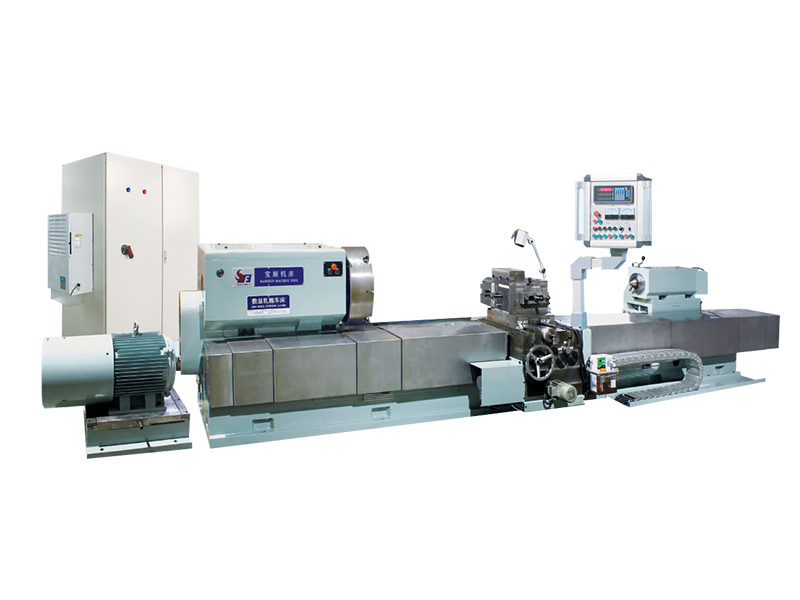
Rubber and plastic processing industries also depend on digital display roll lathes to machine calender rolls, embossing rolls, and extrusion rolls used throughout their production processes. These rolls often feature complex surface patterns or textures that must be reproduced consistently across the entire roll length, making precision machining absolutely critical to product quality.
In each of these cases, the digital display system helps operators maintain the precise dimensional accuracy required to keep production lines running smoothly and to avoid costly product defects.
Beyond new roll manufacturing, digital display roll lathes play an essential role in the maintenance and repair sector, where damaged or worn rolls from various industries are brought in for reconditioning rather than replacement. This application has become increasingly important as manufacturers look for ways to reduce costs and minimize downtime associated with sourcing entirely new rolls.
| Repair Task | Benefit of Digital Display |
| Removing surface scoring or scratches | Precise material removal without over-cutting |
| Correcting out-of-round conditions | Real-time diameter monitoring for accuracy |
| Restoring taper or crown profiles | Consistent measurement across roll length |
| Resurfacing worn journals | Improved fit with bearing components |
This repair-focused application extends the usable life of expensive industrial rolls, offering manufacturers a cost-effective alternative to full replacement while maintaining the precision necessary for continued reliable operation.
The growing adoption of digital display roll lathes across these industries stems from several practical advantages that directly improve production outcomes and operator efficiency.
Selecting the appropriate digital display roll lathe depends heavily on the specific application and the types of rolls being machined. Facilities working with heavy steel mill rolls require machines with higher horsepower and larger swing capacities, while operations focused on paper or plastic rolls may prioritize finer digital resolution and surface finish capabilities. Bed length, spindle bore size, and maximum workpiece weight are additional factors that must align with the specific rolls a facility typically processes.
Facilities that handle a diverse range of roll types often benefit from machines offering programmable digital controls, which allow operators to store and recall specific machining parameters for recurring jobs. This capability further streamlines production by reducing setup time for repeat work, making digital display roll lathes an increasingly valuable investment across steel, paper, rubber, and plastic manufacturing sectors.

 Download Material

 E-mail: [email protected]
  Mob: +86-13806297906
  Tel: +86-513-85562198
  Add:No. 99 Tiantong Road, Nantong City, Jiangsu Province.
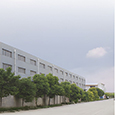
Factory scene


Copyright@ Jiangsu Dingshun Heavy duty Machine Tool Co., Ltd. All Rights Reserved.




 English
  русский
  Español
  عربى
عربى