Content
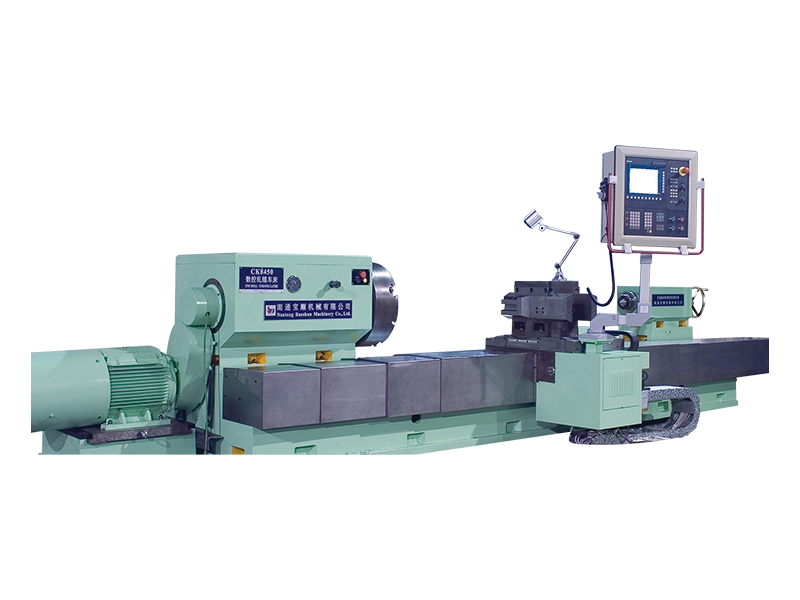
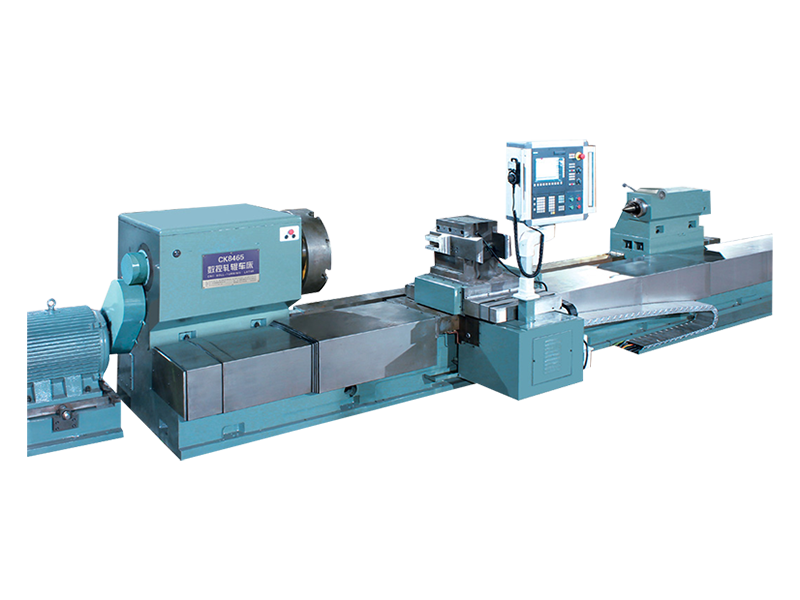
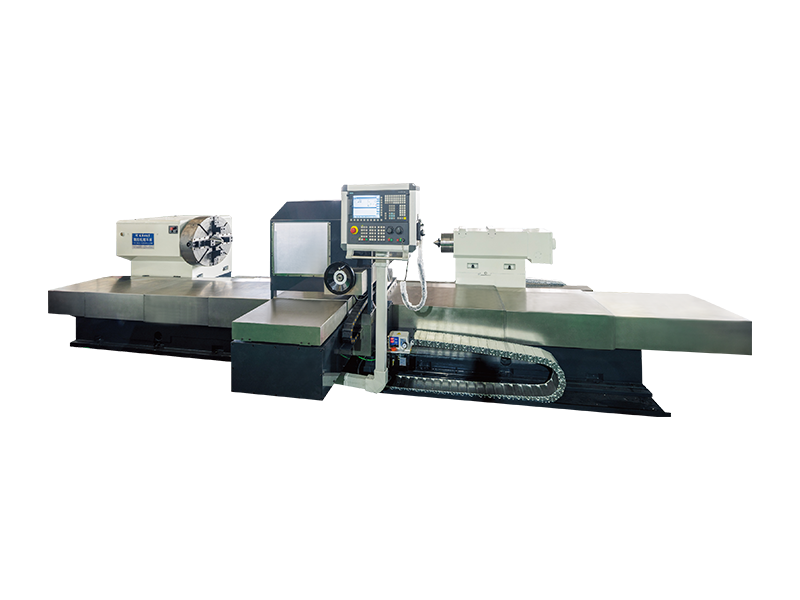
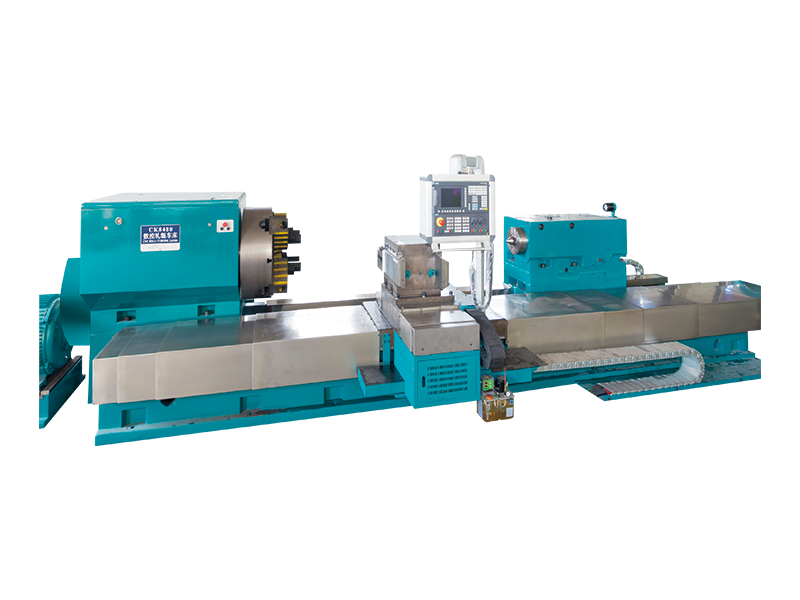
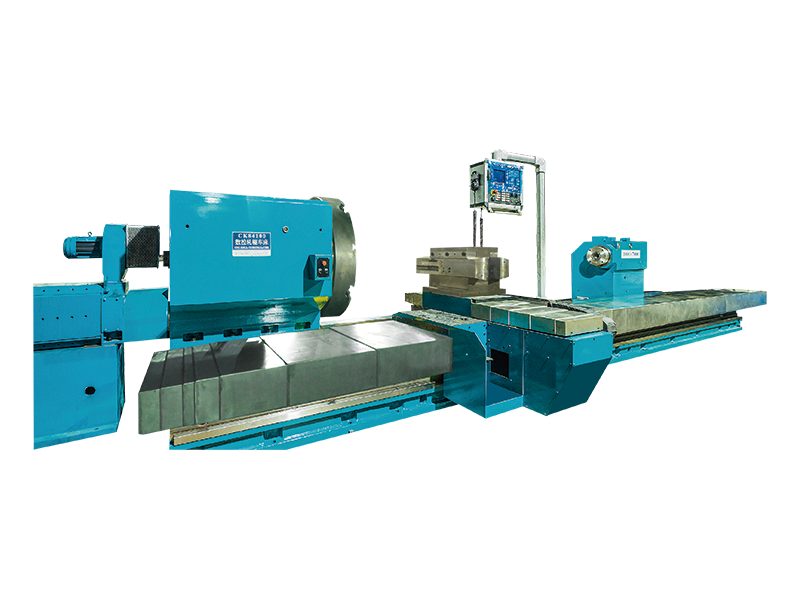
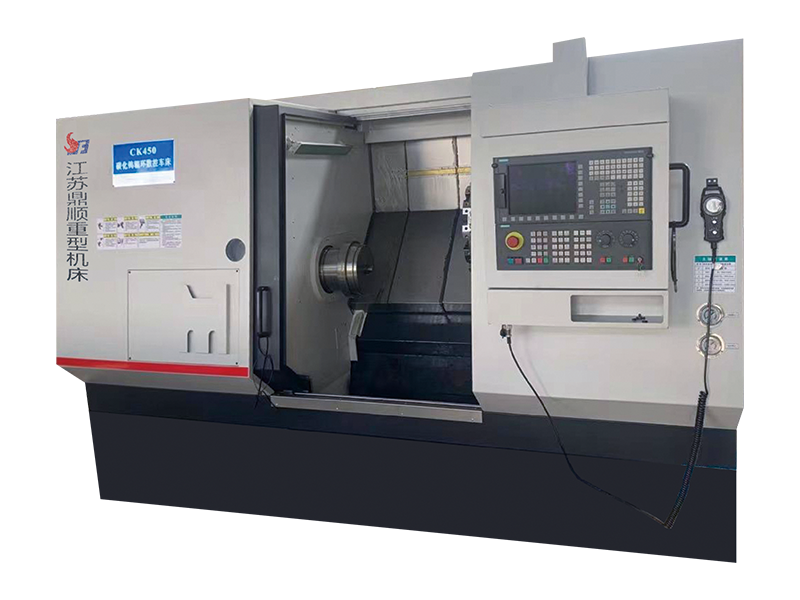
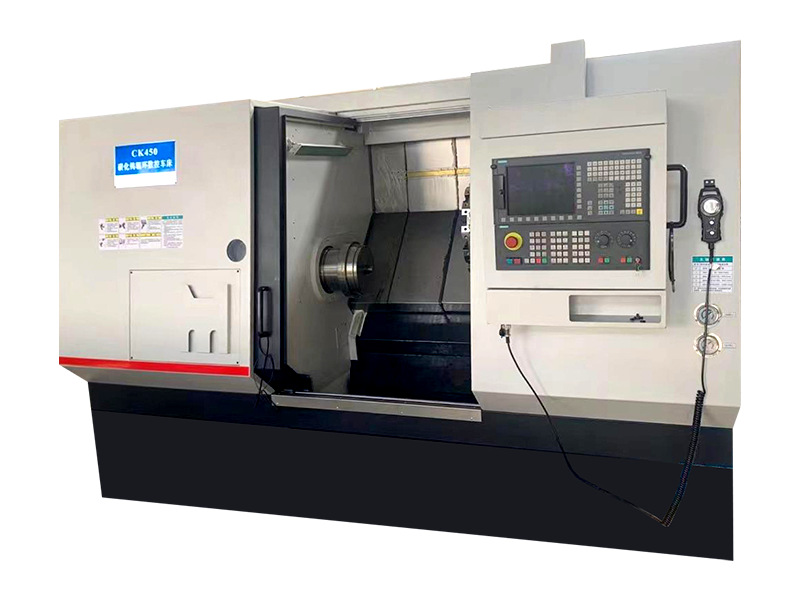
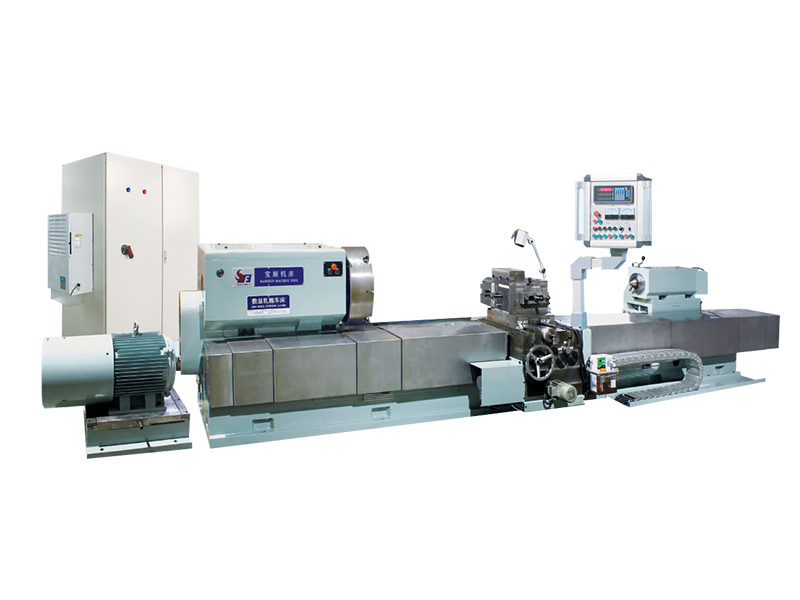
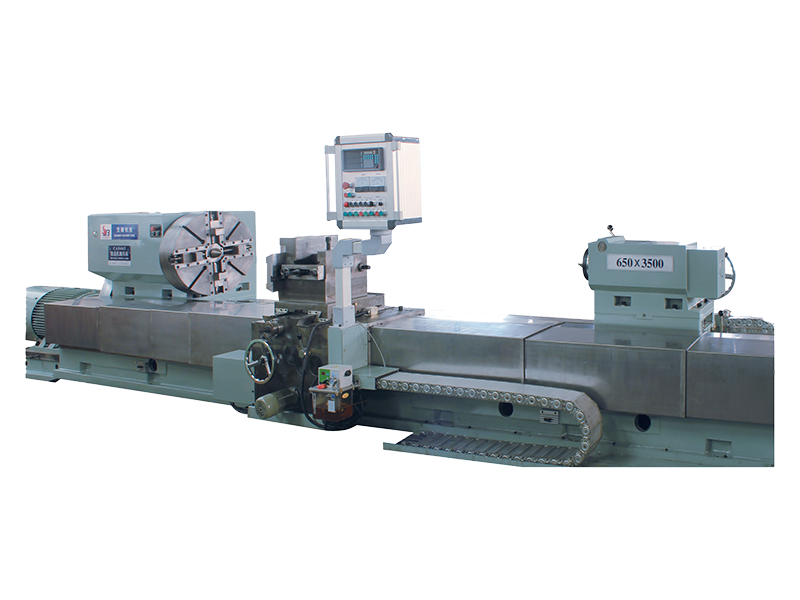
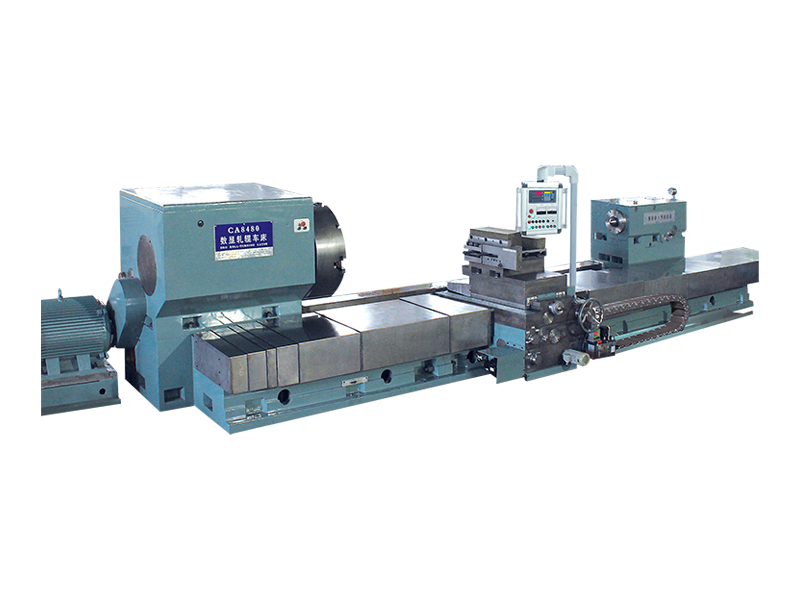
A CNC Roller Lathe and CNC Roller Ring Lathe are specialized machine tools designed for the high-precision turning of rollers, rings, and cylindrical components used in heavy industry. These machines enable stable machining of large diameters and heavy workpieces while maintaining strict dimensional accuracy. In modern manufacturing environments such as steel mills, mining equipment production, and cement plants, these CNC systems significantly improve machining efficiency and consistency compared with conventional manual lathes.
The use of CNC control allows automated tool paths, repeatable operations, and reduced human error. As a result, manufacturers can achieve higher surface precision, better concentricity, and shorter machining cycles, especially when processing roller rings, support rollers, and large cylindrical parts.
CNC roller lathes are engineered to process heavy cylindrical components. The machine structure is designed for rigidity, vibration resistance, and precise tool control. These characteristics allow stable cutting even when machining large rollers weighing several tons.
In many industrial applications, these machines process rollers with diameters exceeding 500 mm to 2000 mm, where structural rigidity and CNC control become essential for stable cutting performance.
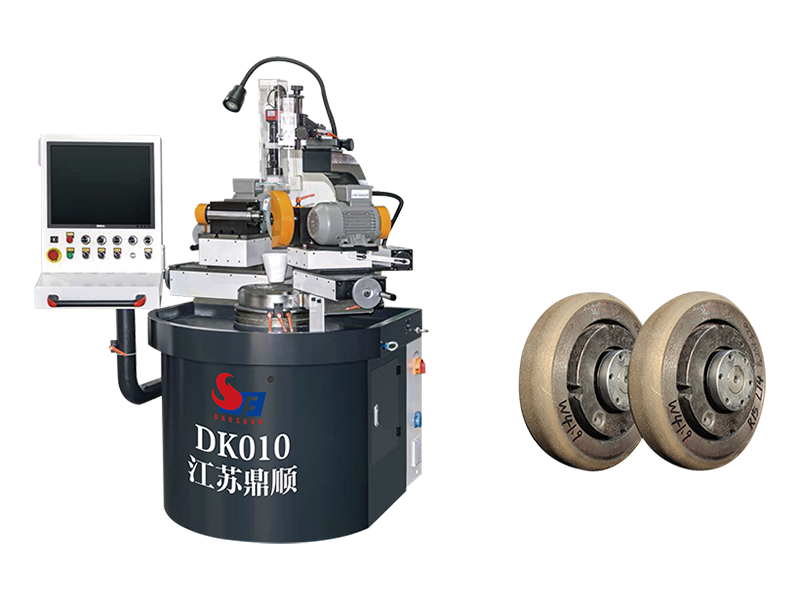
Although both machines belong to specialized CNC turning equipment, they serve different machining purposes. CNC roller lathes focus on long cylindrical rollers, while CNC roller ring lathes are designed for ring-shaped components with large diameters and relatively smaller thickness.
| Machine Type | Typical Workpiece | Machining Focus | Industries |
|---|---|---|---|
| CNC Roller Lathe | Long rollers | Outer diameter turning, shaft machining | Steel mills, cement plants |
| CNC Roller Ring Lathe | Large rings | Inner and outer ring turning | Bearing manufacturing, heavy machinery |
This distinction allows manufacturers to select equipment based on workpiece geometry and machining requirements, improving production efficiency.
CNC roller and roller ring lathes are widely used in industries where large rotating components are essential. These components often operate under heavy loads and require precise machining to ensure reliable performance.
For example, cement kilns often use support rollers with diameters exceeding 1000 mm, which must maintain strict roundness tolerance to prevent uneven load distribution during rotation.
The integration of CNC systems brings several operational advantages that improve machining efficiency and product quality.
Manufacturing studies show that CNC turning can improve machining efficiency by 20–40 percent when compared with traditional manual lathe operations, especially in repetitive production tasks.
Selecting the correct machine configuration is critical for achieving optimal machining results. Several technical factors should be evaluated when purchasing or configuring CNC roller turning equipment.
Evaluating these factors helps ensure the machine can handle current production demands while remaining adaptable for future projects.
Industrial machining is gradually moving toward intelligent manufacturing systems. CNC roller lathes and roller ring lathes are increasingly equipped with advanced monitoring and automation technologies.
As industries such as wind energy, heavy equipment manufacturing, and large-scale infrastructure continue to expand, the demand for high-precision CNC roller machining equipment is expected to grow steadily.

 Download Material

 E-mail: [email protected]
  Mob: +86-13806297906
  Tel: +86-513-85562198
  Add:No. 99 Tiantong Road, Nantong City, Jiangsu Province.
Factory scene



Copyright@ Jiangsu Dingshun Heavy duty Machine Tool Co., Ltd. All Rights Reserved.




 English
  русский
  Español
  عربى
عربى