Content
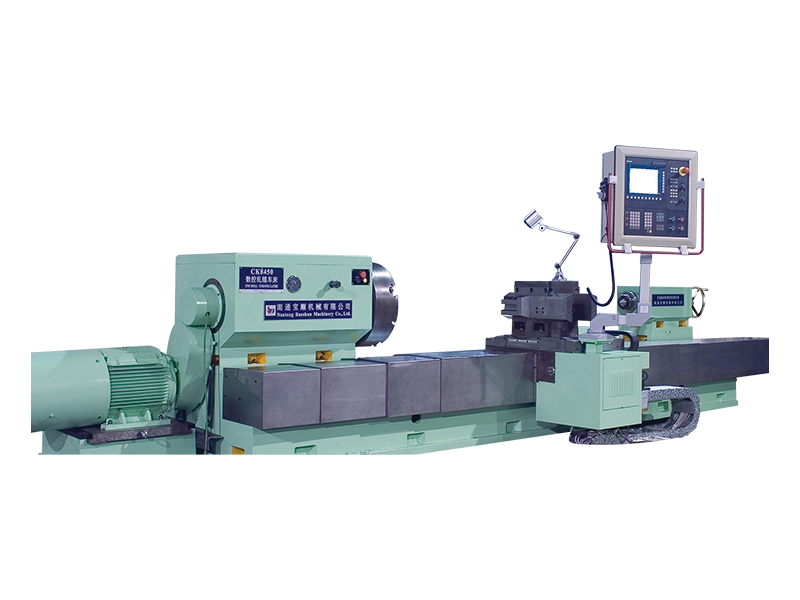
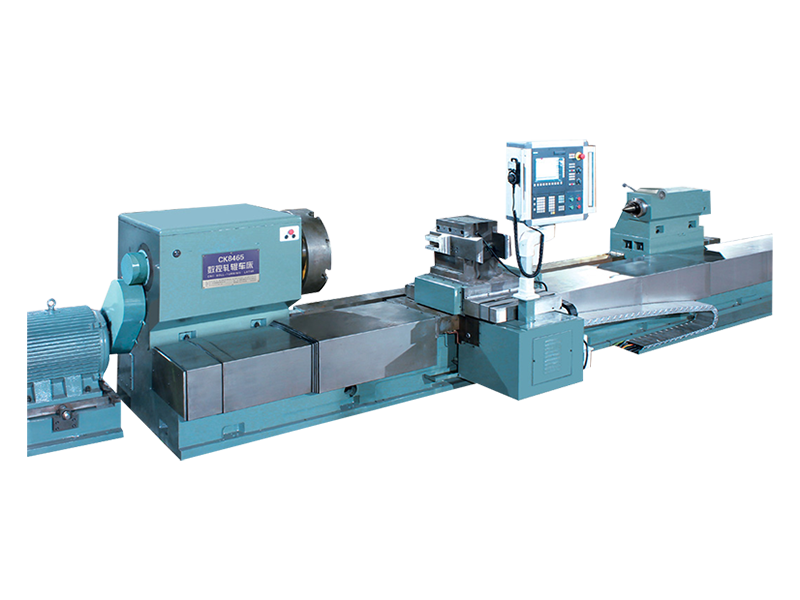
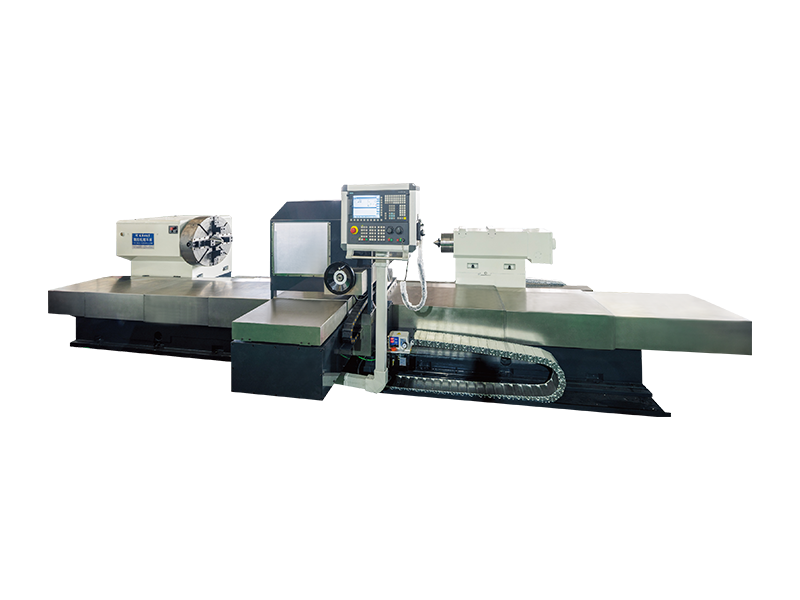
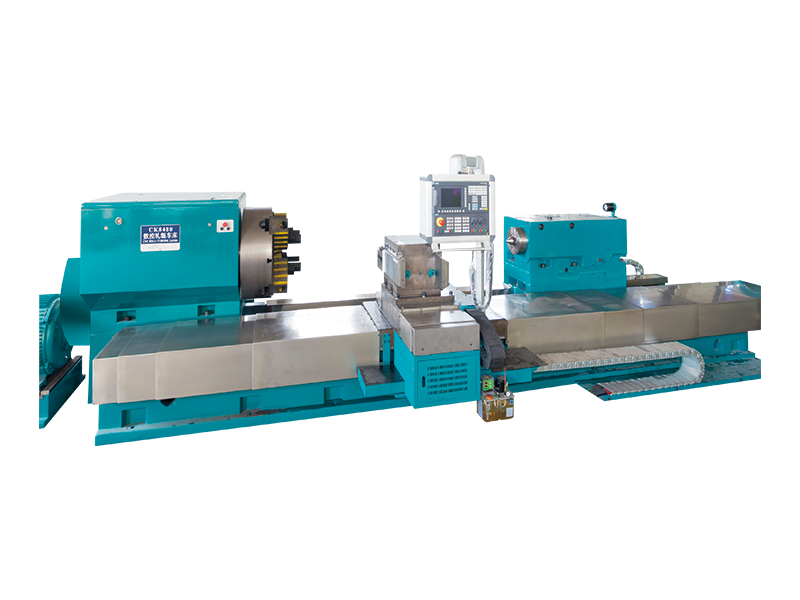
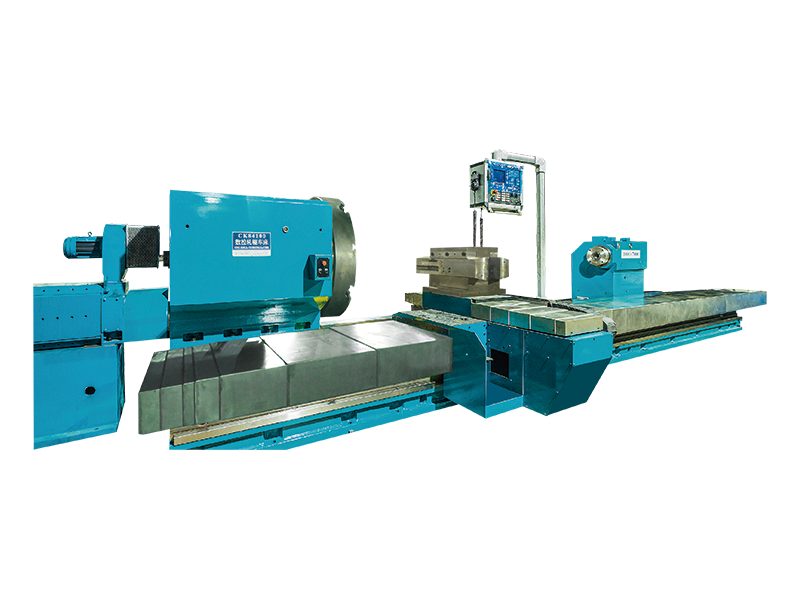
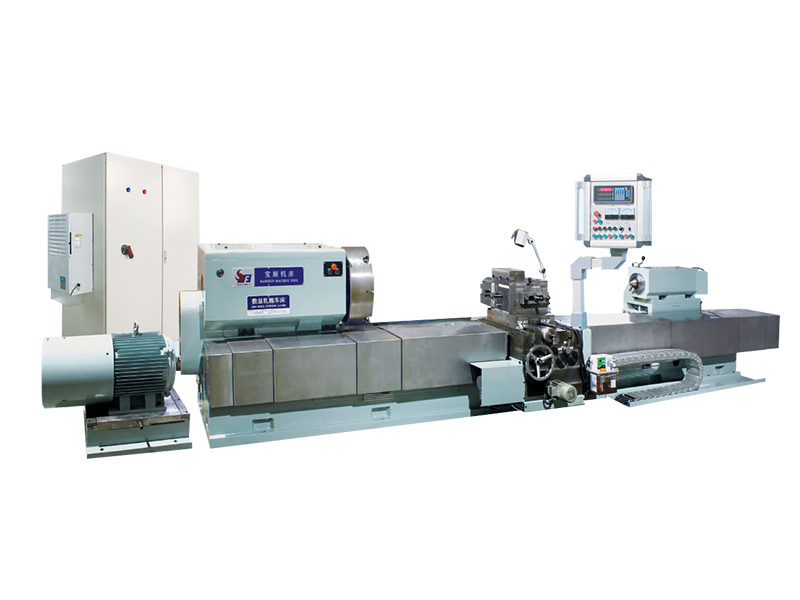
CNC roll notching machines are purpose-built tools designed to cut precise notches into the ends of round tubes, square tubes, and pipes so they fit snugly against one another during welding or assembly. Unlike manual notchers that rely on operator skill, CNC-controlled systems automate the angle calculation, feed rate, and cutting depth, producing clean, consistent notches at virtually any compound angle. This precision is critical in industries such as roll cage fabrication, structural steel construction, automotive chassis building, and furniture manufacturing, where tight joint fit-up directly affects weld quality and structural integrity.
Modern CNC roll notching machines use a rotating hole saw or end mill driven by a servo or stepper motor system, combined with a programmable control interface. The operator inputs the tube diameter, wall thickness, and desired intersection angle, and the machine automatically positions the workpiece and executes the cut. High-end models support compound angles—simultaneously cutting a lateral and rotational offset—which would be nearly impossible to achieve repeatably by hand. Some machines also integrate automatic tube clamping, coolant delivery, and sensor-based tool wear detection to further reduce cycle time and scrap rates.
When selecting a CNC roll notching machine, several specifications determine whether the equipment matches your production requirements:
Wall thickness handling is particularly important: a machine rated for thin-wall tubing (1–2 mm) will struggle or fail on thick-wall structural pipe (6–10 mm), so always verify the full range before purchase.
A pattern plate milling machine—sometimes called a template milling machine or copy milling machine—reproduces a master template's shape onto a workpiece with high dimensional accuracy. The machine uses a tracer or stylus that follows the contour of the pattern plate while the cutting spindle simultaneously replicates that path on the raw material. This method is especially valuable in die making, mold manufacturing, and aerospace component production, where complex curved profiles must be replicated across multiple parts without programming each individual feature into a CNC system from scratch.
Traditional pattern plate milling machines are mechanical or hydraulic, using a pantograph-style linkage between the stylus and the cutter. CNC-enhanced variants digitize the template first using a probing cycle, then execute the milling pass under full servo control—combining the ease of physical template creation with the repeatability of digital machining. This hybrid approach is particularly popular in small job shops that need to run one-off or short-run jobs without spending hours on CAD/CAM programming.
Pattern plate milling is used across a surprisingly wide range of industries. The table below summarizes typical applications and the materials commonly processed:
| Industry | Application | Typical Material |
| Tooling & Die Making | Cavity and core replication | P20 steel, H13 steel |
| Aerospace | Structural rib and bracket profiling | Aluminum 7075, titanium |
| Furniture & Woodworking | Curved leg and decorative panel routing | Hardwood, MDF, plastics |
| Automotive | Prototype body panel and fixture plates | Mild steel, aluminum |
The pattern plate itself must be harder and more dimensionally stable than the workpiece material to survive repeated tracing cycles without wear distorting the profile. For short runs or soft workpieces, a hardened aluminum or phenolic resin template is sufficient. For high-volume production or hard-metal milling, the pattern plate should be made from ground tool steel with a hardness of at least 58 HRC. Surface finish on the template directly transfers to the finished part, so any burr, nick, or dimensional deviation in the pattern will be faithfully reproduced on every workpiece.
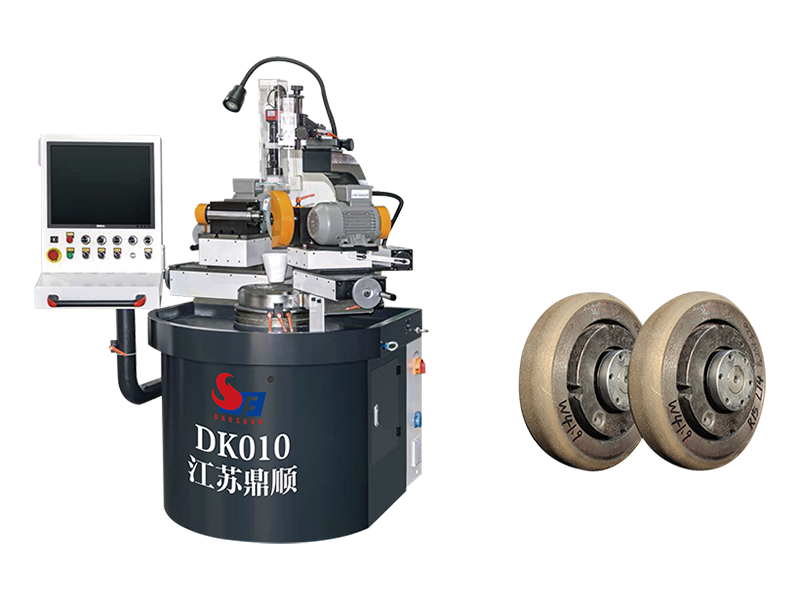
A CNC tool grinder is a multi-axis grinding machine specifically engineered to manufacture and re-sharpen cutting tools such as end mills, drills, reamers, taps, and form tools. Unlike conventional surface or cylindrical grinders, CNC tool grinders use 5-axis or 6-axis simultaneous interpolation to follow the complex helical flute geometry of rotary cutting tools. The grinding wheel—typically a CBN (cubic boron nitride) or diamond superabrasive wheel—removes material with extreme precision, leaving a sharp, accurate cutting edge that meets or exceeds the original tool specification.
In a manufacturing environment, CNC tool grinders serve two distinct roles. First, they produce custom tools from raw carbide or high-speed steel blanks, enabling shops to create proprietary geometries not available from standard tooling catalogs. Second, they regrind worn tools back to specification, significantly reducing tooling costs—a worn carbide end mill that costs $80–$200 new can typically be reground four to six times for a fraction of the original price, provided the core diameter remains within tolerance.
The number of controlled axes determines which tool geometries a grinder can produce. A 5-axis machine can handle the vast majority of common tools including drills, end mills, and step tools. A 6-axis machine adds an additional rotary axis that allows simultaneous contouring of the wheel and tool, enabling production of more complex profiles such as form relieved tools, gear cutters, and thread mills with non-standard lead angles. The additional axis also reduces the number of setups required for complex geometries, cutting cycle time and improving accuracy by eliminating the stack-up error introduced by re-clamping.
Achieving repeatable results on a CNC tool grinder depends on correctly configuring several interdependent parameters:
While each machine operates independently, CNC roll notching machines, pattern plate milling machines, and CNC tool grinders are naturally complementary in a well-equipped fabrication or tooling facility. The roll notcher depends on sharp, correctly geometried hole saws and end mills to produce clean notches without burring or tearing the tube wall—which is precisely what the CNC tool grinder maintains. The pattern plate milling machine, in turn, requires accurately ground profile cutters and form mills to produce faithful template reproductions; a poorly ground cutter introduces profile errors that propagate to every part the template is used to make.
From a process planning perspective, establishing an in-house CNC tool grinding capability eliminates the lead time and cost of sending tools to an outside regrind service. Shops that run all three machines can close a lean manufacturing loop: the tool grinder keeps cutting tools sharp, the pattern plate miller produces the fixtures and templates needed for consistent part setup, and the roll notcher fabricates structural components that are ready to weld with minimal fitting or grinding. This integration reduces both per-part cost and overall cycle time, making it particularly valuable in contract manufacturing environments where margins are tight and delivery schedules are demanding.
Preventive maintenance schedules are often shared across these machine categories because they face similar operational stresses—high spindle speeds, abrasive chips, and coolant exposure. Key maintenance tasks that apply broadly include:
Documenting maintenance records per machine—not just per machine type—allows maintenance teams to identify patterns such as a specific spindle failing prematurely due to operator-caused overloads, or a coolant pump wearing out faster than expected due to undersized lines. This data-driven approach to machine care extends service life and reduces unexpected downtime, which is the single largest hidden cost in precision machining operations.

 Download Material

 E-mail: [email protected]
  Mob: +86-13806297906
  Tel: +86-513-85562198
  Add:No. 99 Tiantong Road, Nantong City, Jiangsu Province.
Factory scene
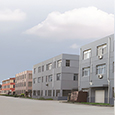
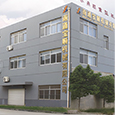
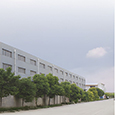
Copyright@ Jiangsu Dingshun Heavy duty Machine Tool Co., Ltd. All Rights Reserved.




 English
  русский
  Español
  عربى
عربى