Content
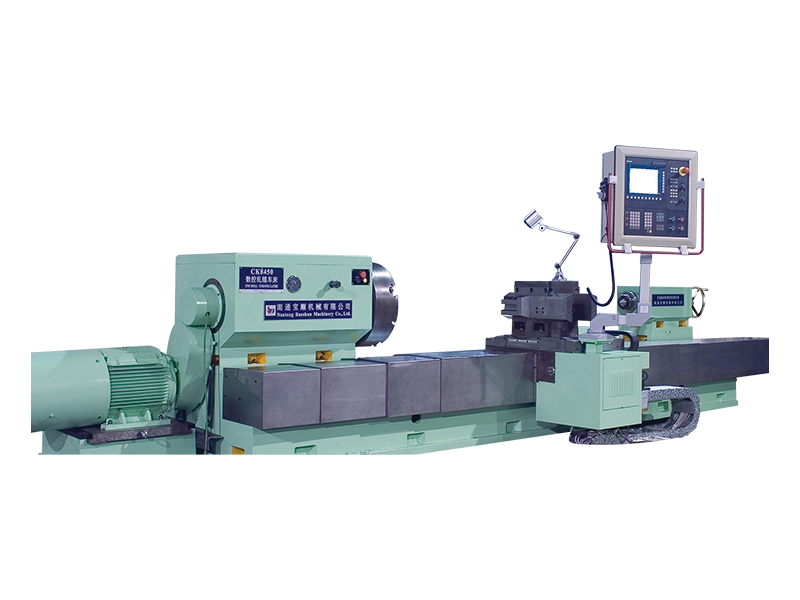
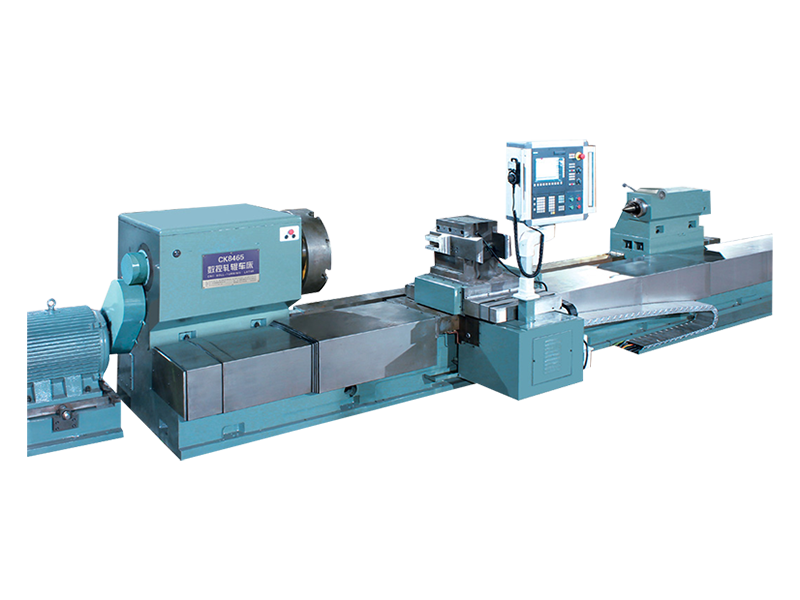
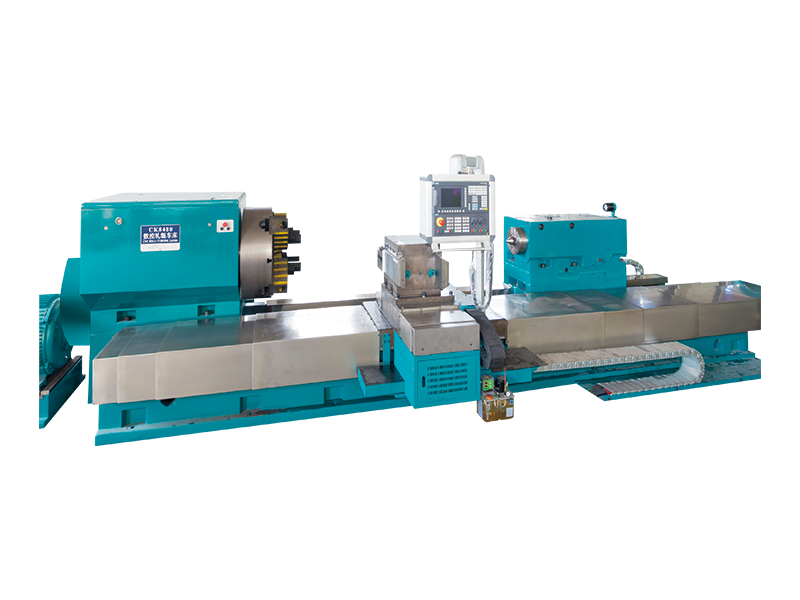
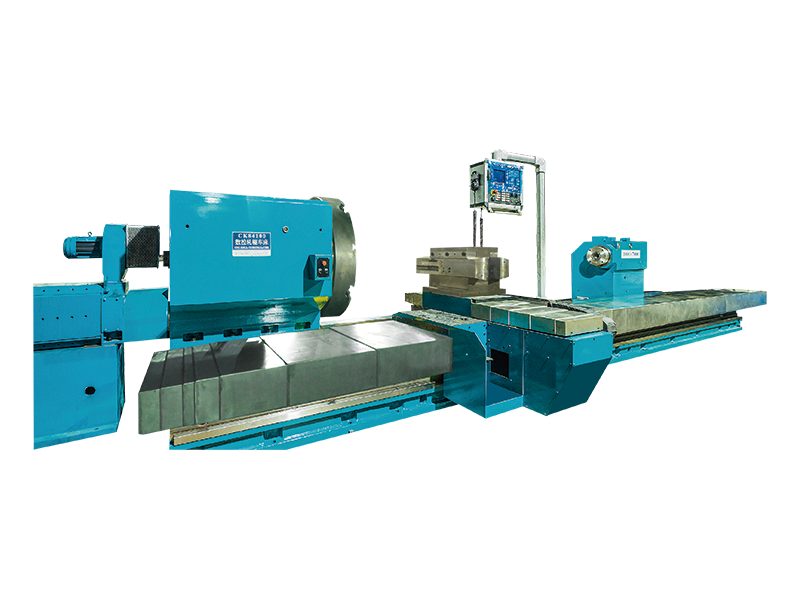
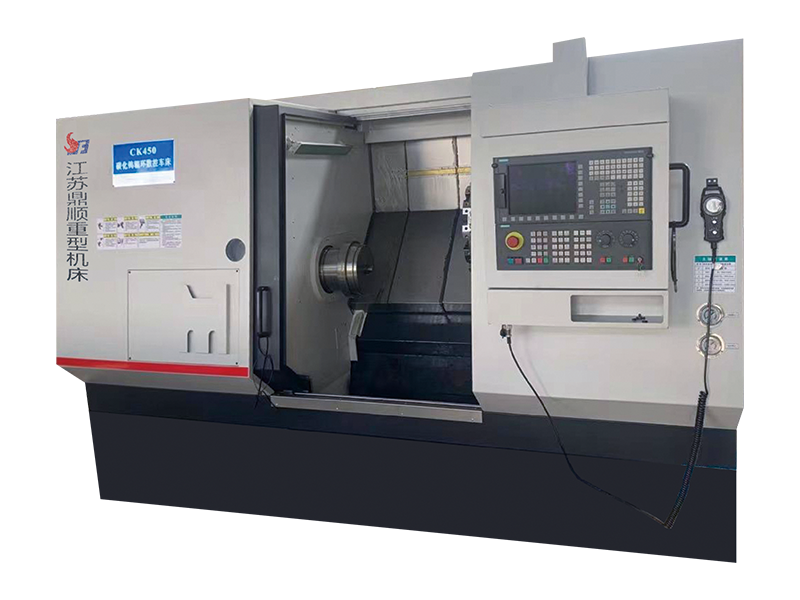
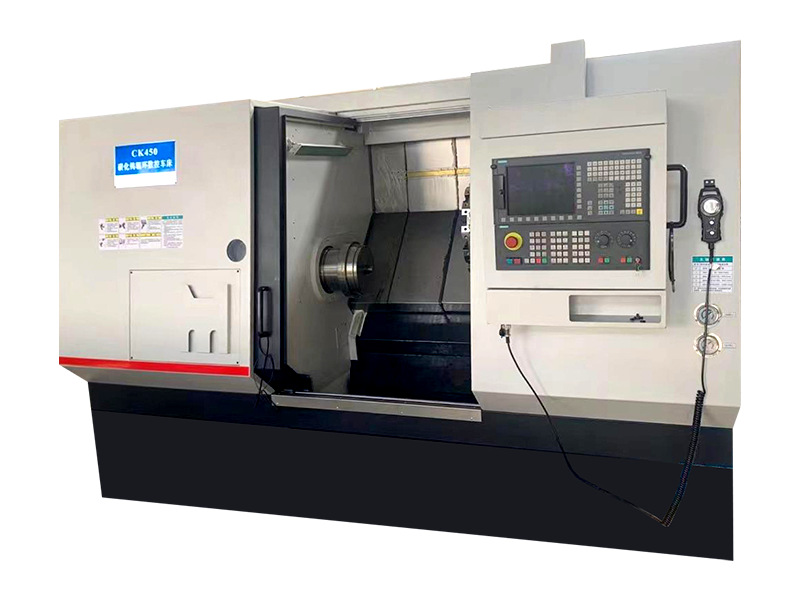
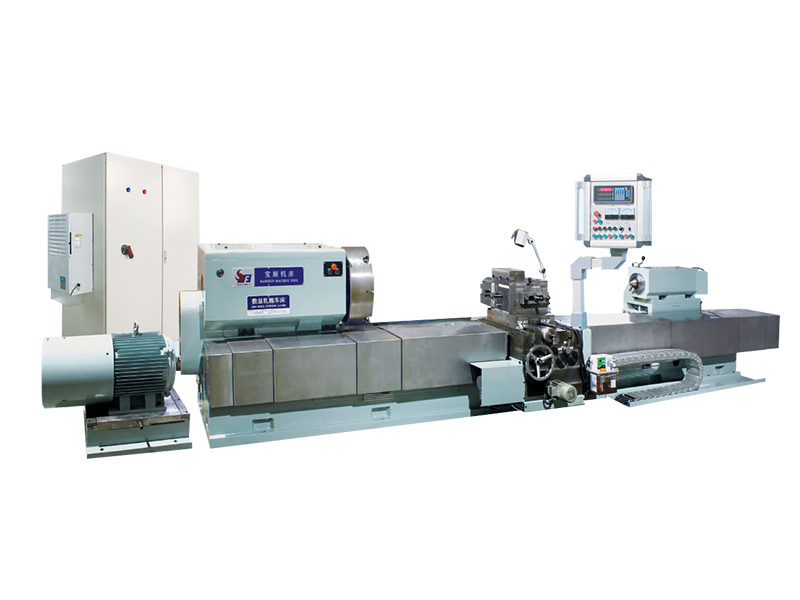
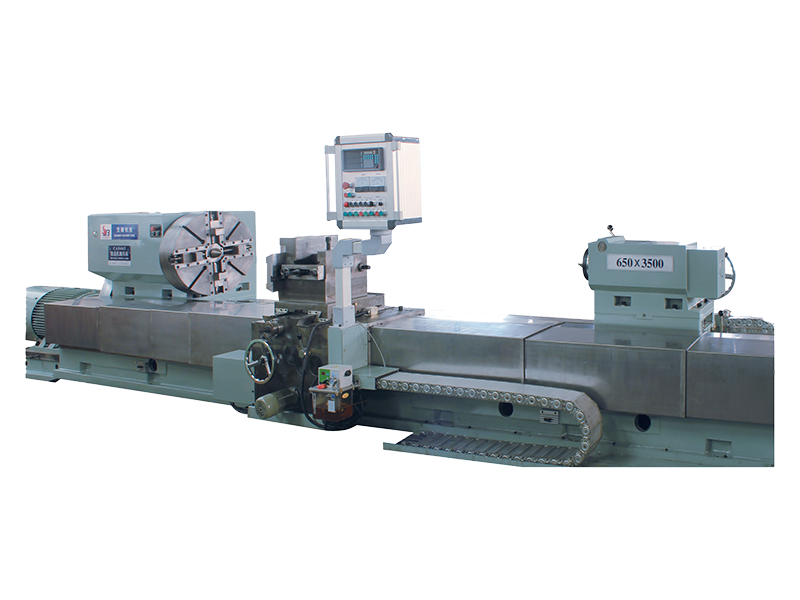
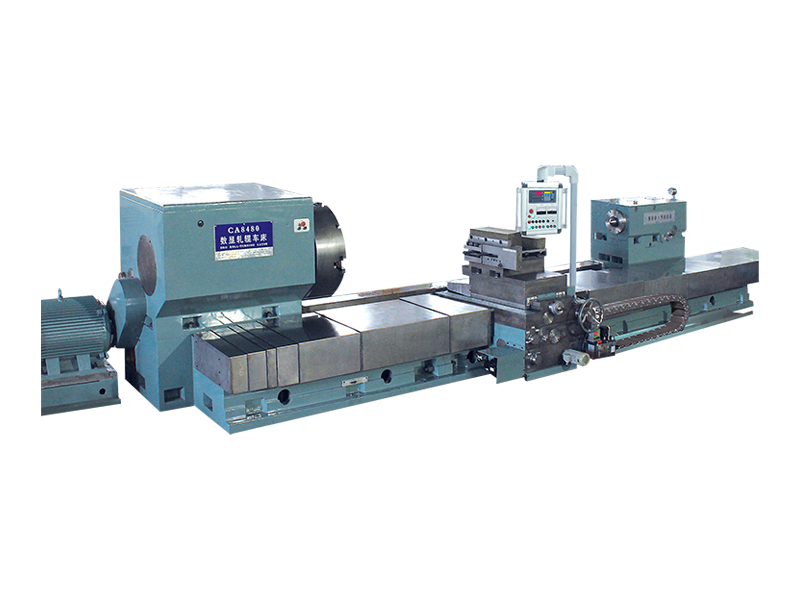
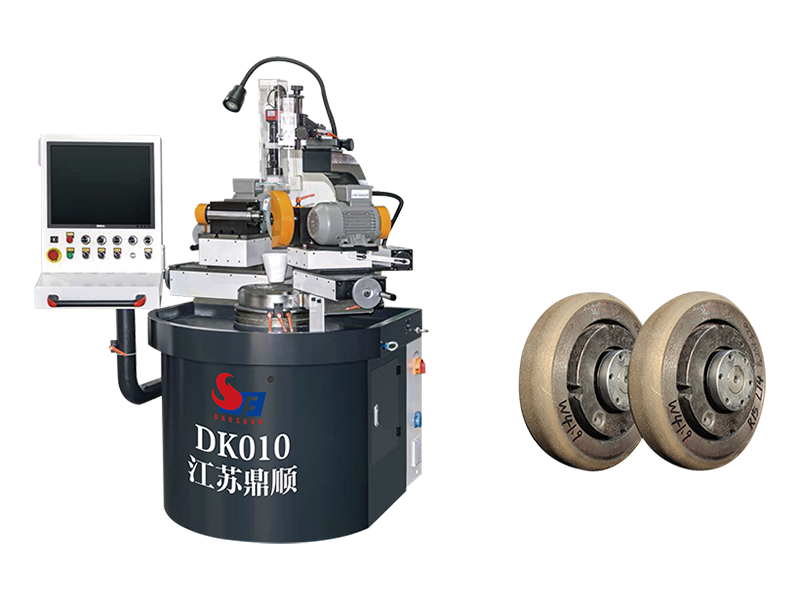
A CNC Roll Notching Machine for Rolling Mills is designed to machine precise grooves and notches on work rolls and backup rolls used in bar, wire rod, and section rolling lines. Groove accuracy directly influences product dimensional tolerance, surface quality, and pass design consistency. By integrating numerical control technology with heavy-duty machining structure, the equipment enables repeatable and programmable roll processing suitable for high-volume steel production environments.
Traditional manual or semi-automatic notching methods often result in inconsistent groove geometry and extended downtime. CNC-controlled systems reduce human intervention, maintain machining symmetry, and support complex pass design requirements required by modern rolling mills.
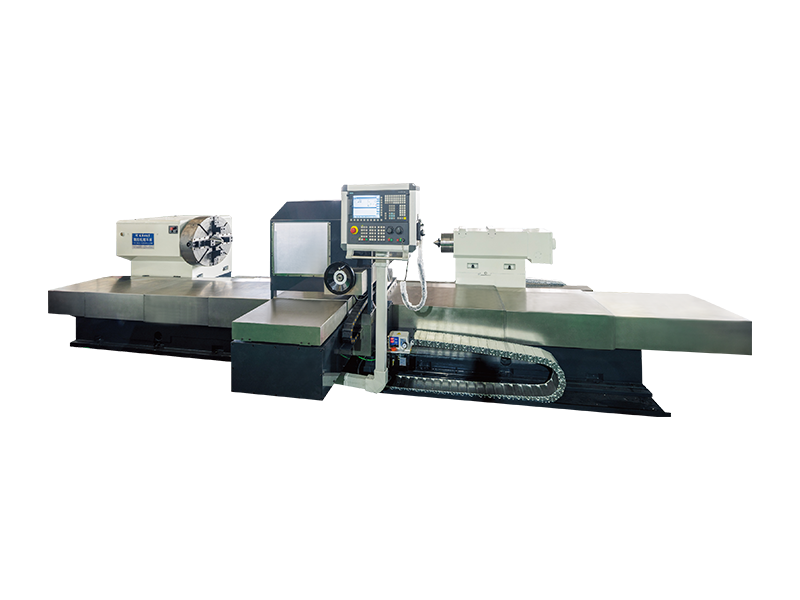
The machine bed is manufactured from high-rigidity cast or welded steel structures to absorb vibration during deep cutting operations. Precision spindle systems ensure concentric rotation of large-diameter rolls. Stable spindle bearings and reinforced support systems allow consistent machining of hardened roll materials.
Servo-driven tool slides provide controlled axial and radial movement. The feed mechanism operates under CNC command to achieve defined notch depth, width, and angle. Linear guideways and ball screw assemblies contribute to positioning accuracy and smooth motion during multi-pass machining cycles.
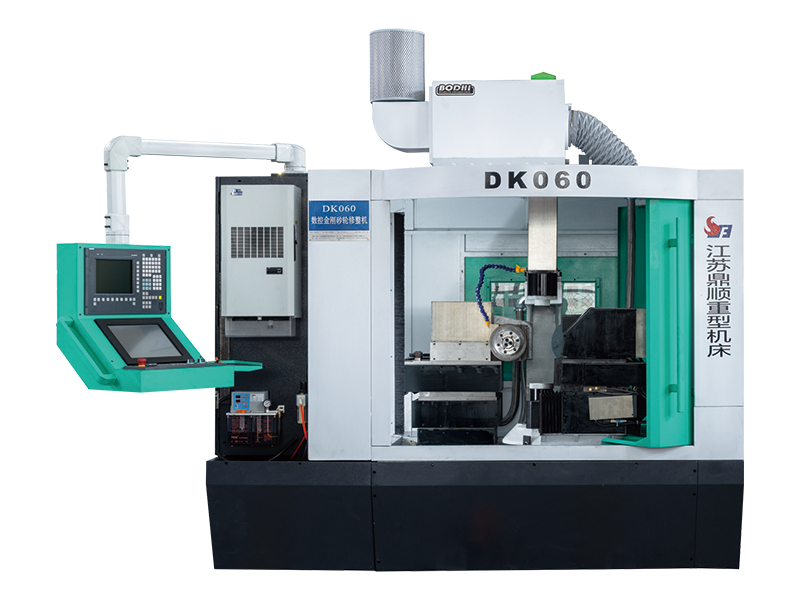
The integrated CNC system stores roll pass designs and automatically calculates tool paths according to programmed parameters. Operators can input groove profiles, pitch distance, and compensation values to achieve uniform machining results across multiple rolls. Real-time monitoring ensures dimensional precision and reduces setup time when switching between roll types.
Advanced models support network connectivity for data transfer between design departments and shop-floor equipment. This digital workflow enhances traceability and production planning within rolling mill maintenance operations.
Groove tolerance directly affects rolled product shape and uniformity. CNC Roll Notching Machines maintain consistent depth and alignment through automated calibration systems. Measurement probes can verify roll diameter and adjust machining offsets to maintain profile integrity.
| Performance Aspect | Technical Contribution |
| Positioning Accuracy | Servo-controlled movement ensures repeatable groove spacing |
| Surface Finish | Stable cutting parameters reduce chatter and tool marks |
| Dimensional Stability | Automatic compensation for roll wear and diameter variation |
| Operational Efficiency | Reduced manual setup and faster groove changeover |
CNC Roll Notching Machines are compatible with carbide or high-speed steel cutting tools selected according to roll hardness. Adjustable tool holders allow precise angle positioning for V-shaped, oval, round, or custom-designed grooves. Cooling systems support temperature control during heavy cutting, preventing thermal distortion of both tool and roll surface.
Automation reduces dependency on manual skill and increases production consistency. The CNC Roll Notching Machine shortens roll preparation cycles and supports predictive maintenance through digital monitoring. Lubrication systems and protective enclosures safeguard moving components, contributing to longer service life and reduced mechanical wear.
By improving groove precision and minimizing rework, the machine enhances rolling mill productivity and ensures stable pass performance during steel forming operations. Its integration into modern mill workshops reflects the transition toward automated roll maintenance and data-driven production management.

 Download Material

 E-mail: [email protected]
  Mob: +86-13806297906
  Tel: +86-513-85562198
  Add:No. 99 Tiantong Road, Nantong City, Jiangsu Province.
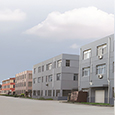
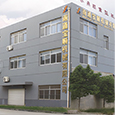
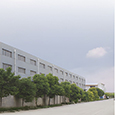
Factory scene
Copyright@ Jiangsu Dingshun Heavy duty Machine Tool Co., Ltd. All Rights Reserved.




 English
  русский
  Español
  عربى
عربى