Content
Computer Numerical Control (CNC) machines have revolutionized metal processing by enabling precise, repeatable, and complex manufacturing operations that would be impossible or impractical with manual machining. These automated systems interpret digital design files and execute machining operations with accuracy measured in microns, transforming raw metal stock into finished components through controlled material removal. CNC technology eliminates much of the variability inherent in manual machining, where operator skill, fatigue, and human error can affect part quality and consistency. Modern CNC machines integrate sophisticated motion control systems, high-speed spindles, advanced tooling, and intelligent software to achieve production rates and precision levels that define contemporary metalworking capabilities.
The fundamental principle underlying CNC metal processing involves translating three-dimensional part geometry into machine instructions that control tool paths, cutting speeds, feed rates, and tool changes. CAD (Computer-Aided Design) software creates digital part models, while CAM (Computer-Aided Manufacturing) software generates the G-code programming that directs machine movements. This digital workflow enables rapid design iterations, simulation of machining operations before cutting actual parts, and seamless transition from prototype to production. CNC machines for metal processing span a wide range of configurations including mills, lathes, routers, plasma cutters, laser cutters, waterjet systems, and electrical discharge machines, each optimized for specific materials, geometries, and production requirements. Selecting appropriate CNC technology requires understanding the capabilities, limitations, and economic considerations of different machine types relative to specific manufacturing objectives.
CNC milling machines represent the most versatile category of metal processing equipment, capable of producing complex three-dimensional geometries through rotary cutting tools that remove material from stationary workpieces. These machines range from compact 3-axis desktop mills suitable for small parts and prototyping to massive 5-axis machining centers that process aerospace components weighing thousands of pounds. The fundamental milling operation involves a rotating cutting tool traversing across the workpiece in controlled patterns, with material removal occurring where the cutting edges engage the metal surface. Milling machines excel at creating features including flat surfaces, pockets, slots, contours, and complex sculptured shapes that would be difficult or impossible to produce on lathes or other machine types.
Three-axis vertical machining centers represent the workhorse configuration for general metal processing, featuring a vertically-oriented spindle that moves in X, Y, and Z axes while the workpiece remains fixed to the table. This arrangement provides excellent chip evacuation as gravity assists in clearing metal chips away from the cutting zone, reducing the risk of chip rewelding or surface damage. Typical work envelopes range from 16x12x16 inches for small machines to 40x20x25 inches or larger for industrial models, with spindle speeds from 8,000 to 15,000 RPM for standard machining and up to 30,000 RPM for high-speed applications. Tool changers holding 16 to 40 tools enable automatic tool switching during operations, allowing complete part processing in a single setup. Three-axis mills handle the majority of metal processing applications including mold making, fixture fabrication, mechanical components, and general machining work. Limitations include inability to machine complex undercuts or multiple part faces without manual repositioning, and restricted access to certain geometric features that require tool approach from multiple angles.
Five-axis CNC mills add two rotational axes to the standard three linear axes, enabling the cutting tool to approach the workpiece from virtually any angle without manual repositioning. This capability dramatically reduces setup time, improves accuracy by eliminating cumulative positioning errors from multiple setups, and enables machining of complex geometries including turbine blades, impellers, medical implants, and aerospace components. The two additional axes typically consist of a tilting spindle head (A and B axes) or a rotating/tilting table (B and C axes), with various kinematic configurations offering different advantages. Continuous 5-axis machining maintains optimal tool orientation throughout complex toolpaths, maximizing material removal rates and surface finish quality while minimizing tool wear. Simultaneous 5-axis capability allows all five axes to move concurrently, essential for sculptured surfaces and complex contours. Positional 5-axis machines reposition the workpiece or tool between 3-axis cutting operations, offering some benefits of full 5-axis capability at lower cost. Investment in 5-axis technology requires justification through part complexity, production volume, or competitive advantages that offset the substantially higher machine cost of $250,000 to over $1,000,000 compared to $50,000-$150,000 for comparable 3-axis machines.
Horizontal machining centers orient the spindle parallel to the floor, positioning the workpiece on a vertical table that typically includes a rotary axis for automatic indexing to multiple part faces. This configuration excels at high-volume production of prismatic parts requiring machining on multiple sides, with the rotary table enabling four-sided machining in a single setup. Chip evacuation benefits from gravity pulling chips away from the work zone and out of the machine enclosure, critical for heavy roughing operations in materials like cast iron or steel that generate large chip volumes. Pallet changers on production horizontal mills allow loading the next workpiece while the machine processes the current part, maximizing spindle utilization and productivity. Tool magazines on horizontal machining centers frequently hold 60 to 120 tools or more, supporting complex operations and extended unmanned production runs. Applications particularly suited to horizontal machining include engine blocks, transmission housings, hydraulic manifolds, and other components requiring extensive machining on multiple faces. The higher cost and larger floor space requirements of horizontal mills limit their use primarily to production environments where the productivity advantages justify the investment.
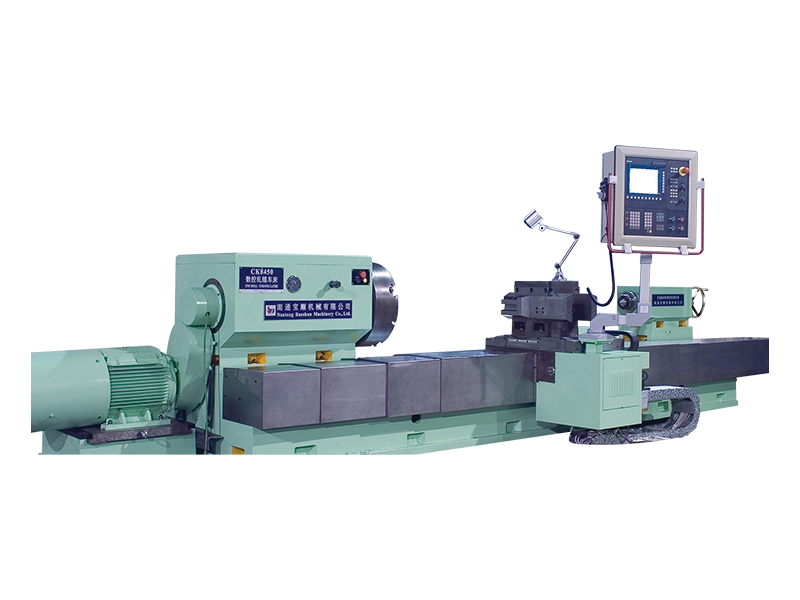
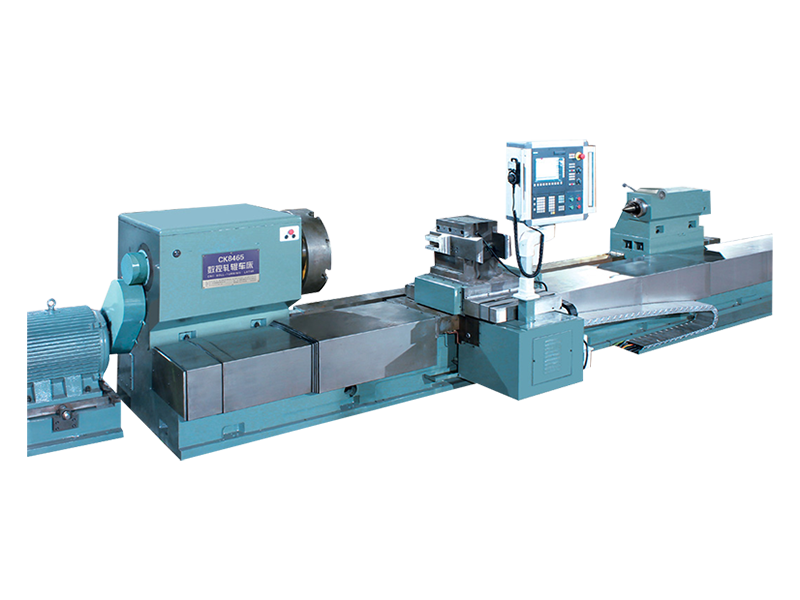
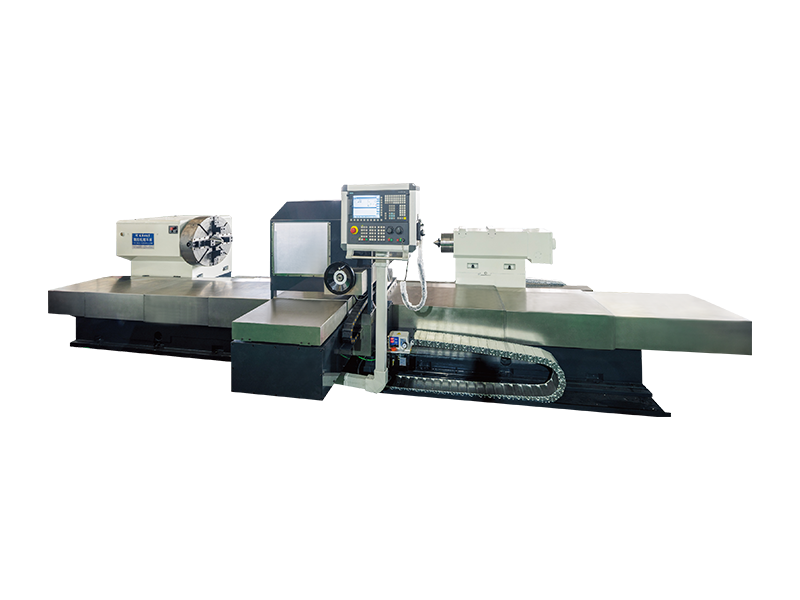
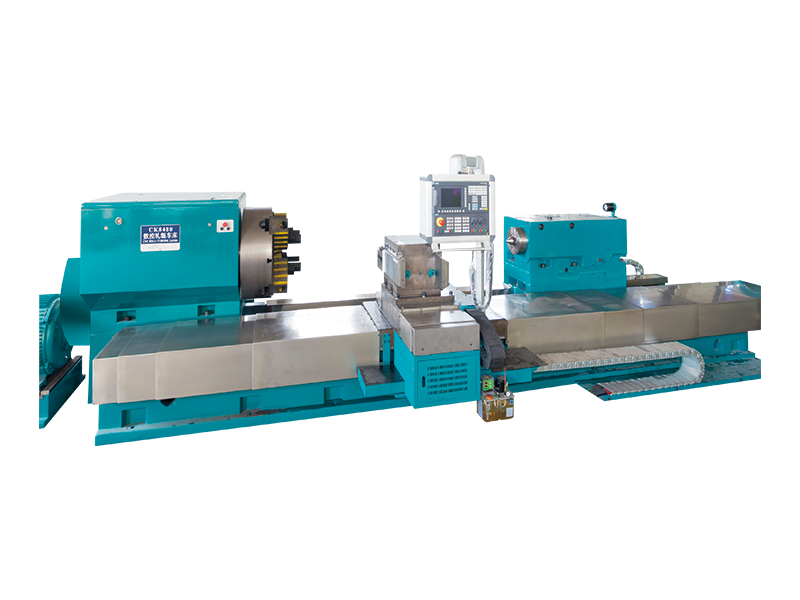
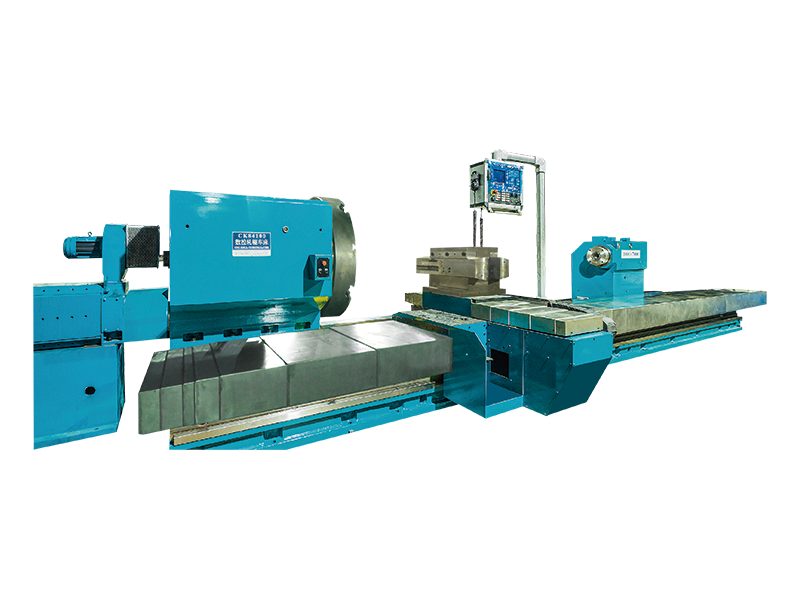
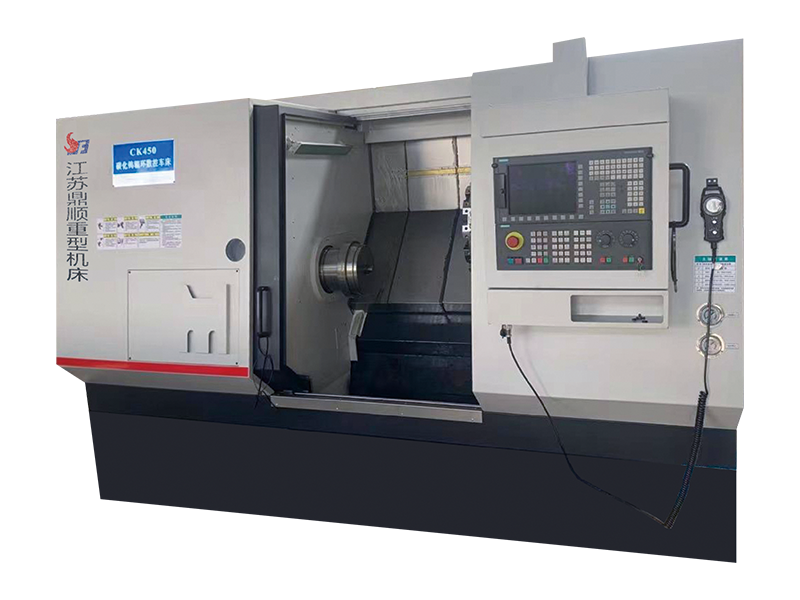
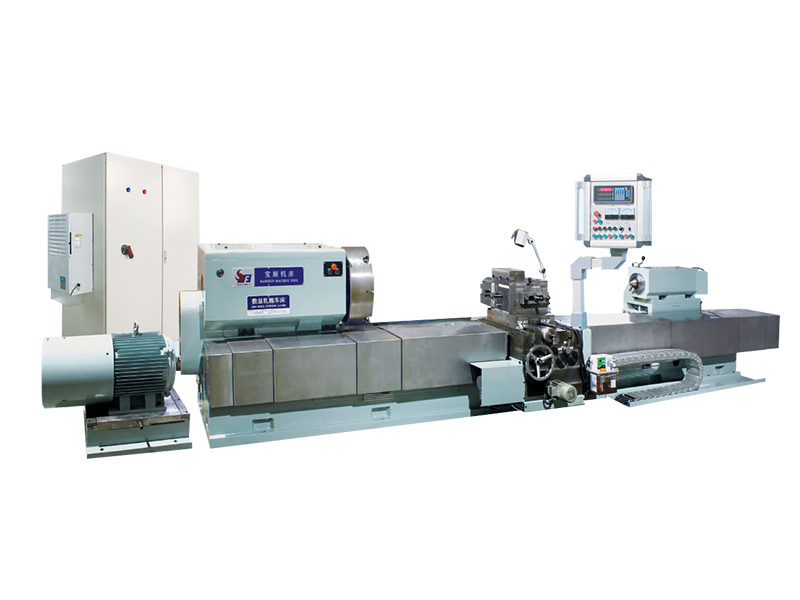
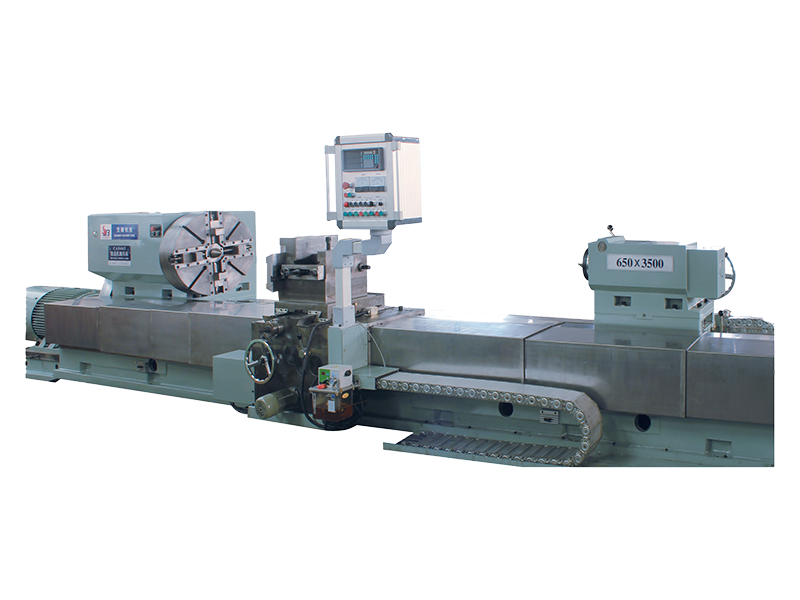
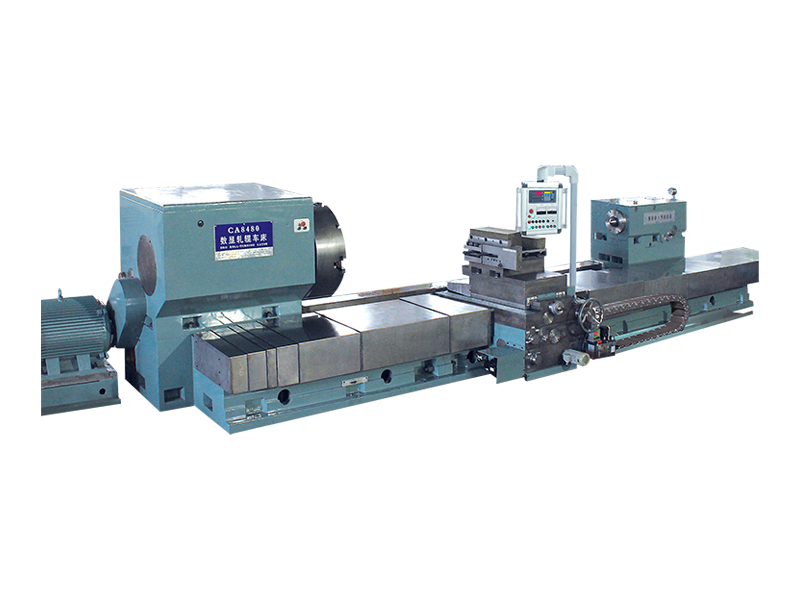
CNC lathes and turning centers produce cylindrical parts by rotating the workpiece against stationary cutting tools, the inverse of milling operations where the tool rotates. This machine category excels at producing shafts, bushings, fasteners, and any components with primarily cylindrical or conical geometries. CNC turning offers exceptional productivity for these part types, with material removal rates often exceeding milling operations due to continuous cutting engagement and the ability to take heavy cuts in favorable geometries. Modern CNC lathes integrate live tooling capabilities that enable milling, drilling, and tapping operations without transferring parts to separate machines, transforming simple lathes into complete turning centers capable of producing complex parts with both turned and milled features.
Basic two-axis CNC lathes control tool movement in the X-axis (perpendicular to the spindle centerline) and Z-axis (parallel to the spindle), enabling turning, facing, boring, threading, and grooving operations on cylindrical workpieces. These machines range from compact benchtop models with 6-inch swing capacity suitable for small precision parts to large industrial lathes handling workpieces over 30 inches in diameter and several feet long. Spindle speeds vary from 50 RPM for large-diameter heavy parts to 5,000 RPM or higher for small-diameter precision work, with some specialized high-speed lathes reaching 10,000 RPM for micro-machining applications. Turret-style tool holders accommodate 8 to 12 cutting tools for automatic tool changes, while gang-style tool posts on smaller machines position multiple tools for rapid indexing. Two-axis lathes provide cost-effective solutions for high-volume production of simple cylindrical parts including fasteners, pins, bushings, and basic shafts. The limitation to turning operations restricts these machines to rotationally symmetric geometries, requiring secondary operations on mills or machining centers for any non-circular features like keyways, flats, or cross-holes.
Advanced turning centers incorporate powered tool stations that rotate milling cutters, drills, and taps while the main spindle holds and positions the workpiece, enabling complete part processing including off-axis holes, flats, slots, and complex milled features. This capability eliminates transfers to secondary machines, reducing handling time, setup errors, and work-in-process inventory. Y-axis capability, adding a third linear axis perpendicular to the traditional X-Z plane, enables off-centerline machining of holes and features that would otherwise require special fixtures or manual operations. Dual-spindle configurations with main and sub-spindles enable complete machining of both ends of a part in one cycle, with the sub-spindle catching the part as it's cut off from bar stock, flipping it, and presenting the second end for machining. Some highly automated turning centers combine dual spindles, Y-axis capability, upper and lower turrets, and multiple live tool stations to completely machine complex parts from bar stock in a single automated cycle. The investment in multi-axis turning centers, ranging from $150,000 to over $500,000, requires justification through reduced cycle times, eliminated secondary operations, or part complexity that demands the integrated capabilities.
Swiss-type lathes, also called sliding-headstock or Swiss screw machines, specialize in high-precision small-diameter parts machined from bar stock. The distinguishing feature involves supporting the workpiece extremely close to the cutting zone through a guide bushing, with the headstock sliding along the Z-axis to feed material through the fixed bushing. This arrangement minimizes workpiece deflection during cutting, enabling tight tolerances and excellent surface finishes on small-diameter parts that would deflect unacceptably on conventional lathes. Swiss machines excel at producing medical components, watch parts, aerospace fasteners, and electronic connectors requiring diameters from 0.125 to 1.25 inches with tolerances of ±0.0002 inches or tighter. Multiple tool positions arranged radially around the guide bushing enable simultaneous machining operations, dramatically reducing cycle times compared to sequential operations. Modern CNC Swiss lathes integrate live tooling, sub-spindles, and Y-axis capability to produce extraordinarily complex small parts completely automatically from bar stock, with some machines incorporating automatic bar feeders for true lights-out manufacturing. The specialized nature and premium pricing of Swiss machines, typically $200,000 to $600,000, focus their use on high-volume production of small precision components where their unique capabilities provide clear advantages.
Different metals present vastly different machining characteristics that profoundly affect CNC processing parameters, tooling requirements, machine capabilities, and achievable production rates. Understanding material properties and their implications for CNC machining enables appropriate machine selection, realistic production planning, and optimization of cutting parameters for efficiency and quality.
| Material Category | Machinability Rating | Tool Wear Characteristics | Recommended Tooling | Special Considerations |
| Aluminum Alloys | Excellent (300-400%) | Low wear, chip buildup | Carbide, high helix angle | High speeds, chip evacuation critical |
| Mild Steel | Good (100%) | Moderate, consistent | Carbide or HSS | Versatile parameters, good chip control |
| Stainless Steel | Fair (40-60%) | Work hardening, heat generation | Carbide, chip breakers | Coolant essential, positive rake tools |
| Titanium Alloys | Poor (20-30%) | Extreme heat, chemical reaction | Carbide, specialized coatings | Low speeds, high coolant flow |
| Tool Steel (Hardened) | Very Poor (10-25%) | Rapid wear, abrasion | Ceramic, CBN inserts | Rigid setup, light cuts or hard milling |
| Inconel/Superalloys | Very Poor (10-20%) | Extreme, work hardening | Ceramic, advanced carbide grades | High-pressure coolant, constant engagement |
Cutting tool selection and tooling systems profoundly impact CNC machining productivity, part quality, and operational costs. Modern metalworking relies on sophisticated cutting tool technologies including advanced geometries, specialized coatings, and engineered substrates that enable aggressive cutting parameters and extended tool life. Understanding tooling options and their appropriate applications allows optimization of machining operations for specific materials and geometries.
Tool holder systems provide the critical interface between cutting tools and machine spindles, with several competing standards offering different advantages. CAT (Caterpillar) and BT (British Standard) tapers dominate North American and Asian markets respectively, using a 7:24 taper that self-centers in the spindle and relies on a retention knob pulled by a drawbar for clamping force. HSK (Hollow Shank Taper) systems, prevalent in European machines and increasingly adopted elsewhere, achieve superior rigidity and repeatability through simultaneous contact along both the taper and the tool holder flange face, making them preferred for high-speed machining above 15,000 RPM. Tool holder sizes correlate with spindle power and torque capacity, with CAT40/BT40 serving most general machining, CAT50/BT50 for heavy-duty operations, and CAT30/BT30 for smaller machines or high-speed applications. Collet chucks provide excellent concentricity for small-diameter end mills and drills, while shrink-fit holders offer the ultimate in rigidity and runout control for high-performance applications. Hydraulic tool holders balance excellent gripping force with ease of tool changes, ideal for production environments. Investing in quality tool holders with verified runout under 0.0002 inches prevents premature tool failure, poor surface finish, and dimensional inaccuracy regardless of cutting tool quality.
High-speed steel (HSS) tools remain relevant for applications requiring complex geometries, sharp cutting edges, or where the lower cost offsets reduced productivity compared to carbide. Solid carbide tools dominate modern CNC machining due to superior hardness, heat resistance, and ability to maintain sharp edges at cutting speeds 3-5 times higher than HSS. Carbide grades vary in cobalt binder content and grain size, with higher cobalt percentages increasing toughness for interrupted cuts and rough machining, while fine-grain carbides optimize wear resistance for finishing operations. Indexable carbide insert tools enable economical tooling for larger diameter milling cutters and turning operations, with worn inserts simply rotated or replaced rather than discarding entire tools. Ceramic cutting tools excel in high-speed machining of hardened steels and cast irons, achieving cutting speeds 5-10 times faster than carbide with excellent wear resistance, though brittleness limits applications to rigid setups and continuous cuts. Cubic boron nitride (CBN) inserts machine hardened tool steels above 45 HRC that would rapidly destroy carbide tools, enabling "hard milling" as an alternative to grinding operations. Polycrystalline diamond (PCD) tools provide exceptional edge life and surface finish quality when machining abrasive non-ferrous materials like aluminum-silicon alloys and composites. Advanced coatings including TiN, TiCN, TiAlN, and AlCrN extend tool life by reducing friction, preventing workpiece material adhesion, and providing thermal barriers that enable higher cutting speeds.
Cutting tool geometry must match material properties and machining operations for optimal performance. End mill helix angles affect chip evacuation and cutting forces, with high helix angles of 40-45 degrees ideal for aluminum and soft materials that generate large chips, while lower helix angles of 30-35 degrees suit harder materials and interrupted cuts. Roughing end mills feature serrated or corn-cob geometries that break chips into small segments, reducing cutting forces and enabling aggressive material removal in pockets and cavities. Finishing end mills emphasize edge quality and flute count, with 4-6 flutes common for steel, while aluminum benefits from 2-3 flute designs that provide generous chip clearance. Corner radius end mills blend strength and surface finish, with the radius size selected based on required corner detail and edge strength needs. Ball nose end mills enable sculptured surface machining and complex 3D contours, available in 2-flute through 6-flute configurations depending on material and desired finish. Chamfer mills, face mills, slot drills, and thread mills address specific machining operations with geometries optimized for those tasks. Maintaining an organized tool library with detailed specifications and application notes enables selection of optimal tools for each operation, directly translating to improved productivity and part quality.
CNC programming transforms design intent into machine instructions through either manual G-code programming or computer-aided manufacturing software. While manual programming remains relevant for simple operations and machine setup procedures, CAM software dominates production programming through visual toolpath creation, simulation capabilities, and sophisticated optimization algorithms that maximize machining efficiency.
G-code provides the fundamental language for CNC machine control, consisting of alphanumeric commands that specify tool movements, spindle speeds, feed rates, and auxiliary functions. G00 commands execute rapid positioning moves at maximum machine velocity, while G01 performs linear interpolation at programmed feed rates for cutting operations. G02 and G03 generate circular interpolation for arcs and complete circles in clockwise or counterclockwise directions respectively. Canned cycles including G81 for drilling, G83 for peck drilling, and G76 for threading automate common operations with simplified programming. Modal commands remain active until explicitly changed or cancelled, requiring programmers to track active modes throughout programs. Work coordinate systems established through G54-G59 commands enable part programming in convenient coordinate frames independent of machine home positions. Tool length compensation (G43) and tool radius compensation (G41/G42) adjust tool paths for actual tool dimensions, allowing the same program to accommodate different tool sizes. Manual programming develops deep understanding of machine operation and provides essential troubleshooting capabilities, though the time investment limits practical use to simple parts or situations where CAM software is unavailable or unsuitable.
Modern CAM software including Mastercam, Fusion 360, SolidCAM, Siemens NX, and ESPRIT provides comprehensive toolpath generation from 3D part models with extensive automation and optimization capabilities. The typical CAM workflow begins with importing or creating part geometry in the integrated CAD environment, followed by defining stock material, work holding, and setup orientation. Programmers then create machining operations by selecting appropriate strategies for different features, specifying cutting tools, and defining cutting parameters. 2D contour operations machine part profiles and pockets, while 3D surface strategies handle complex sculptured geometry. Adaptive clearing techniques vary toolpaths based on material engagement, maintaining constant chip load for maximum material removal rates while protecting tools from overload. High-speed machining toolpaths employ trochoidal or spiral patterns that keep tools constantly moving and minimize direction changes that stress cutting edges. CAM software simulates complete machining operations in 3D, verifying toolpaths avoid collisions between tools, holders, and fixtures while ensuring complete material removal. Post-processors convert generic toolpath data into machine-specific G-code formatted for particular control systems and incorporating manufacturer-specific commands or syntax. Advanced CAM features including multi-axis positioning, automatic feature recognition, tool library management, and parametric programming enable efficient programming of complex parts while maintaining consistency across multiple programmers.
Optimizing cutting parameters balances productivity against tool life, surface finish, and machine limitations. Cutting speed, measured in surface feet per minute (SFM), determines the rate at which tool edges pass through material, with higher speeds generally improving productivity and surface finish until heat or tool wear become limiting factors. Feed rate, expressed in inches per minute (IPM), controls material removal rate and chip load per cutting edge. The relationship between spindle speed (RPM), cutting diameter, and surface speed follows the formula: RPM = (SFM × 3.82) / Diameter. Chip load, the thickness of material each cutting edge removes, dramatically affects tool life and surface quality, with excessive chip loads causing premature tool failure while insufficient loads generate heat and poor finishes. Depth of cut and width of cut (radial engagement) determine material removal rates, with guidelines recommending axial depths of 1-2× tool diameter for roughing and radial engagements under 50% of tool diameter to reduce cutting forces. Tooling manufacturer recommendations provide starting points for cutting parameters, but optimization requires empirical testing considering specific machine capabilities, work holding rigidity, and material variations. Conservative parameters ensure success for critical parts or unfamiliar materials, while aggressive optimization delivers maximum productivity for high-volume production once processes are proven.
Effective workholding provides secure part retention during machining operations while maintaining accessibility for tools and enabling efficient part loading and unloading. Workholding rigidity directly impacts achievable tolerances, surface finish, and maximum cutting parameters, making fixture design and selection critical to successful CNC metal processing.
Quality assurance in CNC metal processing encompasses in-process monitoring, post-machining inspection, and statistical process control to ensure parts meet specifications consistently. Modern quality systems integrate measurement equipment with CNC machines and CAM software to create closed-loop feedback that improves processes continuously.
Micrometers provide fundamental dimensional measurement capability with resolutions of 0.0001 inches, suitable for verifying shaft diameters, thickness, and other external dimensions. Digital calipers offer convenient measurement of a wide range of features with 0.001-inch resolution adequate for most general machining tolerances. Height gauges on surface plates enable precise measurement of vertical dimensions, step heights, and positional features when combined with precision gauge blocks for reference. Dial indicators and test indicators detect variations and position parts in fixtures, with resolutions to 0.00005 inches for critical setup and inspection procedures. Coordinate measuring machines (CMMs) provide comprehensive 3D dimensional verification through automated measurement routines that probe part features and compare results against CAD models or tolerance specifications. Portable CMM arms bring coordinate measuring capability directly to machines for large parts that cannot be transported to fixed CMMs. Optical comparators project magnified part silhouettes for comparison against master overlays or screen templates, ideal for complex profiles and small features difficult to measure with contact methods. Surface finish measurement equipment quantifies roughness values (Ra, Rz) to verify finish specifications, while hardness testers confirm heat treatment results on critical components.
Statistical process control (SPC) applies statistical methods to monitor process stability and capability, enabling early detection of problems before defective parts are produced. Control charts track critical dimensions over time, with established control limits indicating when processes remain stable or when intervention is required to prevent defects. X-bar and R charts monitor average values and ranges across sample groups, revealing gradual process shifts or increased variation. Process capability studies compare natural process variation to specification tolerances, quantifying ability to consistently produce conforming parts through Cp and Cpk indices. Capable processes achieve Cpk values above 1.33, indicating specifications exceed natural process variation with adequate safety margin. First-piece inspection verifies setup accuracy before production begins, while in-process checks during production runs confirm continued conformance. Final inspection validates completed parts before shipment, serving as the last defense against nonconforming products reaching customers. Documented inspection procedures with defined acceptance criteria ensure consistency across different inspectors and shifts.
Regular machine calibration maintains positioning accuracy essential for producing parts within specification. Ballbar testing evaluates circular interpolation accuracy and reveals geometric errors including backlash, squareness deviations, and servo tracking errors. Laser interferometer systems measure linear positioning accuracy across machine travel ranges, verifying each axis meets manufacturer specifications typically within 0.0004 inches per 12 inches. Spindle runout checks ensure tool holding accuracy remains within acceptable limits, typically under 0.0002 inches TIR (total indicator reading) at the spindle nose. Predictive maintenance programs monitor machine health through vibration analysis, temperature monitoring, and fluid condition testing to identify developing problems before failures occur. Scheduled preventive maintenance including lubrication, way cover inspection, ball screw backlash adjustment, and belt tension verification prevents premature wear and unexpected downtime. Maintaining detailed service records and tracking mean time between failures helps optimize maintenance intervals and identify chronic problem areas requiring attention.
Emerging CNC technologies expand the capabilities of metal processing operations through integration of additive manufacturing, advanced automation, artificial intelligence, and real-time process monitoring. These innovations address traditional limitations while opening new applications and business models for CNC machine shops.
Hybrid machines combine metal additive manufacturing capabilities with traditional CNC milling in integrated systems that build and machine parts in alternating operations. Directed energy deposition processes add metal through powder or wire feedstock melted by laser or electron beam, building up features on existing parts or creating near-net shapes subsequently machined to final dimensions. This approach enables repair of high-value components like turbine blades or mold cavities through additive restoration of worn surfaces followed by precision machining to original specifications. Complex internal features impossible to machine conventionally can be additively created within components, then external surfaces finish machined for precision fit and finish. The integration of additive and subtractive processes in single setups eliminates part transfers, maintaining geometric relationships and reducing cumulative error. Applications include aerospace components with internal cooling channels, injection mold conformal cooling, and customized medical implants combining organic geometries with precision machined interfaces. The premium cost of hybrid systems, typically $500,000 to over $2,000,000, limits adoption primarily to specialized manufacturers serving aerospace, medical, and tooling markets where the unique capabilities provide competitive advantages.
Automation technologies enable extended unmanned operation, maximizing machine utilization and productivity while reducing labor costs. Pallet systems shuttle multiple part setups between load/unload stations and machine work zones, enabling operators to prepare subsequent jobs while machines process current work. Robotic part loading systems remove completed parts from machines, inspect them via integrated vision systems, and load fresh blanks from organized buffer stations, supporting continuous operation for hours or days without human intervention. Bar feeders automatically advance bar stock through lathe spindles as parts are completed, enabling overnight production of turned components from bar stock. Chip conveyors and automated chip management prevent chip accumulation that would otherwise halt unmanned operation. Remote monitoring systems alert operators to problems via text messages or smartphone apps, enabling rapid response to faults that occur during unmanned shifts. The business case for automation strengthens as labor costs rise and production volumes increase, with payback periods of 1-3 years common for well-implemented systems. Careful planning addresses chip management, tool life consistency, and fault recovery protocols essential for reliable unmanned operation.
Advanced control systems monitor cutting forces, spindle power, vibration, and acoustic emissions in real-time, adjusting cutting parameters dynamically to maintain optimal conditions throughout machining operations. Adaptive feed control reduces feed rates when encountering hard spots or excess material while increasing feeds when material engagement is light, maintaining consistent tool loading and preventing breakage. Chatter detection systems identify vibration patterns indicating unstable cutting and automatically adjust spindle speeds or feed rates to eliminate chatter before it damages parts or tools. Tool wear monitoring tracks gradual degradation and initiates tool changes before catastrophic failure occurs, preventing scrapped parts and machine damage. In-process measurement via touch probes or laser scanners verifies part dimensions during machining, enabling automatic offset adjustments that compensate for tool wear or thermal drift. Machine learning algorithms analyze historical process data to optimize cutting parameters for specific material batches or part geometries, continuously improving performance as more parts are processed. These intelligent systems reduce operator skill requirements for consistent results while enabling more aggressive parameters that improve productivity without sacrificing quality or tool life.
Choosing appropriate CNC equipment requires careful analysis of current requirements, future growth projections, budget constraints, and strategic business objectives. The significant capital investment in CNC machines demands thorough evaluation to ensure selected equipment delivers required capabilities while providing flexibility for evolving needs.
CNC metal processing presents numerous hazards including rotating machinery, sharp edges, flying chips, pinch points, and potential equipment malfunctions requiring comprehensive safety programs and vigilant adherence to safe operating procedures. Effective safety culture balances productivity demands against worker protection through engineered safeguards, procedural controls, and continuous training.
Modern CNC machines incorporate extensive guarding that prevents operator contact with moving components during operation, with interlocked doors or shields that halt machine motion when opened. Full enclosures on machining centers contain chips and coolant while protecting operators from ejected parts or broken tools. Transparent polycarbonate windows enable process monitoring while maintaining protection. Emergency stop buttons positioned within easy reach enable rapid shutdown in dangerous situations, with distinctive mushroom-head design and bright red color ensuring quick recognition under stress. Light curtains or safety mats create invisible barriers that stop machines when interrupted, enabling easier access for part loading while maintaining protection. Two-hand controls require simultaneous activation with both hands, preventing operators from reaching into danger zones during machine motion. Regular inspection and maintenance of safety interlocks ensures continued effectiveness, with immediate repair of any compromised guards or disabled safety devices.
Safety glasses or face shields protect eyes from flying metal chips that exit machines during door opening or part handling, with requirements extending to anyone in the machine shop area regardless of direct machine operation. Steel-toed safety shoes prevent foot injuries from dropped parts or tooling, while slip-resistant soles reduce fall hazards from coolant or oil on floors. Hearing protection addresses noise levels from high-speed spindles, chip conveyors, and compressed air, with noise dosimetry studies identifying areas requiring hearing protection. Close-fitting clothing without loose sleeves or jewelry eliminates entanglement hazards near rotating components or machine tables. Cut-resistant gloves protect hands during part handling and deburring operations, though gloves are prohibited during machine operation where they present entanglement risks. Respirators may be required when machining materials that generate hazardous dusts or when using certain coolants that create mist exposures exceeding permissible limits.
Comprehensive operator training covers machine-specific hazards, emergency procedures, lockout-tagout protocols, and safe work practices before independent machine operation is permitted. Written procedures for setup, tool changes, part loading, and program editing establish consistent safe methods across all operators and shifts. Lockout-tagout procedures ensure machines cannot unexpectedly start during maintenance or setup activities, with personal locks preventing energy restoration until work is complete. Chip handling precautions address sharp edges and heat retention in metal chips, requiring appropriate tools rather than bare hands for chip removal. Coolant handling procedures minimize skin contact and inhalation exposures, with regular coolant testing and maintenance preventing bacterial growth that causes dermatitis and respiratory issues. Compressed air use restrictions prohibit directing high-pressure air toward people or using it for cleaning clothing while worn. Regular safety audits and near-miss investigations identify hazards before injuries occur, creating opportunities for continuous safety improvement.

 Download Material

 E-mail: [email protected]
  Mob: +86-13806297906
  Tel: +86-513-85562198
  Add:No. 99 Tiantong Road, Nantong City, Jiangsu Province.
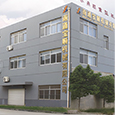
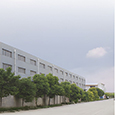
Factory scene

Copyright@ Jiangsu Dingshun Heavy duty Machine Tool Co., Ltd. All Rights Reserved.




 English
  русский
  Español
  عربى
عربى