Structural steel fabrication runs on repeatable, sound welds. Whether you are assembling a warehouse frame, a bridge girder, or a heavy equipment base, the MIG wire you feed into the gun has a direct say in deposition rate, spatter level, and how much rework your team faces at the end of the shift. Carbon steel remains the most common base material in these shops, and matching the wire to the job is less about chasing exotic alloys and more about understanding a handful of practical variables.
Content
Walk into most fabrication shops and you will find ER70S-6 on the wire feeder. It is the industry standard for carbon steel MIG welding because it behaves well across a wide range of conditions. The classification includes higher manganese and silicon levels than ER70S-3, which helps the wire tolerate mill scale, light rust, and the general shop-floor reality of steel that has been stored outdoors or handled with gloves that are not perfectly clean.
The result is a stable arc, low spatter, and good bead appearance without demanding pristine base metal. For structural work where fit-up is rarely perfect and surfaces are not always freshly ground, that tolerance is valuable. ER70S-3 remains a reasonable choice for clean, thin-gauge material, and ER70S-7 can be useful when travel speeds are high or sections are thick enough to need extra deoxidation. But for general structural fabrication, ER70S-6 covers the majority of joints.
Under AWS A5.18, the designation ER70S-6 breaks down into useful information. “ER” stands for electrode rod, “70” indicates a minimum tensile strength of 70,000 psi, “S” means solid wire, and “6” identifies the chemistry. Wire diameters are usually given in inches or millimetres, with 0.030, 0.035, and 0.045 inch being the most common in structural shops. Metric equivalents such as 0.8 mm, 0.9 mm, and 1.2 mm are widely available and interchangeable in practice.
The wire should arrive clean and tightly spooled, with a uniform copper coating that aids conductivity and feedability. If the surface looks dull or oxidized, or if the spool has been sitting in a humid corner for months, do not assume it will run the same as fresh stock. Feedability problems often start at the spool rather than at the gun.
Wire diameter and shielding gas are not independent choices. A small wire running short-circuit transfer on thin material behaves very differently from a larger wire running spray transfer on thick plate. The table below gives typical starting points, but the right setting still depends on your machine, joint preparation, and position.
| Wire diameter | Typical base thickness | Transfer mode | Shielding gas | Notes |
|---|---|---|---|---|
| 0.030 in / 0.8 mm | Up to 1/8 in (3 mm) | Short circuit | 75% Ar / 25% CO2 | Good for thin sheet, tack welds, and out-of-position work |
| 0.035 in / 0.9 mm | 1/8–1/4 in (3–6 mm) | Short circuit or spray | 75–85% Ar / CO2 | All-around choice for general structural fabrication |
| 0.045 in / 1.2 mm | 1/4–1/2 in (6–12 mm) | Spray | 85–92% Ar / CO2 | Higher deposition for thicker sections and longer runs |
| 0.052 in / 1.4 mm | Over 1/2 in (12 mm+) | Spray | 90–95% Ar / CO2 | Heavy structural work where fill volume matters |
Gas choice affects more than arc smoothness. Higher argon mixes tend to produce a smoother arc and less spatter, while increased CO2 content can improve penetration on thicker material at the cost of a harsher arc. For structural steel, a 75–85% argon mix with CO2 is a common compromise. If the job calls for deep penetration on heavy plate, a higher CO2 percentage may be worth testing, but expect to adjust voltage and wire feed speed accordingly.
Wire selection is only half the story. The condition of the feeder, liner, and gun matters just as much as the label on the spool. Keep wire stored in a dry area and let sealed packages reach room temperature before opening to avoid condensation. When loading a new spool, check the drive rolls for debris and set tension according to the manufacturer’s recommendation; too much tension can deform the wire and cause feeding problems, while too little tension leads to slippage and erratic arc starts.
Inspect the liner periodically and replace it if it shows wear or kinks. A dirty liner can scrape the copper coating and deposit debris in the contact tip, which leads to porosity and poor arc stability. Use the correct contact tip for the wire diameter and replace it when the bore wears oval. Finally, confirm polarity: solid carbon steel wire generally runs on direct current electrode positive (DCEP). If the arc feels wrong and the bead looks flat and wide with excessive spatter, check the leads before touching the settings.
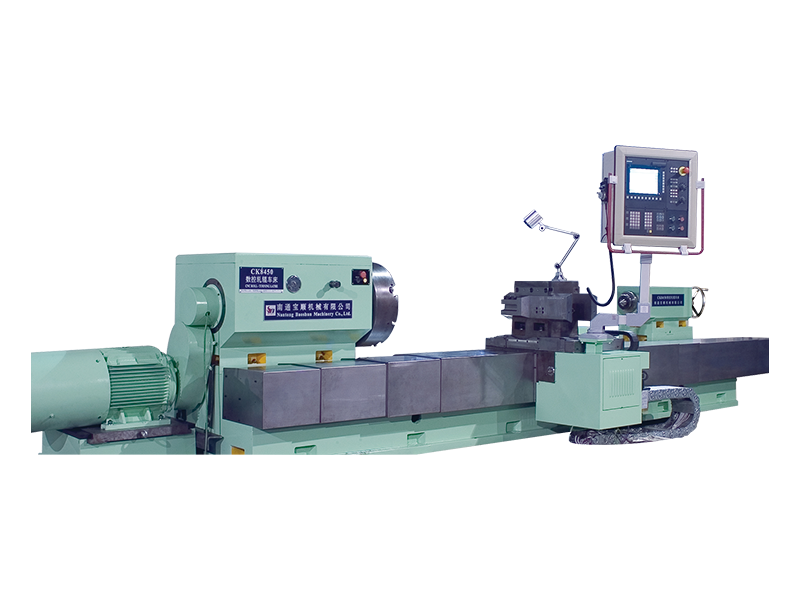
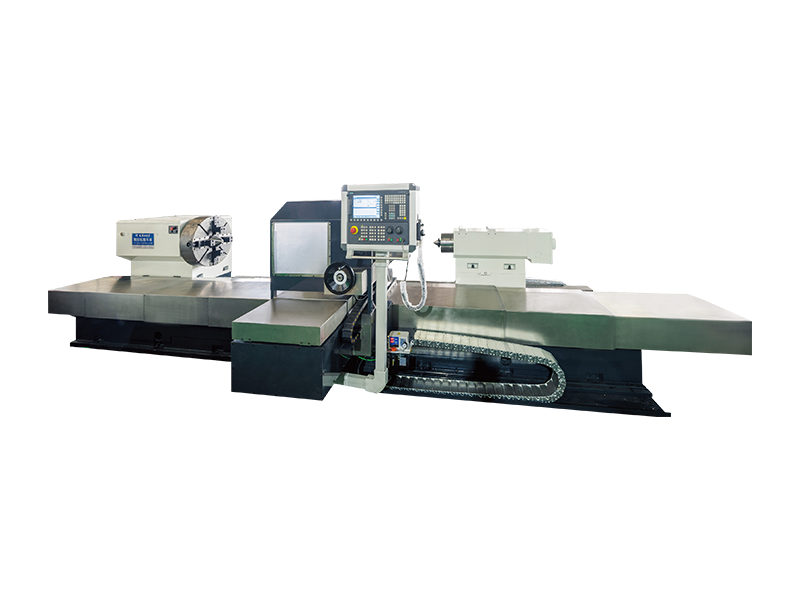
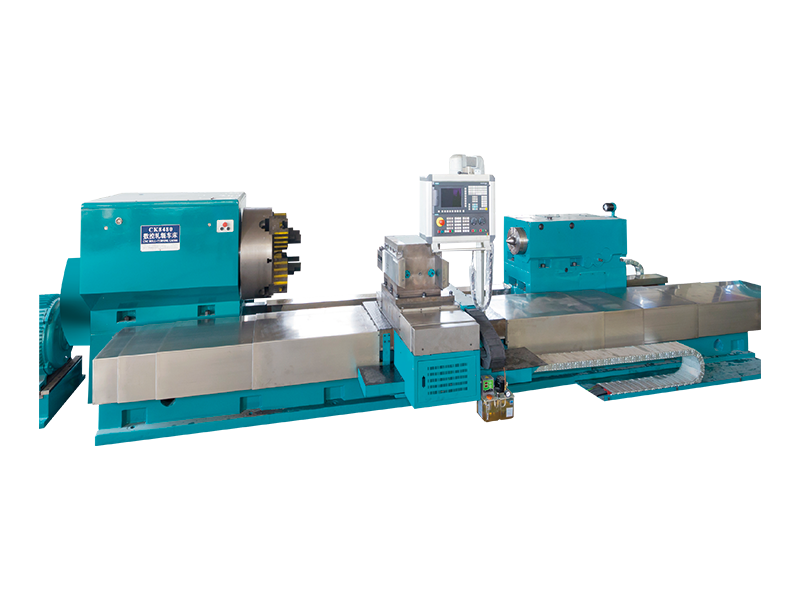
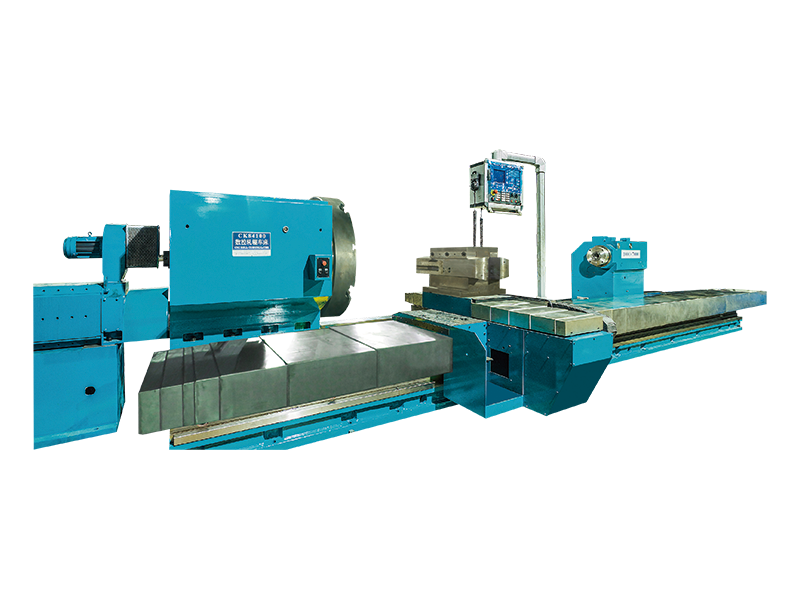
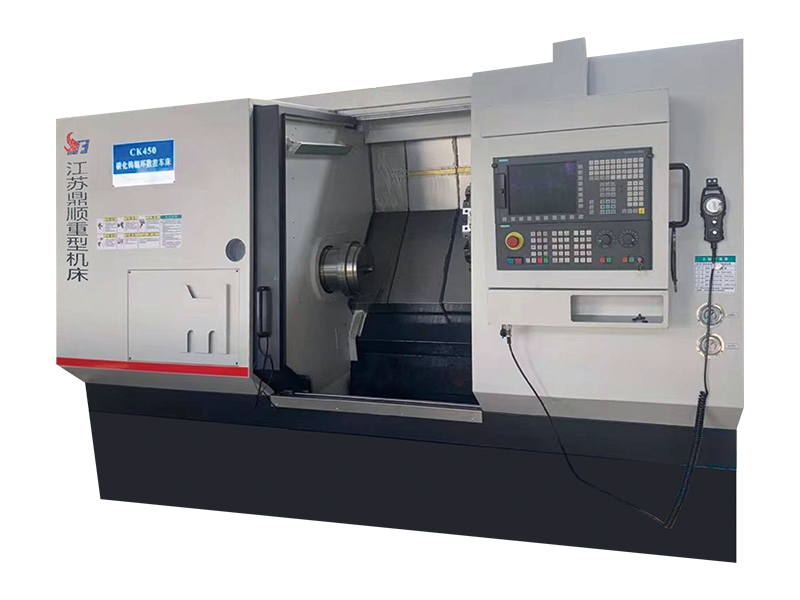
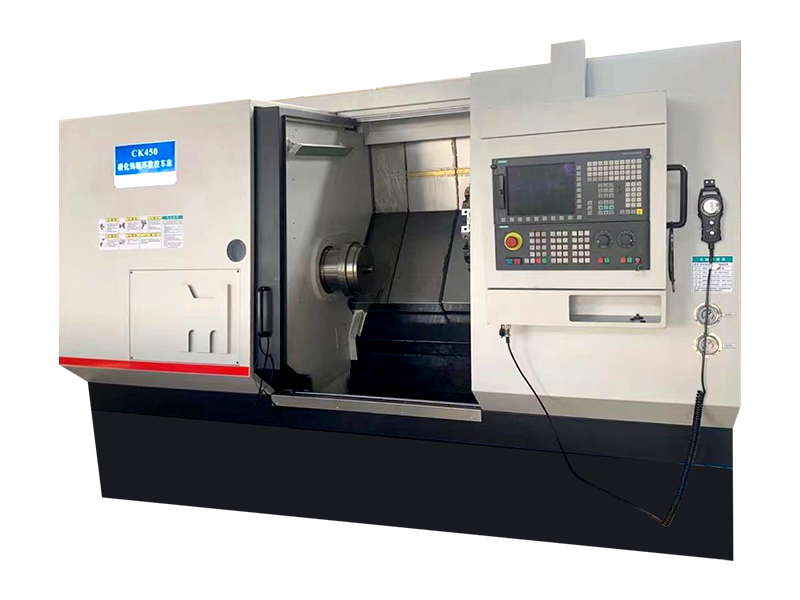
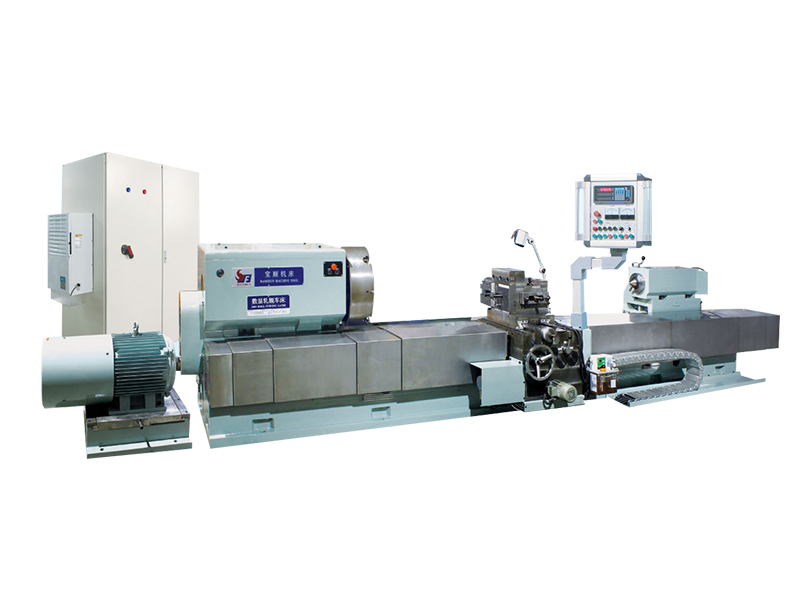
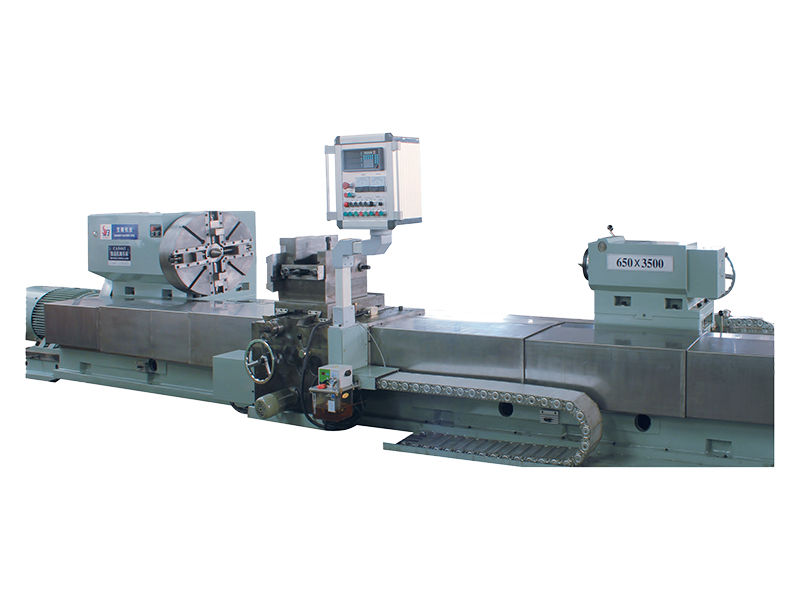
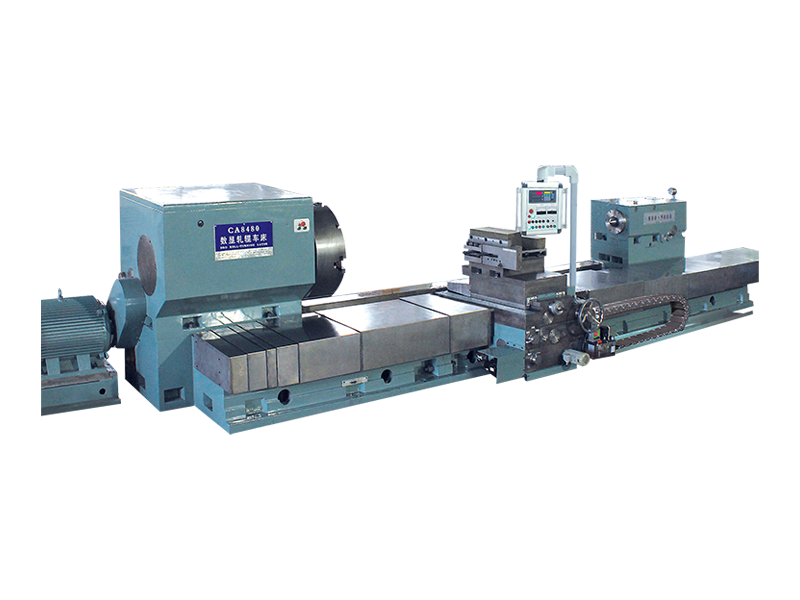
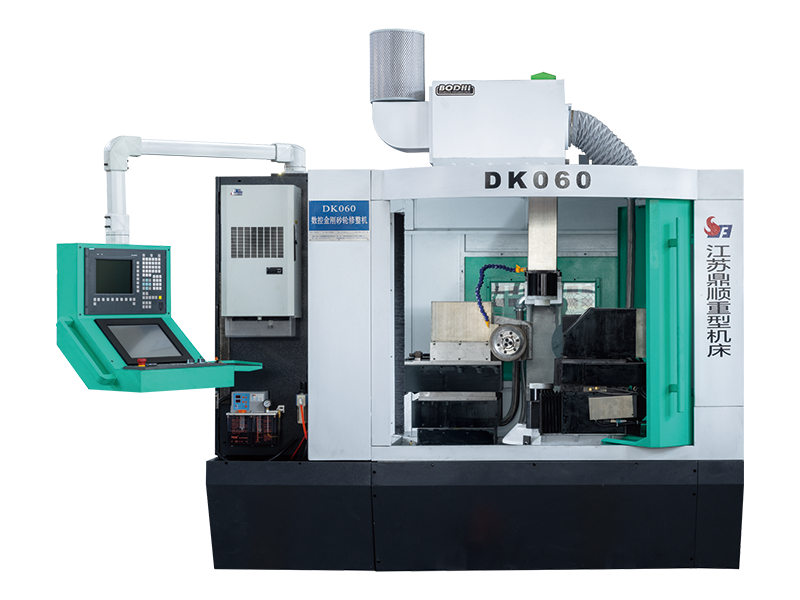
It is easy to focus on the welding gun and forget where the beam or plate came from. Structural steel begins as slabs and blooms that are rolled into shape in a rolling mill, and the rolls that form those sections must be turned and ground to precise profiles. When roll diameter or surface finish drifts, the finished steel can vary in thickness and flatness, which shows up later as fit-up problems in the fabrication shop. Steel plants rely on CNC roll lathes for precision machining of industrial rolls and heavy-duty CNC roll lathes for accurate diameter and surface finishing to keep those rolls in condition.
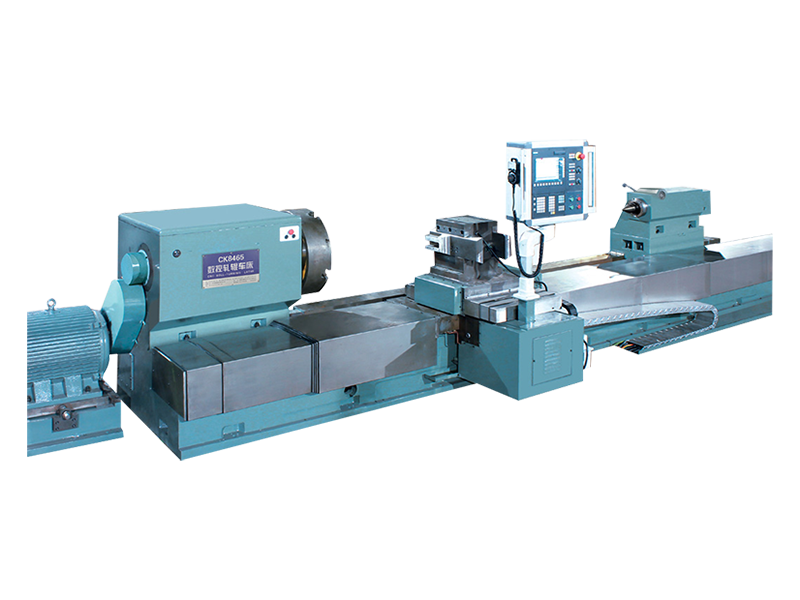
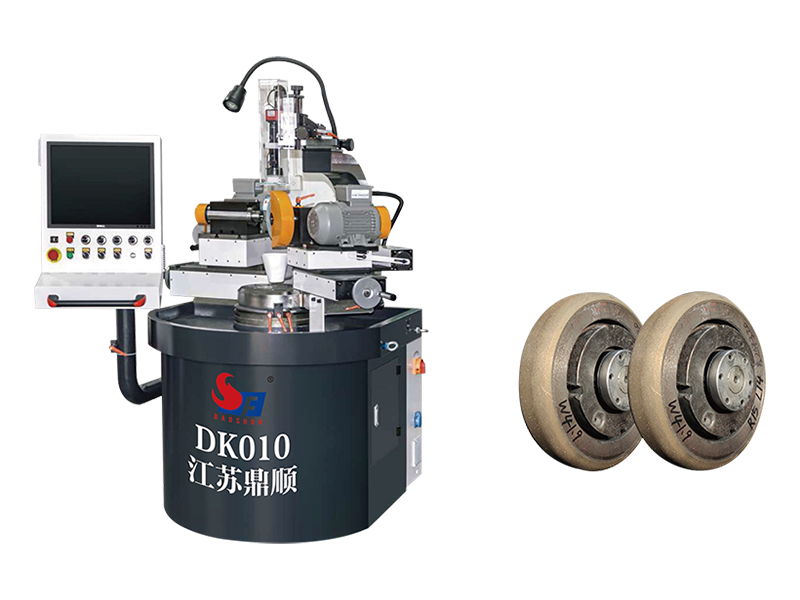
Our company has spent more than two decades supplying heavy machine tools to steel enterprises, including roll lathes and roll ring grinders used in maintenance shops and roll shops. The CK8465 heavy-duty precision CNC roll lathe is built for large rolls that need reliable diameter control, while the MK630L vertical roller grinding machine supports fine surface finishing on roll rings. These are not welding machines, but they sit upstream of every structural steel weld: better rolls mean more consistent steel, and more consistent steel means fewer surprises at fit-up.
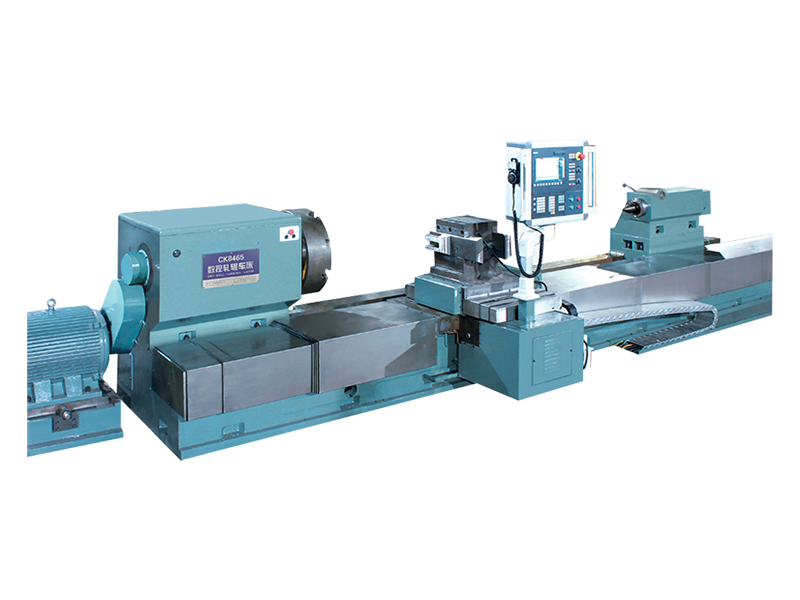 CK8465/3500 Heavy-Duty CNC Roll LatheFor large rolls needing reliable diameter control, this heavy-duty CNC lathe handles Ø650 mm workpieces up to 3500 mm, supporting consistent steel upstream of welding.View Product →
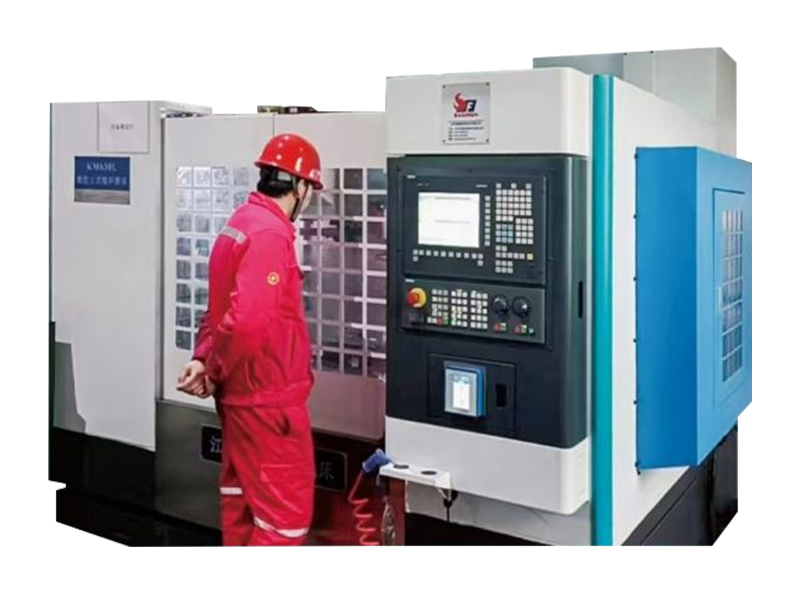 MK630L Vertical CNC Roller Ring Grinding MachineFor precision roller-ring finishing, this vertical grinder supports Ø50–Ø400 mm workpieces and fine surface quality, helping steel mills improve roll consistency before welding.View Product →
Before you strike an arc on a structural joint, run through a short checklist. It takes a few minutes and prevents most of the common defects that lead to rework.
Carbon steel MIG welding wire for structural steel fabrication does not need to be complicated. ER70S-6 covers most day-to-day work, correct sizing and gas matching keep the arc stable, and good shop habits protect the wire from the feeder to the contact tip. The rest comes down to preparation and consistency. When the steel itself is dimensionally sound, the welder’s job is that much easier, and that is where reliable roll maintenance upstream earns its place.

 Download Material

 E-mail: [email protected]
 Mob: +86-13806297906
 Tel: +86-513-85562198
 Add:No. 99 Tiantong Road, Nantong City, Jiangsu Province.
Factory scene



Copyright@ Jiangsu Dingshun Heavy duty Machine Tool Co., Ltd. All Rights Reserved.




 English
 русский
 Español
 عربى