Walk through a shipyard panel line and you will usually hear the same thing: the plasma torch is not the bottleneck. Stiffener profiles, flat bars, bulb flats, angles and T-sections pass through the cutting station in seconds, yet the line still loses hours every shift. On the genuinely productive plasma cutting lines for stiffener profiles in shipbuilding, the difference is rarely raw plasma power. It is how handling, cutting parameters, roll condition and downstream sorting fit together.
We build heavy-duty machine tools for steel plants, rolling mills and shipyards, and over more than twenty years we have spent a lot of time standing beside panel lines watching where output actually disappears. This article collects those observations.
Content
Productivity on a stiffener cutting line is easy to measure badly. Metres of cut per hour sounds impressive but says nothing about rework. The figure that matters is how many finished profiles reach fit-up without grinding, straightening or re-cutting. In practice, three numbers tell you whether a line is genuinely productive:
Lines that score well on all three usually share the same design choices: offline programming with nesting that has already been proven, automatic torch height control that operators trust rather than override, and enough torches to cut strips at moderate speed instead of one torch pushed to its thermal limit. Heat input is the hidden constraint. Running a 12 mm flat bar at the fastest speed the machine allows may look good on the display, but the dross and edge hardening that follow cost more downstream than the speed gained.
Stiffener profiles are not a single product. Each geometry responds differently to plasma, and a line optimised for one will slow down on another.
| Stiffener type | Typical thickness | Common cutting approach | Where productivity is lost |
|---|---|---|---|
| Flat bar (strip from plate) | 6-20 mm | Multi-torch strip cutting with common-line edges | Strip width and kerf accuracy; nesting yield |
| Bulb flat (HP) | 8-16 mm | Plasma cut to length, often with edge preparation | Torch height stability; welding edge quality |
| Angle (L) | 6-15 mm | Plasma, sometimes with a separate bevel pass | The second pass is the hidden bottleneck |
| T-section | 10-25 mm | Web and flange cut separately, then welded | Cut squareness drives fit-up time |
| Trapezoidal | 6-12 mm | Plasma with torch rotation | Sharp corners and dross removal |
Where two geometries share the same thickness and material, grouping them into one nesting plan and cutting them in a single pass is often the largest throughput gain available without buying new hardware. Common-line cutting is what makes that practical, and it is worth designing the plate layout around it rather than treating it as an afterthought.
Ask a line supervisor where the shift goes and you will get a list that has surprisingly little to do with the torch head:
Notice how many of those items are mechanical rather than electrical. Flatness and handling are the two most often left out of a budget, and they are the ones where the payoff lasts the longest.
Before a plate or coil reaches the torch, it passes through leveling rolls. After cutting, stiffener strips often pass through pinch rolls and straightening rolls on the way to the panel line. Those rolls do quiet work, and when they wear, the whole line feels it.
A leveler roll that has lost its crown, or a feed roll with a worn groove, introduces camber and bow into the strip. Bowed profiles then feed unevenly, so torch height control is constantly correcting and edge quality drops. The operator compensates with a slower speed, and the loss becomes permanent, accepted as normal.
Re-turning a roll restores diameter, crown and surface finish, and it usually costs far less than the throughput already lost. For long, heavy rolls we recommend sizing the machine to the roll rather than to the average job, because a lathe that is only just capable will be run slowly for its entire service life.
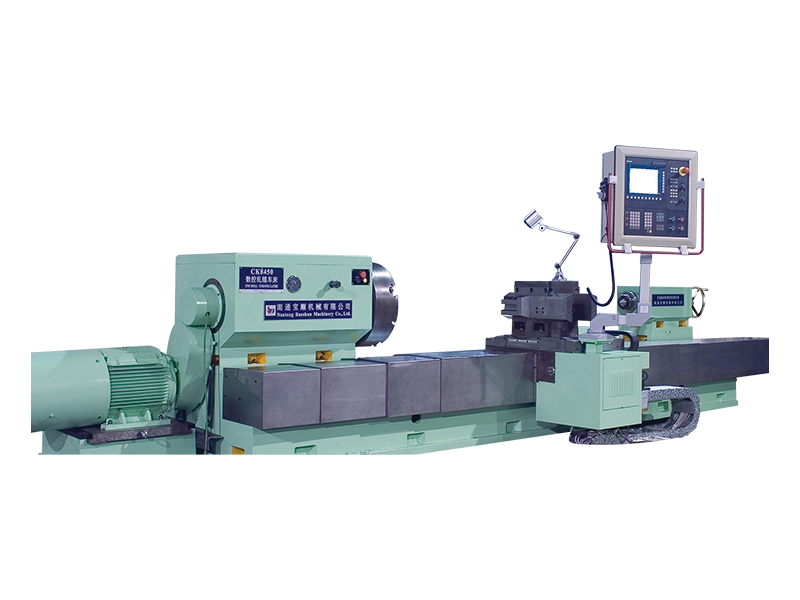
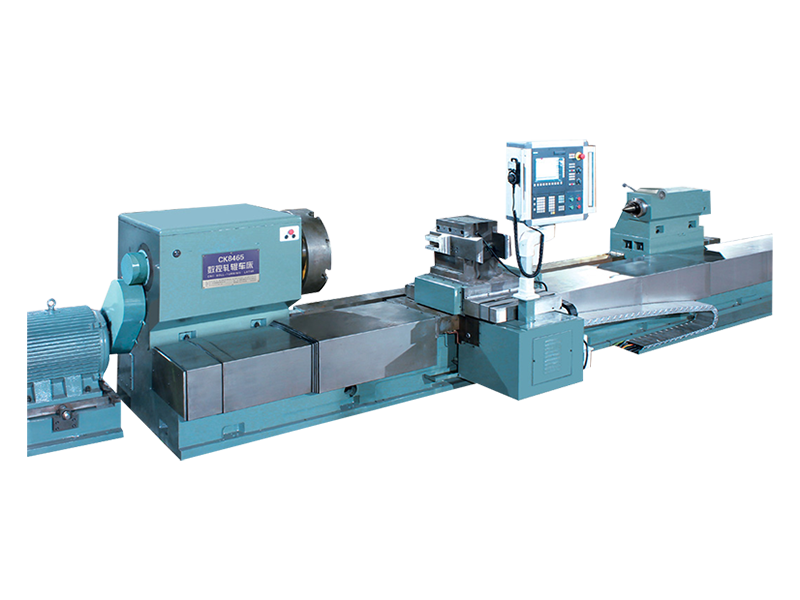
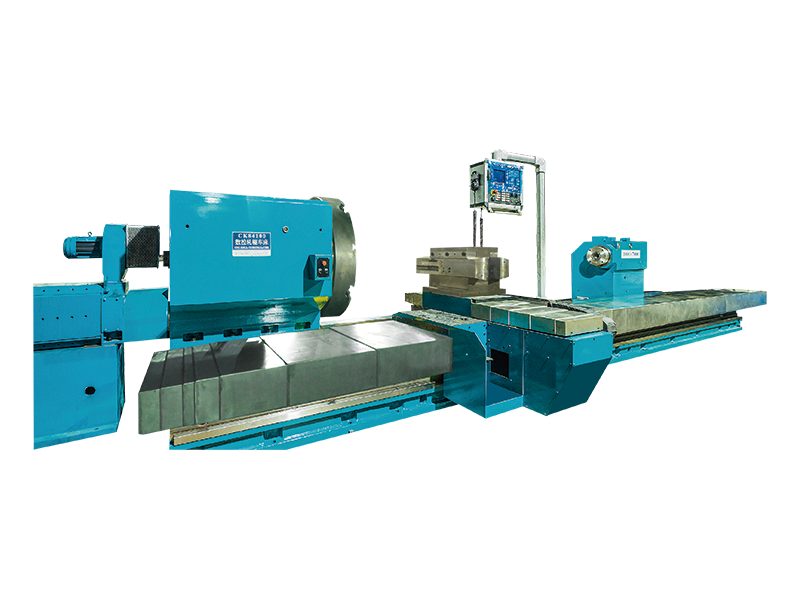
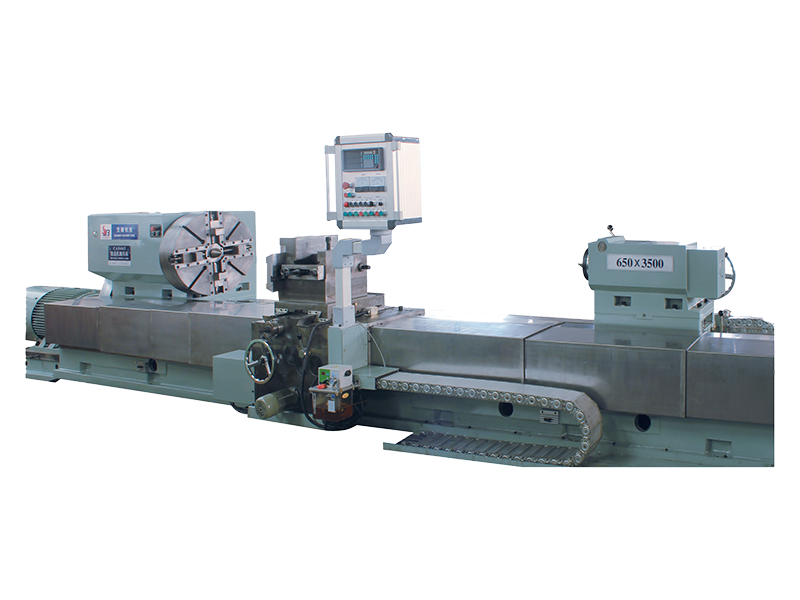
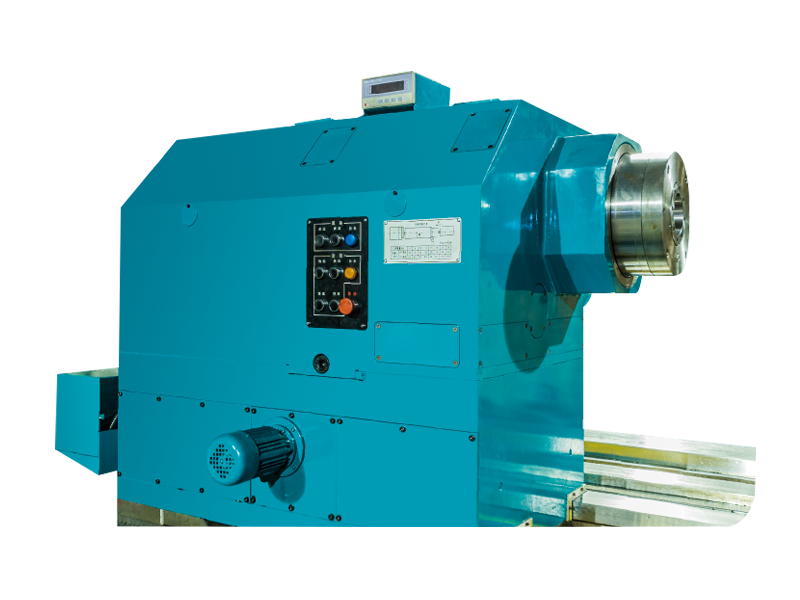 CK84125 CNC Roll Turning Lathe for Heavy-Duty Roll ReconditioningFor reconditioning large, heavy rolls in-house, this heavy-duty lathe handles Ø1250 mm workpieces and long beds up to 7000 mm.View Product →
Once a yard accepts that roll condition drives cut quality, the next question is where the rolls get reconditioned. Sending them out costs two things: the transport and the queue. A roll that leaves on Monday and returns three weeks later has cost the line far more than the machining invoice suggests.
Keeping a roll lathe in the plant changes that calculation. Rolls can be re-turned during a planned weekend stop, checked against the original drawing, and returned to service before the next shift. Machines that combine turning and milling in a single setup reduce handling further, which matters when a roll weighs several tonnes and every lift involves a crane and two people.
Roll work in a shipyard is broader than plain turning. Grooving, notching and ring components all demand the same combination of rigidity and control, which is why we have looked closely at what CNC roll notching machines need to deliver in shipbuilding.
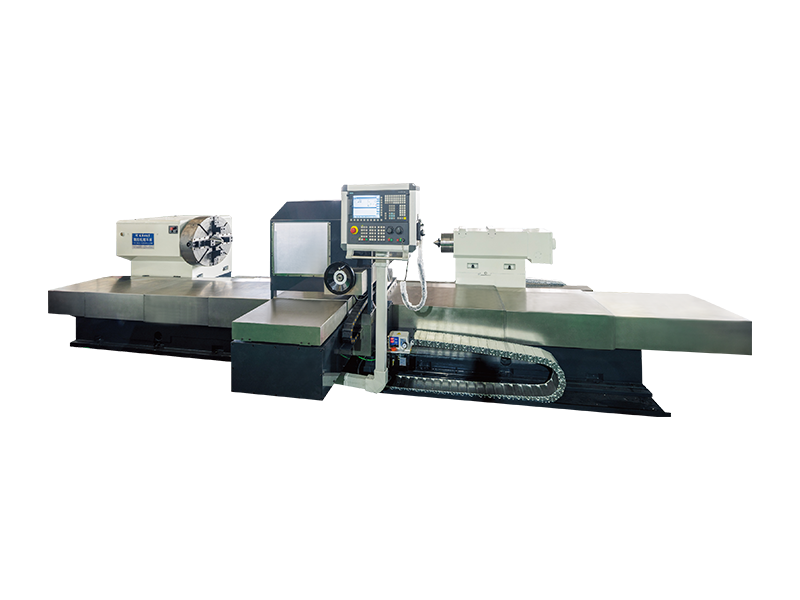
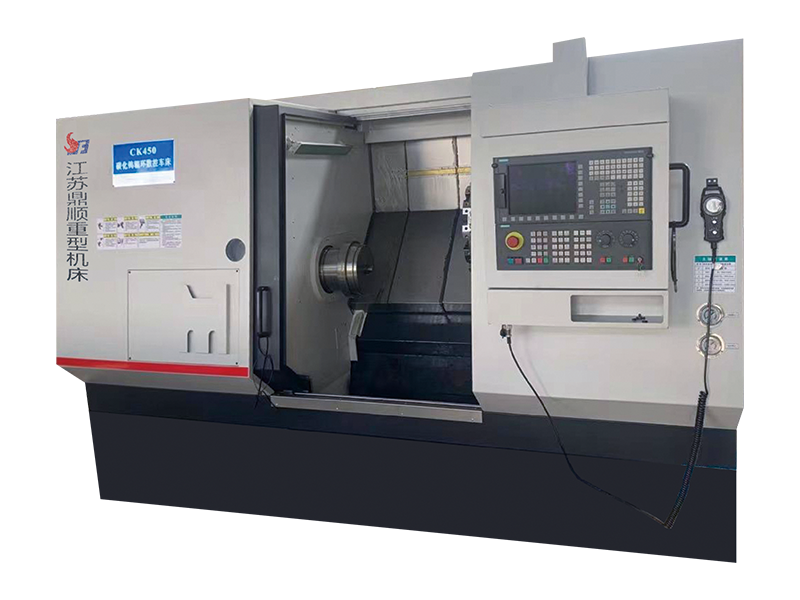
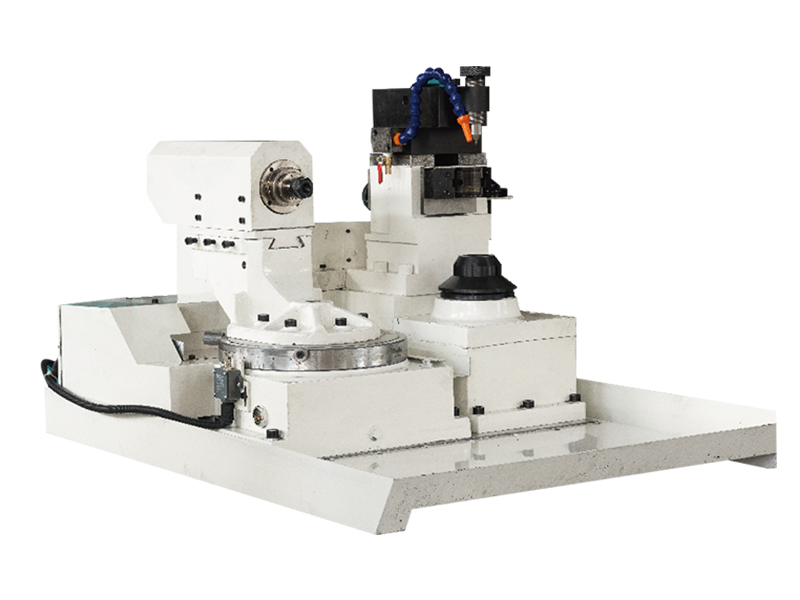 XK500G Multi-Function CNC Roll Processing MachineFor shipyard roll processing work, this multi-function CNC machine supports rebar 6–50 mm and rolls up to 500 mm.View Product →
When a yard asks us to quote a roll lathe, the conversation always starts with the same short list:
The last two items are the ones buyers skip and later regret. A machine that nobody in the plant can set up confidently will sit idle, however good its specification looks on paper.
For shops turning cast iron and forged steel rolls to fine tolerances, a heavy, rigid machine with straightforward control is usually the practical answer rather than the most automated one on the quotation sheet.
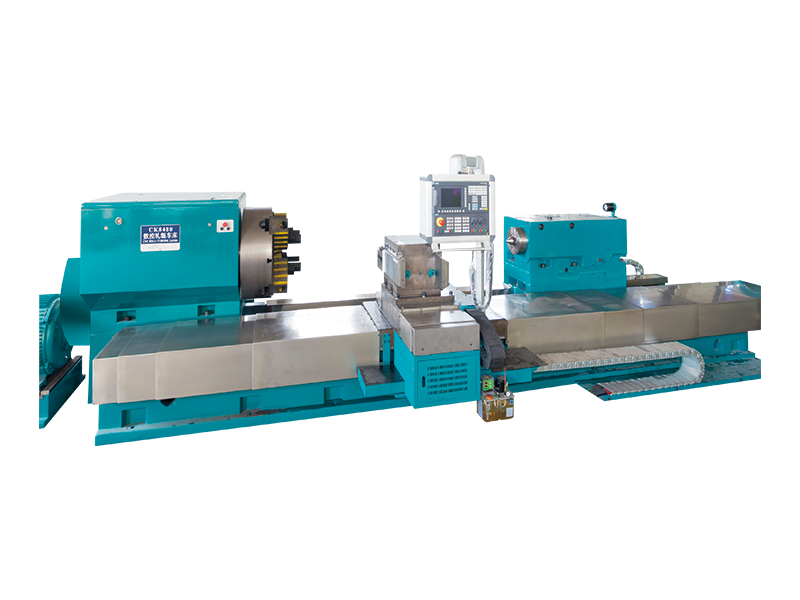
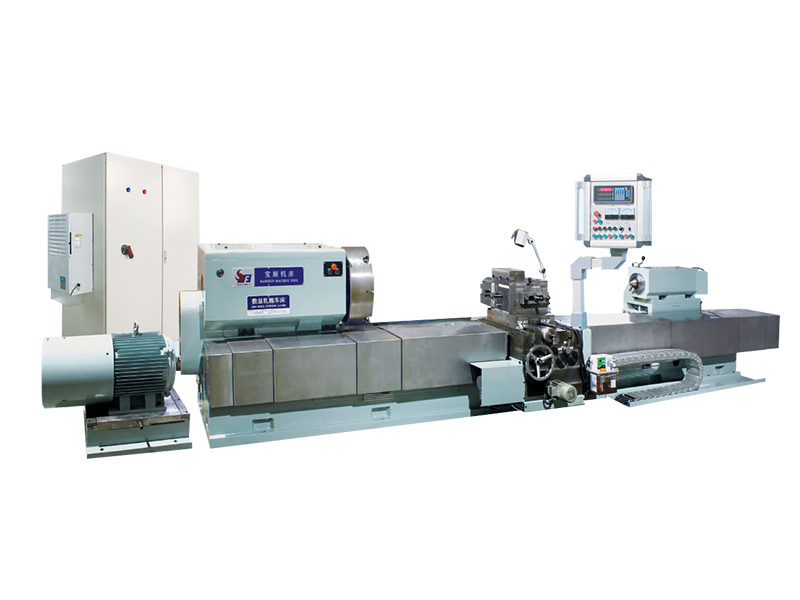
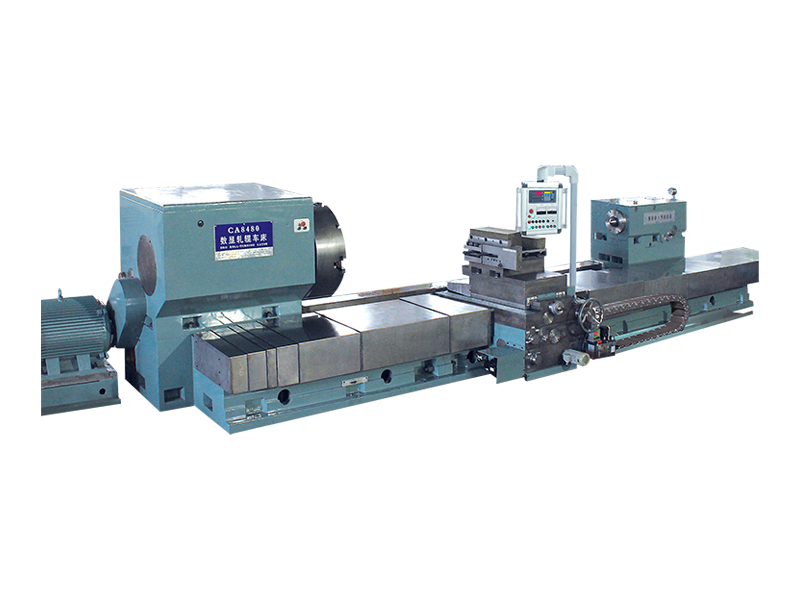
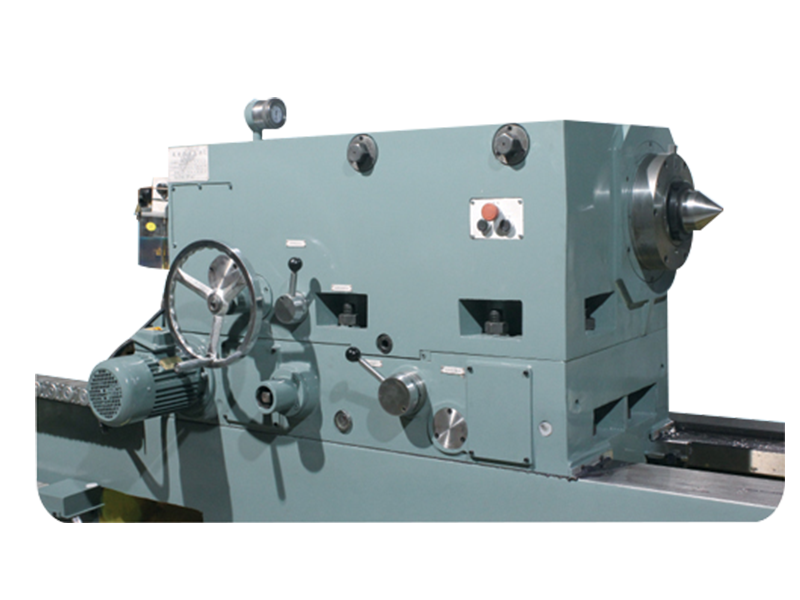 CK8480 CNC Roll Lathe for Fine TurningFor shops fine-turning cast iron and forged steel rolls, this rigid CNC lathe handles Ø800 mm workpieces and loads up to 16T.View Product →
If your stiffener cutting line is slower than it should be, resist starting with the plasma power source. Check the plate first, then the rolls, then the nesting plan, and only then the cut parameters. In our experience the mechanical side of a panel line, meaning feed rolls, levelers, handling and sorting, accounts for more lost output than the torch ever does. Fix that side and the same equipment will produce noticeably more profiles per shift, with less grinding and fewer surprises at fit-up.

 Download Material

 E-mail: [email protected]
  Mob: +86-13806297906
  Tel: +86-513-85562198
  Add:No. 99 Tiantong Road, Nantong City, Jiangsu Province.
Factory scene
Copyright@ Jiangsu Dingshun Heavy duty Machine Tool Co., Ltd. All Rights Reserved.




 English
  русский
  Español
  عربى
عربى