Content
CNC milling is a precision manufacturing process that uses computer-controlled machines to remove material from a solid workpiece. CNC stands for Computer Numerical Control, meaning the machine follows programmed digital instructions to cut, drill, shape, and finish parts with extremely high accuracy. CNC milling is widely used in industries such as aerospace, automotive, medical equipment, electronics, and industrial manufacturing because it can consistently produce complex components with tight tolerances.
Unlike manual milling, where an operator controls the machine by hand, CNC milling machines rely on software-generated toolpaths. These instructions direct the cutting tools along multiple axes to create precise geometries. Modern CNC milling systems can produce both simple and highly intricate designs repeatedly with minimal variation, making them ideal for mass production and prototype development.
The process works with many materials, including aluminum, steel, titanium, brass, plastics, wood, and composite materials. Depending on the machine configuration and cutting tools, manufacturers can create slots, holes, contours, threads, pockets, and complex three-dimensional surfaces.
A CNC milling machine operates by combining computer programming, precision motion control, and rotating cutting tools. The process begins with a digital design file created using CAD software. CAD stands for Computer-Aided Design and allows engineers to produce accurate technical models of the desired part.
Once the design is complete, CAM software converts the CAD model into machine-readable instructions known as G-code. G-code contains commands that control spindle speed, feed rate, cutting depth, and tool movement.
The CNC milling machine then follows these programmed instructions automatically. The workpiece is securely fixed to the machine table while the cutting tool rotates at high speed. Depending on the machine type, either the cutting tool, the workpiece, or both move along multiple axes to remove material gradually.
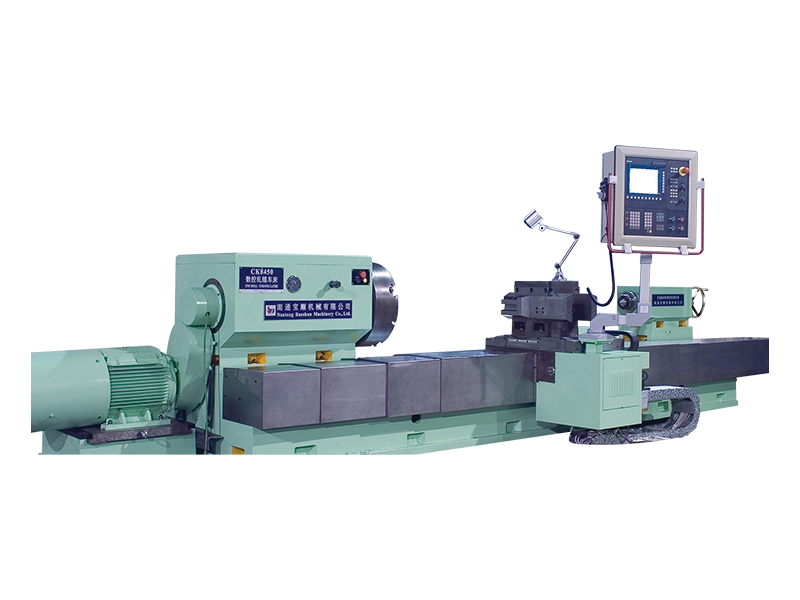
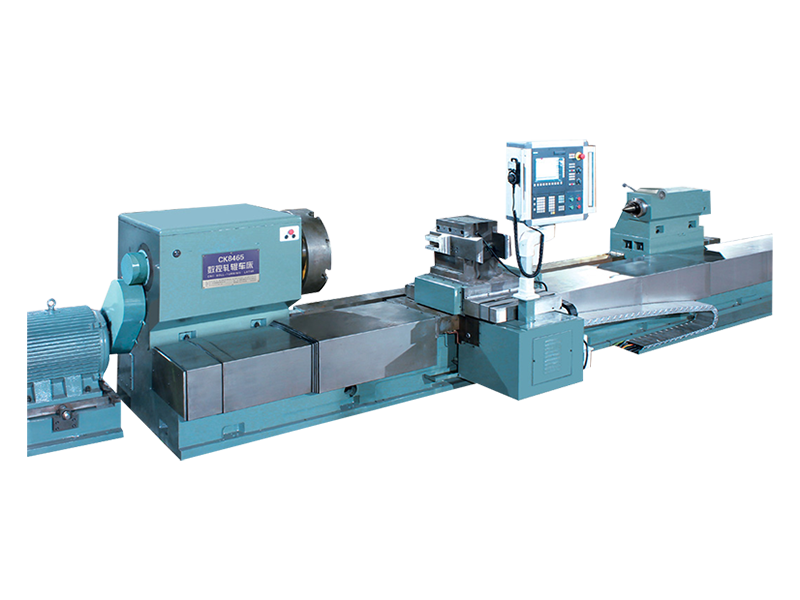
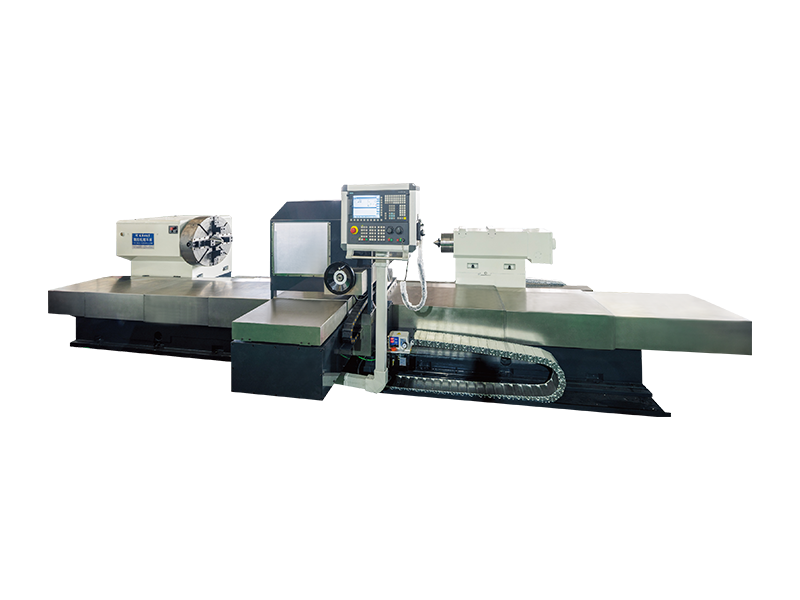
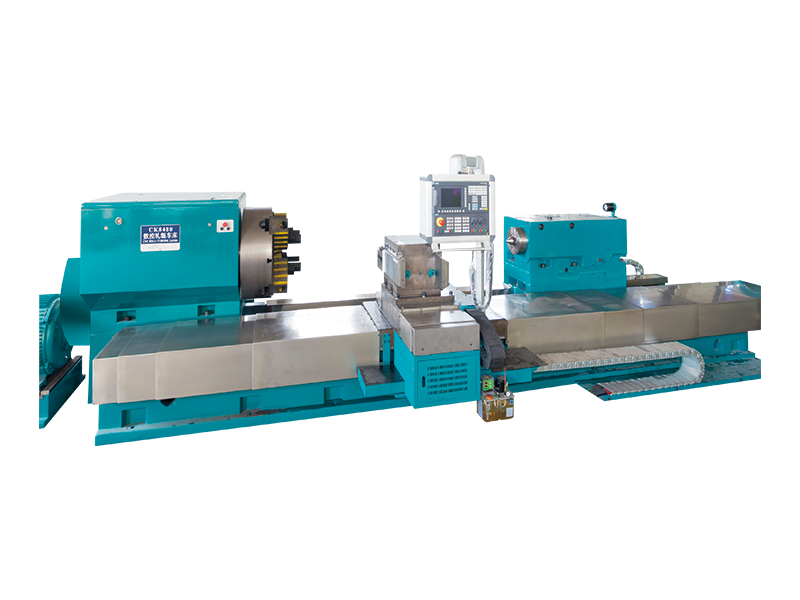
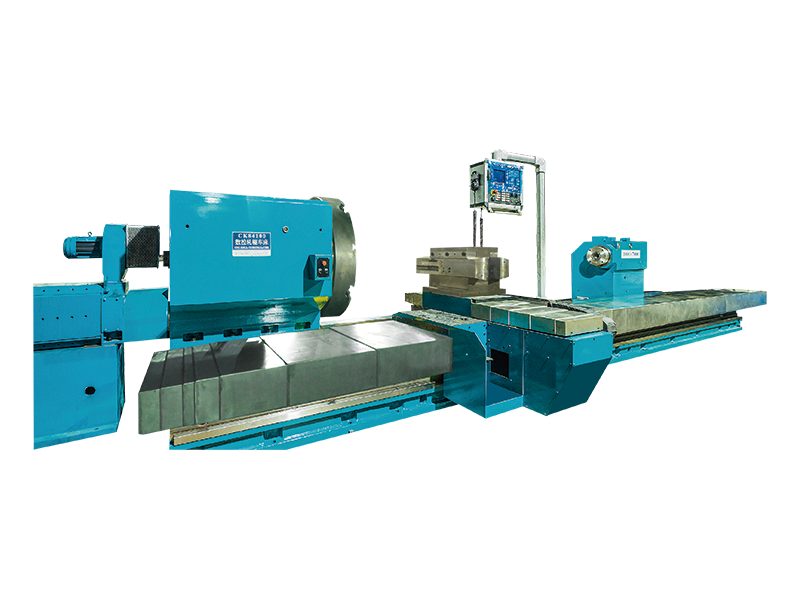
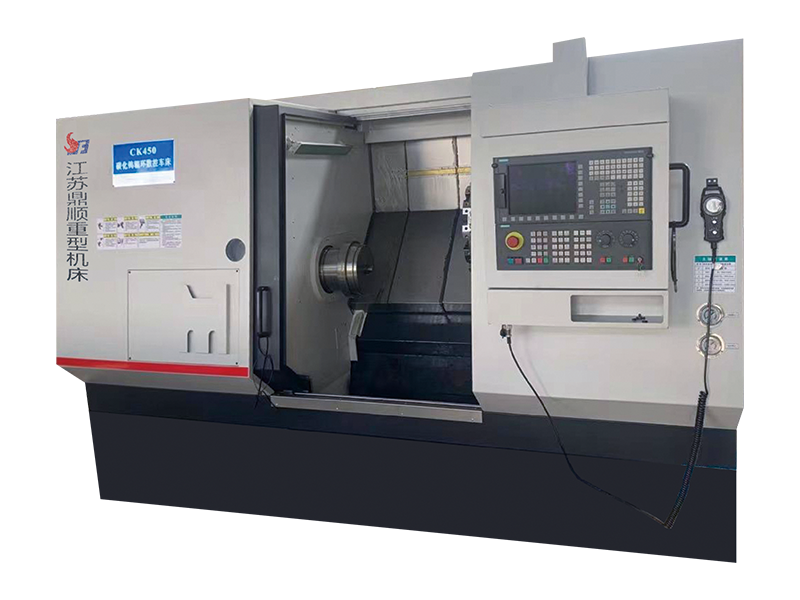
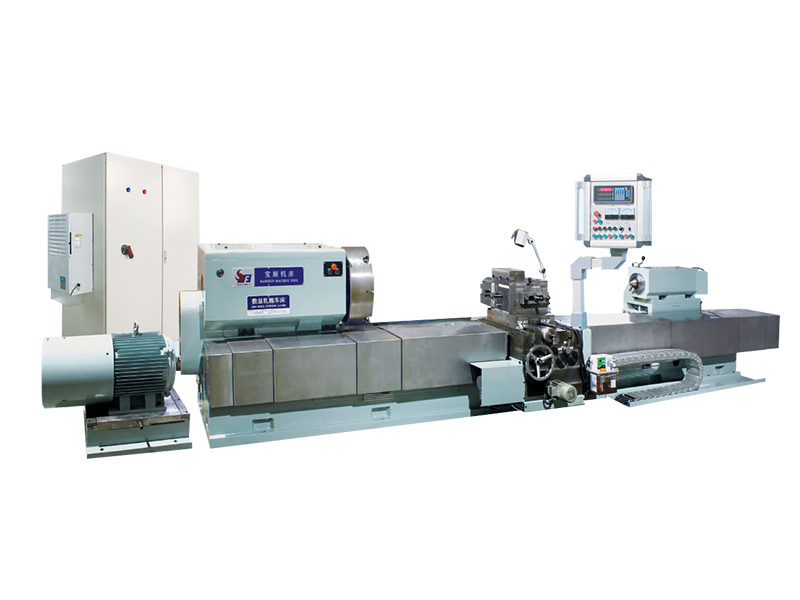
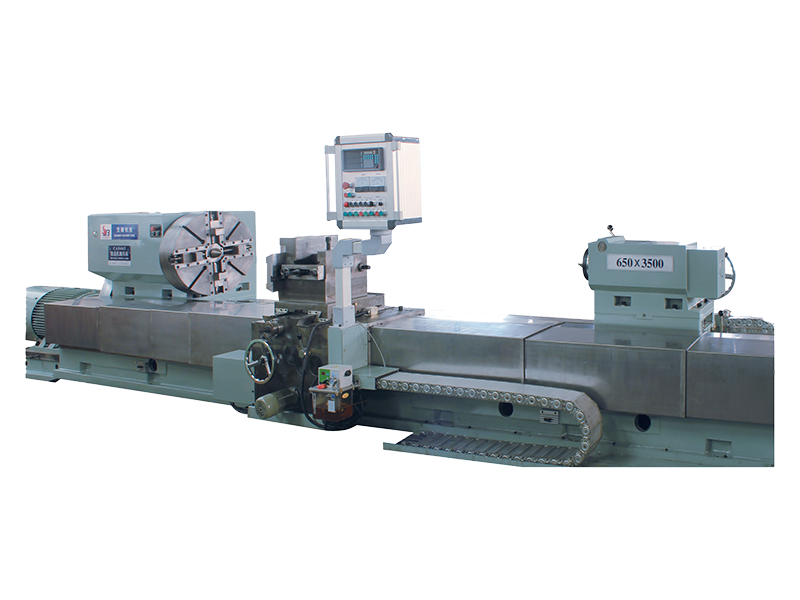
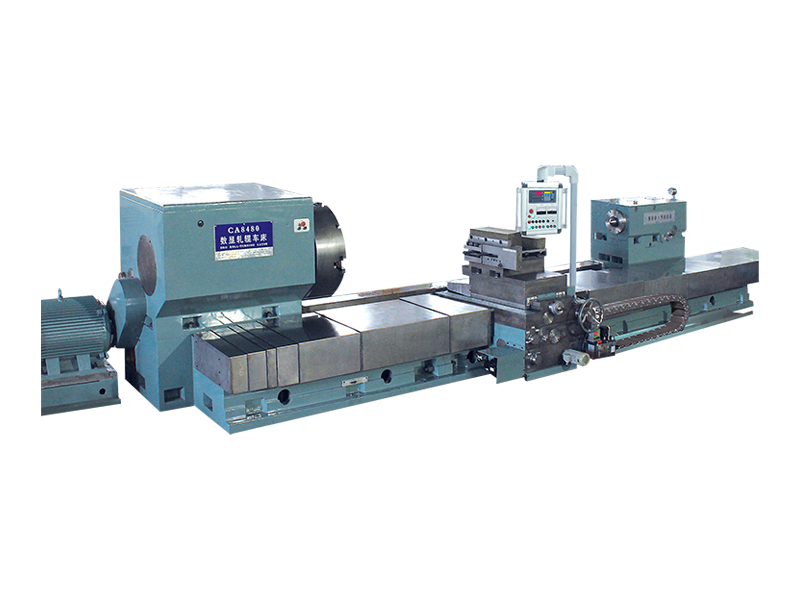
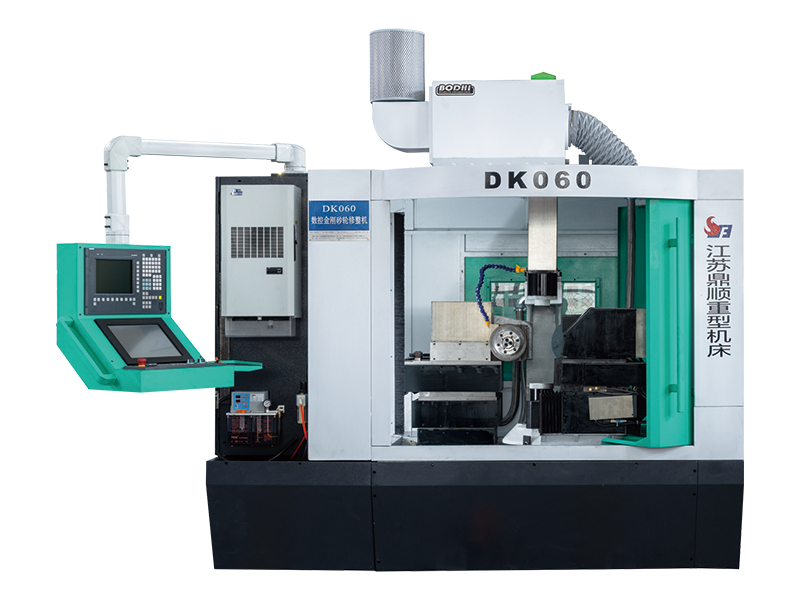
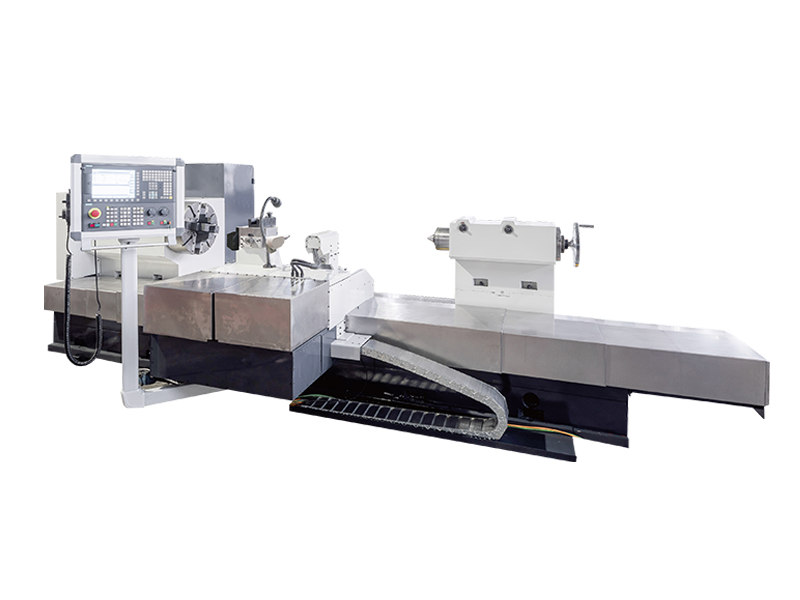
CNC milling machines contain several important components that work together to achieve precise machining results. Understanding these parts helps explain why CNC milling offers such high efficiency and accuracy.
The frame forms the structural foundation of the machine. It must remain rigid during machining operations to minimize vibration and maintain accuracy. Most industrial CNC milling machines use cast iron or steel frames because these materials provide excellent stability.
The spindle holds and rotates the cutting tool. Spindle speed can vary from a few hundred to tens of thousands of revolutions per minute, depending on the material and machining requirements. High-speed spindles are commonly used for aluminum and plastics, while lower speeds are often preferred for harder metals.
Different cutting tools are used for specific operations. End mills, face mills, drills, ball nose cutters, and chamfer tools are among the most common. Tool material and geometry influence cutting performance, surface finish, and tool life.
The control system acts as the machine's brain. It interprets G-code instructions and coordinates axis movements, spindle speed, and coolant flow. Advanced controllers can perform highly complex calculations in real time to optimize cutting paths.
CNC milling machines move along multiple axes. Basic machines operate on three axes: X, Y, and Z. More advanced systems include fourth and fifth rotational axes, allowing the machine to create complex curved surfaces and multi-angle features without repositioning the part.
There are several categories of CNC milling machines, each designed for specific manufacturing requirements.
| Machine Type | Main Features | Typical Applications |
| Vertical Milling Machine | Vertical spindle orientation | General machining and prototyping |
| Horizontal Milling Machine | Horizontal spindle for heavy cutting | Large industrial components |
| 3-Axis CNC Mill | Movement in X, Y, and Z directions | Basic parts and flat surfaces |
| 5-Axis CNC Mill | Rotational and linear movement | Complex aerospace and medical parts |
| CNC Machining Center | Automatic tool changer included | High-volume manufacturing |
CNC milling machines can perform numerous machining operations. The exact method depends on the desired part geometry and material characteristics.
Face milling creates flat surfaces by removing material from the top of the workpiece. This operation is commonly used to prepare raw stock for additional machining.
End milling uses cutting tools with edges on both the tip and sides. It is suitable for slotting, profiling, contouring, and pocketing operations.
CNC milling machines can drill highly accurate holes at programmed positions. Automatic tool changers allow drilling and milling operations to occur within the same setup.
Slot milling cuts narrow channels into the material. These slots may serve mechanical, structural, or assembly purposes.
Contour milling creates curved and irregular surfaces. Advanced multi-axis machines are especially effective for contour machining in aerospace and mold-making industries.
CNC milling technology provides several important benefits compared to manual machining methods.
These advantages make CNC milling essential in industries where accuracy, productivity, and consistency are critical.
Many industries depend heavily on CNC milling for manufacturing precision parts and assemblies.
Aircraft components require tight tolerances and lightweight materials such as aluminum and titanium. CNC milling produces engine parts, structural brackets, turbine blades, and aerospace housings with exceptional precision.
Automotive manufacturers use CNC milling for engine blocks, transmission components, suspension parts, molds, and prototype vehicles. Automation improves production speed while maintaining consistent quality.
Medical devices often require microscopic precision and excellent surface finishes. CNC milling produces surgical instruments, orthopedic implants, dental components, and medical housings.
Electronic equipment manufacturers use CNC milling to create heat sinks, enclosures, connectors, and precision mounting components for consumer and industrial devices.
Although CNC milling offers many advantages, manufacturers also face several operational challenges.
Machine setup can be time-consuming, especially for complex multi-axis jobs. Programming errors may lead to defective parts or tool collisions. Cutting tool wear also affects dimensional accuracy and surface finish over time.
Additionally, advanced CNC milling machines require significant investment. High-end 5-axis machining centers can cost hundreds of thousands of dollars, and skilled programmers and operators are necessary to maximize machine performance.
CNC milling technology continues to evolve with advancements in automation, software, and machine intelligence. Smart manufacturing systems now integrate CNC machines into fully connected production environments.
Artificial intelligence and machine learning are increasingly used to optimize cutting conditions, predict tool wear, and reduce downtime. Automation systems such as robotic material handling and pallet changers also improve production efficiency.
Hybrid manufacturing systems that combine additive manufacturing and CNC milling are becoming more common. These machines can both build and finish complex components within a single setup.
As industries demand greater precision and faster production, CNC milling will remain one of the most important manufacturing technologies in modern engineering.
CNC milling is a highly advanced manufacturing process that uses computer-controlled machines to shape materials into precise components. By combining CAD design, CAM programming, automated motion control, and high-speed cutting tools, CNC milling machines can produce accurate and repeatable parts for many industries.
From aerospace and automotive manufacturing to medical equipment and electronics production, CNC milling plays a critical role in modern industrial operations. As technology continues to improve, CNC milling machines are becoming smarter, faster, and more capable of handling increasingly complex manufacturing challenges.

 Download Material

 E-mail: [email protected]
  Mob: +86-13806297906
  Tel: +86-513-85562198
  Add:No. 99 Tiantong Road, Nantong City, Jiangsu Province.
Factory scene
Copyright@ Jiangsu Dingshun Heavy duty Machine Tool Co., Ltd. All Rights Reserved.




 English
  русский
  Español
  عربى
عربى