Content
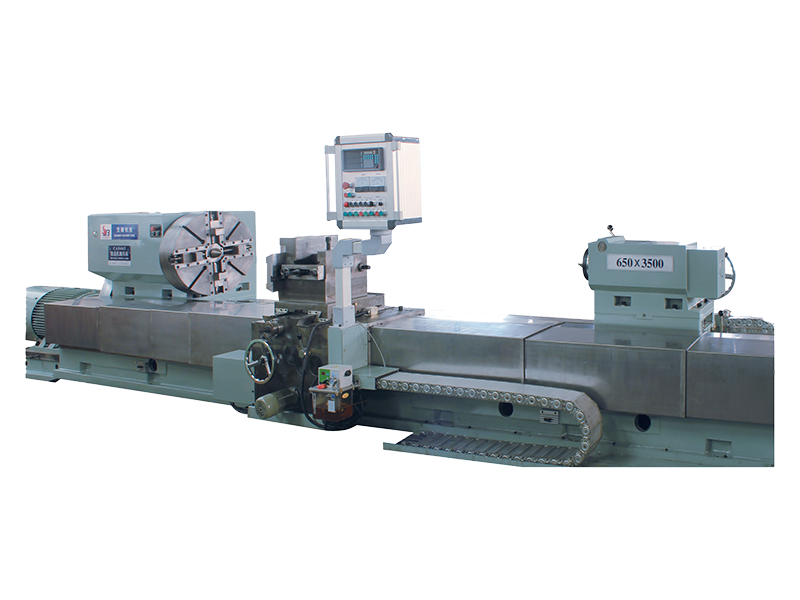
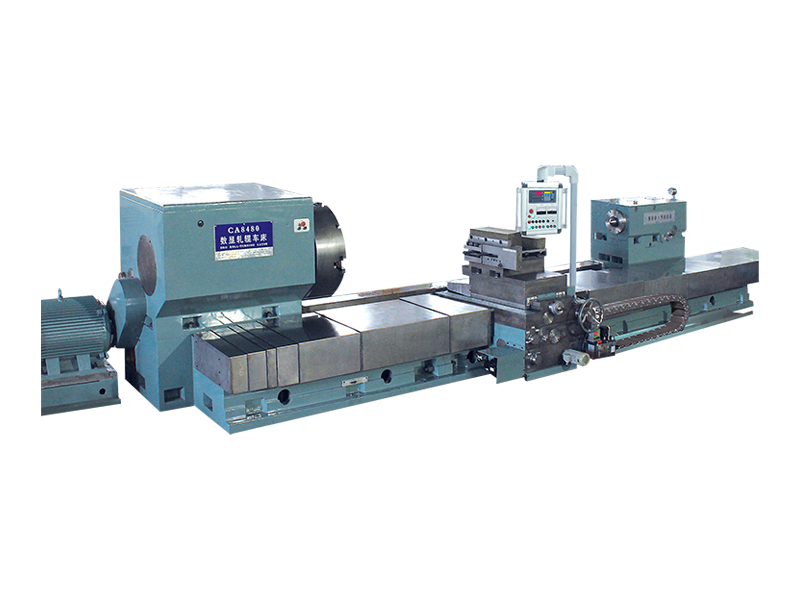
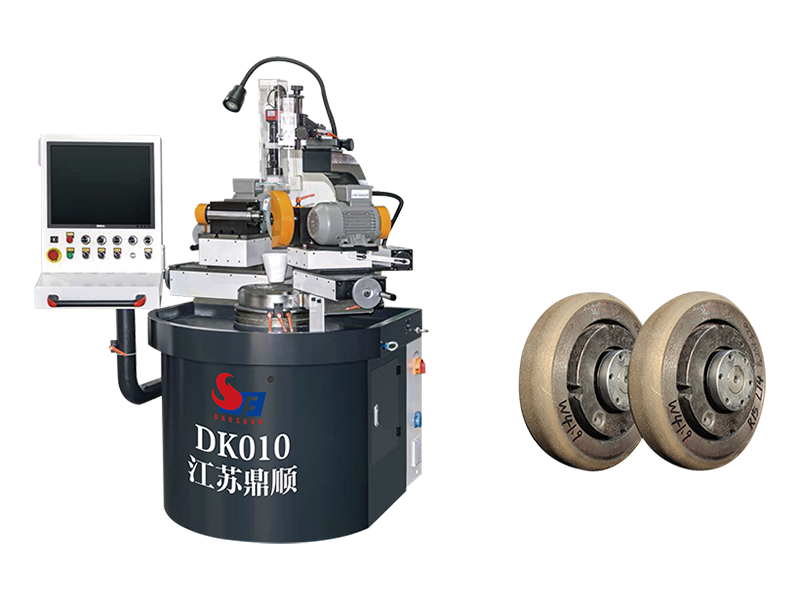
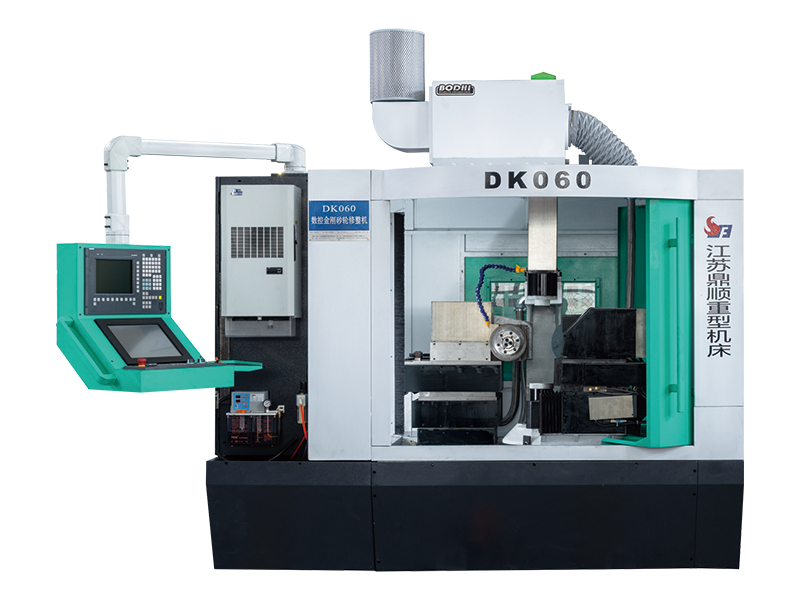
CNC tool grinders are advanced machines designed to perform high-precision grinding of cutting tools, drills, end mills, and other industrial tooling. By automating the grinding process through computer numerical control, these machines ensure consistent accuracy, reduce human error, and increase overall production efficiency.
Used across industries such as automotive, aerospace, and metalworking, CNC tool grinders are essential for maintaining tool performance, extending tool life, and achieving high-quality machining results.
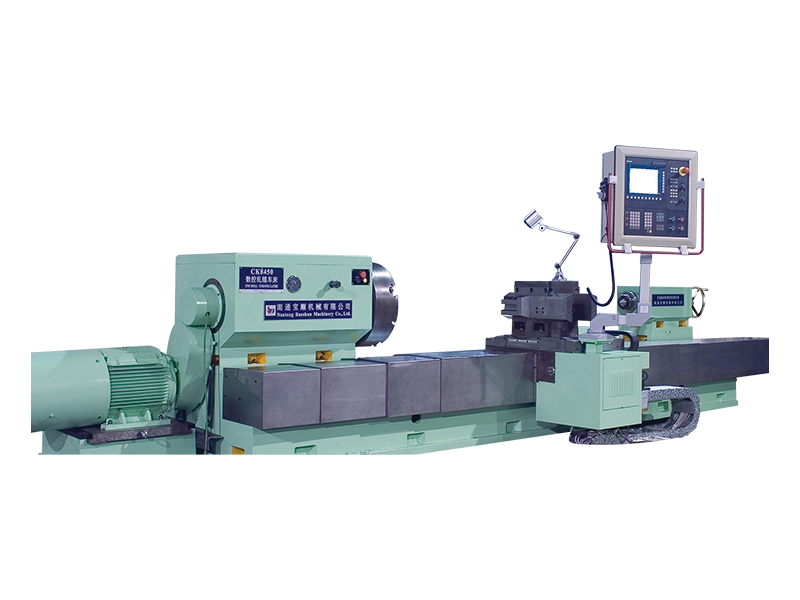
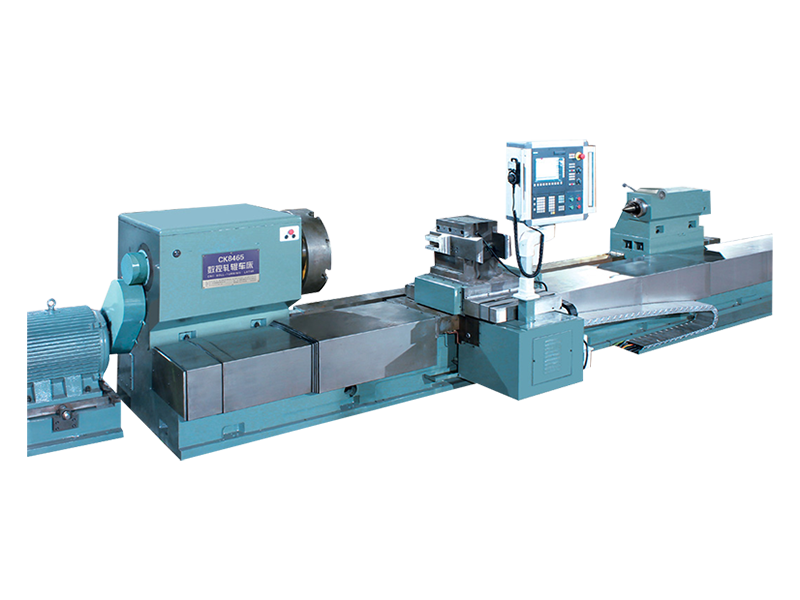
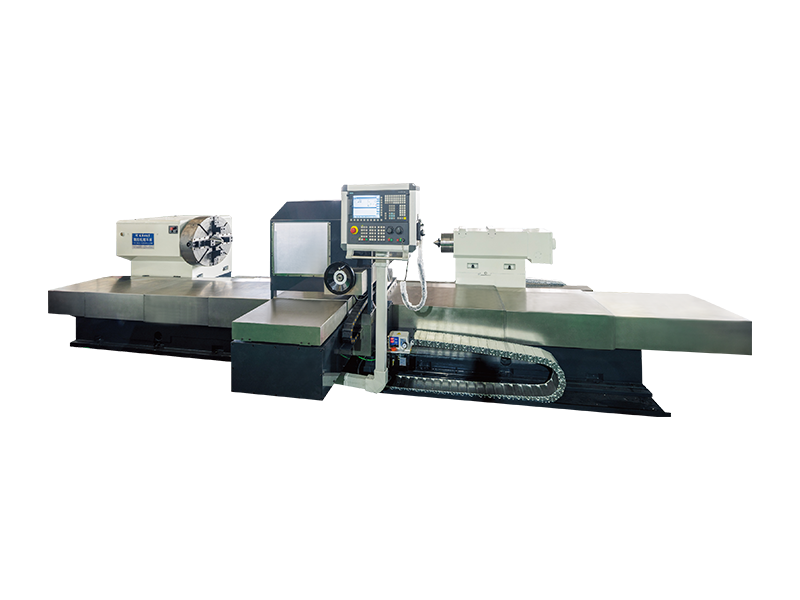
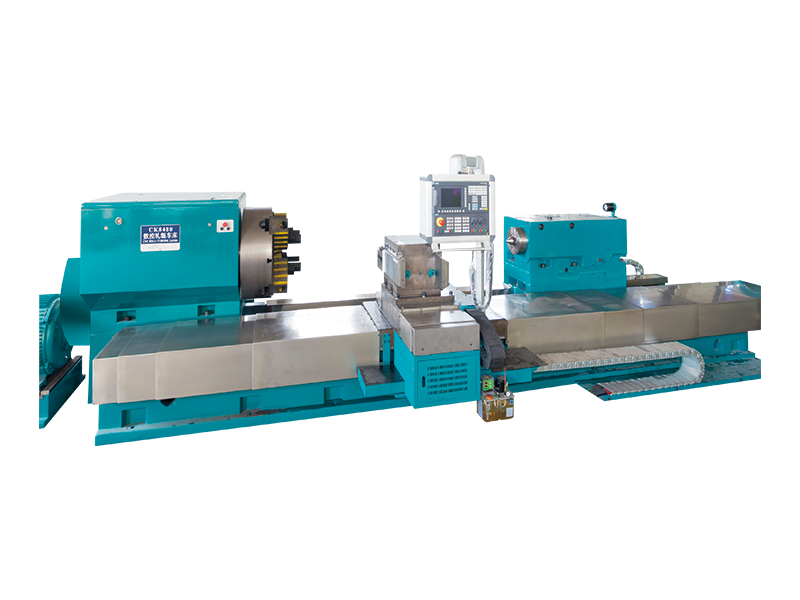
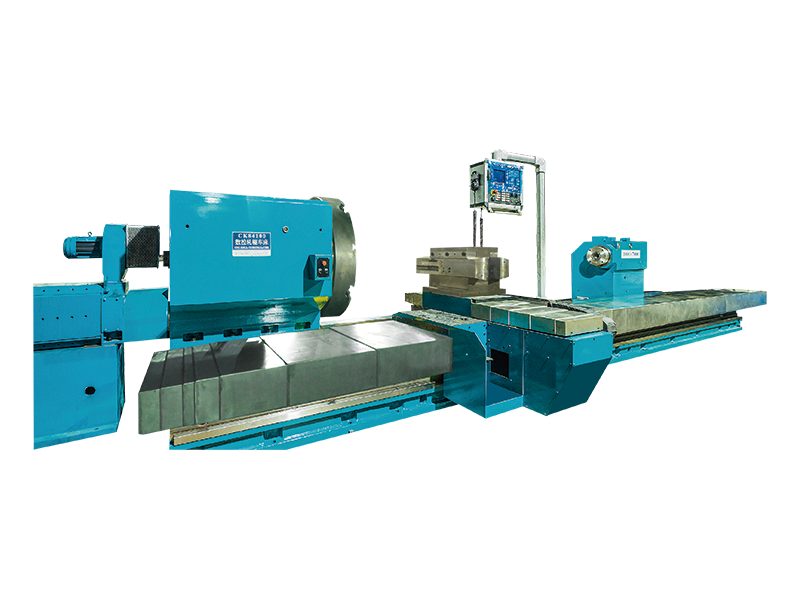
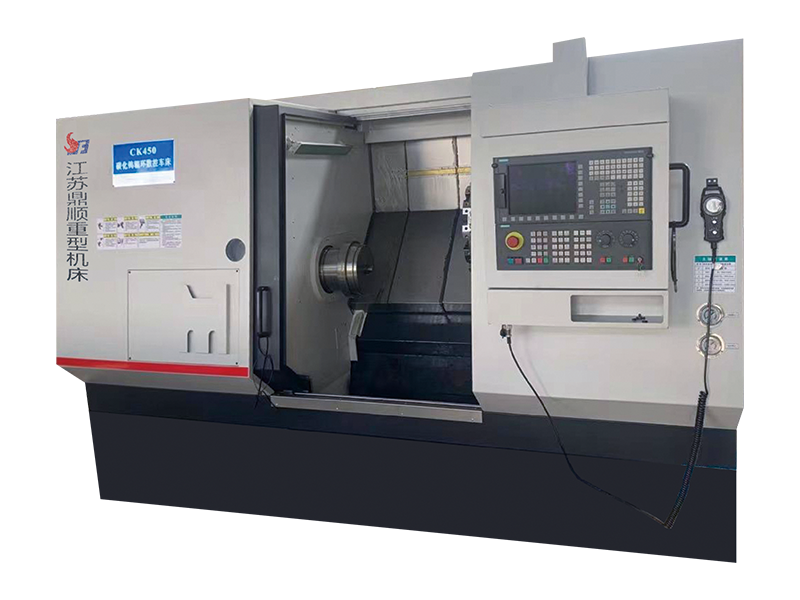
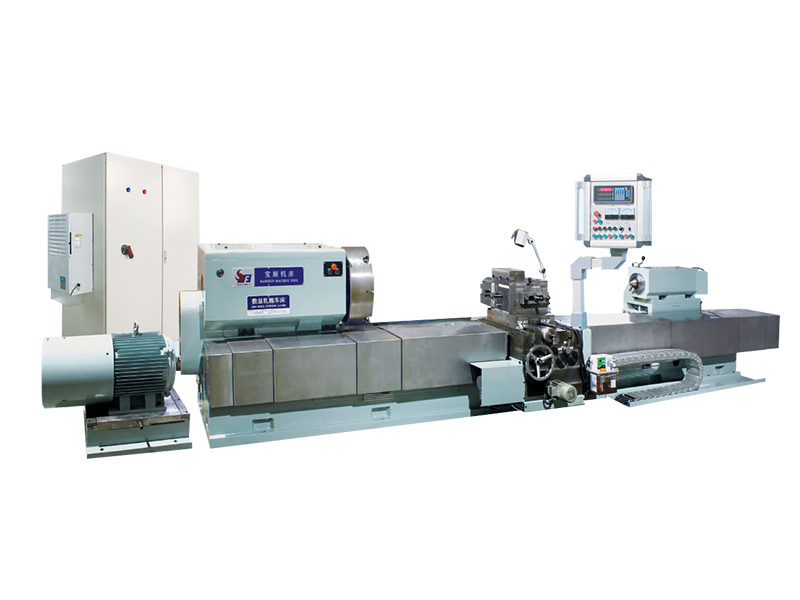
A typical CNC tool grinder consists of a rigid machine base, precision spindles, grinding wheels, and a CNC control system. These components work together to provide precise motion, stable operation, and adaptable grinding capabilities for a variety of tooling geometries.
CNC tool grinders are used wherever precision tools are critical for manufacturing efficiency and product quality. They support high-speed production and help maintain stringent tolerances in machining processes.
Compared with manual or conventional tool grinding machines, CNC tool grinders offer numerous benefits including higher precision, repeatability, efficiency, and flexibility. Automation reduces operator dependency and increases the speed at which tools can be manufactured or refurbished.
| Feature | CNC Tool Grinder | Conventional Tool Grinder |
| Precision | High | Moderate |
| Repeatability | Excellent | Variable |
| Operator Dependency | Low | High |
| Throughput | High | Moderate |
Regular maintenance of CNC tool grinders ensures optimal performance and extends the lifespan of critical components such as spindles, guideways, and grinding wheels. Proper lubrication, calibration, and cleaning routines reduce downtime and maintain grinding accuracy.
Operators should follow manufacturer guidelines for software updates, tool programming, and safety protocols to maximize productivity and ensure consistent results.
CNC tool grinders provide high-precision, efficient, and flexible solutions for modern manufacturing. By automating tool grinding processes and maintaining tight tolerances, these machines help industries improve production quality, reduce waste, and extend tool life. Their adaptability and reliability make them indispensable in automotive, aerospace, metalworking, and specialized tool-making applications.

 Download Material

 E-mail: [email protected]
  Mob: +86-13806297906
  Tel: +86-513-85562198
  Add:No. 99 Tiantong Road, Nantong City, Jiangsu Province.
Factory scene
Copyright@ Jiangsu Dingshun Heavy duty Machine Tool Co., Ltd. All Rights Reserved.




 English
  русский
  Español
  عربى
عربى