Content
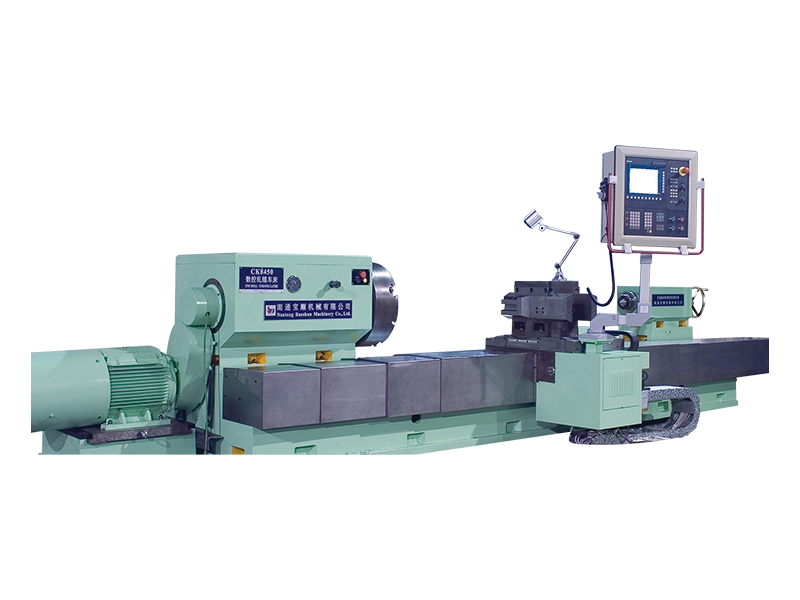
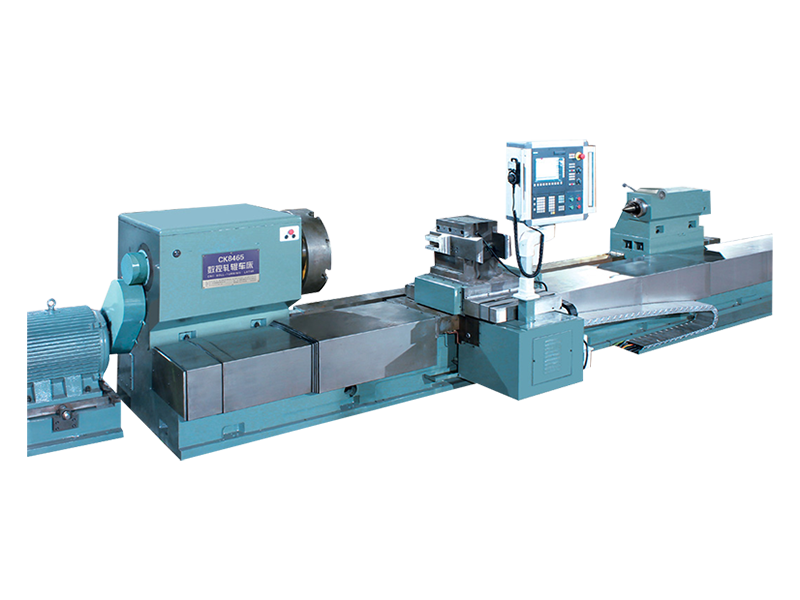
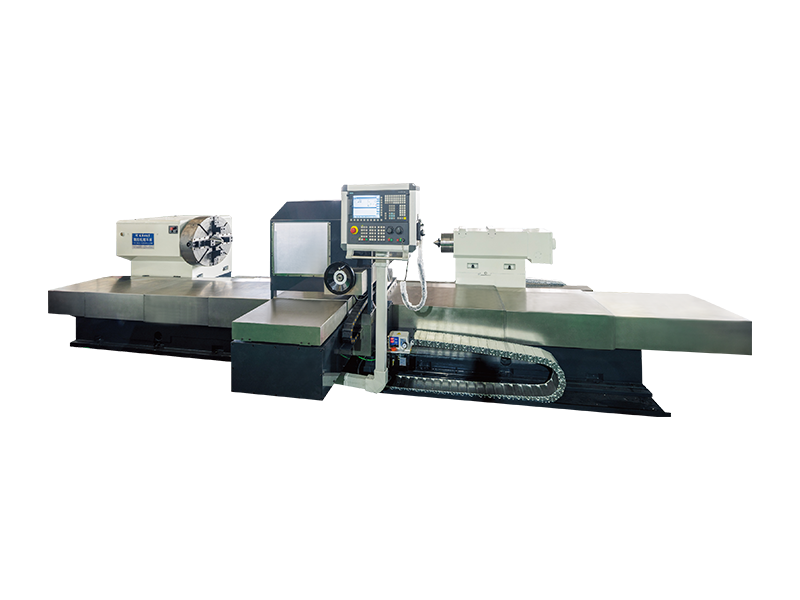
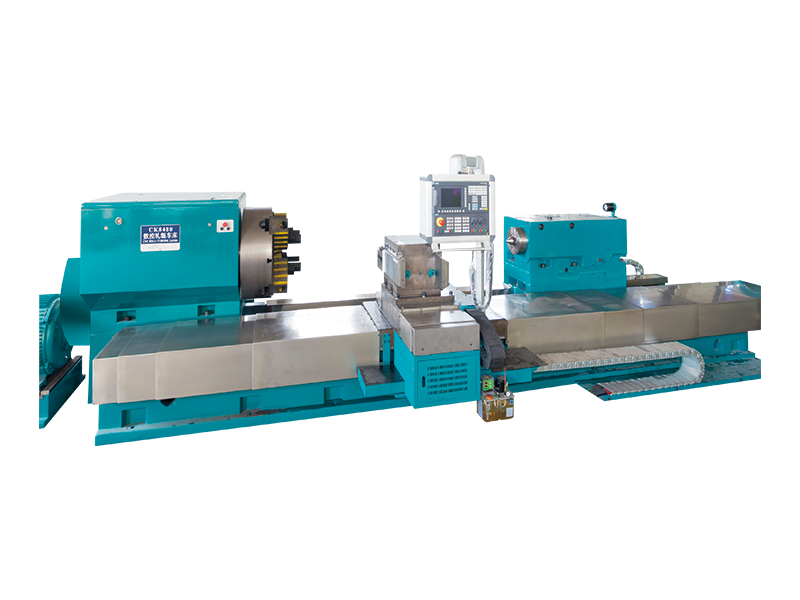
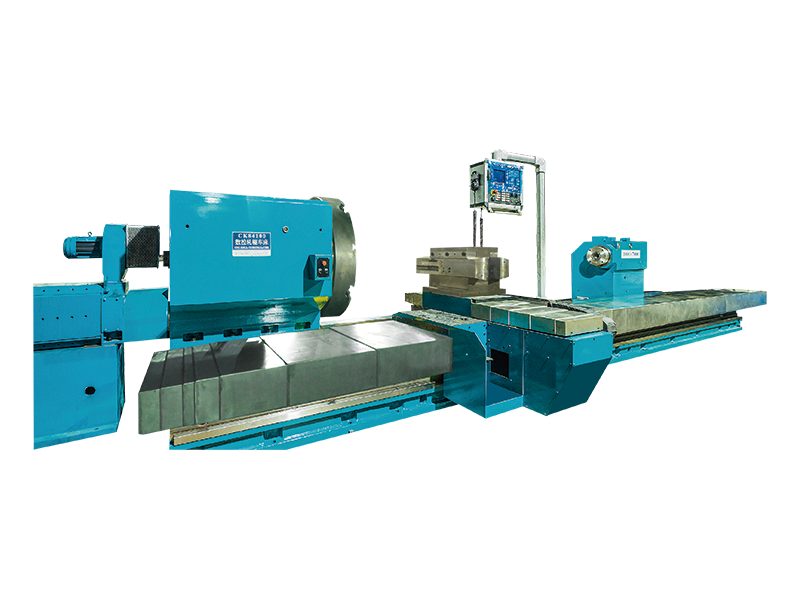
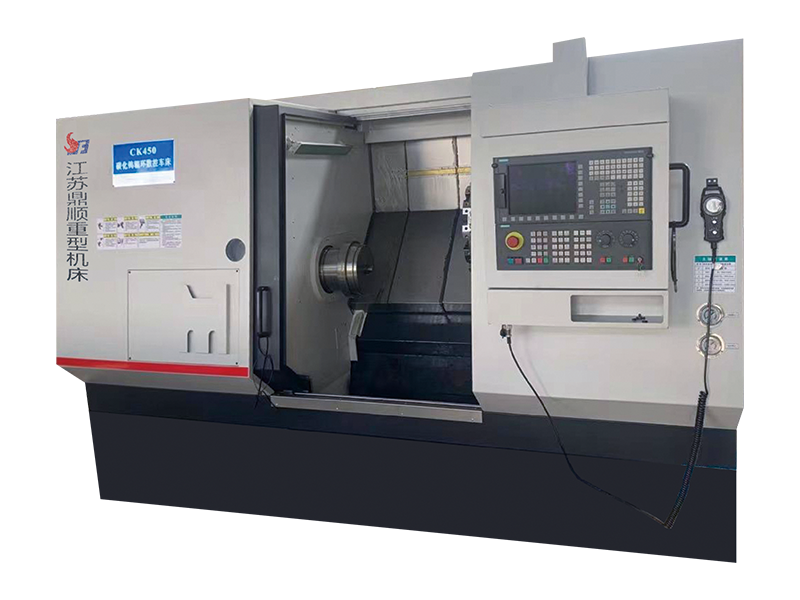
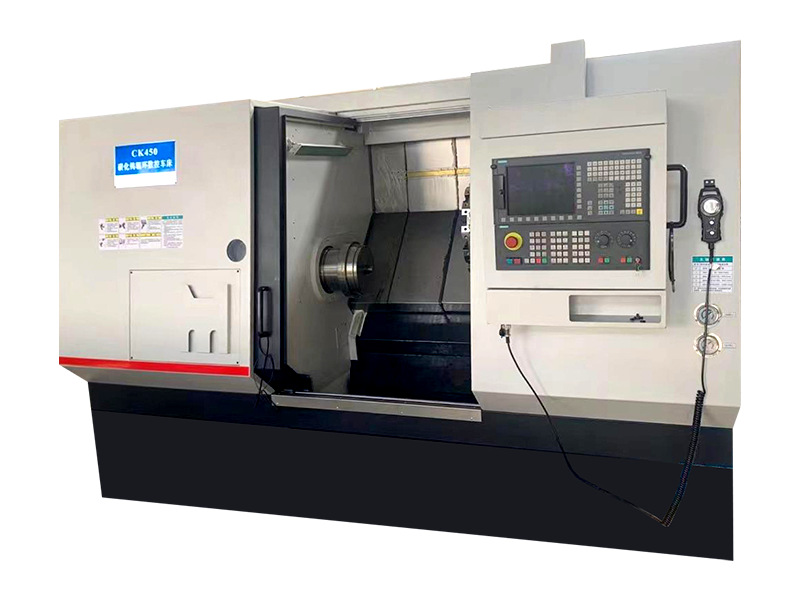
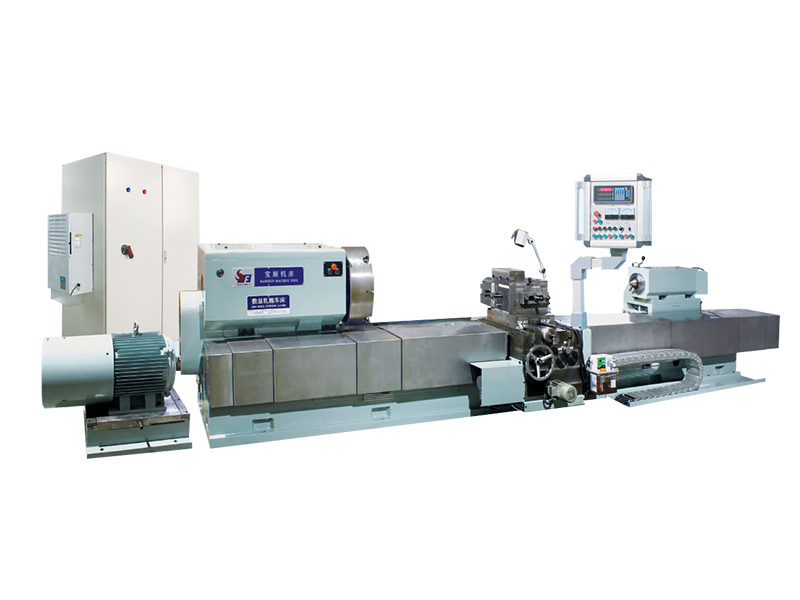
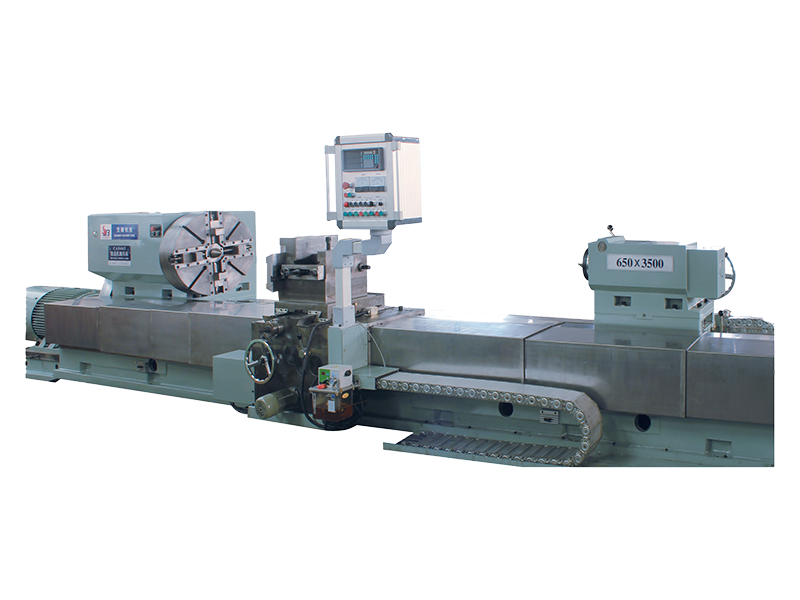
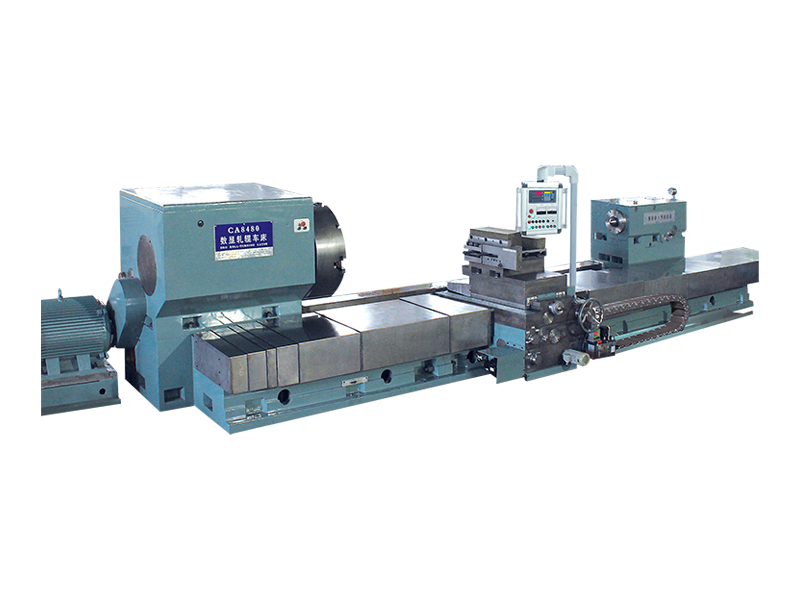
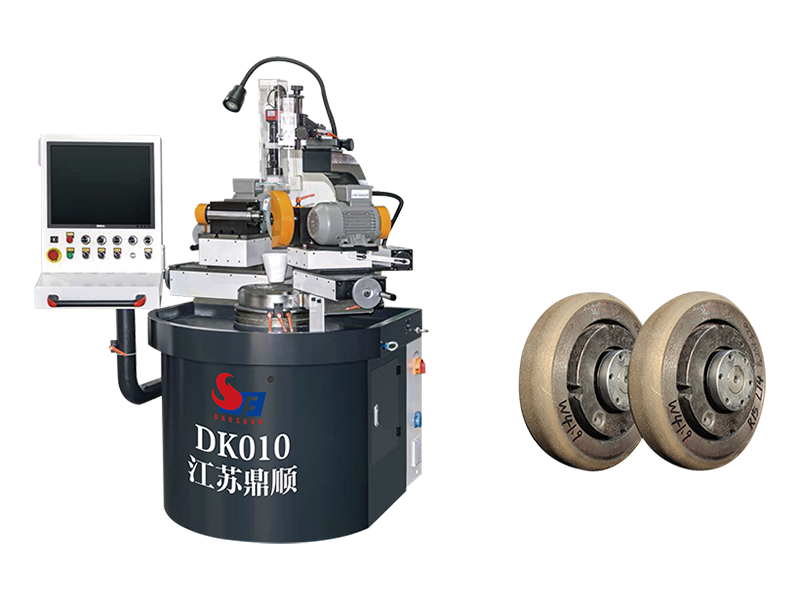
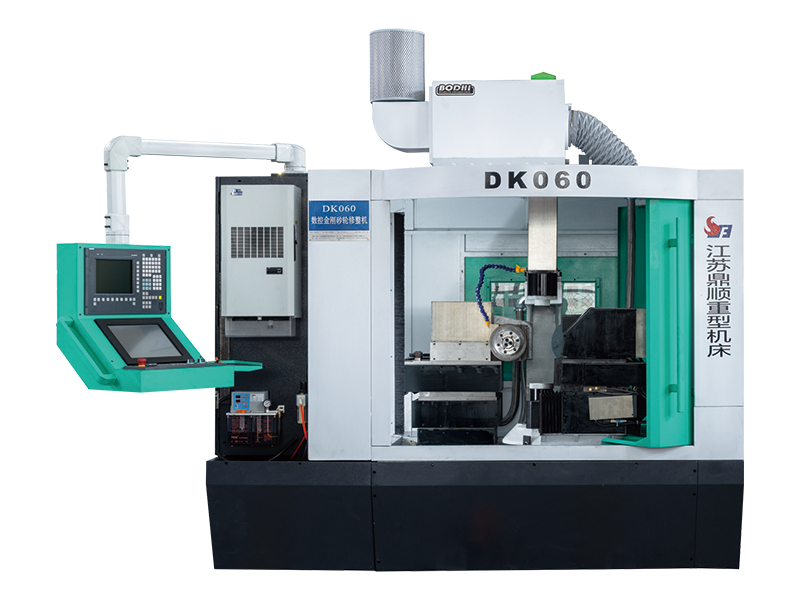
CNC roll ring grinders are specialized machines used for precision grinding of roll rings, which are critical components in steel, paper, and other heavy industries. Maximizing efficiency in these machines is essential for reducing production time, improving surface finish, and minimizing material waste. Efficiency not only depends on the machine’s capabilities but also on operator expertise, setup procedures, and maintenance practices.
By optimizing grinding parameters and maintaining equipment in peak condition, manufacturers can achieve higher throughput, consistent accuracy, and lower operating costs. This article explores practical strategies for enhancing CNC roll ring grinder efficiency while minimizing waste.
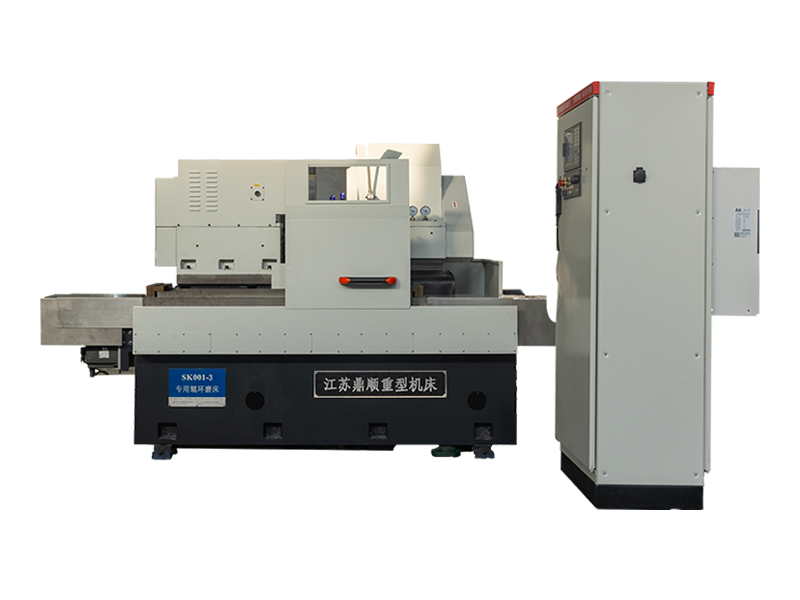
Proper machine setup and calibration are the first steps in achieving maximum efficiency. Misalignment or improper calibration can lead to uneven grinding, increased rework, and higher scrap rates. Regular calibration ensures that the machine operates according to specified tolerances.
Grinding parameters such as speed, feed rate, and depth of cut directly impact efficiency, surface quality, and material consumption. Choosing optimal values reduces cycle time without compromising the roll ring’s integrity or finish.
Routine maintenance is critical for sustaining efficiency and reducing unplanned downtime. Worn components or neglected lubrication can degrade performance and increase waste.
Modern CNC roll ring grinders often include digital monitoring and control systems that enhance precision and productivity. These systems provide real-time feedback on spindle load, vibration, and dimensional measurements.
By analyzing these parameters, operators can adjust process conditions to maintain optimal performance, detect early signs of tool wear, and prevent errors that lead to waste.
Minimizing material waste is an important aspect of CNC roll ring grinder efficiency. Proper planning, precise measurements, and controlled grinding reduce scrap rates and improve cost-effectiveness.
Evaluating CNC roll ring grinder efficiency requires monitoring key performance indicators such as cycle time, surface finish quality, and scrap rate. Comparing these metrics across different setups or parameter configurations helps identify the most productive operating conditions.
| Metric | Optimized Parameters | Non-Optimized Parameters |
| Cycle Time | Shorter | Longer |
| Surface Finish | Consistent and smooth | Variable and rough |
| Material Waste | Minimal | Higher scrap rate |
| Tool Wear | Controlled and predictable | Rapid and uneven |
Maximizing CNC roll ring grinder efficiency requires a combination of proper machine setup, optimized grinding parameters, regular maintenance, and the use of advanced monitoring systems. By implementing these strategies, manufacturers can achieve higher throughput, better surface finish, and significantly reduced material waste. Consistent application of best practices ensures that CNC roll ring grinders deliver reliable, cost-effective performance in industrial production environments.

 Download Material

 E-mail: [email protected]
  Mob: +86-13806297906
  Tel: +86-513-85562198
  Add:No. 99 Tiantong Road, Nantong City, Jiangsu Province.
Factory scene


Copyright@ Jiangsu Dingshun Heavy duty Machine Tool Co., Ltd. All Rights Reserved.




 English
  русский
  Español
  عربى
عربى