Content
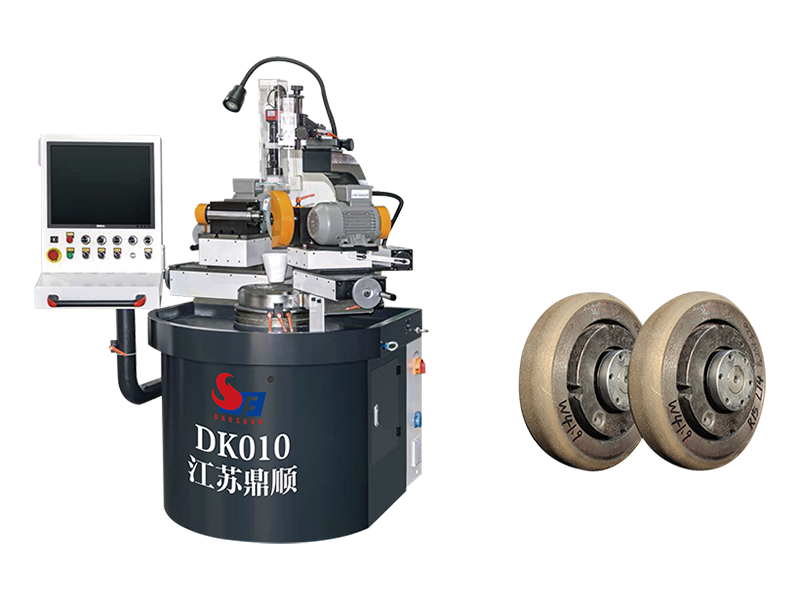
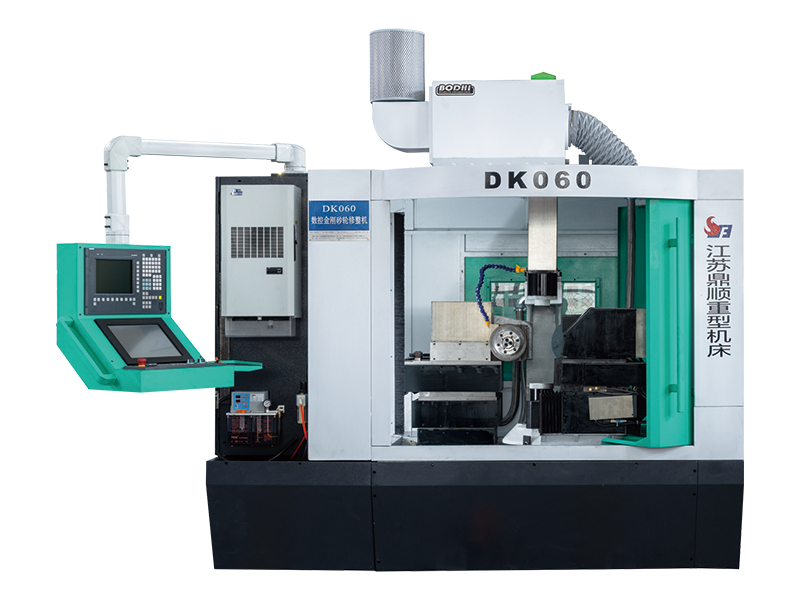
CNC machines for heavy industry and metal processing are designed to handle large scale components, high load cutting conditions, and continuous operation while maintaining precision and stability. These machines differ from standard CNC systems by offering higher rigidity, stronger spindle power, and enhanced thermal stability for demanding environments.
They are widely used in sectors such as energy equipment manufacturing, shipbuilding, construction machinery, and steel structure fabrication, where large metal parts and thick materials are processed with strict tolerance requirements.
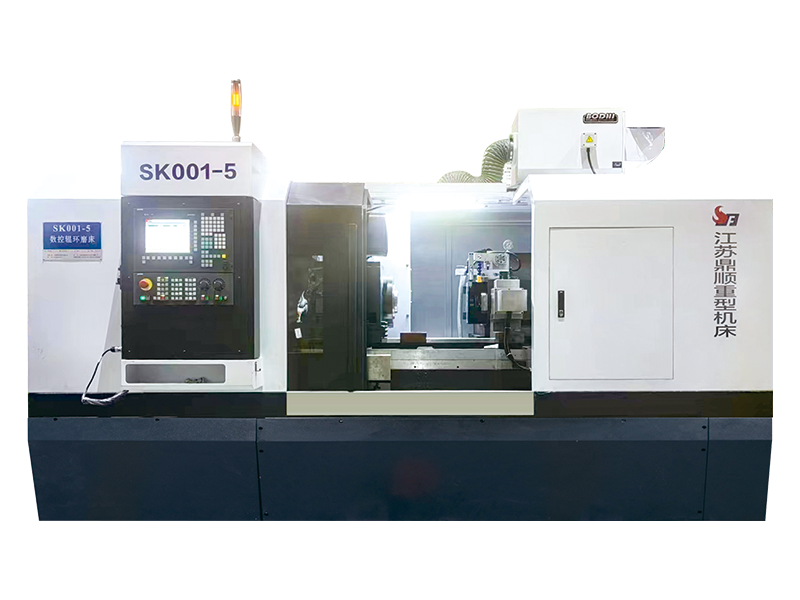
Different machining tasks require specialized CNC configurations. Selecting the right type directly impacts efficiency and machining quality.
Designed for large workpieces, gantry mills provide a stable structure for machining steel plates, molds, and heavy frames. They support long travel distances and multi axis operations.
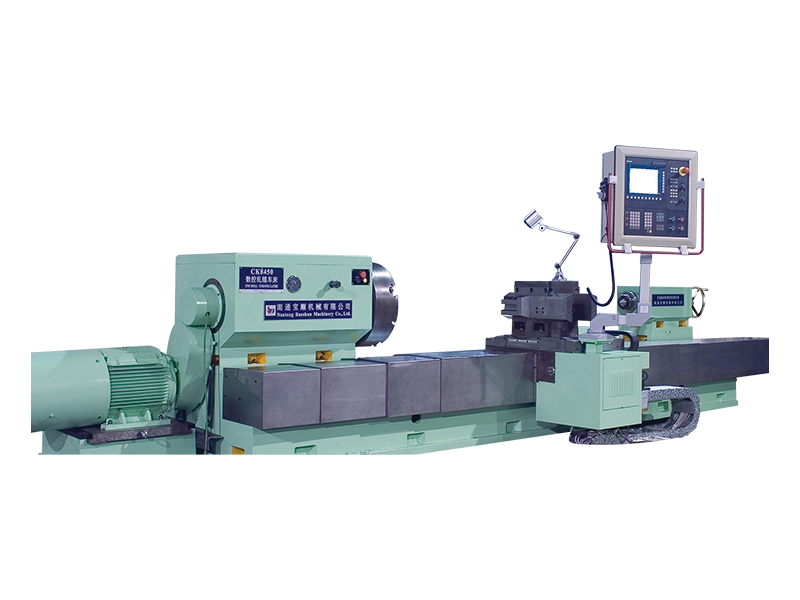
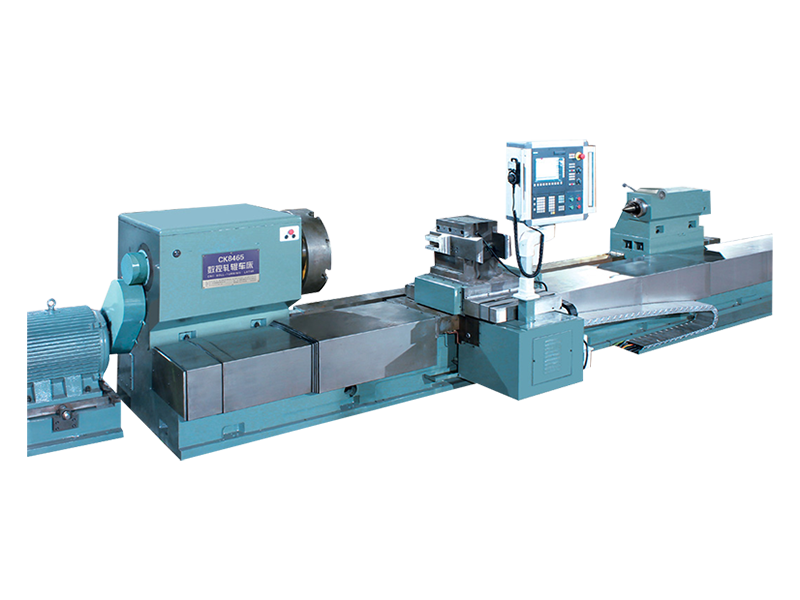
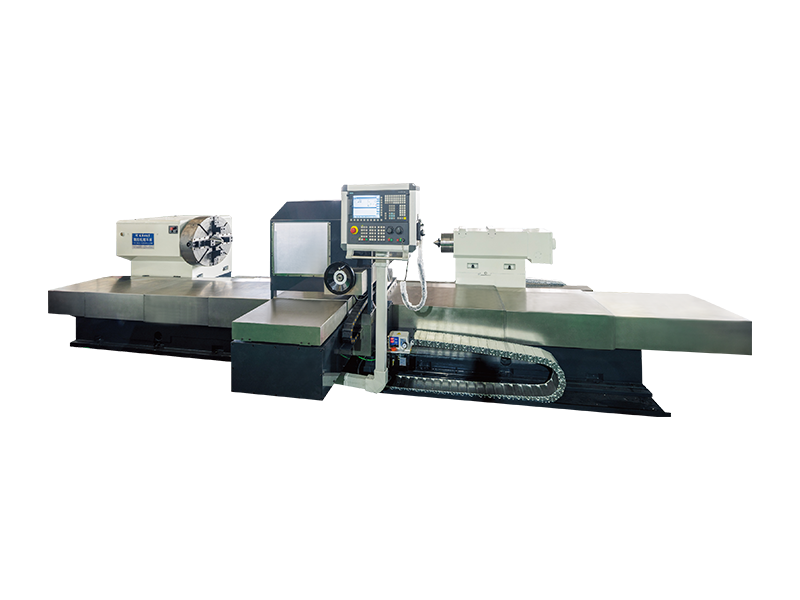
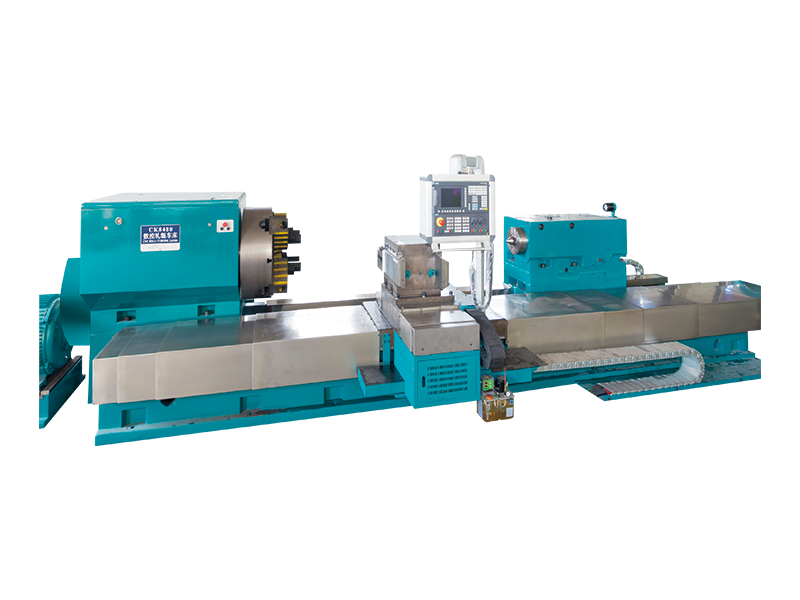
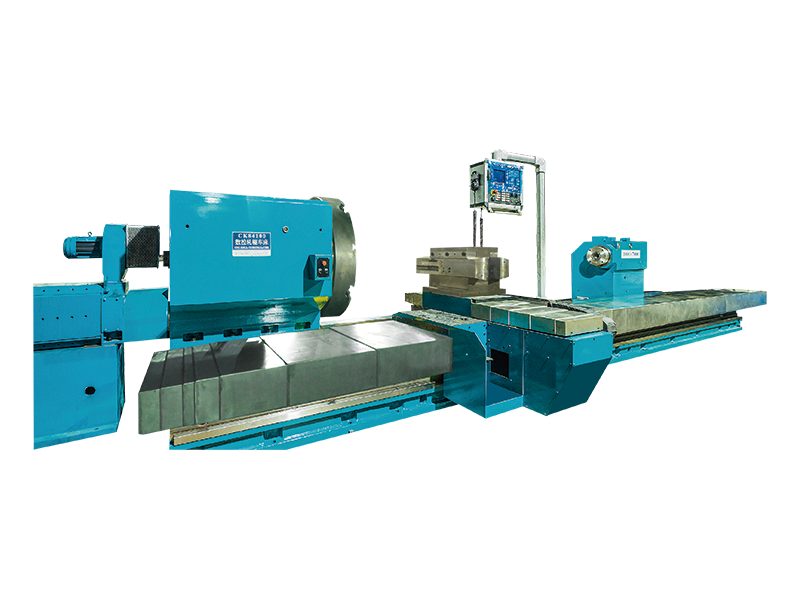
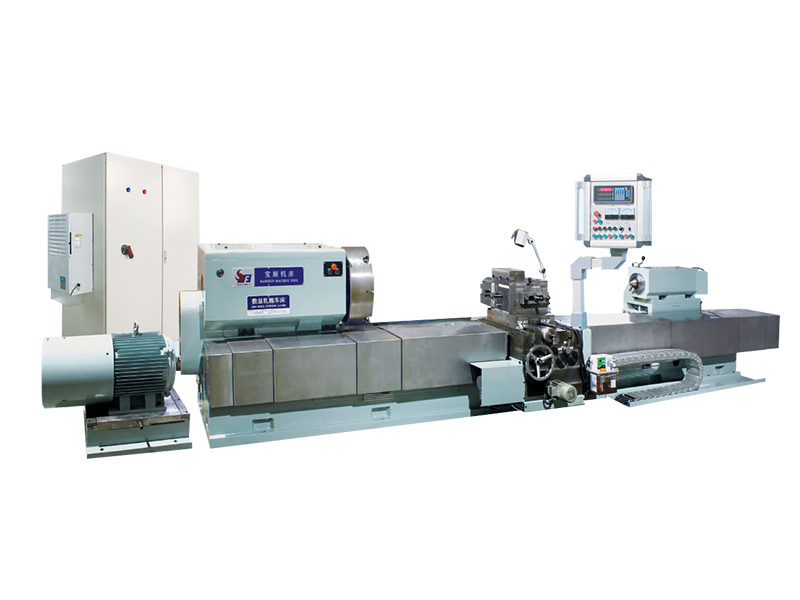
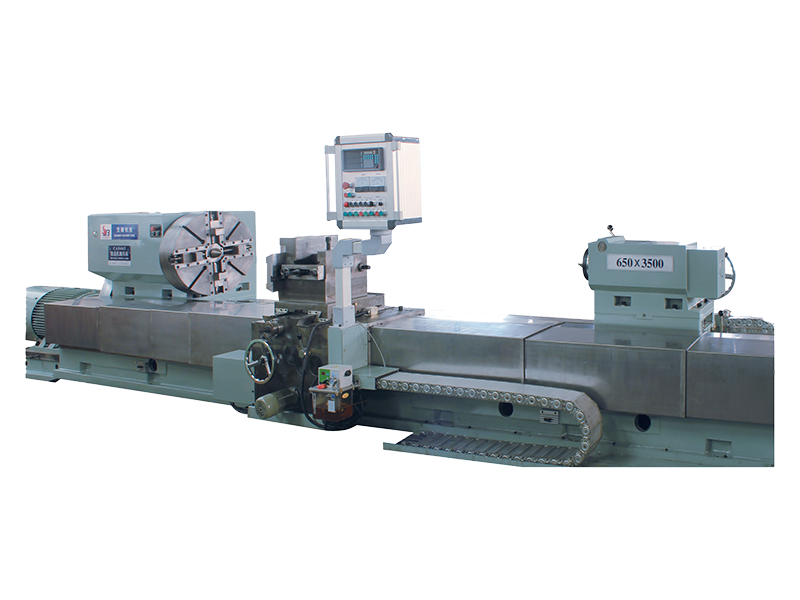
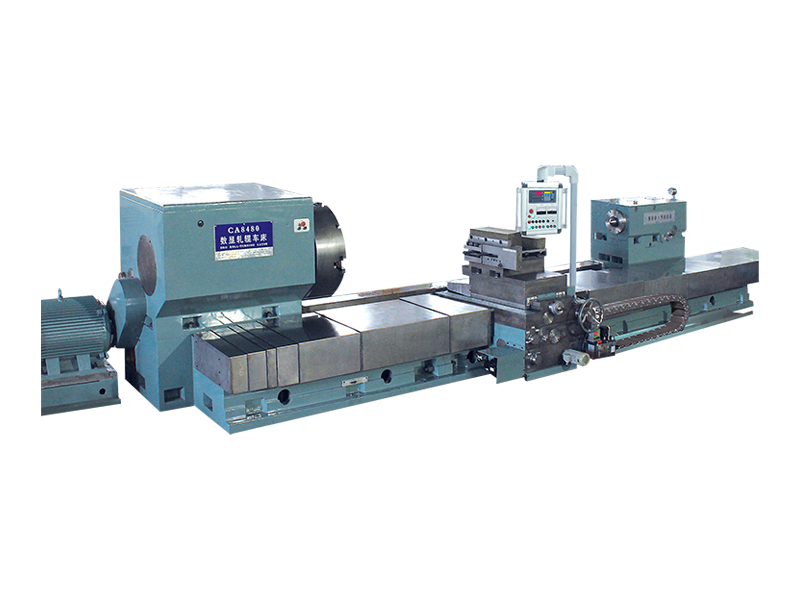
Used for turning large diameter components such as shafts, flanges, and turbine parts. Horizontal lathes are suitable for long workpieces, while vertical lathes handle heavy and wide components.
Applied in precision hole machining for large housings and structural parts. They provide high accuracy in alignment and dimensional control.
Used for cutting thick metal plates. Plasma systems are suitable for heavy thickness, while laser systems provide finer edge quality for thinner materials.
Heavy industry applications demand consistent performance under challenging conditions.
In heavy duty machining, stability and power are more critical than speed alone.
| Machine Type | Workpiece Size | Main Application | Key Advantage |
|---|---|---|---|
| Gantry Milling Machine | Large plates and frames | Surface milling and contouring | High rigidity |
| Vertical Lathe | Heavy round parts | Turning and facing | High load capacity |
| Boring Machine | Large housings | Precision hole machining | Alignment accuracy |
| Plasma Cutting Machine | Thick metal sheets | Cutting operations | Fast cutting speed |
CNC machines for metal processing are applied across multiple industrial sectors with specific requirements.
These industries require consistent precision across large scale components, making CNC systems essential.
Choosing the right CNC machine depends on application specific requirements rather than general specifications.
Matching machine capacity to actual production needs avoids underperformance and unnecessary cost.
Technological development continues to improve efficiency and precision in heavy industry CNC systems.
Modern CNC machines are evolving toward higher automation and data driven manufacturing environments.
CNC machines for heavy industry and metal processing are essential for handling large components, maintaining precision, and ensuring production efficiency. By selecting the appropriate machine type and configuration, manufacturers can achieve stable machining performance and meet the demands of complex industrial applications.

 Download Material

 E-mail: [email protected]
  Mob: +86-13806297906
  Tel: +86-513-85562198
  Add:No. 99 Tiantong Road, Nantong City, Jiangsu Province.
Factory scene
Copyright@ Jiangsu Dingshun Heavy duty Machine Tool Co., Ltd. All Rights Reserved.




 English
  русский
  Español
  عربى
عربى